
Visiting Potosí
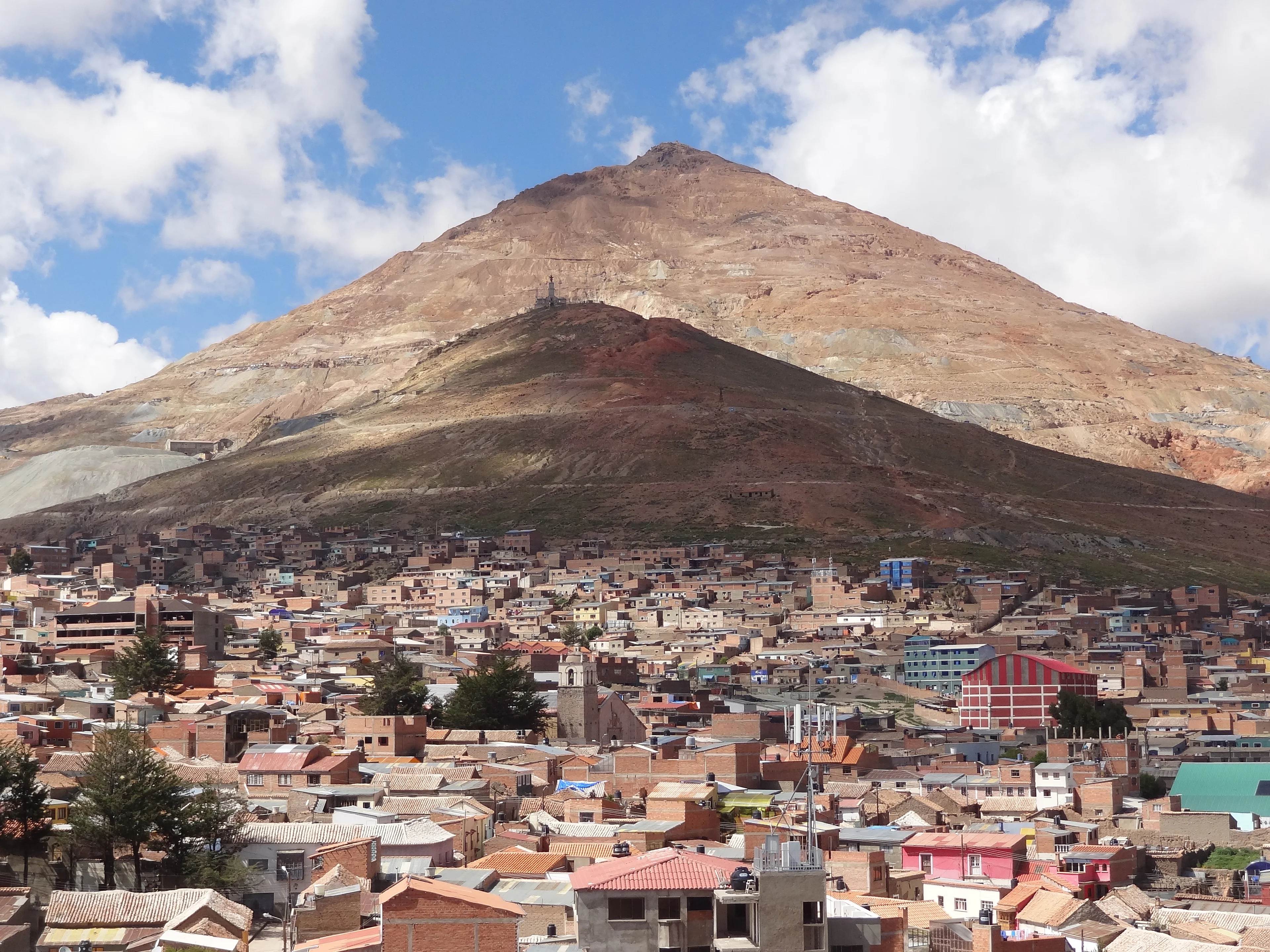
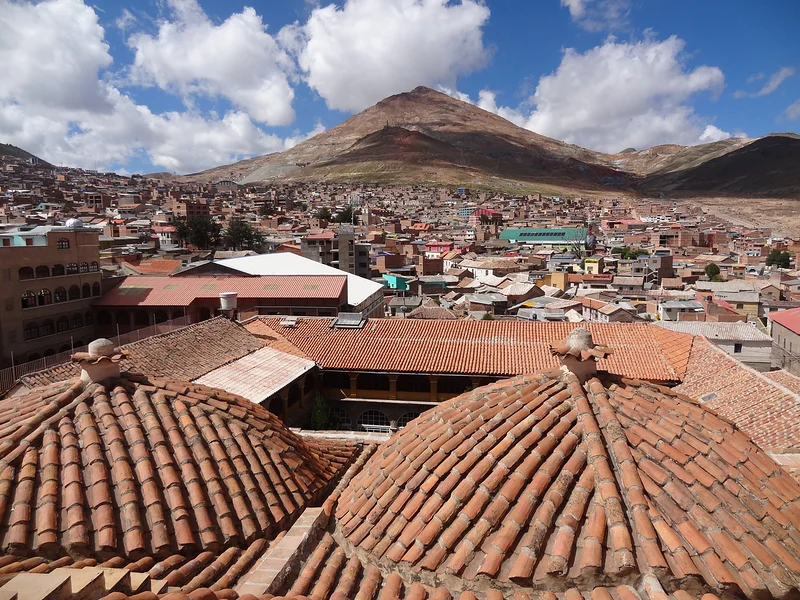
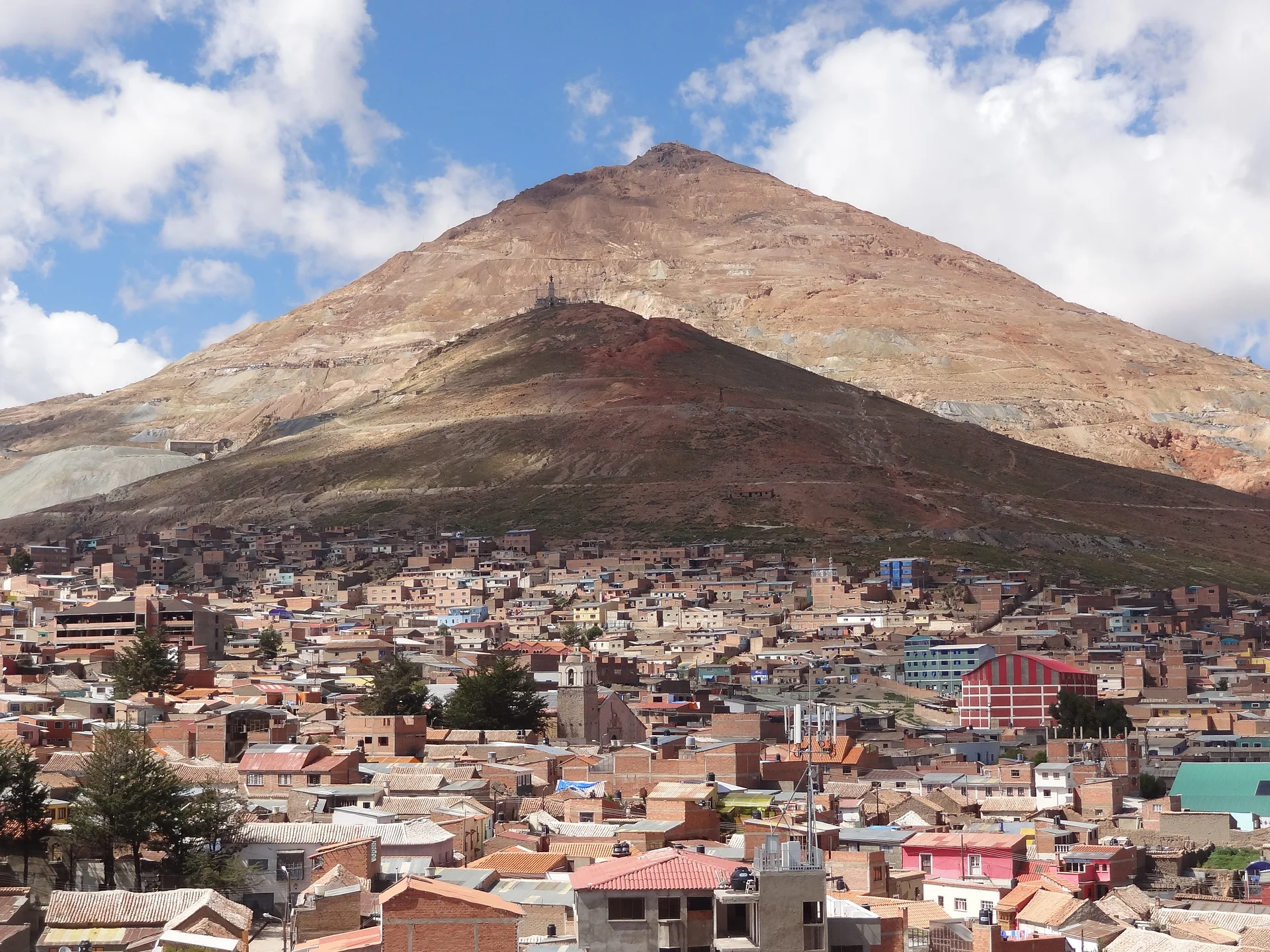
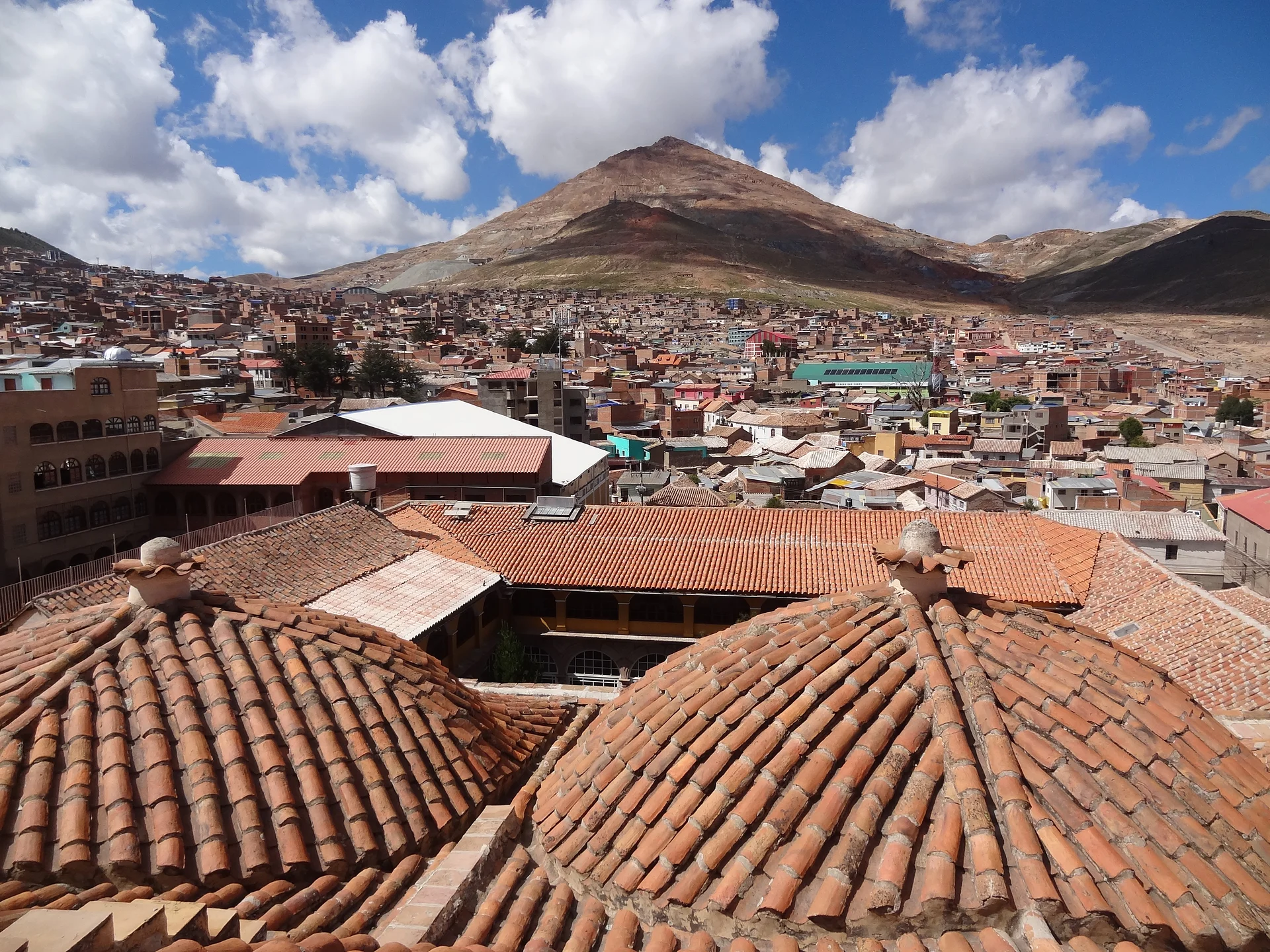
Potosí is a city in Bolivia that experienced massive growth during the 16th and 17th centuries when Spanish colonists began mining a massive silver deposit inside Cerro Rico. This mountain of wealth dominates the Potosí skyline, and you will spot it from almost every street corner. Still actively mined today for tin reserves, the mines can only be toured through local agencies. This excursion gives you an unvarnished look at the grueling working and living conditions endured by Bolivian miners, many of whom lost their lives deep within the mountain. Inside the tunnels, you will find a shrine to Tío, the lord of the underworld.
The Mining Heritage of Potosí
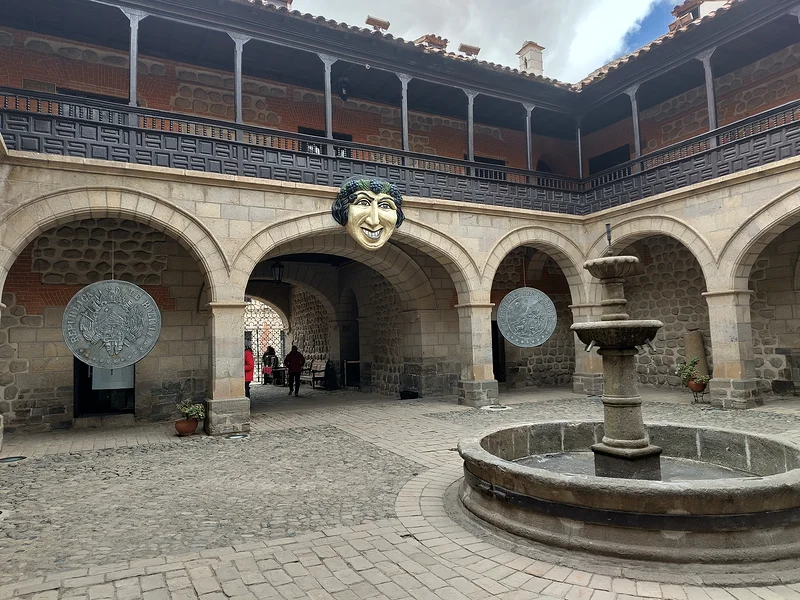
Mining operations in this part of Bolivia have continued for nearly five centuries, generating immense wealth for Europe under the Spanish crown, which minted its coins right here in Potosí. To dive into the industrial and financial history of the city, head to the Casa de la Moneda, an 18th-century landmark that stands as the largest colonial building in all of Latin America. Exploring the facility reveals how currency was struck by hand and machine. The museum features extensive collections of period coinage alongside notable artwork.
Perched at an elevation of 4090 metres, Potosí was long a Spanish stronghold and ranked among the most populous cities in the 17th century, on a par with European capitals such as London and Paris. Back then, the Bolivian city was home to roughly 160,000 residents. The mining industry gradually modernized with the 16th-century installation of an aqueduct and mill system designed to crush ore, structures that still stand today. From the top of Cerro Rico, you get sweeping panoramic views of the surrounding Andes.
A Major Colonial City in Latin America
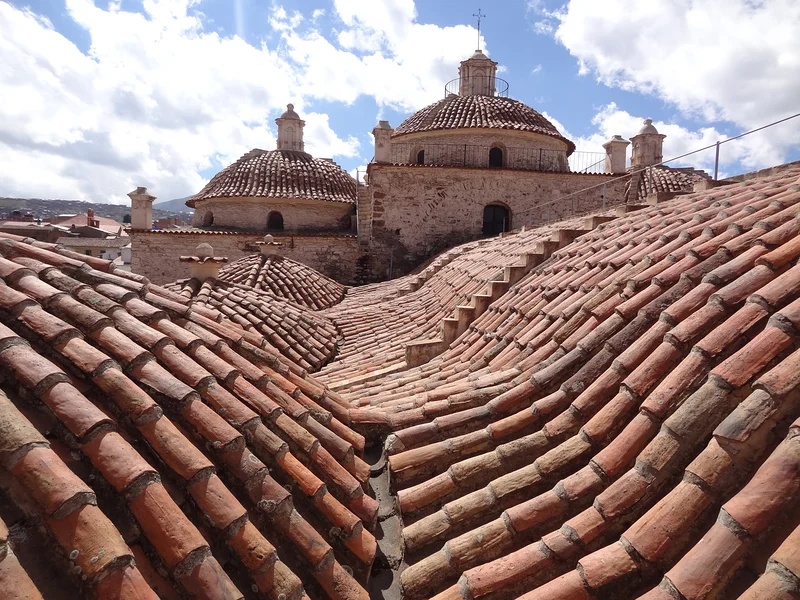
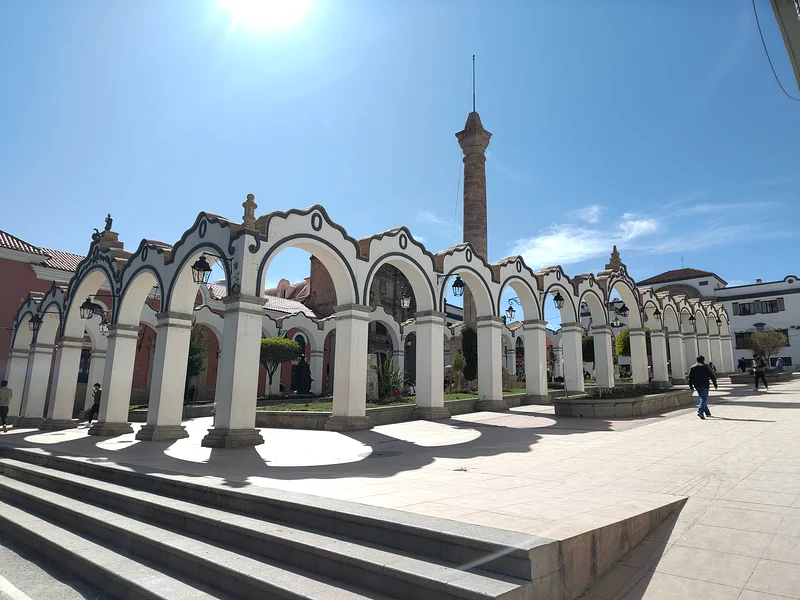
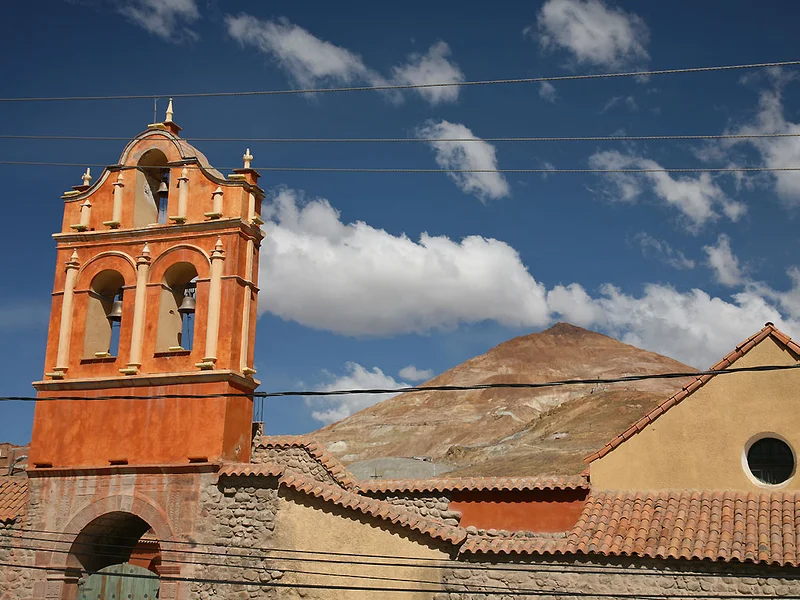
The entire layout of Potosí grew around the mining industry and colonial rule, earning the city a spot on the Unesco World Heritage list in 1987. Numerous buildings bear witness to this history, starting with the architecture framing Plaza 10 de Noviembre, the beating heart of town. Potosí also holds a wealth of baroque churches and religious monuments, including the cathedral and the convent of Santa Teresa, which now operates as a museum of sacred art. Take a close look at the facade of the Torre de la Compañía de Jesús to see its 32 twisted columns and intricate stone carvings.
Unfortunately, centuries of intensive excavation have left Cerro Rico porous, unstable, and prone to landslides, presenting ongoing threats to the people of Potosí and the preservation of its historic architecture.
When to Go
Because of its extreme elevation, temperatures in Potosí drop quickly. Plan your visit between April and October for the most favorable conditions.
How to Get There
Beyond its historical and architectural significance, Potosí sits conveniently along the route to the Salar de Uyuni salt flats. Regular bus lines connect Potosí to Sucre in roughly 3 hours.
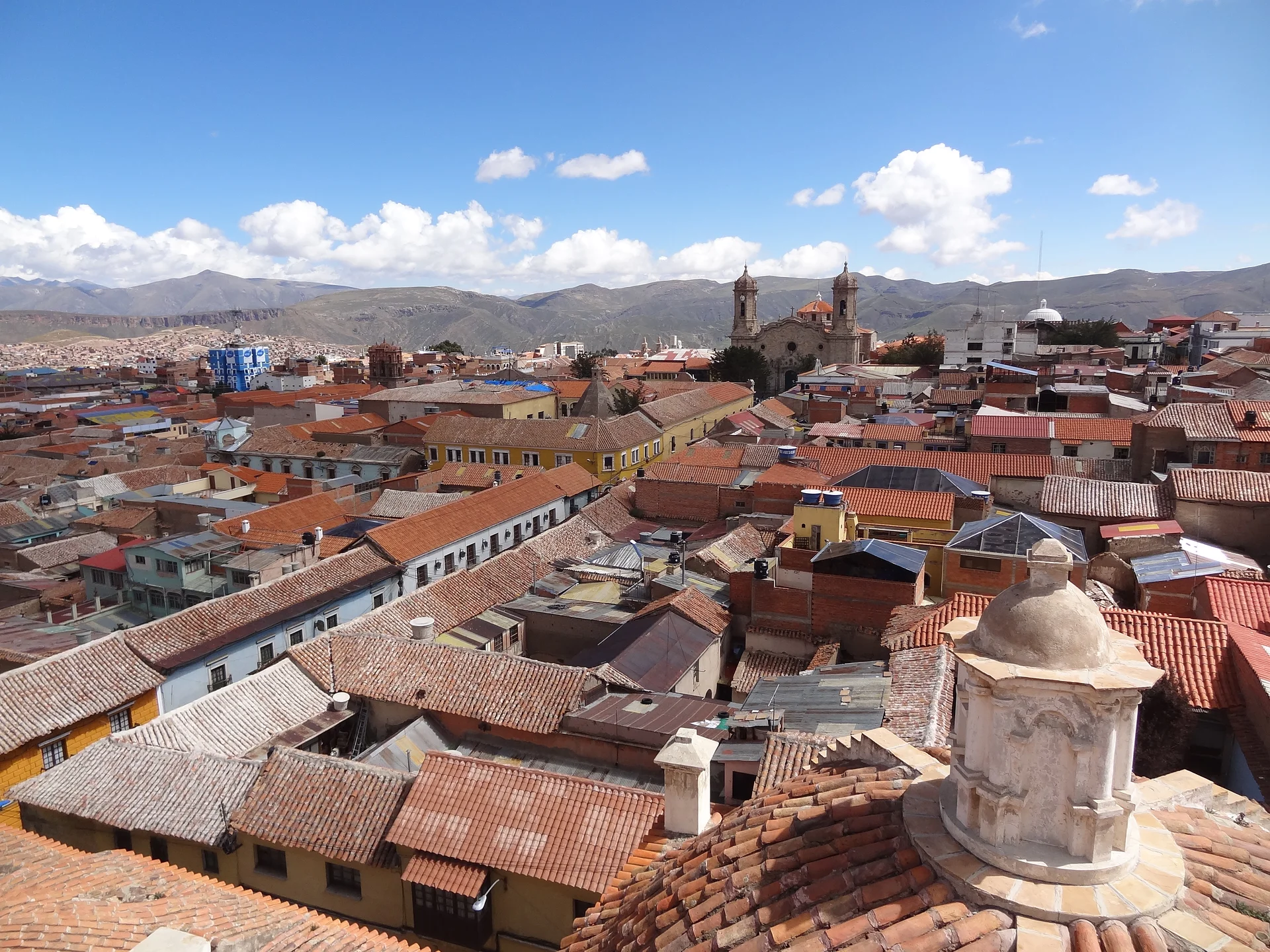
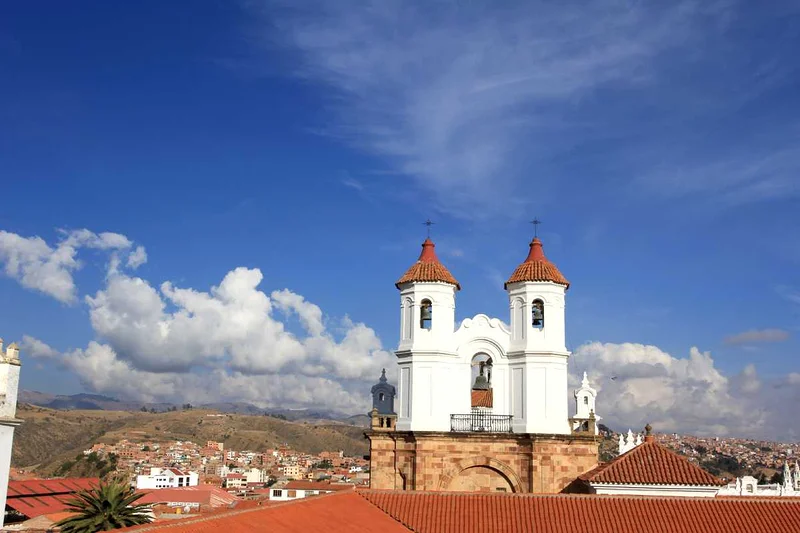
Potosi is a must-see city in Bolivia, right after La Paz, Lake Titicaca, and the Salar de Uyuni. They say capitalism was born in its Cerro Rico because so much silver ore was extracted from there during the Spanish colonization. Today, I recommend visiting the mines with a local because tourism provides them with a significant source of income. The tour, while a bit voyeuristic, lets you imagine the living conditions of these forced laborers. The city is also packed with beautiful monuments.