
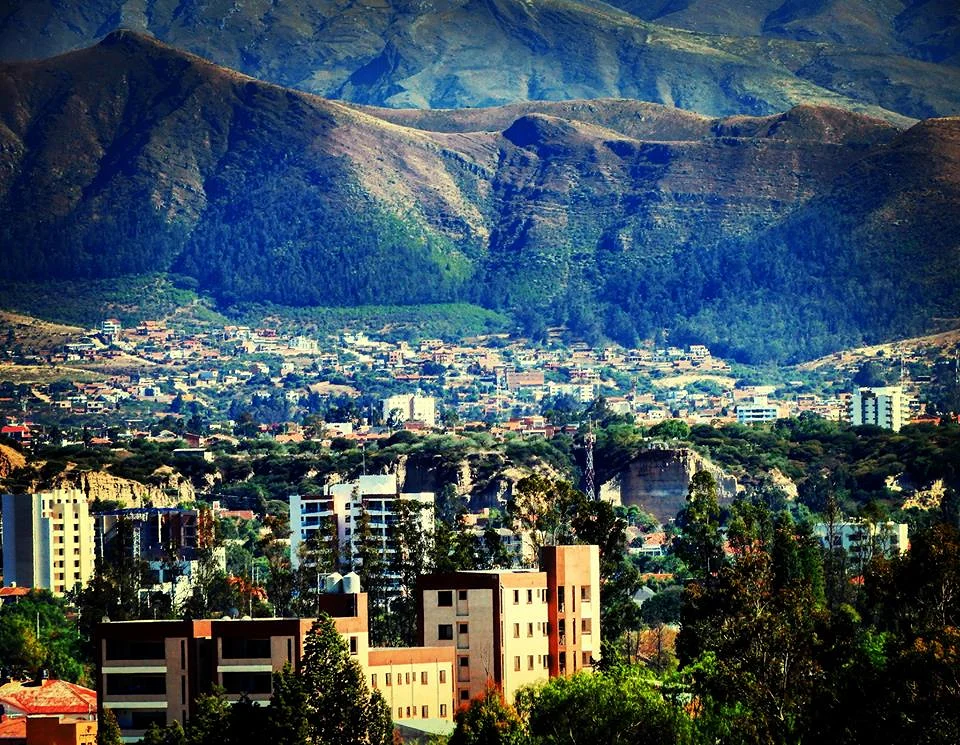
Visiting Tarija, between easy living and high-altitude vineyards
Located in southern Bolivia, Tarija has a very different feel from the high Andean landscapes often associated with the country. With its temperate climate, high-altitude vineyards, and slow pace, this city draws travelers looking to unwind. Its colonial downtown, lively markets, and wine culture make it an easy stop on a Bolivian itinerary.
The historic center: a preserved colonial atmosphere
Downtown Tarija is walkable, featuring streets lined with white-washed colonial homes and shaded public squares. Plaza Luis de Fuentes, ringed by cafes and historic buildings, serves as the city's pulse. Nearby, the San Roque church and the Casa Dorada, a 19th-century eclectic mansion, are worth checking out.
The vineyards of the Tarija Valley
Tarija is known as the capital of Bolivian wine. Sitting at an elevation of roughly 1 850 meters, local vineyards produce wines with intense aromas. The Route of the Wines lets you tour several bodegas, including well-known names like Kohlberg and Campos de Solana. You can also sample singani, a traditional grape brandy distilled from Muscat.
The Central Market: a dive into local life
To get a feel for everyday life, walk through the Mercado Central. This covered market is packed with fruit stalls, spices, and cheap cooked meals, making it a great spot to watch locals and try regional foods in an authentic setting.
The surrounding area: nature and traditions
A few kilometers outside Tarija, the Los Cardones nature reserve features an arid landscape dotted with giant cacti. For a dose of local history, the village of San Lorenzo sits 15 km away and preserves the legacy of national hero Eustaquio Méndez, complete with a museum dedicated to his life.
A cuisine shaped by Argentina and the Andes
Tarija's food draws on both Andean and Argentine influences. Saice is a staple dish featuring a spiced beef, tomato, and chickpea stew, typically served alongside rice and potatoes. You should also try huminta, a sweet corn tamale wrapped and cooked in corn husks. As for drinks, vino patero, a rustic artisanal wine, is a local specialty worth tasting.
Where to eat?
- El Fogón de Gringo (Center): A welcoming spot popular for grilled meats and regional dishes.
- Casa Vieja (Valle de la Concepción): A traditional bodega serving regional plates paired with local wines.
- Mercado Central (Center): Perfect for a quick bite of local food without spending much.
- La Taberna Gato Pardo (Center): A casual spot for fusion dishes in a laid-back setting.
Where to stay?
- Hotel Los Ceibos (Center): A comfortable option featuring a pool and solid value.
- Hostal Carmen (San Roque): A simple, charming guesthouse set in a quiet neighborhood.
- Hotel Vendimia (Valle de la Concepción): Ideal if you want to stay right among the vineyards.
- Hostal Granny (Center): A budget pick offering clean rooms and a family-run vibe.
When to visit?
Tarija enjoys pleasant weather year-round with mild temperatures and plenty of sun. The best window to visit runs from April to October, when the weather stays dry and sunny.
In September, the Feast of San Roque brings traditional dances and religious processions through the streets.
How to get there?
You can fly to Tarija from La Paz and Santa Cruz in about 1 hour and 30 minutes, with tickets costing between $68 and $135*. Buses run from Sucre or Potosí as well, but expect a long, winding ride lasting 10 to 12 hours.
How to get around?
Tarija's center is compact enough to explore on foot. To reach the outer areas, taxis and local minibuses known as trufis are cheap and readily available. Renting a car makes sense if you want to tour the wine valley at your own pace.
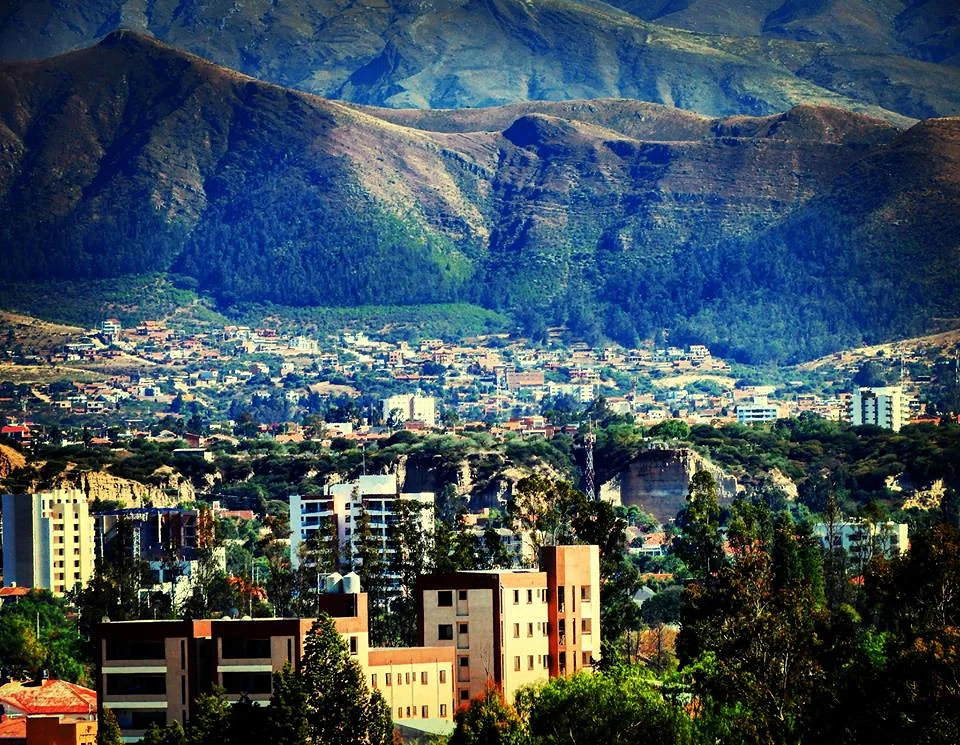
Tarija, a small colonial city with a warm climate surrounded by vineyards, is known for being the capital of smiles (and the prettiest girls) in Bolivia!
A few key sites to visit in the city include the Casa Dorada, the Castillo Azul, the main square Luis de Fuentes, the cathedral, the San Roque Church, and the Loma de San Juan viewpoint.
But above all, don't forget to treat yourself to a great steakhouse dinner with a good glass of wine. It feels just like Argentina!
It is also, or perhaps especially, the gateway to the wine route!
Don't miss a tasting of high-altitude wines and Singani, the local brandy!
Note that one of the wineries, Campos de Solana, is the most awarded in Bolivia and is starting to make a name for itself internationally.
It is also possible to visit the surrounding villages in half a day, such as Coimata and its waterfalls, San Lorenzo and its colonial architecture, or the San Jacinto dam and lake.