
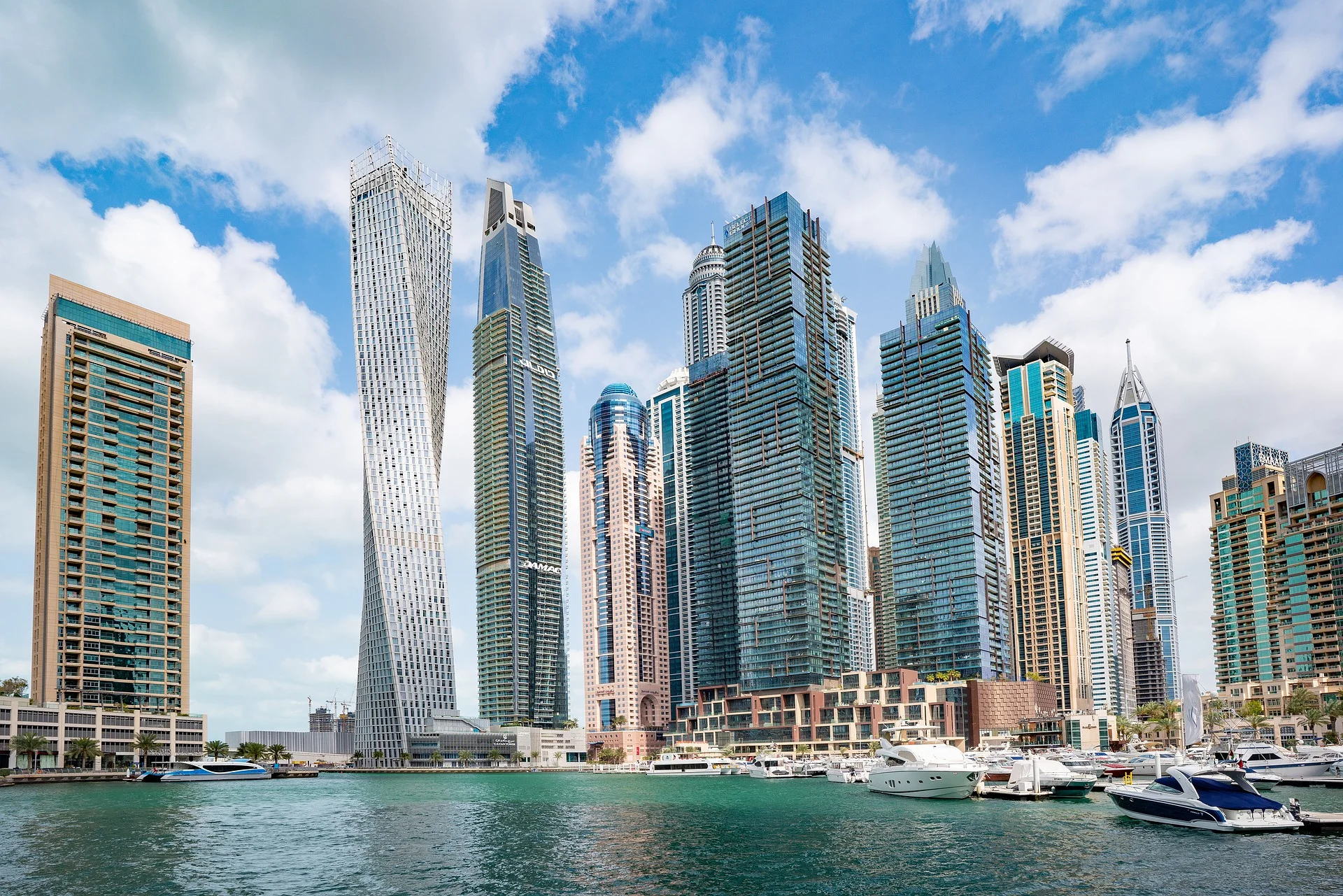
After relying on its natural resources, especially oil, to develop, Dubai's economy and society have resolutely shifted toward high-end tourism to keep growing.
This strategy has positioned Dubai as the ultimate luxury city. My many trips prompted me to discover it for its vastness, architecture, desert, and warm, gentle sea. It is not just a city of excess and endless construction. It is also a destination for discovery, featuring both modern and traditional settings, alongside art developed to its peak. The many visits I made left me impressed and with unforgettable memories. Dubai is also a city of surprising places, like its indoor ski resort, for winter sports fans looking for unusual spots!

The modern city and its unique architecture
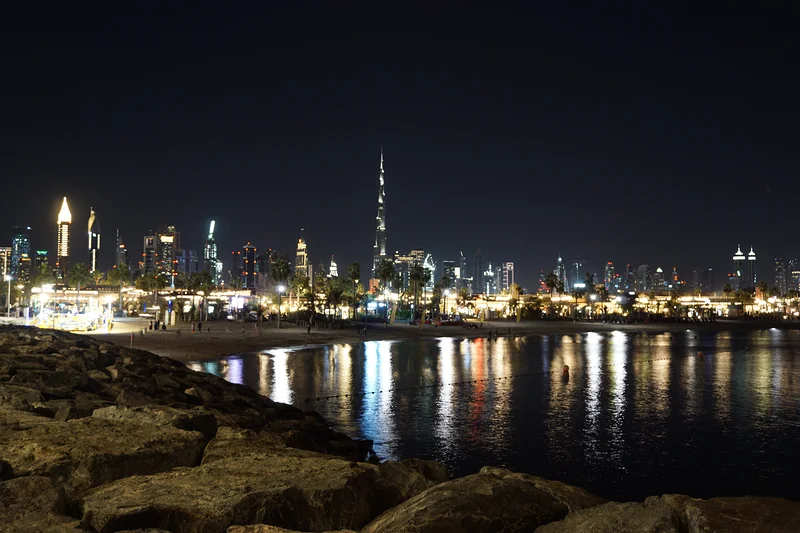
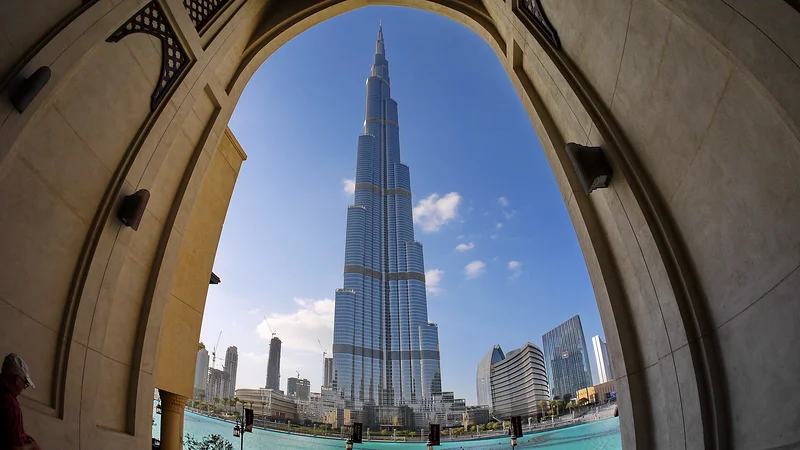
The place every tourist visits upon arrival is the Burj Khalifa tower. As the tallest tower in the world, I had to go up to realize what it means to exceed 800 meters in height. You can clearly make out the city from the 124th floor, and there are still many more above you. At the top, the view is breathtaking. The 250 The World islets are visible, showcasing the Earth in all its vastness, just like the palm-shaped artificial archipelago Palm Jumeirah. Looking for high-rise views, I was able to admire the Burj Al-Arab hotel, the most luxurious boat sail-shaped hotel in the world. It is all these incredible architectural masterpieces that have forged Dubai's fame.
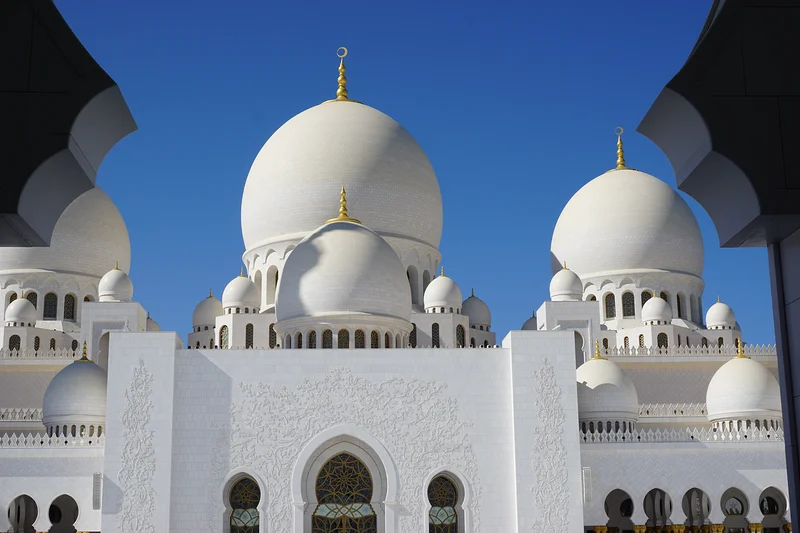
After being up in the heights, I decided to come back down to earth to appreciate the true architecture of the United Arab Emirates. The Ali Bin Abitaleb mosque and its mosaic tiles form a true open-air work of art. Its shades of blue, yellow, white, and especially its details are incredible. Another Dubai mosque is a must-see. The Jumeirah Mosque truly impressed me, both with its grandeur and its beauty. Its immense dome and two tall minarets once again highlight the sheer scale of Dubai's monuments and buildings. At night, the Jumeirah Mosque is wonderfully lit up and illuminates the city.

A culinary wealth
In my opinion, travel also goes through the senses, especially taste and smell. Even though Dubai is an open city that welcomes all cuisines, local gastronomy does exist. It is actually reminiscent of Lebanon's.

As a fan of Lebanese cuisine, I decided to try every dish offered in Dubai. I was not disappointed, as the hummus I love so much and the authentic tabbouleh are delicious there. The flavors of mint and lemon, along with the spices, are a true sensory enchantment for Middle Eastern cuisine lovers. Grilled meat is also one of the Emirati specialties. Kofta, kebab, and shawarma were my favorite dishes during my stay. Accompanied by a good tea, the meals were delightful.
Of course, honey pastries are a must, just like in most oriental countries. Following insider recommendations, I discovered Luqaimat, a very typical Dubai dessert made of flour, milk, and butter, fried then coated in spices and syrup, which is very good and very high in calories! Dried fruits and dates are also part of traditional desserts.
The traditional and authentic side of Dubai
Aside from the luxury, skyscrapers, and pharaonic constructions so prevalent in this region, I knew there was a more traditional and authentic Dubai that I really wanted to discover.
To do this, head to the old town of Dubai, which escaped the real estate bidding wars of recent decades. You can walk along the creek that runs past the foot of the Al Fahidi Fort to get a first glimpse. The Dubai Museum housed inside this fort is well worth the detour for anyone interested in the city's history. The neighborhoods surrounding this museum, Bur Dubai and Deira, will plunge you into an atmosphere that matches the image we might have of the traditional Middle East. The houses are older and built in a more local style. The boats anchored along the docks also belong to another era. You can even cross the creek aboard one of these small, picturesque boats. You will even have the chance to see what an old Dubai village looked like at the Bastakiya Heritage Village. On a plot a few hundred meters long, an old Dubai camp has been rebuilt and protected to showcase this testimony of the past.
Typical of the Middle East, local markets and souks are packed with treasures and are an absolute must in my book. The 3 main souks in old Dubai specialize in spices, gold jewelry, and fabrics. From spices and incense to rose petals and gold, the colors completely enchanted me. I couldn't head back home without seeing oriental carpets and silk. The colors are incredible, and the shopkeepers were more than happy to show me around their stores with a genuine sense of hospitality.

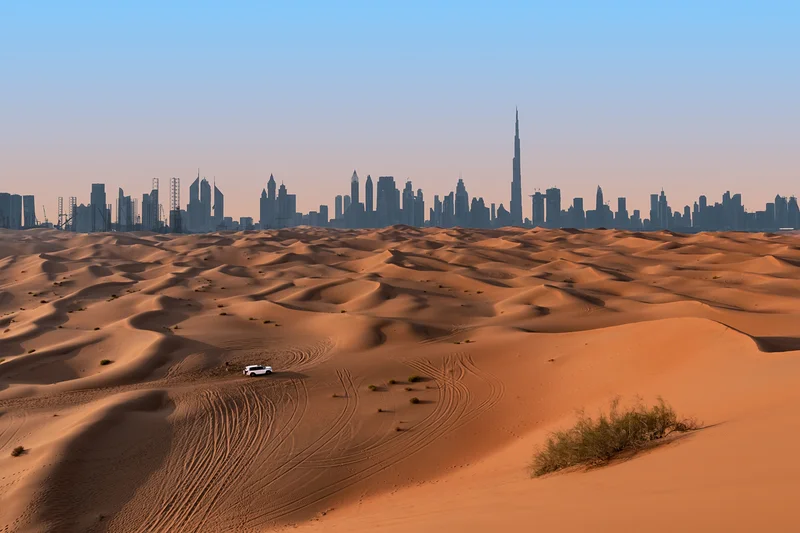
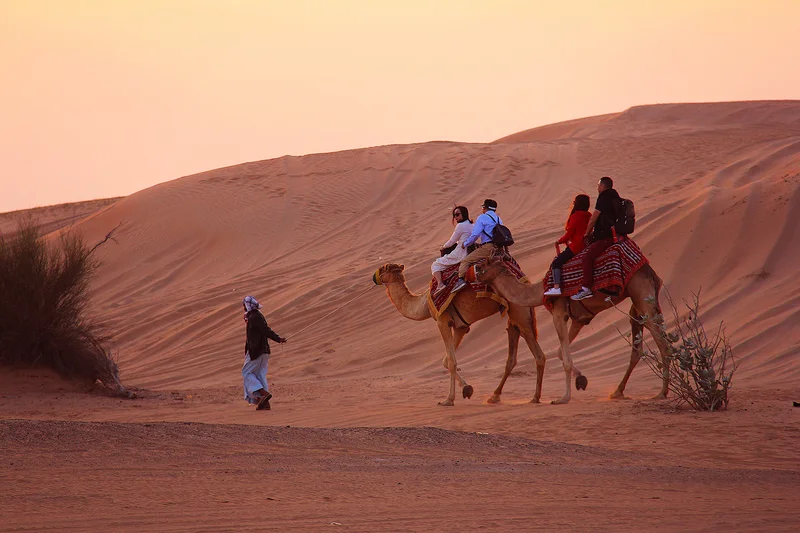
The desert also offers a striking contrast to the modern city. Several excursion packages are available to help you discover this unique environment (avoid the summer, of course, as the heat is crushing). For example, you can take a short camel ride, have dinner and camp overnight in a Bedouin camp, visit ancient isolated fortresses, and watch artistic and folkloric demonstrations (Emirati songs and dances, falconry, and more). In short, with a little imagination, you can easily picture yourself back in the days when ancient tribes learned to live with the harsh conditions of the desert.
In conclusion, I would say that Dubai is a destination with far more variety and richness than the images of excess usually broadcast by the media might suggest. It has something to appeal to just about everyone.

Comments (2)