
Dubai, the city that never stops reinventing itself
Fifty years ago, this was nothing but sand, pearl divers, and a handful of spice merchants. Today, the Burj Khalifa pierces the sky at 828 meters, artificial palm-shaped islands rise from the Persian Gulf, and you can ski in the middle of the desert inside a giant mall. The city of the United Arab Emirates fascinates, sometimes annoys, but never leaves anyone indifferent.
A playground of superlatives, and more
Let's be clear. If your idea of travel involves medieval alleys and rolling green hills, keep looking. But reducing this metropolis to just skyscrapers and flashy luxury misses a much richer reality. Behind the glass and steel, century-old souks line the banks of the Creek, and 200 nationalities live side by side every day.
Ideal for:
- Shopping enthusiasts and fans of contemporary architecture
- Families with children, thanks to water parks and top-tier attractions
- Travelers looking for guaranteed beach weather during the winter
- Curious foodies, as the culinary scene is one of the most cosmopolitan on earth
- Thrill-seekers, from desert safaris to water sports
Not for:
- Travelers hunting for deep historical heritage or untouched wilderness
- Budget travelers who refuse to compromise on comfort
- Those who struggle with extreme heat and constant air conditioning
- Partiers looking for an unrestricted and cheap nightlife scene
Budgeting for your trip
Contrary to popular belief, a stay here does not have to cost a fortune. Public transit is very inexpensive, street food is accessible, and hotels offer excellent value during the off-season. It is the high-end luxury experiences and paid attractions that drive up the price.
| Expense | Price Range |
|---|---|
| Hostel or basic hotel night | $34 to $62* |
| Comfortable 3-4 star hotel night | $79 to $169* |
| Quick meal (shawarma, falafel, fries) | $4.50 to $9* |
| Mid-range restaurant meal | $17 to $34* |
| Transport + one daily activity | $17 to $57* |
| Backpacker daily budget | $57 to $90* |
| Comfortable daily budget | $135 to $230* |
What to know before you go
Climate is the primary factor. From October to April, temperatures hover between 75 and 86 degrees Fahrenheit. This is peak tourist season. From June to September, the thermometer regularly exceeds 113 degrees Fahrenheit and the humidity makes walking outside difficult. Infrastructure is excellent, including immaculate roads, a modern metro, and widespread Wi-Fi.
English is spoken by almost everyone. US citizens can generally obtain a visa on arrival for tourism. The time difference is 9 hours ahead of Eastern Standard Time.
Rules to respect
This is crucial. Emirati laws are strict and apply to everyone, including tourists. Alcohol is only consumed in authorized establishments like licensed hotels, bars, and restaurants. Public intoxication is punishable by law. Avoid public displays of affection, and do not take photos of people without their consent, especially women.
Regarding dress code, there is no need to panic. You are not expected to cover yourself from head to toe. However, outside of beaches and pools, choose outfits that cover your shoulders and knees, especially in souks, mosques, and official buildings. During Ramadan, be discreet when eating or drinking in public.
Can a woman travel alone in Dubai?
Yes, and under quite reassuring conditions. The crime rate is among the lowest in the world. The metro has cars reserved for women and children. Ladies taxis, driven by women, are available via the S'hail app. Uber and Careem work perfectly. Street harassment is rare and severely punished.
Downtown and the Creek: between vertigo and history
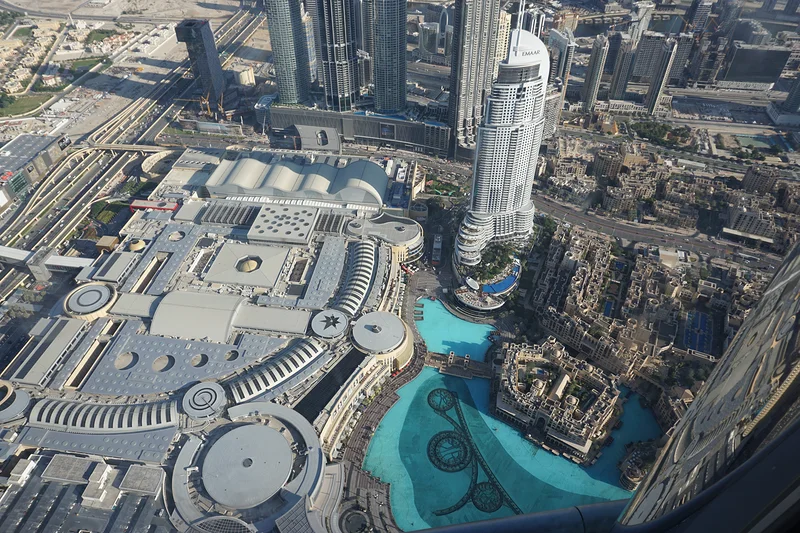
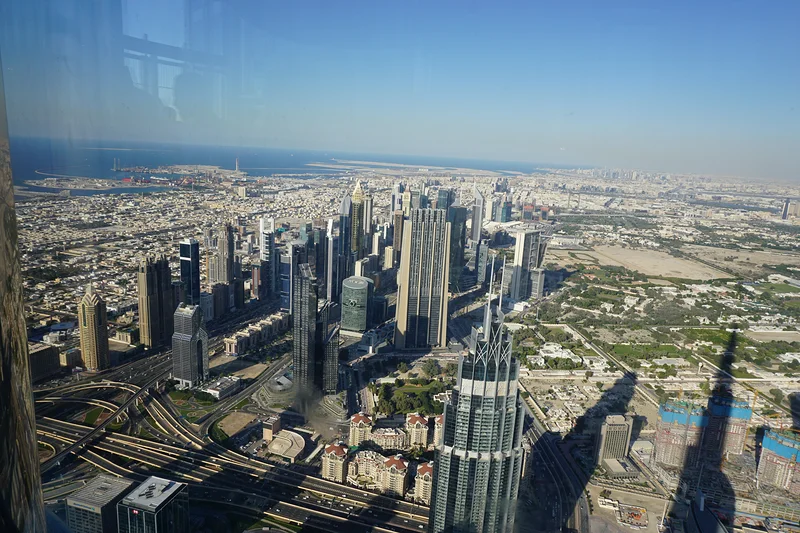
Downtown is the tourist epicenter. The Burj Khalifa dominates the skyline. From the 124th floor, you can spot The World, those 250 artificial islets arranged to look like a map of the planet. The Dubai Fountain show at the foot of the tower plays every 30 minutes starting at 6 p.m. It is free and impressive.
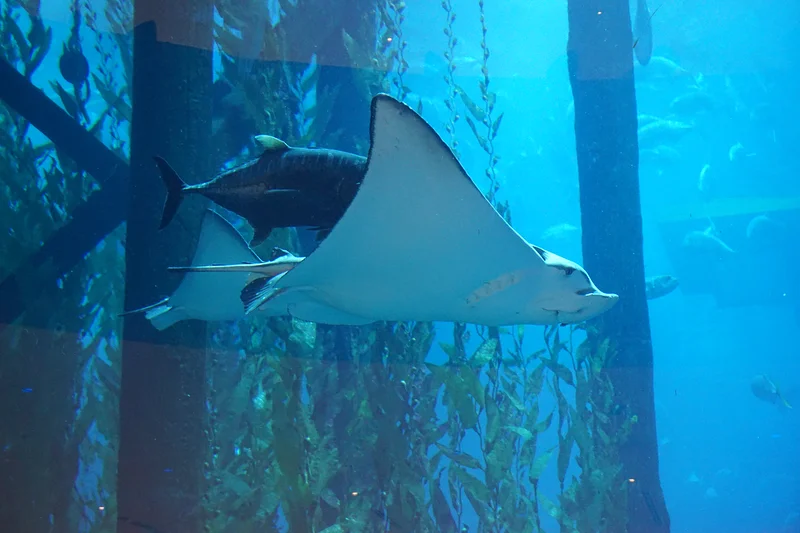
The Dubai Mall is a world unto itself with 1,200 shops, a giant aquarium, an Olympic-sized ice rink, and a cinema. You can easily spend half a day there without even shopping.
Friendly tip: Tickets for the Burj Khalifa between 8 a.m. and 10 a.m. cost about 40 percent less than at sunset. The view is just as spectacular, and you will avoid the crowds.
Opposite this futuristic setting, the Al Fahidi neighborhood offers a trip back in time. Its coral-stone wind-tower houses date back to the 19th century. The Al-Fahidi Fort, the oldest building in the city, once housed the history museum. Right next door, the small Coffee Museum traces the ancient ties between the Gulf and the coffee trade.
Deira and the souks: the city's merchant soul
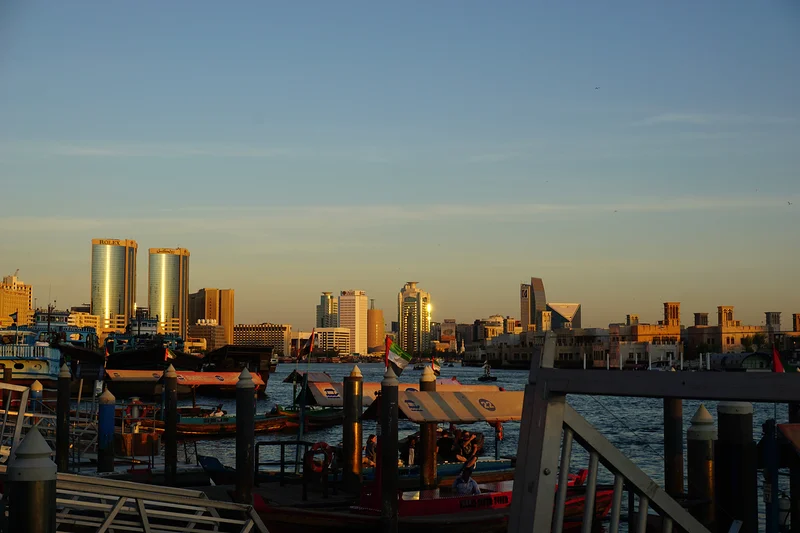
Cross the Creek in an abra, traditional wooden boats that make the shuttle trip for $0.29*. It is the cheapest and most picturesque way to get around. On the Deira side, the alleys come alive around the souks.
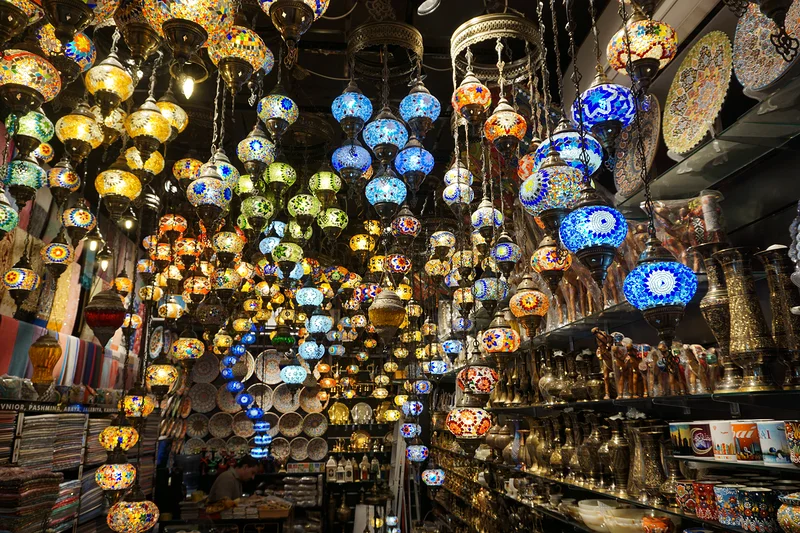
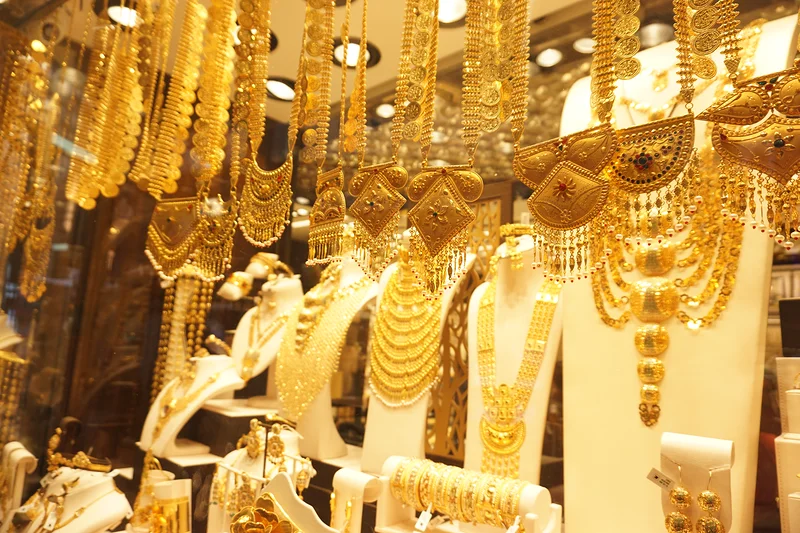
The Gold Souk lines up dazzling storefronts. Prices are never fixed, so haggle as it is the standard practice. The Spice Souk, a few streets away, displays bags of saffron, cardamom, and incense. The scent is a memory in itself. Also, do not miss the Perfume Souk, where you can have a custom fragrance composed for you.
Friendly tip: In the souks, always start by offering 50 percent of the asking price. It is expected and part of the game. Vendors are experienced and the exchange remains lighthearted.
The Marina, Palm Jumeirah, and the coast: Dubai's beach scene
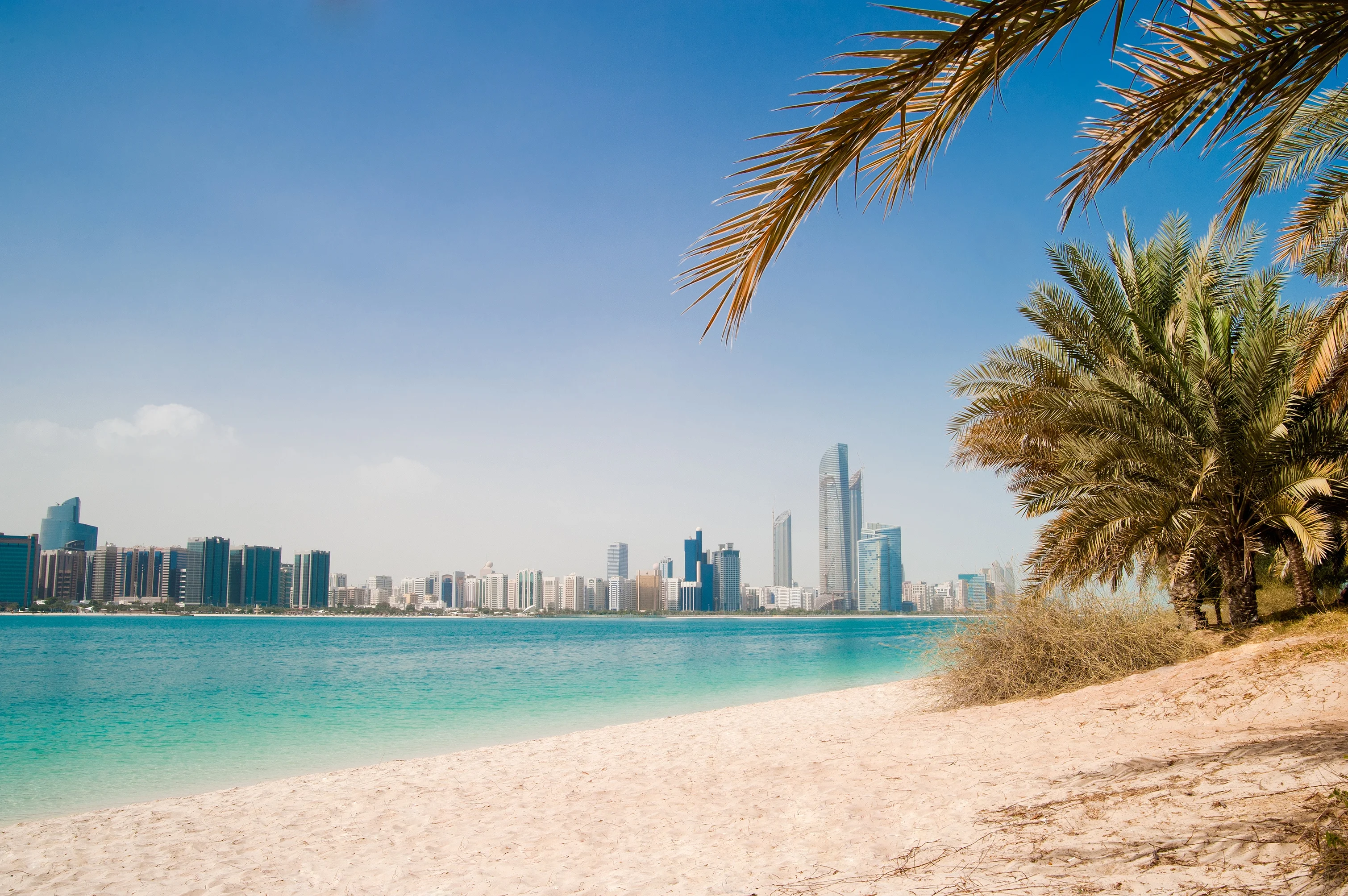
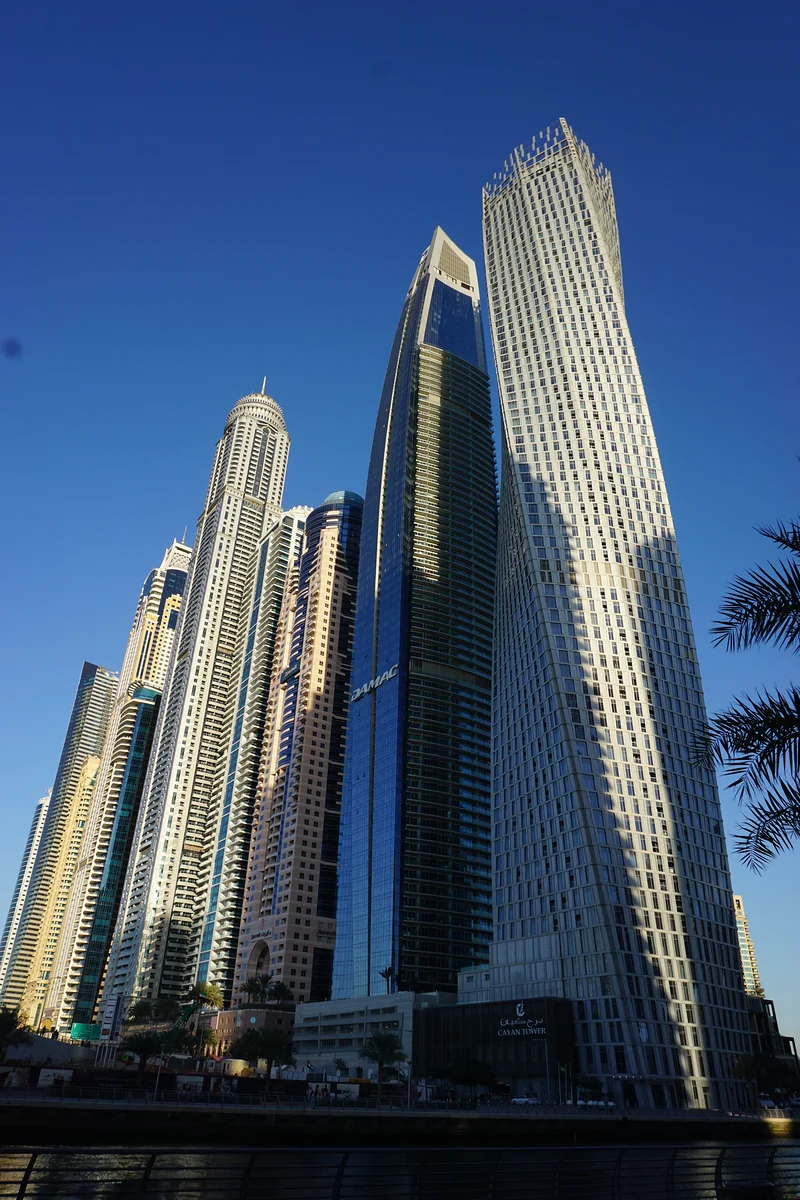
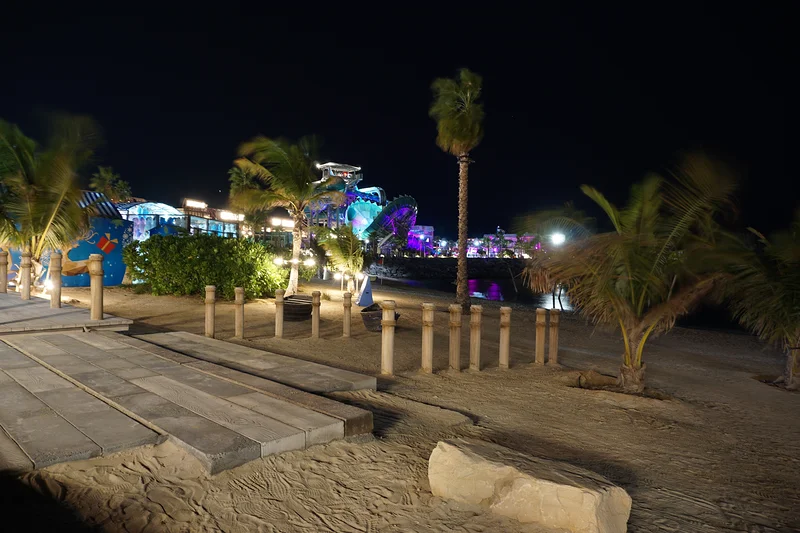
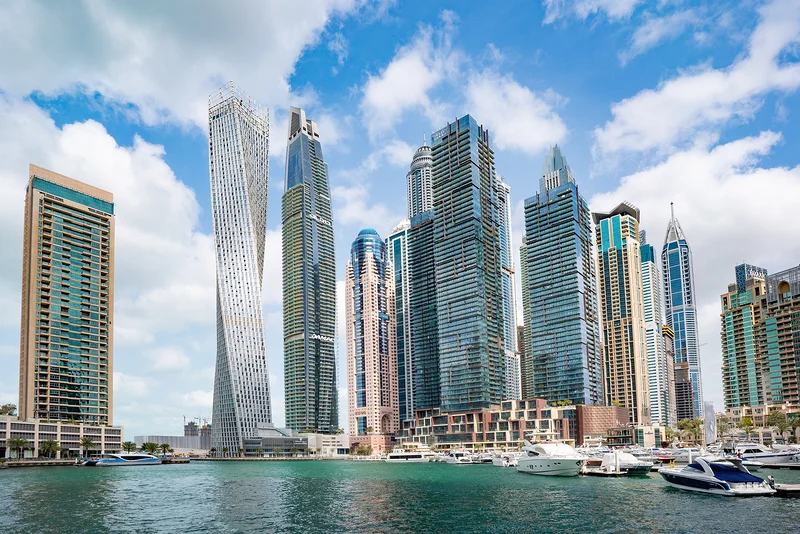
The Dubai Marina waterfront is a canyon of skyscrapers along an artificial marina. The Marina Walk stretches for 7 kilometers, lined with restaurants and cafes. In the evening, the scene is lively with cruises on traditional dhow boats.
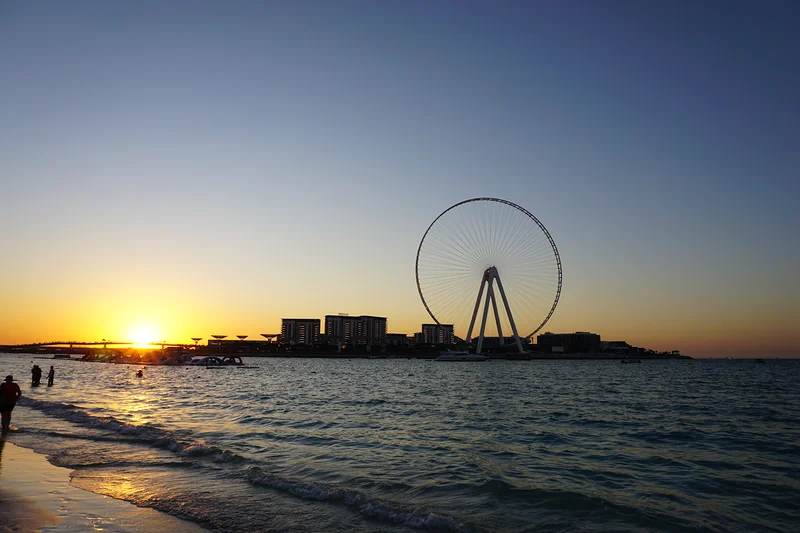
On the Palm Jumeirah, the palm-shaped artificial island, the Atlantis complex combines an oversized hotel with a water park. Admission is pricey, but the surrounding public beaches are free and well-maintained. The Ain Dubai, a 250-meter Ferris wheel on Bluewaters Island, offers an unbeatable view at sunset.
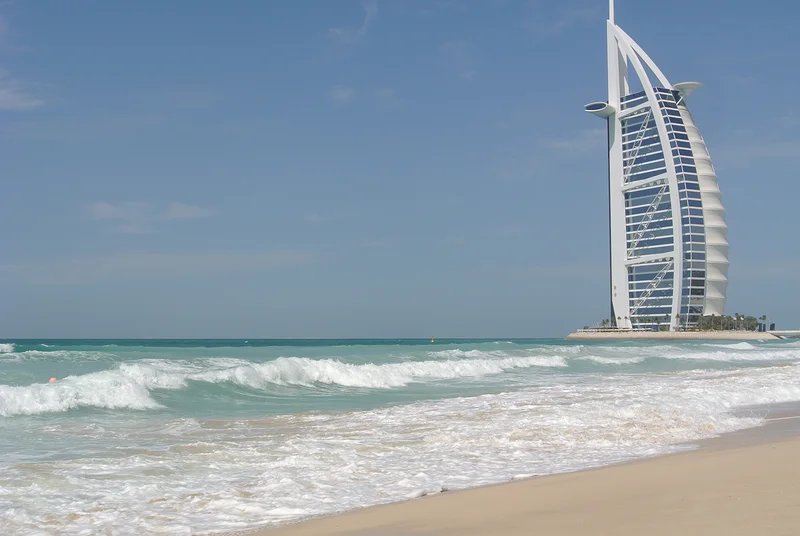
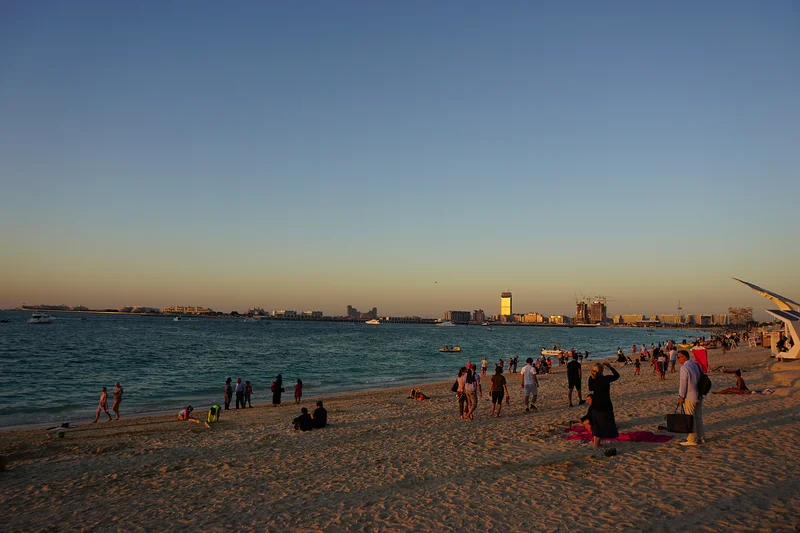
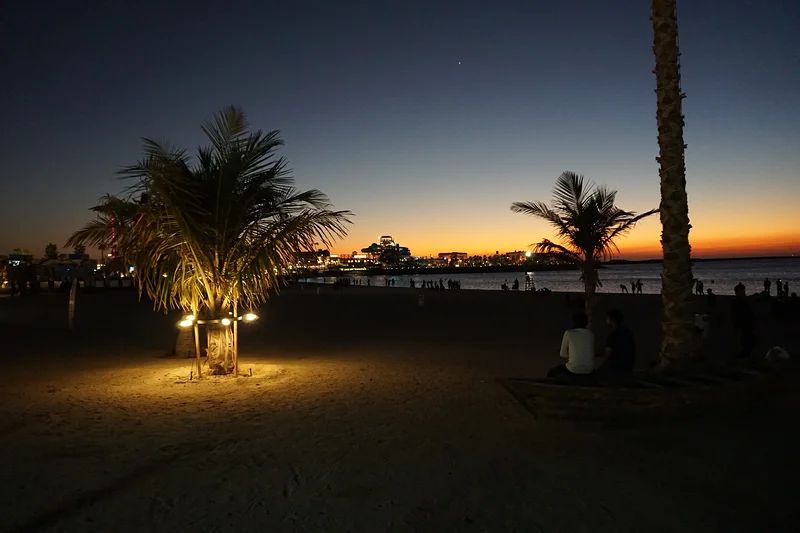
We say this bluntly at Avygeo: the most pleasant beaches are not the best known. Kite Beach, with its food trucks and sporty vibe, or the discreet Black Palace Beach facing the royal palace, offer a calm that five-star hotel beaches lack.
The desert and off-the-beaten-path experiences
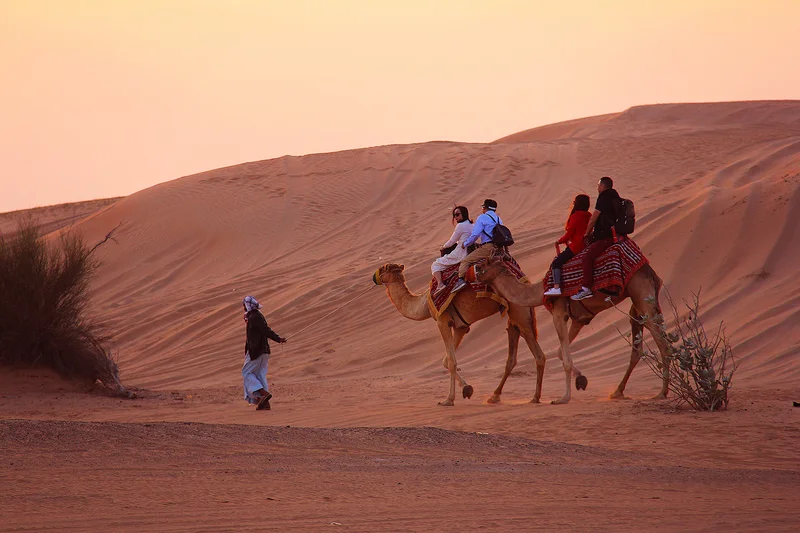
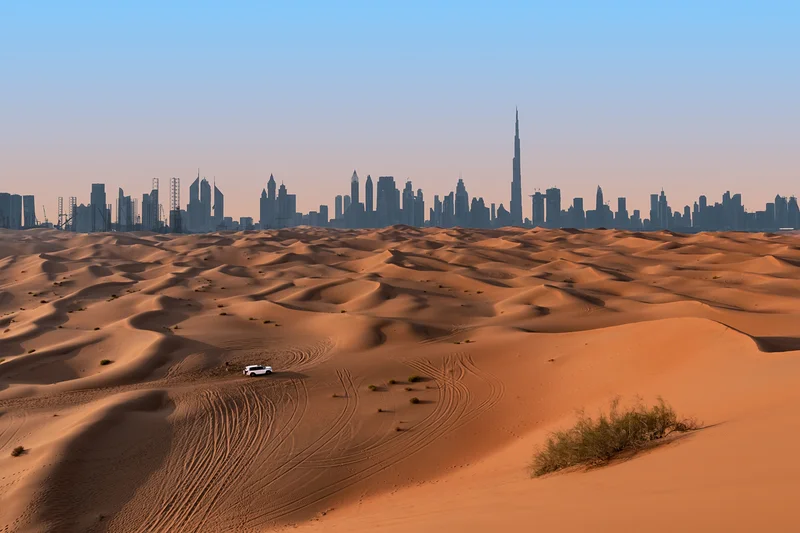
No trip is complete without an excursion into the dunes. 4x4 safaris at sunset, followed by a Bedouin dinner under the stars, are offered by dozens of agencies. Book locally in Deira rather than online, as prices are often 50 percent lower.
For a quieter experience, the mountain village of Hatta, a 90-minute drive away, offers hiking, kayaking on the dam lake, and nights in cabins. It is another side of the Emirates, far from the buildings, that few visitors take the time to discover.
Contemporary art has also found its place. The industrial Alserkal Avenue district in Al Quoz brings together galleries, design studios, and trendy cafes. Entry is free in most spaces. The Museum of the Future, a torus-shaped building covered in Arabic calligraphy, offers an immersion into the technologies of tomorrow for about $45*.
Where to eat and drink in Dubai?
The culinary scene reflects the 200 nationalities that populate the city. To taste Emirati cuisine, order machboos, rice perfumed with spices accompanied by meat or fish, or luqaimat, a date-syrup donut served for dessert. The Al Fanar restaurant is one of the few addresses serving traditional local cuisine.
The best deals are found in Satwa and Al Karama. The legendary Ravi Restaurant serves hearty Pakistani cuisine for less than $9*. The shawarma and falafel counters that line the streets of Deira are safe bets for under $4.50*. Alcohol is expensive, and a beer in a hotel bar easily costs $12 to $16*.
How to get to Dubai?
A flight from major international hubs is the standard way to arrive. Prices vary significantly by season and booking time. Emirates, the national carrier, provides several daily flights, but other major airlines and budget carriers also offer competitive connections.
Dubai International Airport is connected to the city center by the metro's red line in about 20 minutes. It is the most economical option to reach your hotel.
How to get around Dubai?
The metro is modern, air-conditioned, and very affordable. Buy a rechargeable Nol card for about 5 AED and travel at a reduced rate. The network covers the main axes from the Creek to the Marina. Buses and the tram complete the service. Be aware that the city is huge and some neighborhoods remain poorly connected.
Taxis are everywhere and relatively inexpensive. The daytime flag drop is about $1.50*, with a per-kilometer rate of about $0.57*. The Careem and Uber apps show fixed prices, often 10 to 20 percent cheaper.
Renting a car can be interesting for excursions out of the city, as fuel is among the cheapest in the world at around $0.90* per liter.
When to go?
The best period is from October to April, when temperatures stay between 75 and 86 degrees Fahrenheit. This is also peak season, with hotel prices at their highest. The Dubai Shopping Festival in January attracts crowds with massive discounts in all the malls. Absolutely avoid June, July, and August, as the heat often exceeds 113 degrees Fahrenheit and makes any outdoor activity unbearable.
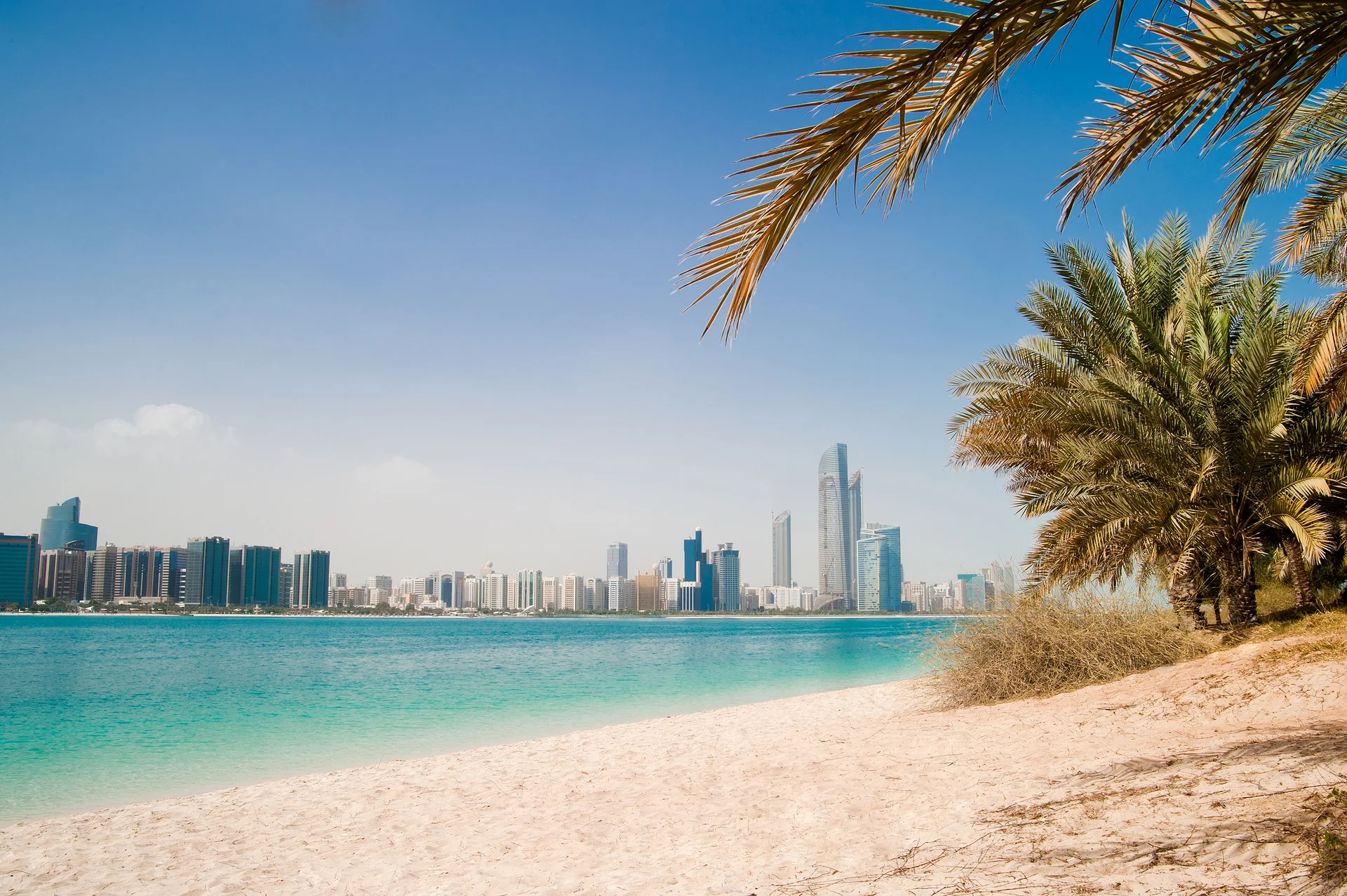
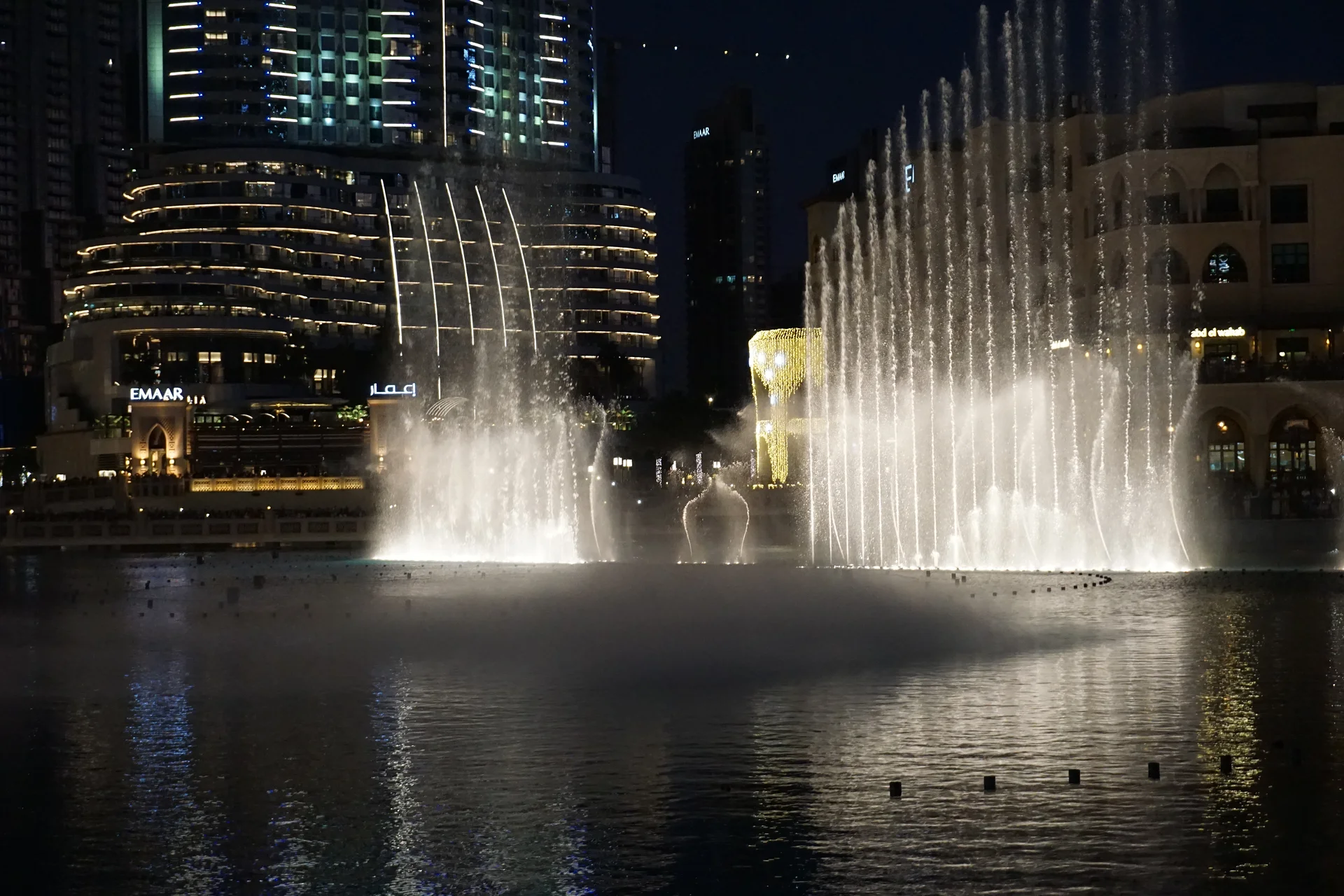
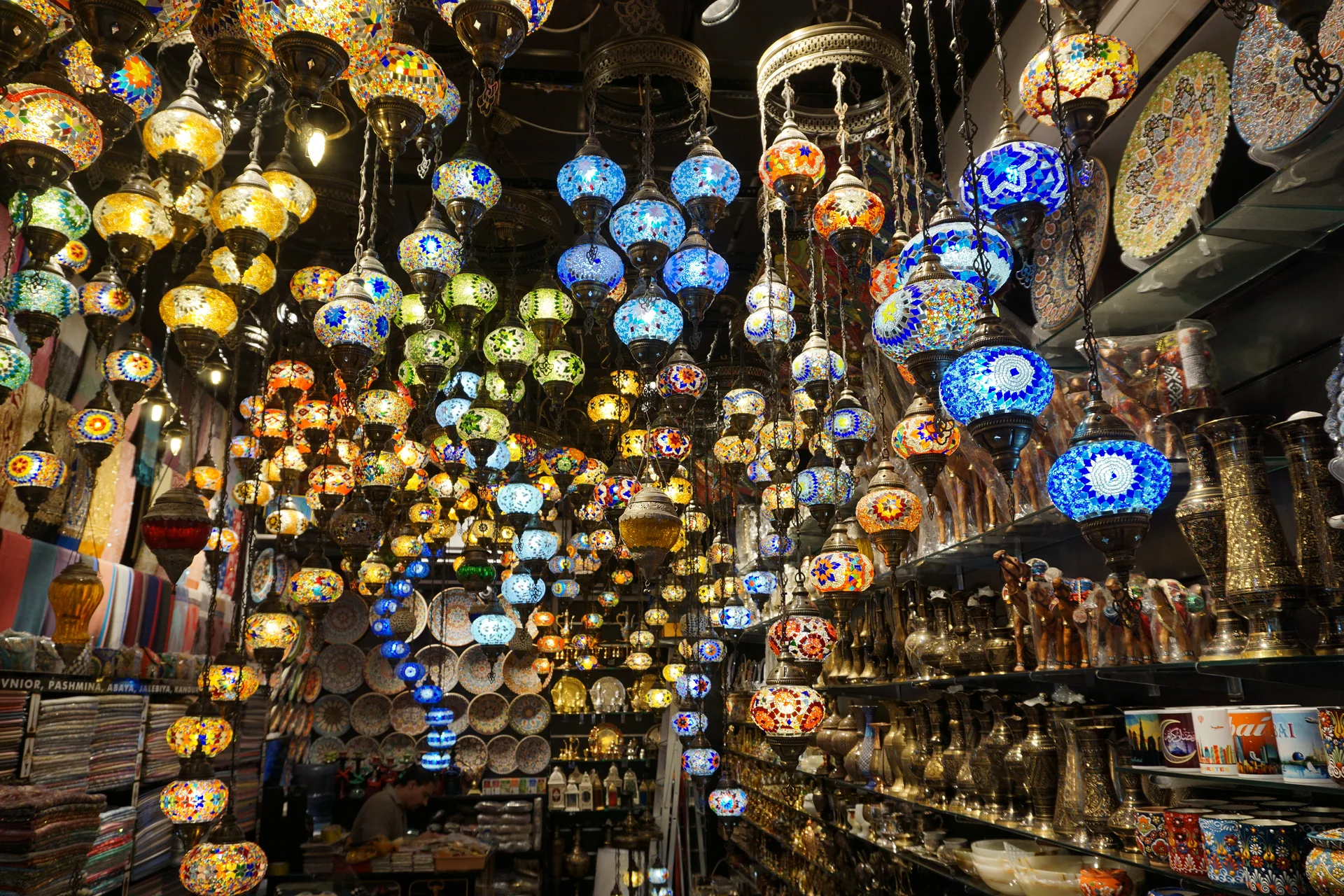
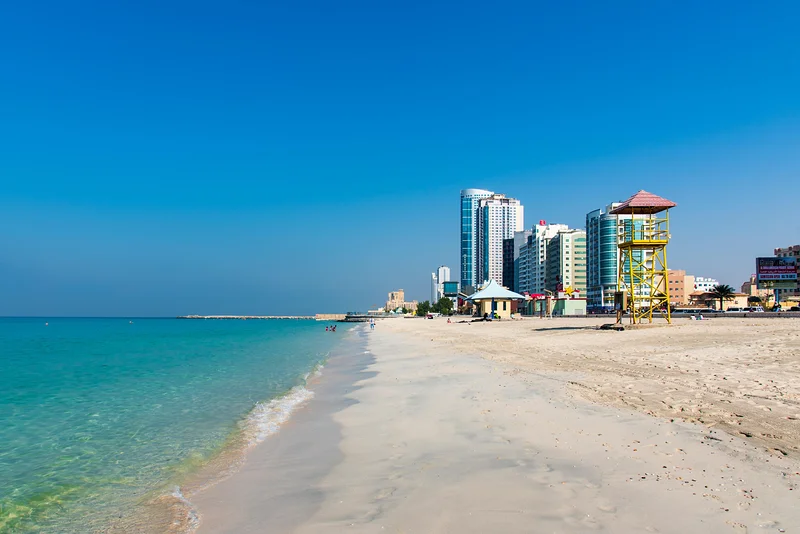
A city where the vacation vibe reigns all year long. Beaches, water parks, restaurants, fountain shows, and crazy, surprising architecture.