
Discovering Northern England Through 3 Stunning Natural Parks
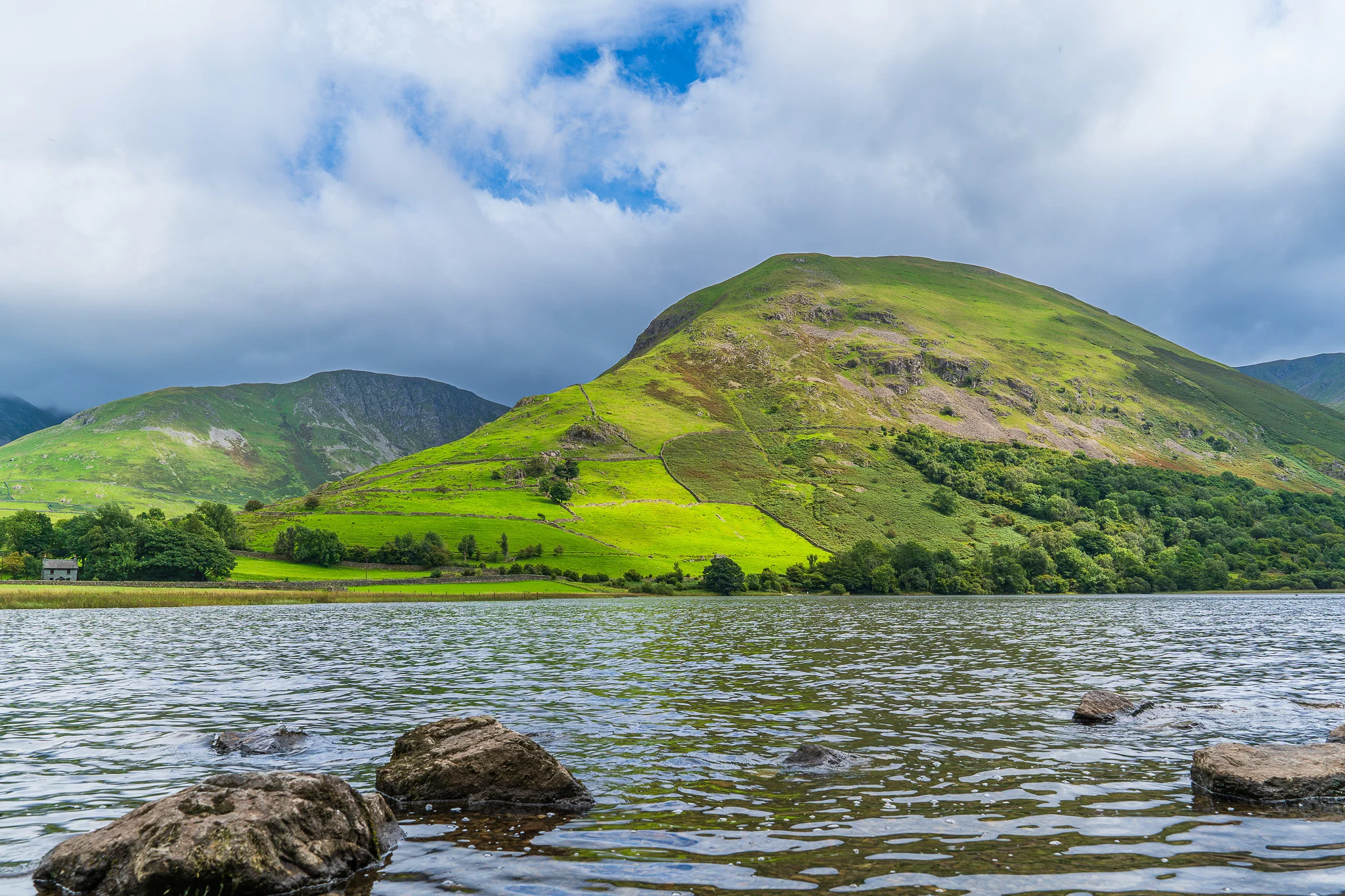
Still a little-known destination for many, Protecting nature and preserving the cultural heritage of the region concerned; Promoting these natural sites and encouraging the general public to understand and appreciate them. An ambitious agenda that we couldn't wait to see with our own eyes as we crossed Northern England, from The Our journey began in the city of From Once inside the park, the scenery changes drastically. The wooded outskirts around This Over on the North Sea side, a true legend of British culture awaits you, perched atop high cliffs and nestled like a cove all around the fishing port, splitting the town into two main districts: East Cliff and West Cliff. Back in the 18th century, Whitby was one of England's main whaling ports! It is also famous for being the training ground of the explorer James Cook, the first European to land on the Australian continent and the first navigator to sail all the way around Antarctica! Whitby is utterly charming for anyone who loves British Gothic architecture and bustling English docks: the latter are said to serve the best fish and chips in the United Kingdom , and having tasted them myself, that is no myth! Having evolved into one of England's premier seaside resorts, Whitby is packed with pubs, cafes, and shops, and it's a joy to wander through its old alleyways, which can get quite crowded in the summer. When the weather is nice, its vast fine sandy beach attracts brave swimmers as well as surfers, since Whitby is one of the UK's most popular surfing spots! Finally, you cannot mention Whitby without talking about its abbey, which stands majestically high up on the headland, its weathered arches seeming to watch over the town. Founded by William de Percy in 1078 after he freed the region from Viking rule, Whitby Abbey gradually fell into ruin following the Dissolution of the Monasteries ordered by Henry VIII in the 16th century. Still standing today, the abbey walls stand out against the typical English countryside landscape: to admire them up close, you'll need to climb the region's most famous 199 steps. Nuzzled up against old St Mary's Church and its gloomy graveyard, the buildings on the heights of Whitby inspired one of the greatest English novels of all time, Dracula by Bram Stoker, many scenes of which take place in the town. The Yorkshire Dales National Park certainly lives up to its name! Indeed, the "dales" are a collection of valleys formed during the Ice Age that stretch as far as the eye can see. A land of contrasts and pastoral charm blend together wonderfully in this iconic natural park in Northern England. Established in 1954, the Yorkshire Dales natural park is characterized by vast pasturelands where hundreds upon hundreds of Swaledale sheep graze, a British sheep breed known for the distinctive spiraled horns curling above their heads. The Yorkshire Dales quickly set the tone for your trip: you've truly arrived in a paradise for ewes, rams, and little lambs! The animals roam completely free, except when separated every now and then along the roadsides by charming dry-stone walls that create a lovely patchwork grid across the horizon, scenery that is truly characteristic of this region in Northern England. Beyond their postcard-perfect looks, the Yorkshire Dales are great for fantastic hikes, some of which can be quite demanding! To make the most of the panoramas offered by this rugged landscape, your best bet is to try climbing the park's three highest peaks located in its southern section: Whernside, Ingleborough, and Pen-y-ghent. A 24-mile route, that's nearly 40 km!, allows you to tackle them all in a single day. Another highlight of the Yorkshire Dales National Park is the Ribblehead Viaduct! Magnificently set amidst the moors with mountains in the background, this viaduct towers over the valley on massive stone arches. It's hard not to think of its more famous counterpart, the Glenfinnan Viaduct in Scotland, which also served as a backdrop for the Hogwarts Express. Harry Potter fans shouldn't miss Malham Cove either: standing 80 meters high and overlooking an amphitheater of rock, this limestone cliff was used as a filming location for the camping scenes in the wizard's seventh and final adventure, Harry Potter and the Deathly Hallows. The Yorkshire Dales are wonderfully diverse, featuring wilder panoramas of winding rivers flowing through fern-filled forests. One of the park's most impressive spots is located near the small village of Aysgarth: the Aysgarth Falls. These magnificent waterfalls truly seem to cascade down the slope, and you'll undoubtedly be struck by the sheer volume and force of the current. It's certainly the place we chose to go hiking in the heart of the Yorkshire Dales. The Aysgarth Falls are the ideal spot for a stroll, as numerous trails have been marked out all around the falls. Your best bet is to check in with the Visitor Centre right next to the waterfalls to pick up up-to-date hiking maps. We didn't bother, and we regretted it later as we managed to get lost in the middle of the fields pretty quickly! The hiking trails, or public footpaths, that wind around the Aysgarth Falls are a fantastic way to discover the national park because they alternate between different types of landscapes: you go straight from the waterfalls to paths through the woods, and then onto trails snaking through meadows and flocks of sheep! The Yorkshire Dales National Park is particularly accessible by public transport! Indeed, numerous train and bus lines cross the area, taking you to all the main sights in this part of northern England. Train lines depart from major cities like Leeds and pass by the Ribblehead Viaduct mentioned earlier. Designated a national park in 1951, the Lake District is one of the country's oldest protected natural areas, alongside the Peak District located south of Manchester. And for good reason! This extraordinary national park features 16 majestic lakes alternating with the country's highest mountains, creating breathtaking landscapes that have inspired more than a few. Spanning 2,280 km², the Lake District is England's largest natural park. If you're looking for a spot of wild, captivating beauty come rain or shine, this is surely the northern English natural park for you! A UNESCO World Heritage site since 2017, the area has inspired many English poets such as William Wordsworth and served as the home of the famous British children's author, Beatrix Potter. A true hiker's paradise, the Lake District boasts some high peaks such as Scafell Pike, England's highest mountain at 978 metres tall, as well as Helvellyn at 950 metres high, and Mount Skiddaw at 931 metres, which towers over the town of Keswick a bit further north. Sure, it's still a far cry from Mont Blanc, but this abundance of peaks paired with steep elevation changes is enough to impress even the most seasoned mountain lovers among you! One of the most picturesque parts of the park is found around the isolated village of Buttermere. To us, Buttermere lake is the prettiest lake in the Lake District, with its pine forests giving it a distinctly Canadian feel! To reach this part of the park, you'll need to head over the Honister Pass by bus or car, a narrow, particularly steep track that leads to the top of the pass, home to one of the last working slate mines in England. You can tour the slate mines, and the truly remote setting only adds to the secret, mysterious atmosphere that hangs over the Lake District. If the Lake District is such a hit with travelers, it's also thanks to the multitude of activities on offer, ranging from watersports, rock climbing, via ferrata, and caving to all the hustle and bustle in surrounding villages like Bowness-on-Windermere or Keswick! On the other hand, this is our main grievance with the Lake District: drawing close to 15 million tourists a year, mostly Brits, as we didn’t run into a single French person the whole time, the park is completely overrun by crowds during the summer. It’s tough to find a quiet spot to take in the vastness of the landscapes in silence, which is a real shame since everything sets the stage for a bit of peaceful meditation... There are quite a few absolute must-dos in the Lake District, including: Taking a boat cruise on Windermere Tackling a Via Ferrata course at Honister Slate Mine Going for a paragliding flight from the peaks of the Lake District Checking out the Castlerigg Stone Circle, a mini Stonehenge, a captivating stone circle dating back to 3000 BC! Enjoying the pubs and restaurants in the local villages, especially in Keswick, which is packed with little shops and places to eat While it's always more convenient to get around with your own vehicle, the Lake District is actually well-connected with an efficient bus network. Plus, you can get to Windermere by train from Manchester by taking the TransPennine Express. Finally, from London, a train runs straight to Oxenholme Lake District station, located just a stone's throw from the national park. Northern England has plenty more surprises in store for visitors! Between its gorgeous national parks and its welcoming, lively towns, we found the destination to be just right for a summer getaway. The weather spared us from any heatwaves here, and even though there are occasional rainy spells, the sun is never far away and always ends up making a comeback.
The North York Moors National Park: From Heather Moorland to the Legends of Whitby
York, the Gateway to the North York Moors

The Charming Villages of the North York Moors Natural Park

Whitby, the English fishing port of a thousand legends


The Yorkshire Dales National Park: between idyllic valleys and mountain peaks
The Dales: the lush valleys behind England's stunning scenery

5-kilometre walk along Aysgarth Falls

The Lake District: magnificent panoramas of lakes and mountains in northern England
Visiting the Lake District: a must-see spot in northern England


Outdoor and sports activities in the Lake District


Comments (2)