Guanajuato

Things to do in Mexico: 20 must-see attractions in 2026

Discover our members' favorite destinations in Mexico, plus reviews, practical info, and traveler photos...

The 5 most beautiful cities to visit in Mexico

Mexico City

#1 Mexico City +248

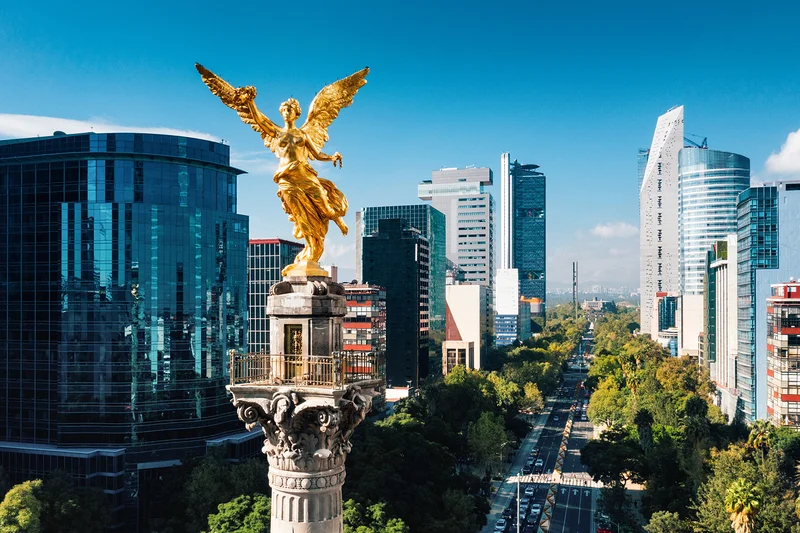
Mexico City is a megalopolis best experienced through your appetite. With 150 museums, distinct neighborhoods, and Aztec ruins buried beneath its streets, it offers far more than a typical Latin American stopover. From tacos al pastor for 20 MXN (about $1) to the flower-filled canals of Xochimilco, the capital delivers a sensory intensity that few cities can match, all at a surprisingly low cost.

Guadalajara

#2 Guadalajara +107

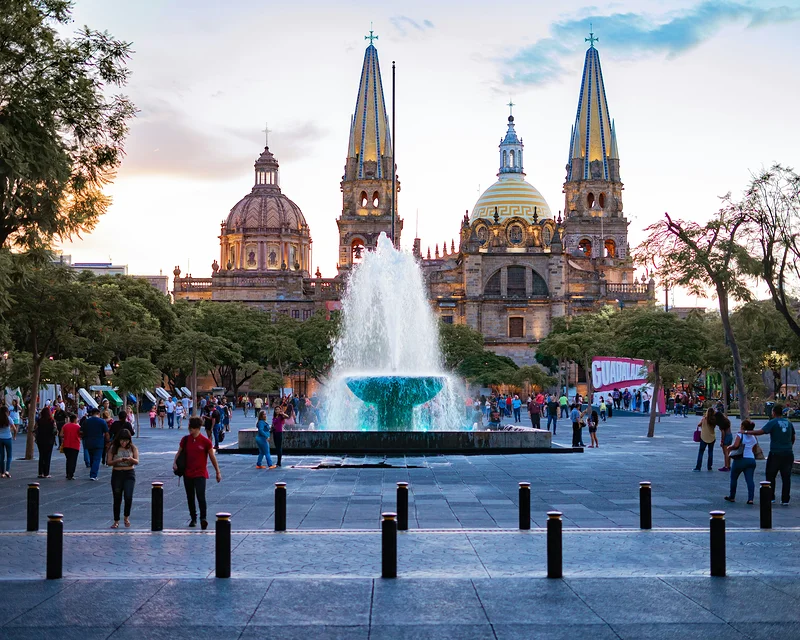
Guadalajara moves to the sound of mariachi and deep-rooted traditions. This authentic Jalisco city rewards curious travelers with monumental murals in baroque palaces, messy tortas ahogadas eaten with a spoon, and artisan districts where you can watch glassblowers at work. It feels less like a tourist trap than Cancún and more approachable than Mexico City, offering a direct window into the Mexican soul. Expect a city that keeps it real.

Oaxaca

#3 Oaxaca +78

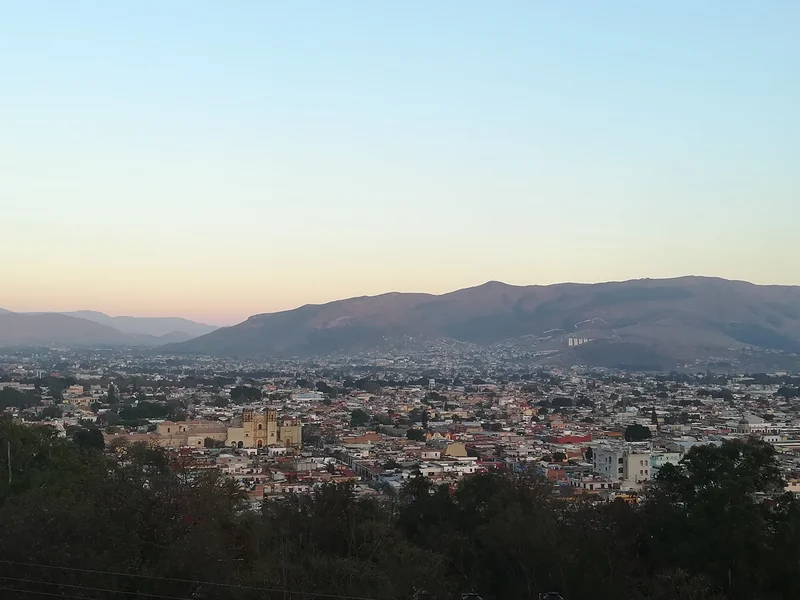
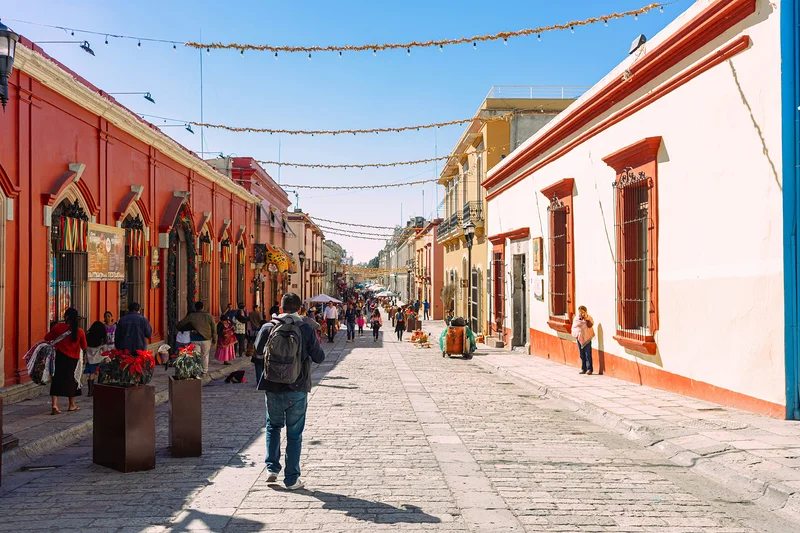
The scent of roasted cacao, the sizzle of grasshoppers on a metal comal, and the ocher and turquoise facades of the UNESCO-listed historic center define Oaxaca. This high-altitude valley is home to sixteen distinct indigenous cultures that keep traditions like black pottery, complex weaving, and small-batch mezcal production alive. Between the Zapotec pyramids at Monte Albán and the petrified waterfalls of Hierve el Agua, this mountain enclave offers a sensory experience that feels as deep and layered as the history of Mexico itself.

San Cristóbal de las Casas

#4 San Cristóbal de las Casas +72

At 7,000 feet above sea level, San Cristóbal de las Casas serves as the cultural hub of Chiapas. Spend your time wandering between artisan markets, colonial churches, and the Museo de los Altos, or use the city as a base for day trips to the El Chiflón waterfalls, the Lagunas de Montebello, and the remote, expansive Laguna Miramar.

San Miguel de Allende

#5 San Miguel de Allende +70

A local mason who had never left Mexico redesigned the city's main church based on a postcard of Cologne. This origin story sets the tone for a colonial town that feels slightly surreal. Cobblestone streets wind between ochre facades and bougainvillea, art galleries occupy former textile mills, and vineyards dot the hills of Guanajuato. San Miguel de Allende maintains a lifestyle that draws artists from around the world and American retirees looking for a slower pace.

Ranking of the 15 activities selected by our editors in Mexico

#1 National Museum of Anthropology (Mexico City) +21 4.7

The National Museum of Anthropology is the most iconic cultural site in Mexico City. It holds the world's largest collection of Mesoamerican artifacts. Most travelers visiting Mexico make this a top priority. A quick tour takes two to three hours, but history buffs can easily spend an entire day exploring these massive galleries.

See the guide See deals

#2 Chapultepec Castle (Mexico City) +19 5

If you are visiting Mexico City, do not miss the beautiful Chapultepec Castle. Located near the city center, it stands out for its architecture and history. Built in 1785, it served as a retreat for leaders, a military school, and an observatory. Since 1939, it has housed the Museo Nacional de Historia (National Museum of History), showcasing Mexico's past.

See the guide See deals-7%AVYGEO7

#3 Xel-Ha Park (Tulum) +17 5

Xel-Ha Park, located near Tulum, serves as a premier eco-tourism destination in Mexico. Known for its lagoon where sea and river waters converge, it offers snorkeling to view marine life. Visitors can float down the river on inner tubes, hike jungle trails, or lounge on beaches. With all-inclusive options, it guarantees a memorable day.

See the guide See deals-7%AVYGEO7

#4 Chichen Itza (Piste) +16 4.5

Chichen Itza, one of the 7 New Wonders of the World, is an iconic archaeological site on the Yucatan Peninsula in Mexico. A UNESCO World Heritage site, it features Mayan and Toltec ruins like the Kukulcan Pyramid, the Juego de Pelota (Ball Court), and the Cenote Sagrado (Sacred Cenote). Established in the 10th century, this former religious capital gained international attention in the 19th century. For an optimal visit, arrive early and hire a guide to explore its history.

See the guide See deals-7%AVYGEO7

#5 Zócalo (Mexico City) +16 4.7

The Zócalo, at the heart of Mexico City, is a vast historic square surrounded by iconic landmarks like the Metropolitan Cathedral and the National Palace, home to Diego Rivera murals. The Templo Mayor archaeological site preserves Aztec ruins from Tenochtitlan. It is a hub for cultural events, nearby markets, and local food.

#6 Tulum Ruins (Tulum) +16 5

Located on the eastern coast of the Yucatán Peninsula, Tulum is a former Maya city known for its position overlooking the Caribbean Sea. Established starting in the 13th century, it served as a major trade port and religious hub. Key structures include El Castillo, the Temple of the Frescoes, and the Temple of the Descending God. Arrive early to beat the heat and crowds, then head to the beach below for a swim.

See the guide See deals-7%AVYGEO7

#7 Soumaya Museum (Mexico City) +16 5

The Soumaya Museum in northern Mexico City is impossible to miss. Its facade features 16,000 aluminum tiles resembling reptile scales. This six-story building, funded by businessman Carlos Slim, honors his late wife. Explore over 64,000 pieces of Latin American art and rotating exhibits. Admission is free daily, a rarity for a collection this size.

See the guide See deals

#8 Monte Albán (Oaxaca) +15 4.7

Monte Albán is a major archaeological site in Oaxaca. Though potentially founded by the Olmec, it reached its peak under the Zapotec civilization between 200 and 600 AD. Perched at 1,941 meters, it offers sweeping views. Less crowded than Teotihuacan, it provides an intimate historical experience. Expect to spend 2.5 hours exploring.

See the guide See deals

#9 Teotihuacan (Teotihuacan) +15 4.3

A UNESCO World Heritage site, Teotihuacan is a massive ancient city in Mexico. Established around 200 B.C. and abandoned by the 7th century, it once held 200,000 residents. Explore the Pyramid of the Sun, Pyramid of the Moon, and Temple of Quetzalcoatl. Guided tours, night shows, and hot air balloon flights reveal this historic site.

See the guide See deals-7%AVYGEO7

#10 Azteca Stadium (Mexico City) +14 4.2

Azteca Stadium is the largest stadium in Mexico, a sports landmark with a capacity exceeding 87,000. Opened in 1966, it has hosted two World Cup finals. Guided tours take you through its history, from the locker rooms to the pitch. Watching a match here provides an electrifying atmosphere for any visitor in Mexico City.

See the guide See deals

#11 Guadalupe Church (San Cristóbal de las Casas) +14 5

Guadalupe Church, built in 1834 in San Cristóbal de las Casas, stands as a site of pilgrimage and architectural detail. Perched on a hill, it provides views of the city and surrounding mountains. Dedicated to the Virgin of Guadalupe, it draws pilgrims, especially on December 12. The climb features chapels and benches for resting.

#12 Sumidero Canyon National Park (Tuxtla Gutiérrez) +14 5

Sumidero Canyon National Park, near Tuxtla Gutiérrez in Mexico, features limestone cliffs rising 1,000 meters. Boat trips along the Grijalva River reveal natural rock formations, waterfalls, and wildlife like crocodiles and tropical birds. Multiple overlooks and hiking trails provide diverse perspectives of the canyon. It is a prime spot for nature and adventure seekers.

See the guide See deals

#13 Palenque (Palenque) +14 5

Find the heart of Mayan mythology in one place at Palenque, in the state of Chiapas, Mexico. This site features exceptional architecture and carvings, including sanctuaries, pyramids, palaces, and temples. The city sits within a Unesco World Heritage national park, where you can explore lush, dense jungle and local clearings.

#14 Hierve el Agua (Mitla) +14 5

Located 45 miles from the city of Oaxaca, Hierve el Agua is famous for its unique limestone formations that look like petrified waterfalls. Its natural pools, fed by turquoise mineral springs, offer a swim with panoramic views. Explore nearby hiking trails and local indigenous culture. It is a prime destination for nature lovers.

See the guide See deals

#15 Ik Kil Cenote (Piste) +13 5

Ik Kil Cenote, near Chichén Itzá in Mexico, is a popular spot for its natural setting. This open-air cenote, surrounded by lush vegetation, offers swimming and platform jumping. Expect crowds, but the site provides useful amenities like locker rooms. Visit early or late in the day to beat the rush for a better experience.

Visiting Mexico: Ancient Civilizations Meet the Caribbean

The smell of corn roasting over an open flame, the deep green of a cenote hidden in the jungle, a Maya pyramid rising above the tree canopy. Mexico hits hard. This country of 130 million people has more UNESCO World Heritage Sites than any other nation in Latin America, and the sheer range of what's here makes one trip feel like five different countries.

From the turquoise coastline of the Yucatán to the snow-capped volcanoes of the central highlands, from Spanish colonial cities to the indigenous villages of Chiapas, you won't cover it all in a single visit. Plan accordingly.

A Destination That Rewards Preparation

Mexico works well for travelers willing to do a little homework. Tourist-heavy zones like the Yucatán, Campeche, and the Riviera Maya are generally safe with standard precautions. Other states, including Guerrero, Sinaloa, and Michoacán, carry active US State Department travel advisories, and you should check those before finalizing any itinerary. Outside resort areas and major cities, English is rarely spoken, so a few phrases of Spanish go a long way.

Three weeks lets you combine Mexico City, Maya ruins, and beach time. Two weeks is enough to go deep into one region. A week in Cancún or Tulum gives you a taste, but not the full picture.

Budget: What to Expect

Backpacker mode with hostels and street food runs roughly 400 to 800 MXN per day (about $20-40). A comfortable mid-range budget of 1,200 to 2,400 MXN ($60-120) covers decent hotels, sit-down restaurants, and day tours. All-inclusive resorts on the Riviera Maya regularly run 4,000 MXN or more per night ($200+).

Pre-Columbian Sites That Stay With You

  • Chichén Itzá is the most visited Maya site in the country and one of the New Seven Wonders of the World. The Pyramid of Kukulcán is the centerpiece, and the crowds reflect that. Get there when it opens at 8 a.m. before the tour buses roll in from Cancún. Admission for foreign visitors runs about 600 pesos ($30).
  • Palenque is a completely different experience. This Maya city rises out of the Chiapas jungle with a quiet intensity that Chichén Itzá can't match. The temples and palace show a level of architectural refinement that's genuinely impressive. The site opens at 8 a.m., and the humidity makes an early start non-negotiable.
  • Teotihuacán, about an hour from Mexico City, predates both the Maya and Aztec civilizations. The Pyramids of the Sun and Moon anchor a ceremonial avenue stretching 2.5 kilometers. Buses leave from Mexico City's central bus station every 15 minutes for about 50 pesos ($2.50).

Insider tip: The site of Calakmul, deep in the Campeche jungle, offers a far more intimate experience than Chichén Itzá. The main pyramid tops out at 45 meters, and the view over the forest canopy is something else entirely. Budget a full day from Bacalar or Campeche to make it work.

Cenotes and Lagoons That Don't Look Real

The Yucatán has more than 6,000 cenotes, natural sinkholes filled with crystal-clear freshwater. Think of them as the region's version of Blue Hole diving, but accessible to anyone who can swim. Some have become crowded attractions; others are barely visited. Near Valladolid, cenotes Oxman, Suytun, and Ik Kil are easy to combine in a single day. Entry fees range from 100 to 250 pesos ($5-12) depending on the site.

Laguna Bacalar, nicknamed the Lake of Seven Colors, is a legitimate alternative to the overcrowded Riviera Maya beaches. The water shifts from pale turquoise to deep cobalt depending on depth. Bacalar draws mostly Mexican travelers and a smaller crowd of in-the-know visitors, and the pace is noticeably more relaxed than Tulum.

La Huasteca Potosina: Mexico's Best-Kept Secret

This region in north-central Mexico packs in waterfalls, turquoise rivers, and some genuinely surreal scenery. The Tamul waterfall, at 105 meters, is reached by dugout canoe along the river. Xilitla is home to the Edward James Sculpture Garden, a labyrinth of concrete surrealist structures built in the middle of the jungle by a British eccentric. Foreign tourists are rare here, and prices stay low across the board.

Colonial Cities Worth Slowing Down For

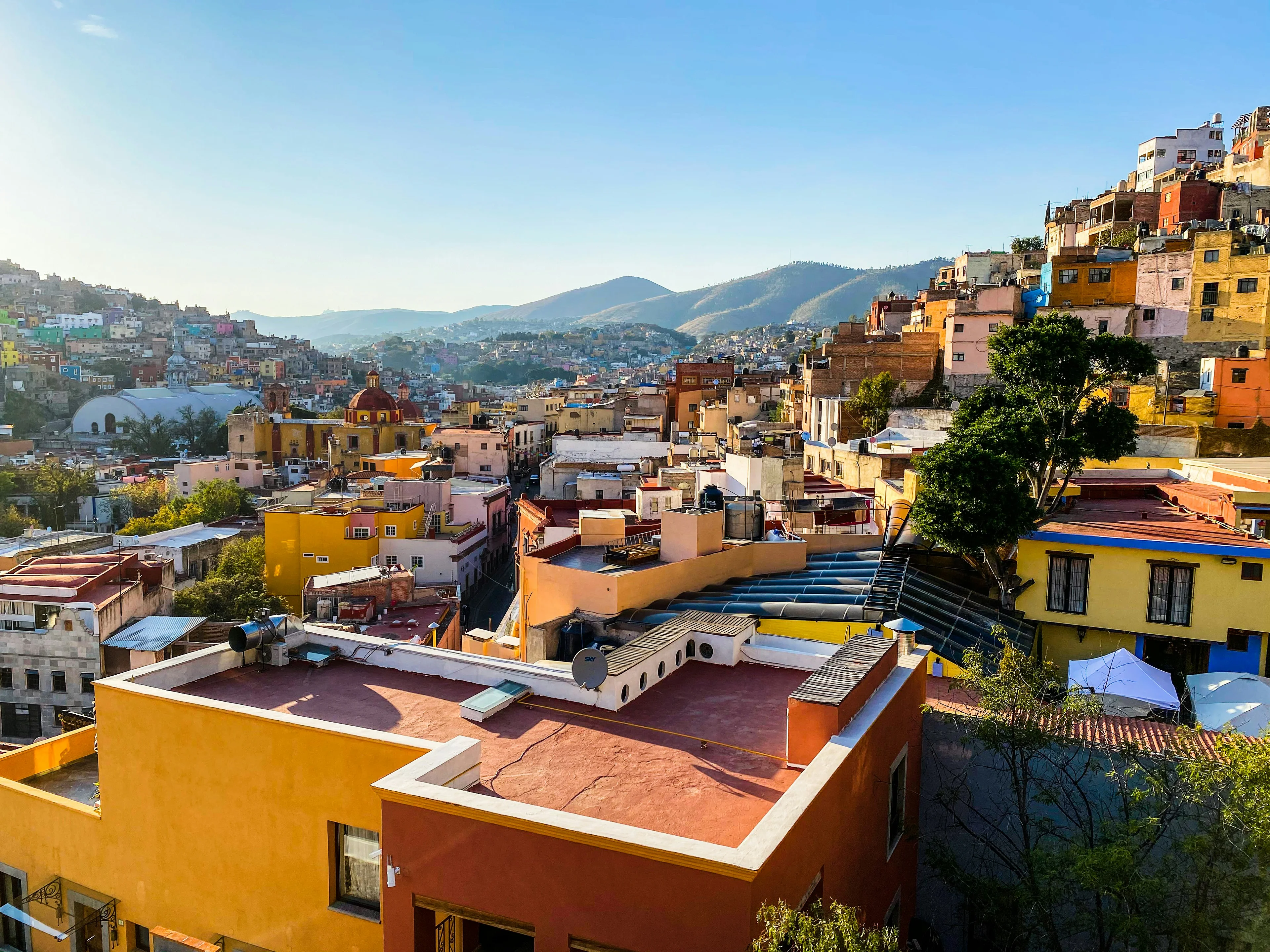
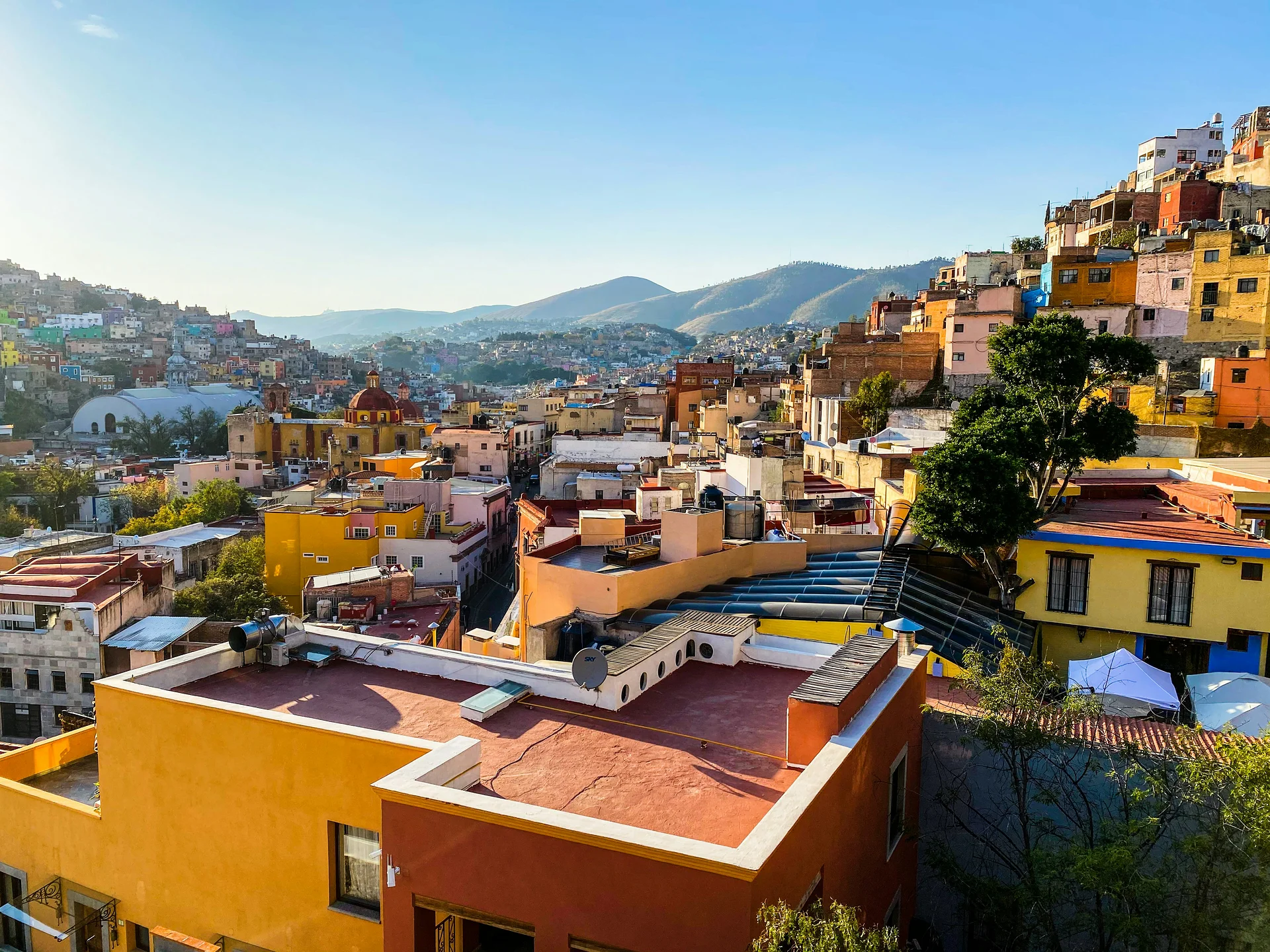
  • Guanajuato spills across a narrow valley in a tangle of colorful alleyways. The city's underground tunnels, built on old dried-up riverbeds, now serve as the main traffic routes. The famous nighttime callejoneadas, where roving musicians lead crowds through the streets, are a genuine local tradition worth catching.
  • Oaxaca has a slower pace that's easy to settle into. The markets overflow with Zapotec crafts, and the mezcalerias, bars specializing in artisanal mezcal made from agave, stock dozens of varieties that put standard tequila to shame. The archaeological site of Monte Albán, 20 minutes from the city center, overlooks the entire valley.
  • San Cristóbal de las Casas, at 7,200 feet elevation in Chiapas, blends Spanish colonial architecture with living Tzotzil and Tzeltal indigenous cultures. The nearby villages of Zinacantán and San Juan Chamula maintain syncretic religious traditions unlike anything else in Mexico.

The Caribbean Coast

Playa del Carmen centers on its pedestrian Quinta Avenida, lined with restaurants and shops. Tulum pulls a trendy crowd with its beach clubs and cliff-top Maya ruins overlooking the sea, though prices have jumped sharply in recent years.

To get away from the crowds, consider Holbox, a car-free island off the northern tip of the Yucatán, or El Cuyo, a small fishing village that hasn't been discovered yet. The Pacific coast has its own appeal: Puerto Escondido for serious surf, Mazunte for quiet.

Insider tip: Mahahual, near the Belize border, has Caribbean-quality beaches without the Tulum scene. The village stays calm on most days; it only gets busy when cruise ships are in port.

Mexican Food: Way Beyond Tacos

Tacos vary dramatically by region. In Mexico City, tacos al pastor are shaved from a vertical spit, a technique brought by Lebanese immigrants in the early 20th century. In the Yucatán, tacos de cochinita pibil feature slow-cooked pork marinated in citrus and achiote paste. A street-stand order of three tacos runs 30 to 60 pesos ($1.50-3).

Oaxaca is the center of mole, the complex sauce built from cacao, dried chilies, and dozens of spices that can take days to prepare properly. Artisanal mezcal has largely replaced tequila among serious drinkers here. On both coasts, ceviche made with fresh fish and seafood is a market staple, available for a few dozen pesos a plate.

When to Go

The dry season from November through April is the best window for most of the country. The Riviera Maya and Yucatán are ideal from November to March, before the heat peaks and before hurricane season, which runs June through October. At higher elevations in central Mexico, nights get genuinely cold from December through February.

Día de los Muertos on November 1st and 2nd transforms the entire country. The most striking celebrations happen in Pátzcuaro and on the island of Janitzio in Michoacán. Book accommodations months in advance for this period.

Getting to Mexico

From most major US hubs, you can reach Mexico City or Cancún in roughly 3 to 5 hours on a direct flight. Airlines including United, American, Delta, and Aeroméxico operate frequent nonstop routes. Fares vary widely by season, but booking 6 to 8 weeks out typically gets you reasonable prices.

US citizens do not need a visa for tourist stays. You'll fill out a Forma Migratoria Múltiple (FMM) on arrival, either on paper or digitally, depending on your entry point. Hold onto it. You'll need to surrender it when you leave, and losing it means a fine of around 600 pesos ($30) at the border.

Getting Around

Long-distance bus lines ADO and ETN connect the major cities in comfort. The Cancún-to-Mérida run takes about 4 hours and costs around 400 pesos ($20). Domestic flights on budget carriers Volaris or Viva Aerobus get you from Mexico City to Cancún in 2 hours for roughly 1,000 to 3,000 pesos ($50-150) depending on how far in advance you book.

Renting a car makes real sense in the Yucatán, where the ruins, cenotes, and coastal towns are spread out. Budget around 600 to 1,000 MXN per day ($30-50) for a basic vehicle. Avoid driving after dark. In cities, Uber works reliably and saves you the hassle of negotiating fares with taxi drivers.
Find the best deals to travel to Mexico

Hotels and stays Flights Car rentals Custom trips

Top photos posted by members

Guanajuato
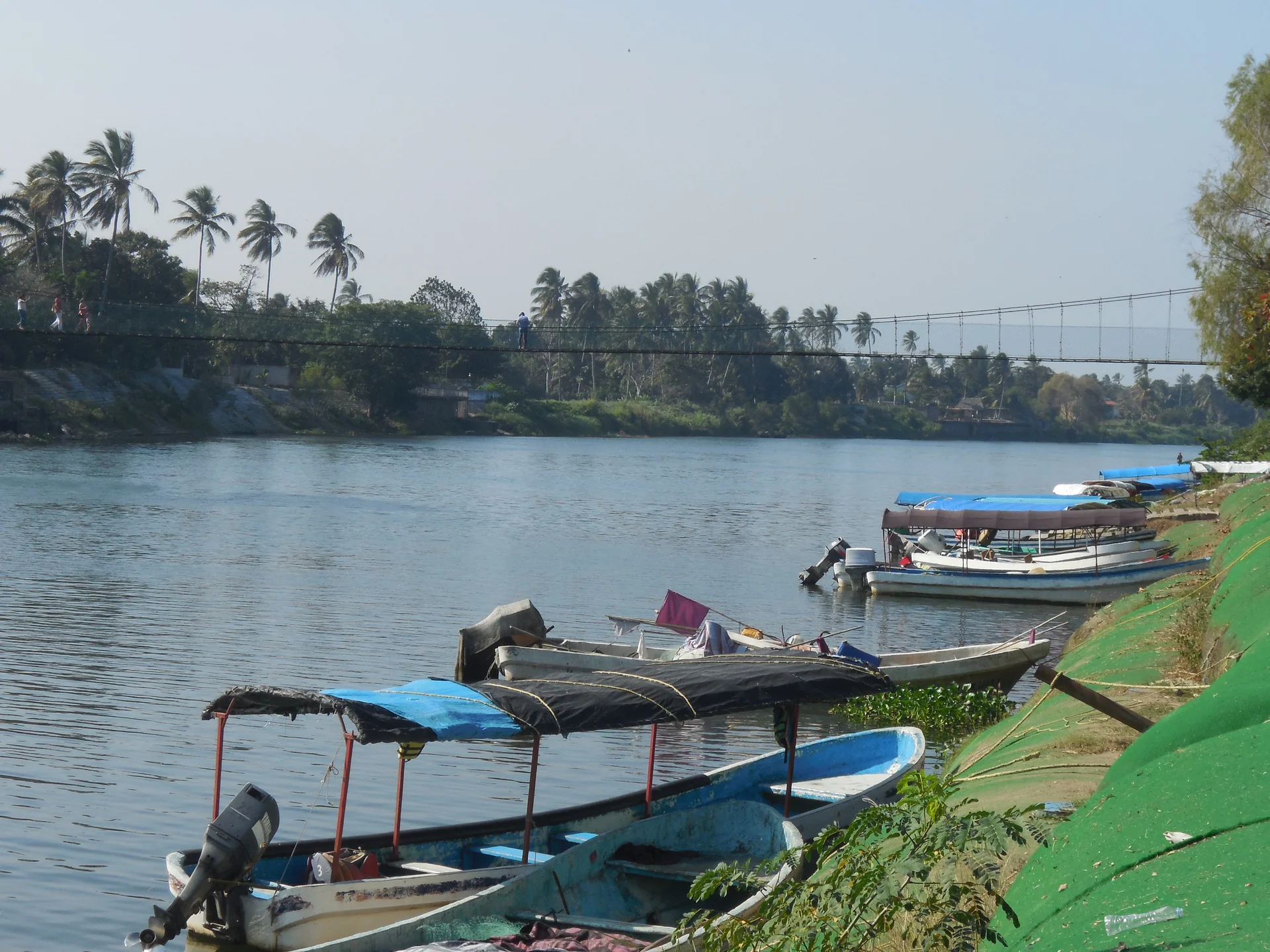
Le pont suspendu sur le fleuve Antigua
La maison de Cortés