Grand canyon
  1. Top destinations
  2. Americas
  3. United States

Things to do in United States: 20 must-see attractions in 2026

Discover our members' favorite destinations in United States, plus reviews, practical info, and traveler photos...

The 5 most beautiful cities to visit in United States

New York

#1 New York +267

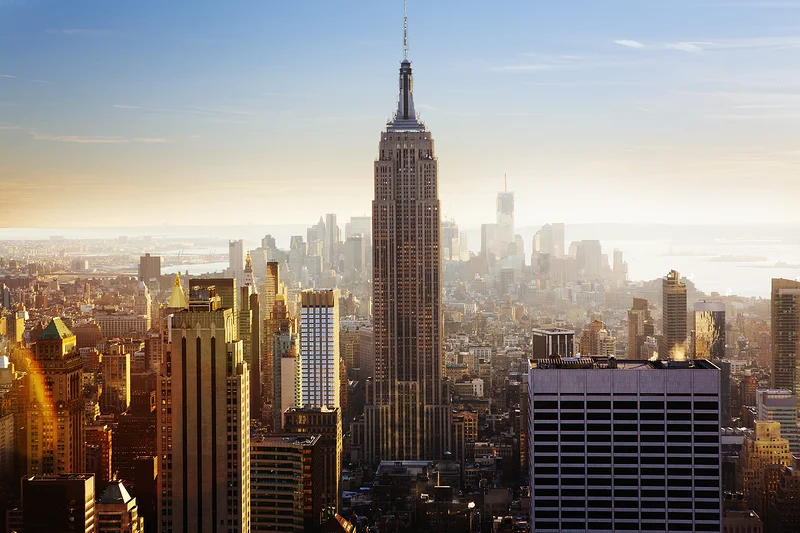
New York is the ultimate American urban experience, defined by towering skyscrapers, major museums, and a food scene that spans every corner of the globe. From Manhattan to Brooklyn and the Queens waterfront, each borough has its own distinct character. Expect to spend at least $250 a day and do plenty of walking, but the city's relentless pace makes it worth the effort.

San Francisco

#2 San Francisco +129

Between steep hills, rattling cable cars, and the fog playing hide-and-seek with the Golden Gate Bridge, San Francisco unfolds as a patchwork of distinct neighborhoods. You will find mural-covered alleys, vocal sea lions at the wharf, and expansive bay views around every bend. It is a city defined by its history and cultural independence, where the creative energy is as sharp as the incline of its streets.

Los Angeles

#3 Los Angeles +86

Los Angeles is a sprawling megalopolis where Hollywood meets the Pacific, defined by its intense contrasts. You will find everything from the glamour of Beverly Hills to the creative energy of Venice Beach and an inescapable cinematic history that is best explored with a rental car. The local food scene is as diverse as the city neighborhoods, featuring authentic Mexican tacos, oversized burgers, and California-style sushi. Expect sunshine almost year-round.

Chicago

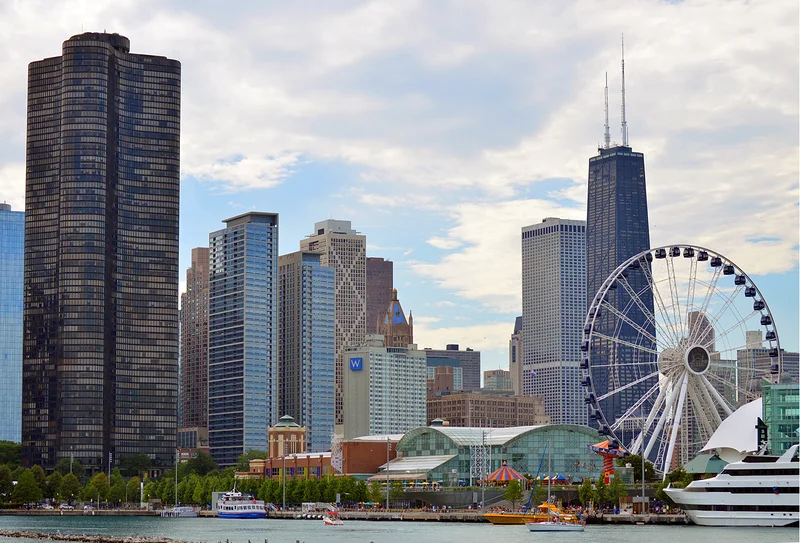
#4 Chicago +35

Known as the Windy City, the third-largest city in the United States sets itself apart with innovative architecture, the skyscrapers of the Loop, and a significant cultural legacy. Explore local museums, Millennium Park, and take in the skyline from the Willis Tower. Between urban beaches, signature deep-dish pizza, and year-round arts programming, Chicago delivers a complete experience that balances modern grit with deep history.

Page

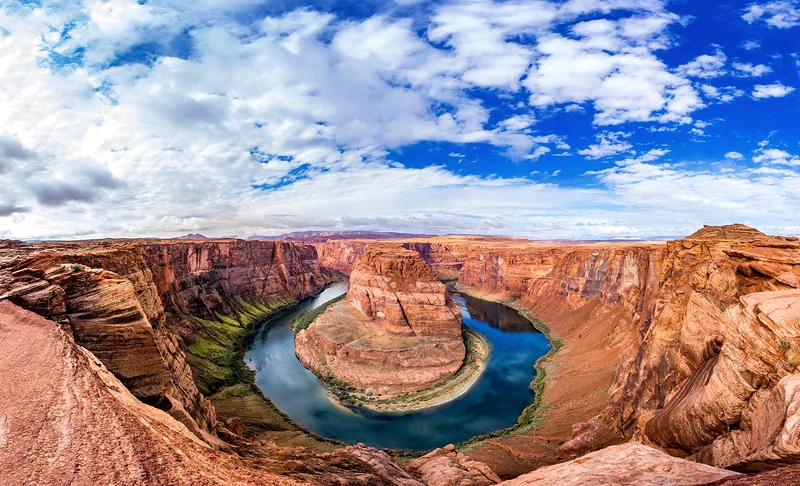
#5 Page +34

Page is a necessary stop in northern Arizona, serving as the gateway to some of the American Southwest's most iconic geology. You can explore the narrow, light-filled corridors of Antelope Canyon, stand over the sheer drop of Horseshoe Bend, or boat across the expansive waters of Lake Powell. It is a high-desert hub for photographers and hikers looking to navigate the region's signature red rock formations.

Ranking of the 15 activities selected by our editors in United States

#1 Metropolitan Museum of Art (New York) +28 4.6

As the largest art museum in the United States, the Metropolitan Museum of Art displays more than two million works spanning 5,000 years of history. From a full-scale Egyptian temple and Impressionist paintings to medieval armor and American period rooms, every gallery holds a surprise. Your ticket also includes access to the Met Cloisters, a collection of European medieval cloisters set in a park overlooking the Hudson River.

See the guide See deals-7%AVYGEO7

#2 Museum of Modern Art (New York) +24 4.8

The Museum of Modern Art, known to locals as MoMA, stands as a premier authority on modern and contemporary art. Explore an extensive collection of paintings, sculptures, photography, film, and design. Highlights include Picasso's Les Demoiselles d'Avignon, Van Gogh's The Starry Night, and Warhol's Campbell's Soup Cans. The museum hosts rotating exhibitions and film screenings throughout the year.

See the guide See deals-7%AVYGEO7

#3 Central Park (New York) +23 5

You have seen Central Park in countless movies and television shows. This iconic urban green space sees 37 million visitors annually. Established in the mid-19th century, it serves as the primary outdoor escape for New York. Whether you want to cycle, ice skate, rent a rowboat, or visit the nation's first zoo, this 840-acre landscape offers endless activity.

See the guide See deals

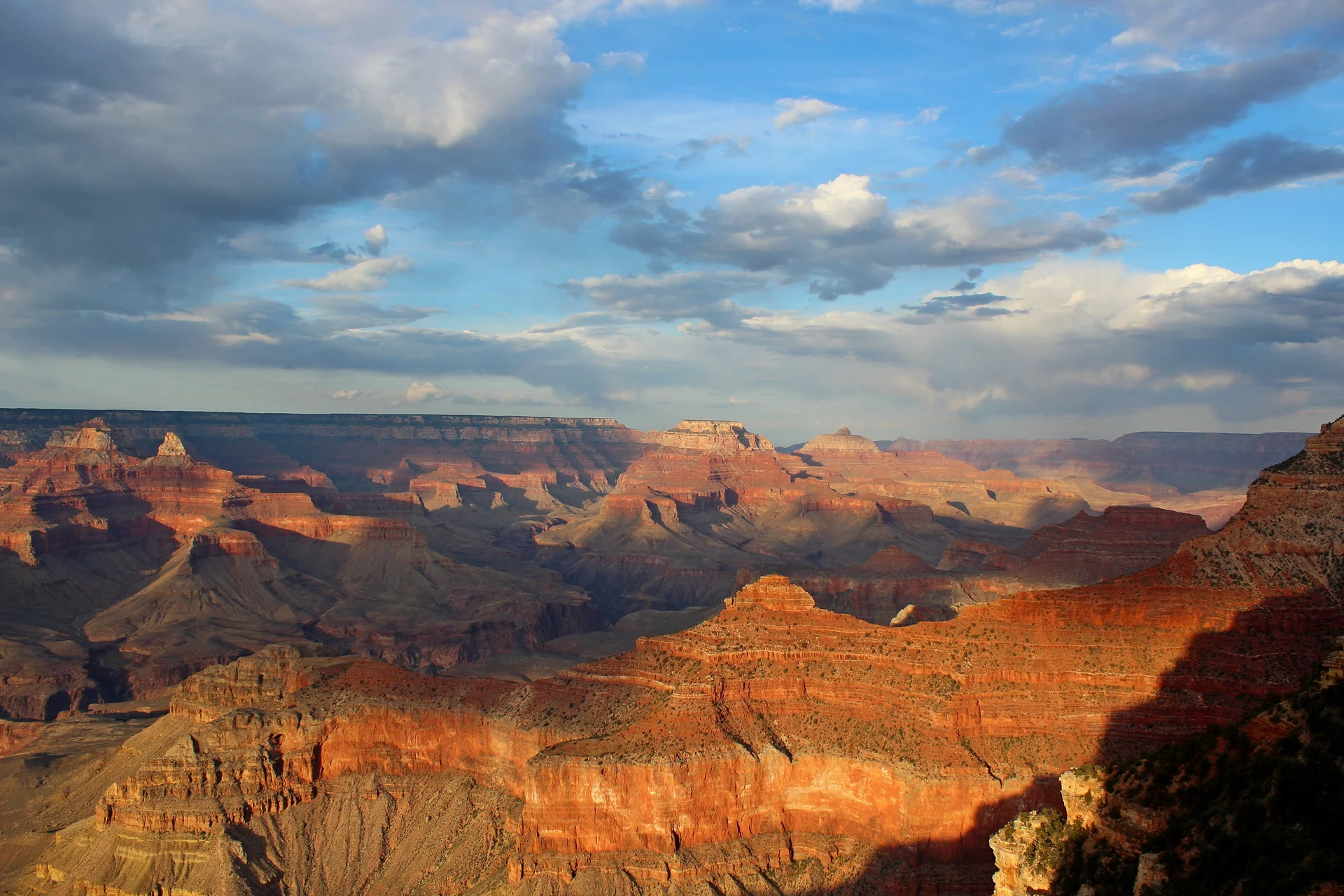
#4 Grand Canyon National Park (Grand Canyon Village) +21 4.8

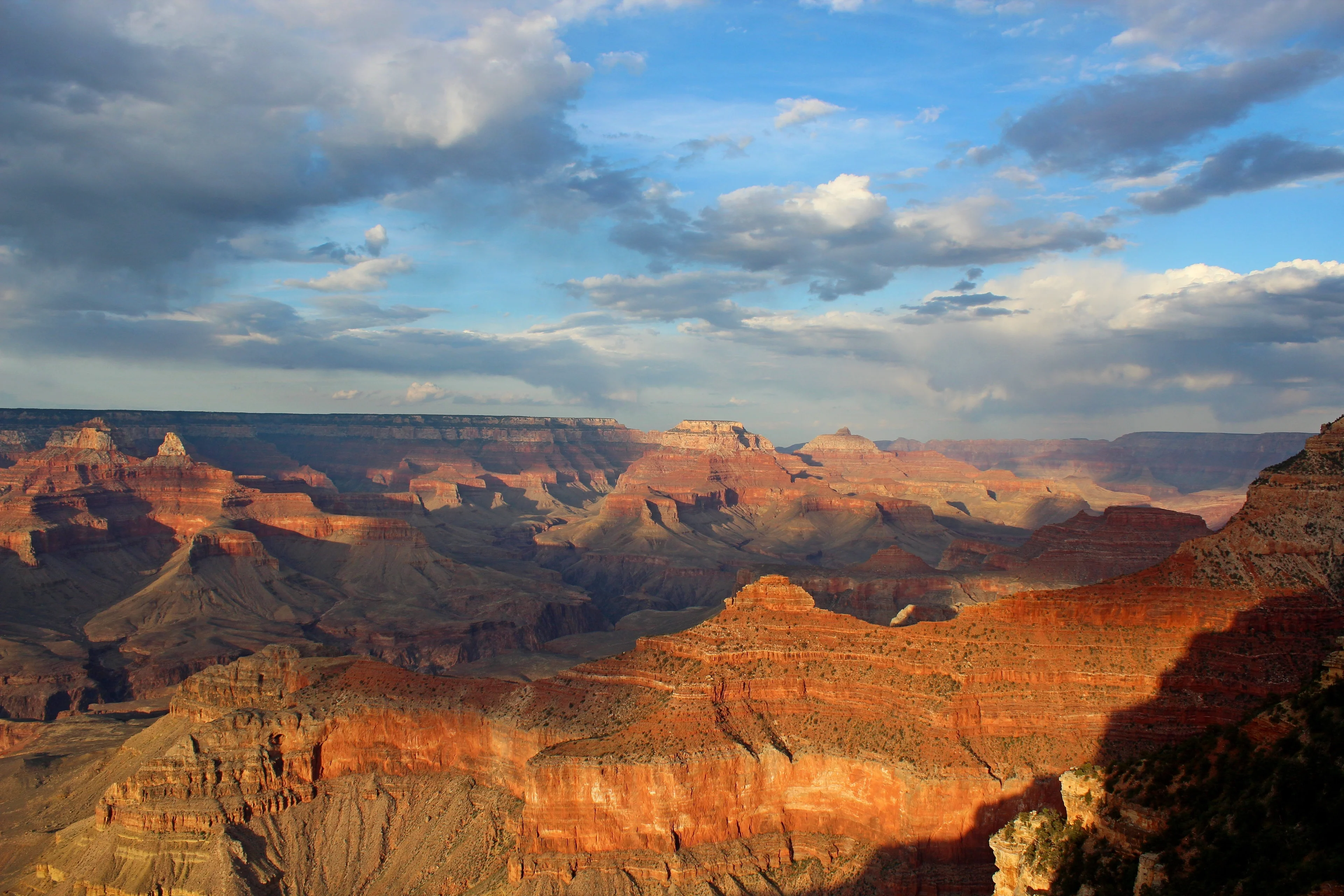
Grand Canyon National Park, established in 1919 and a UNESCO World Heritage site, spans 1.2 million acres and draws 6 million annual visitors. Carved by the Colorado River, the canyon reaches 277 miles in length and 6,000 feet in depth. Explore the popular South Rim or the rugged North Rim using the park shuttle system.

See the guide See deals

#5 Golden Gate Bridge (San Francisco) +19 4.7

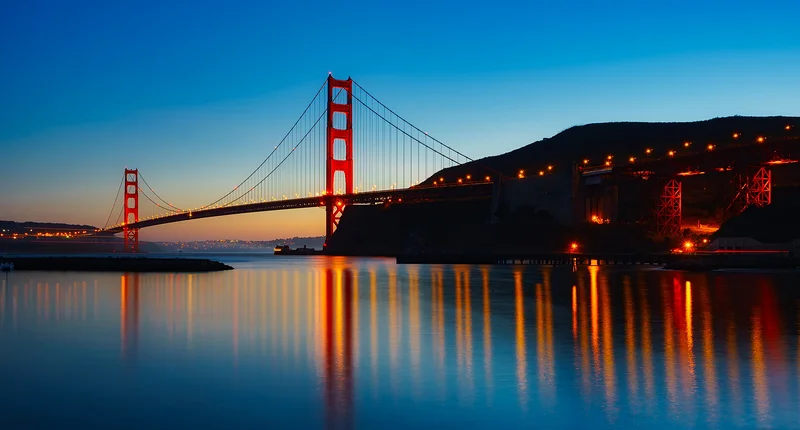
Located in San Francisco, California, in the United States, the Golden Gate Bridge is arguably the most recognizable and beloved bridge in the country. Serving as the city's icon and a defining image of the American West, its massive twin pylons and orange-vermilion color make it a standard stop for any first-time visitor.

Literally the bridge of the golden gate, it takes its name from the strait it crosses, named by Captain John Fremont as a nod to the Golden Horn, the waterway in Istanbul.

The Golden Gate Bridge spans the Pacific Ocean, linking the northern peninsula to the south. Built by Joseph Strauss and Irwin Morrow starting in 1933, it held the title of the longest suspension bridge in the world for nearly 30 years at 2,720 meters. It carries six lanes of traffic, and you can cross it by car, bicycle, or on foot.

The construction was a massive undertaking. It involved complex underwater work, a temporary 300-meter pier, and foundations set 13 meters below the surface. All of this took place in a hostile environment characterized by high winds, salt-water corrosion, and seismic risks. As a feat of engineering, it has a reputation for being five times more robust than other structures. Dozens of technicians monitor its maintenance daily, and 40 million vehicles cross it every year.

Frequently appearing in pop culture, you will spot it in iconic films like James Bond, Star Trek, Indiana Jones, and X-Men. Tragically, the bridge has been a site for suicides, averaging about twenty per year. To address this, the city voted to install safety nets, which were put in place starting in 2019.

When evening arrives, the bridge lights up, creating a striking visual. There are several spots to view it. The most popular are Hawk Hill, Baker Beach, and Battery Spencer. You can also board a cruise to get a closer look. The Blue and Gold Fleet is included in the San Francisco City Pass.

See the guide See deals

#6 Yosemite National Park (Mariposa) +18 4.6

Yosemite National Park, in California, features dramatic landscapes, soaring waterfalls, and abundant wildlife. Established in 1890, the park covers nearly 3,000 square kilometers. Key highlights include the valley with its iconic rock formations, famous waterfalls, and Mariposa Grove, home to giant sequoias. Visitors enjoy hiking, climbing, camping, and wildlife viewing in the Sierra Nevada.

See the guide See deals

#7 Chrysler Building (New York) +17 4

The Chrysler Building is a famous skyscraper in Manhattan. Completed in 1930 and standing 319 meters tall, it held the title of the world's tallest building at the time. Its Art Deco facade features steel, silver, and enamel detailing. This icon remains one of New York's most recognizable landmarks today.

#8 Zion National Park (Mount Carmel) +16 4.7

Zion National Park, in Utah, is a haven for nature lovers, offering vast panoramas and varied hikes. Explore iconic trails like Angels Landing and The Narrows, while spotting wildlife against a backdrop of red canyons and cliffs. Beyond hiking, try rock climbing or camping in this landmark of the American West.

#9 Hollywood Walk of Fame (Los Angeles) +15 3.7

The Hollywood Walk of Fame is a signature Los Angeles landmark lining the sidewalks of Hollywood Boulevard and Vine Street. It honors over 2,700 icons of film, television, music, radio, and theater with terrazzo and brass stars. This open-air archive of entertainment history lets you hunt for your idols, fictional characters, or catch public induction ceremonies.

See the guide See deals

#10 Painted Ladies (San Francisco) +15 4.7

The Painted Ladies are a definitive symbol of San Francisco. This row of colorful Victorian homes lines the edge of Alamo Square. Famous for their Queen Anne architecture and pastel tones, they offer a sharp visual contrast to the downtown skyscrapers. Catch them during the late afternoon light for the best photos.

See the guide See deals

#11 Pier 39 (San Francisco) +15 5

More than just a pier, Pier 39 is the focal point of Fisherman's Wharf. This open air entertainment hub is famous for clear views of Alcatraz, countless shops and restaurants, and its resident colony of noisy, charming sea lions. With an aquarium, historic carousel, and street performers, it is a lively, family friendly stop in San Francisco.

See the guide See deals

#12 Griffith Observatory (Los Angeles) +15 3.3

The Griffith Observatory is a staple of Los Angeles, perched high in the Hollywood Hills. Opened in 1935 through the vision of Griffith J. Griffith, this Art Deco landmark designed by John C. Austin and Frederick M. Ashley has served as a hub for astronomical education for nearly nine decades.

Today, visitors explore interactive exhibits, attend shows at the Samuel Oschin Planetarium, and view the night sky through the Zeiss telescope. Beyond its scientific mission, the facility provides iconic vistas of Los Angeles, drawing stargazers and sightseers alike to its sweeping city panoramas.

See the guide See deals

#13 Monument Valley (Kayenta) +15 4.7

Monument Valley is the definitive Western landscape. Expect red earth baked by a searing sun and vast horizons punctuated by rock formations named by the Navajo people. Entering the park feels like riding through the sets of Easy Rider or Once Upon a Time in the West. This 143-square-mile expanse sits at an average elevation of 5,400 feet.

See the guide See deals

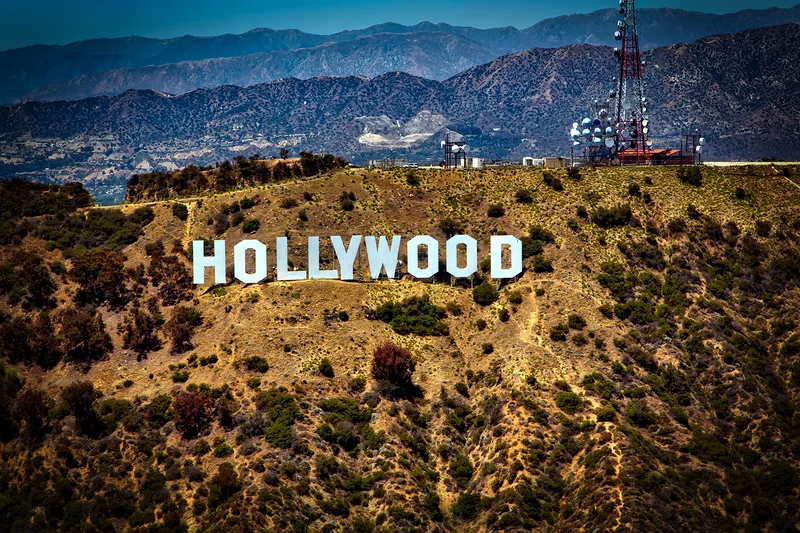
#14 Hollywood Sign (Los Angeles) +15 4

The Hollywood Sign, perched on the hills of Los Angeles, is more than a sign. It is a global icon and the universal symbol of the film industry and the California dream. Originally a real estate ad from 1923, it is now legendary. Viewpoints like the Griffith Observatory or Runyon Canyon Park offer clear panoramas of its giant letters.

#15 Times Square (New York) +14 4

Located in the Manhattan borough of New York, Times Square is the most high-energy spot in the Big Apple. It draws over 350,000 visitors daily. Bisected by Broadway and its Theater District, it serves as a hub for retail and live performance. This massive pedestrian zone feels like a pulse of activity within the urban landscape, operating around the clock. With its towering skyscrapers and giant digital billboards, Times Square is the definitive symbol of the city that never sleeps and a standard stop for any first-time visitor to New York.

Often called the Crossroads of the World, the square takes its name from the New York Times, which moved its headquarters here in 1904. Once known for a grittier nightlife, it has evolved into a permanent entertainment zone filled with massive video screens, street performers, and portrait artists. This sensory experience is backed by the presence of major flagship stores like M&M's World, Nintendo NY, Disney Store, Midtown Comics, and others. As a primary tourist destination, you will find a concentration of American apparel brands here alongside a dense array of bars and restaurants.

When evening hits, the theaters run year-round productions of popular shows like The Lion King or Mamma Mia! The New Amsterdam Theater (214 West 42nd Street), identifiable by its Art Deco facade, dates back to the early 20th century, as do the Lunt-Fontanne Theatre (205 West 46th Street) and the pyramid-shaped Paramount Building (1501 Broadway).

Times Square is extravagant, exhausting, and overwhelming. You will certainly have an opinion on it. The New Year's Eve ball drop, featuring a sphere over 3 meters (about 10 feet) in diameter, is arguably the most famous celebration of its kind globally. During the turn of the millennium, the event drew over 2 million people, marking the largest gathering on United States soil since the end of World War II.

Visiting the United States: A Country Too Big to Wrap Your Head Around

A green highway sign planted in the middle of the desert. A two-lane road that disappears into the horizon. The sun dropping behind orange mesas. The US hits you first with its sheer scale. Fifty states and 3.8 million square miles pack in ecosystems that most continents spread across thousands of miles of separate landmass. From the Louisiana bayou to the glaciers of Alaska, from the Manhattan skyline to the giant sequoias of Northern California, each region is essentially its own trip.

Is This the Right Destination for You?

This country rewards travelers who are comfortable with long distances and a few unwritten social rules. Tipping 15 to 20% at restaurants is not optional, it's how service workers get paid. Prices on menus and price tags never include tax (so your $12 burger rings up closer to $13 or $14 at the register). And when a stranger asks "How are you?", they're not actually asking. On the budget side, plan on roughly $2,200 to $3,300 per person for a 15-day trip including flights, depending on your travel style.

Travel insurance deserves serious attention here. A simple sprained ankle can generate a bill in the thousands of dollars. US medical costs are among the highest on the planet, and standard credit card coverage rarely cuts it. Get a policy with at least $325,000 in medical coverage before you leave home.

The Cities That Shaped the American Imagination

New York: The Epicenter

New York is unlike any other American city. Eight million people live stacked on islands where verticality has been the norm for over a century. From Times Square to Central Park, from the Met to the Statue of Liberty, every neighborhood tells a different story. It's also the rare American city where you genuinely don't need a car. Catch an NBA game at Madison Square Garden or a show on Broadway to round out the experience.

The West Coast and Its Contrasts

Los Angeles sprawls across 50 miles of suburbs connected by clogged freeways. Hollywood, Venice Beach, the hills of Silver Lake, this is a city you explore by car. Further north, San Francisco is more compact, with its famous hills and the Golden Gate. Chicago, often skipped on standard itineraries, delivers some of the country's best architecture and genuinely top-tier museums.

Insider tip: In New York, show up at major attractions right when they open. Lines build fast after 10 a.m., and getting there early can save you hours over the course of a week-long visit.

The Wild Spaces That Stay With You

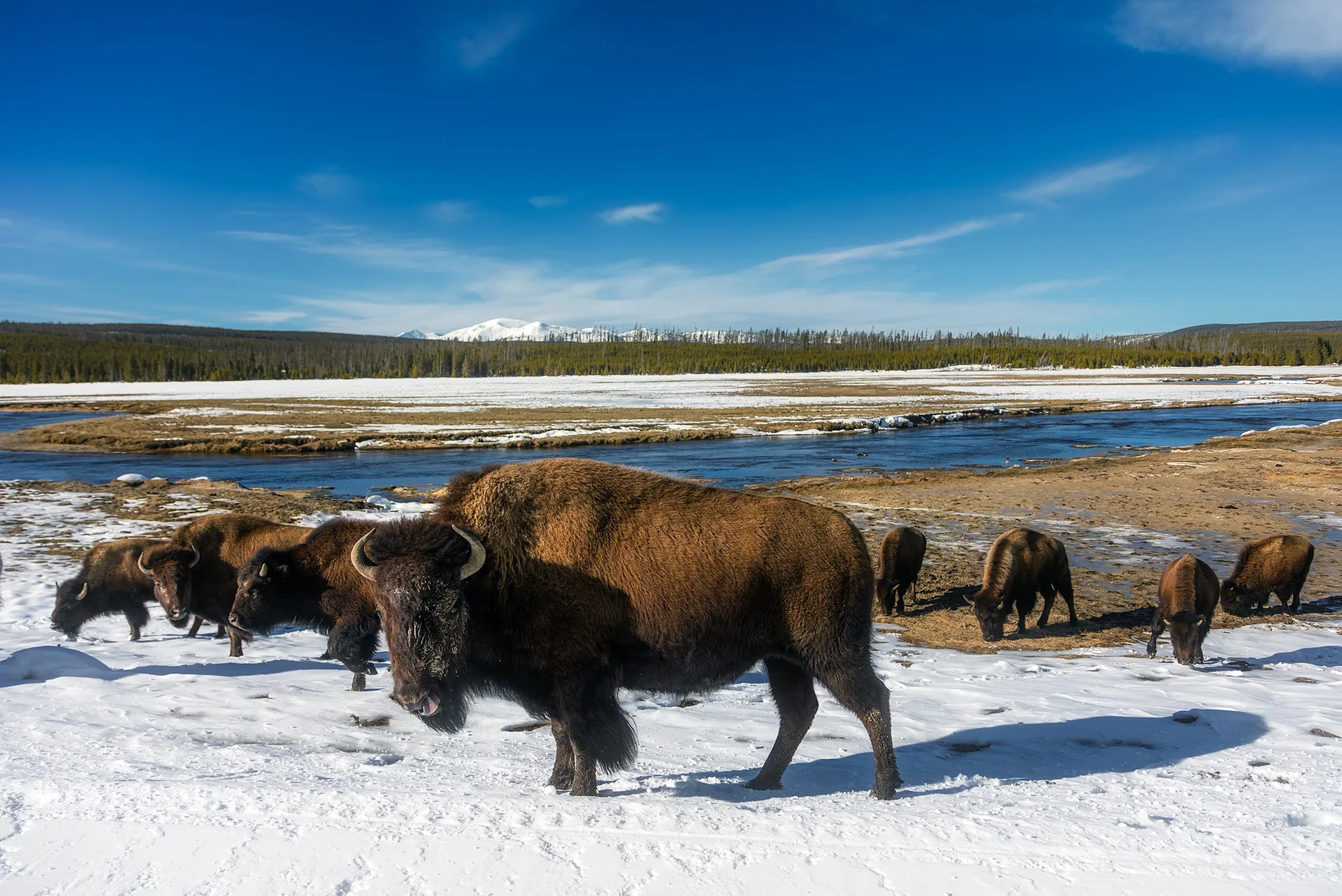
The Grand Canyon is one of those places that photos simply cannot prepare you for. At over a mile deep, its walls expose two billion years of geology. The South Rim is more accessible and draws the majority of visitors. The North Rim, open only from May through October, feels considerably wilder. Round out the big three with the volcanic landscapes of Yellowstone and the waterfalls and granite walls of Yosemite.

The America the Beautiful Pass costs $80 and covers entry to all national parks for a full year. It pays for itself by your third park. Lodges inside the parks book out months in advance during peak season. Reserve early or go with a campsite, campgrounds are often better located than you'd expect and come well-equipped.

The America Most People Skip

White Sands in New Mexico rolls out gypsum dunes that look like something off another planet. Sedona in Arizona offers red rock scenery without the Grand Canyon crowds. The Texas Hill Country, between Austin and San Antonio, mixes wineries, turquoise rivers, and small towns with a genuine German heritage, including Fredericksburg, which still holds onto that history. Up in Michigan, Traverse City sits on the shores of Lake Michigan surrounded by vineyards, a corner of the country that surprises most first-time visitors.

The Road Trips That Tell the American Story

Route 66, running from Chicago to Los Angeles, no longer exists as an official highway, but preserved stretches let you relive the 1950s road trip mythology. Vintage motels, chrome-trimmed diners, and abandoned gas stations mark the route. The Pacific Coast Highway delivers dramatic views of cliffs and ocean across roughly 560 miles between San Francisco and Los Angeles.

For a deep dive into the South, cutting through Louisiana and Mississippi puts you on the trail of blues and jazz history. Memphis has Graceland and Elvis. Nashville runs on country music around the clock.

Insider tip: Always budget more time than your GPS suggests. Photo stops, unexpected detours, and meal breaks add up fast. A 250-mile drive through the West can easily take 8 hours once you factor in everything.

Theme Parks and Pop Culture

Orlando is home to the most-visited theme parks on earth. Walt Disney World covers an area roughly the size of San Francisco. Universal Studios draws millions of visitors annually. Budget accordingly: tickets regularly run over $150 per person per day, and that's before food and merchandise.

Miami blends Latin American influences, lively beaches, and Art Deco architecture along South Beach. It's also the natural jumping-off point for day trips to the Florida Keys and the Everglades.

Eating in the US: From Texas Barbecue to New York Bagels

American food goes well beyond fast food. The South has turned barbecue into a regional art form, and the styles vary sharply by state: beef brisket in Texas, pulled pork in the Carolinas, dry-rubbed ribs in Memphis. New Orleans runs on Cajun cooking, where gumbo, jambalaya, and powdered-sugar beignets are non-negotiable.

In New York, a pastrami bagel and a foldable slice of New York-style pizza are daily rituals for a reason. On the drinks side, Kentucky bourbon has earned its reputation, and the craft beer scene is serious, more than 9,000 craft breweries are scattered across the country.

When to Go to the United States

The country is so large that there's no single answer. Fall is the season for New England, when the forests turn red and orange in a way that draws visitors from across the country. Spring is ideal for California and Texas. Summer works well for the northern national parks, though places like Death Valley and inland Arizona become genuinely brutal, think 115°F-plus days.

Mardi Gras in February turns New Orleans into one big street party. Independence Day on July 4th gives you a front-row seat to American patriotism at full volume. Avoid Thanksgiving and the winter holidays if crowds and inflated prices aren't your thing.

Getting to the United States

This section is written for international visitors. If you're already based in the US, domestic flights, Amtrak, and road trips are your main options for getting around the country.

The ESTA authorization, required for tourist stays under 90 days for eligible passport holders, currently costs $21, though that fee may increase soon. Apply only through the official US government website, third-party sites charge unnecessary fees for the exact same form.

Getting Around the United States

Outside major cities, a rental car is essentially non-negotiable. Gas prices range from roughly $2.80 to $4.50 per gallon depending on the state, California and New York sit at the high end, Texas and Louisiana at the low end. The interstate highway system is generally free, with tolls appearing mainly on certain East Coast corridors.

Domestic flights are the fastest way to cover serious distances, though prices swing widely depending on how far out you book. Amtrak trains offer scenic long-distance routes like the California Zephyr between Chicago and San Francisco, worth it for the experience, not the speed. In cities like New York, Washington DC, and San Francisco, the subway and bus networks are more than enough to get around without a car.
Find the best deals to travel to United States

Hotels and stays Flights Car rentals Custom trips

Top photos posted by members

Grand canyon
niagara
Bisons du Yellowstone