Visiting the United States: A Country Too Big to Wrap Your Head Around
A green highway sign planted in the middle of the desert. A two-lane road that disappears into the horizon. The sun dropping behind orange mesas. The US hits you first with its sheer scale. Fifty states and 3.8 million square miles pack in ecosystems that most continents spread across thousands of miles of separate landmass. From the Louisiana bayou to the glaciers of Alaska, from the Manhattan skyline to the giant sequoias of Northern California, each region is essentially its own trip.
Is This the Right Destination for You?
This country rewards travelers who are comfortable with long distances and a few unwritten social rules. Tipping 15 to 20% at restaurants is not optional, it's how service workers get paid. Prices on menus and price tags never include tax (so your $12 burger rings up closer to $13 or $14 at the register). And when a stranger asks "How are you?", they're not actually asking. On the budget side, plan on roughly $2,200 to $3,300 per person for a 15-day trip including flights, depending on your travel style.
Travel insurance deserves serious attention here. A simple sprained ankle can generate a bill in the thousands of dollars. US medical costs are among the highest on the planet, and standard credit card coverage rarely cuts it. Get a policy with at least $325,000 in medical coverage before you leave home.
The Cities That Shaped the American Imagination
New York: The Epicenter
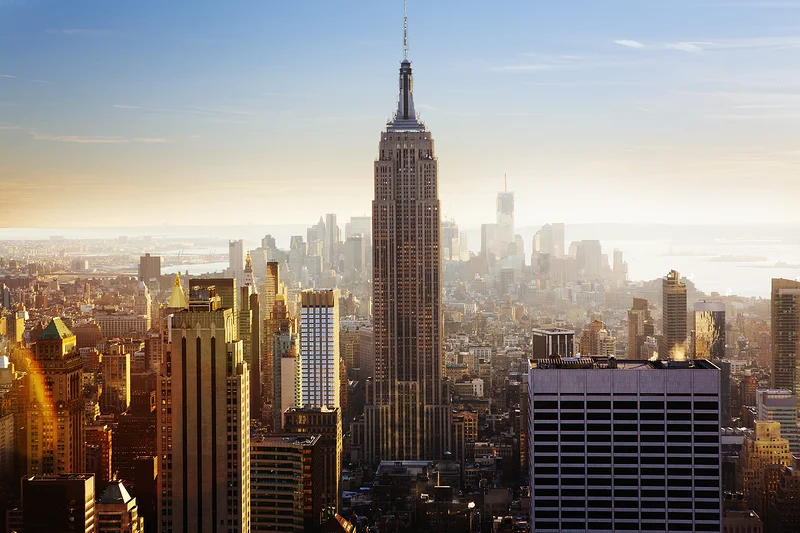
New York is unlike any other American city. Eight million people live stacked on islands where verticality has been the norm for over a century. From Times Square to Central Park, from the Met to the Statue of Liberty, every neighborhood tells a different story. It's also the rare American city where you genuinely don't need a car. Catch an NBA game at Madison Square Garden or a show on Broadway to round out the experience.
The West Coast and Its Contrasts
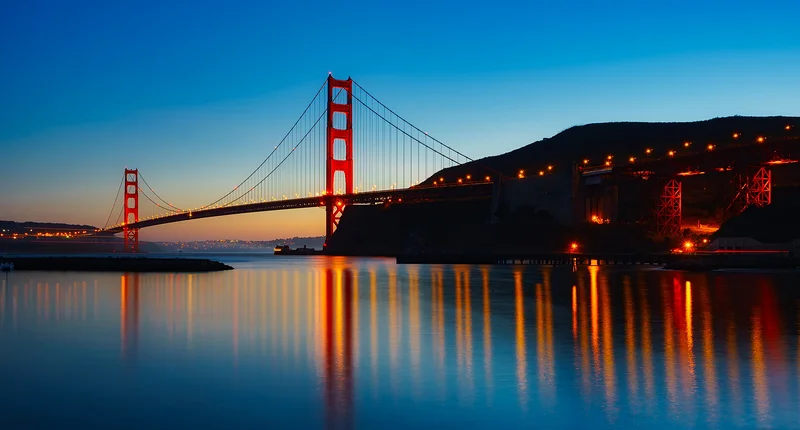
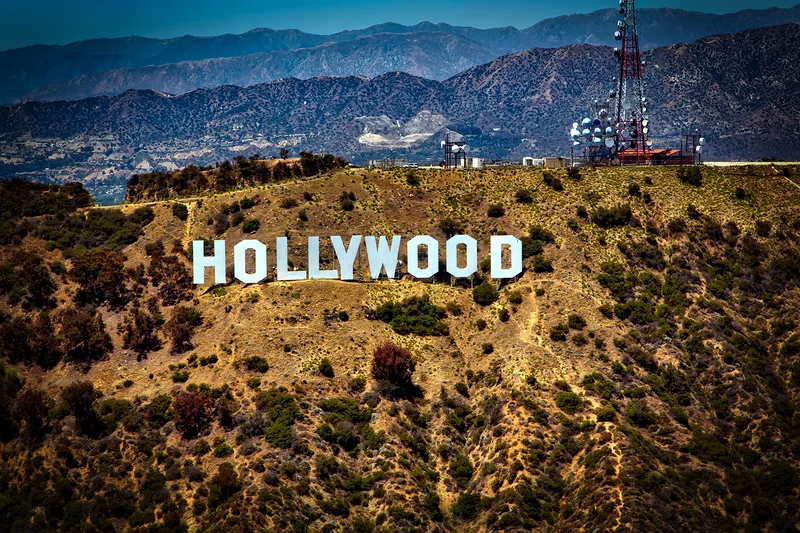
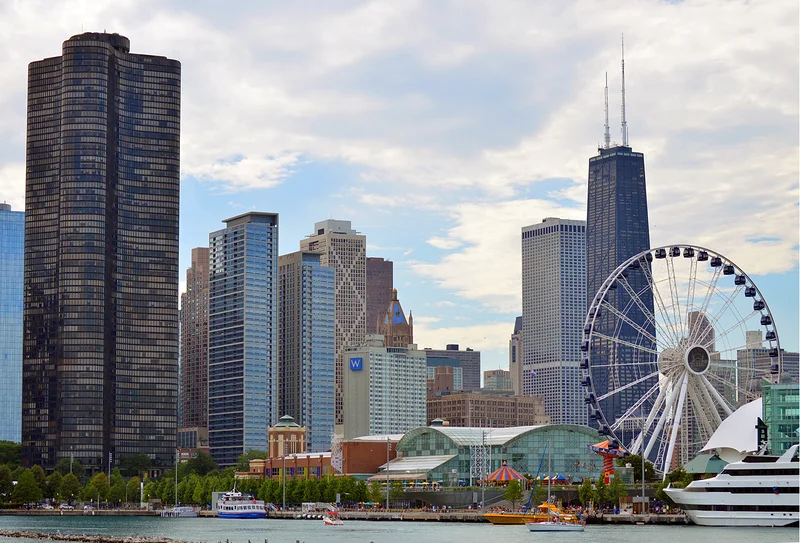
Los Angeles sprawls across 50 miles of suburbs connected by clogged freeways. Hollywood, Venice Beach, the hills of Silver Lake, this is a city you explore by car. Further north, San Francisco is more compact, with its famous hills and the Golden Gate. Chicago, often skipped on standard itineraries, delivers some of the country's best architecture and genuinely top-tier museums.
Insider tip: In New York, show up at major attractions right when they open. Lines build fast after 10 a.m., and getting there early can save you hours over the course of a week-long visit.
The Wild Spaces That Stay With You
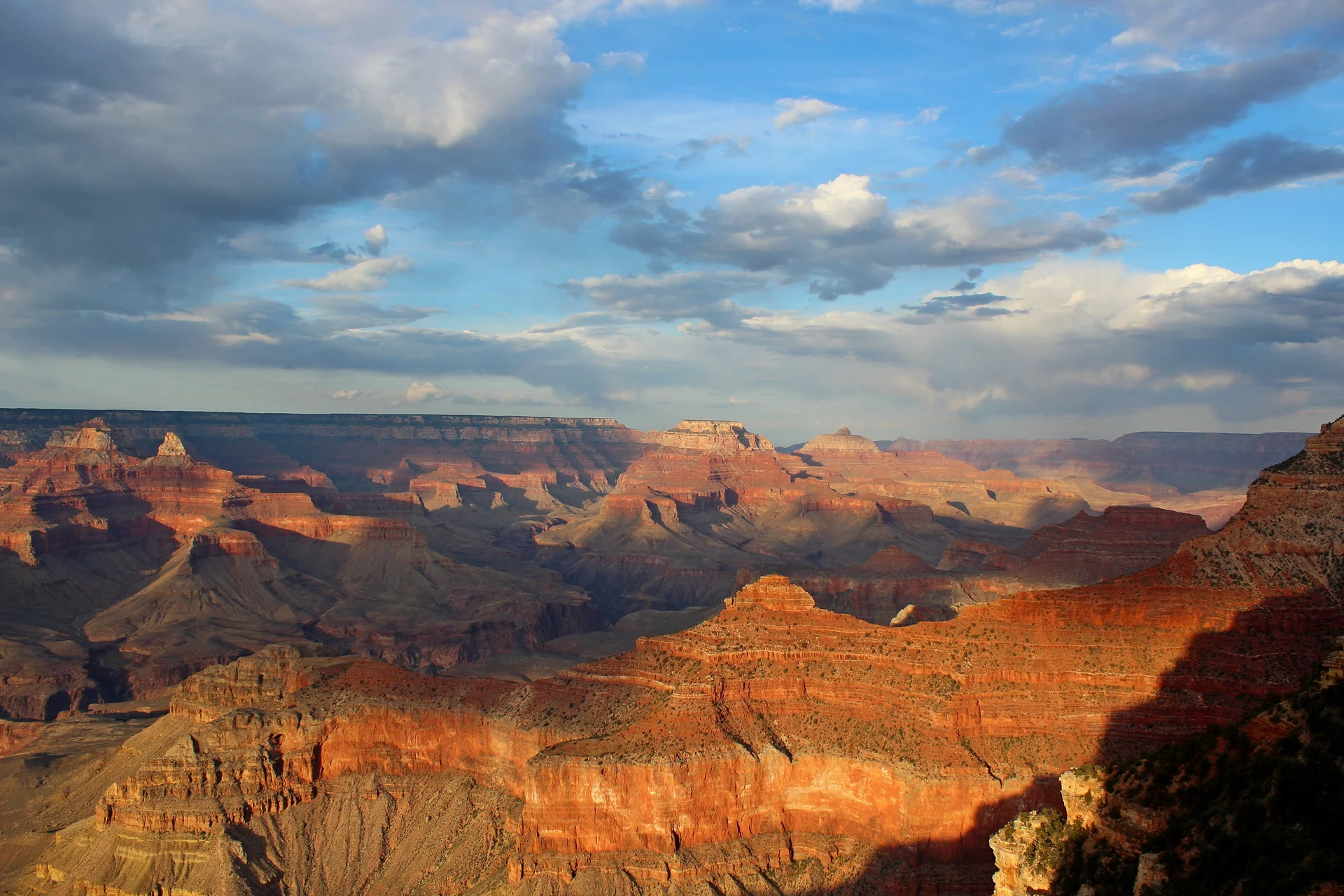
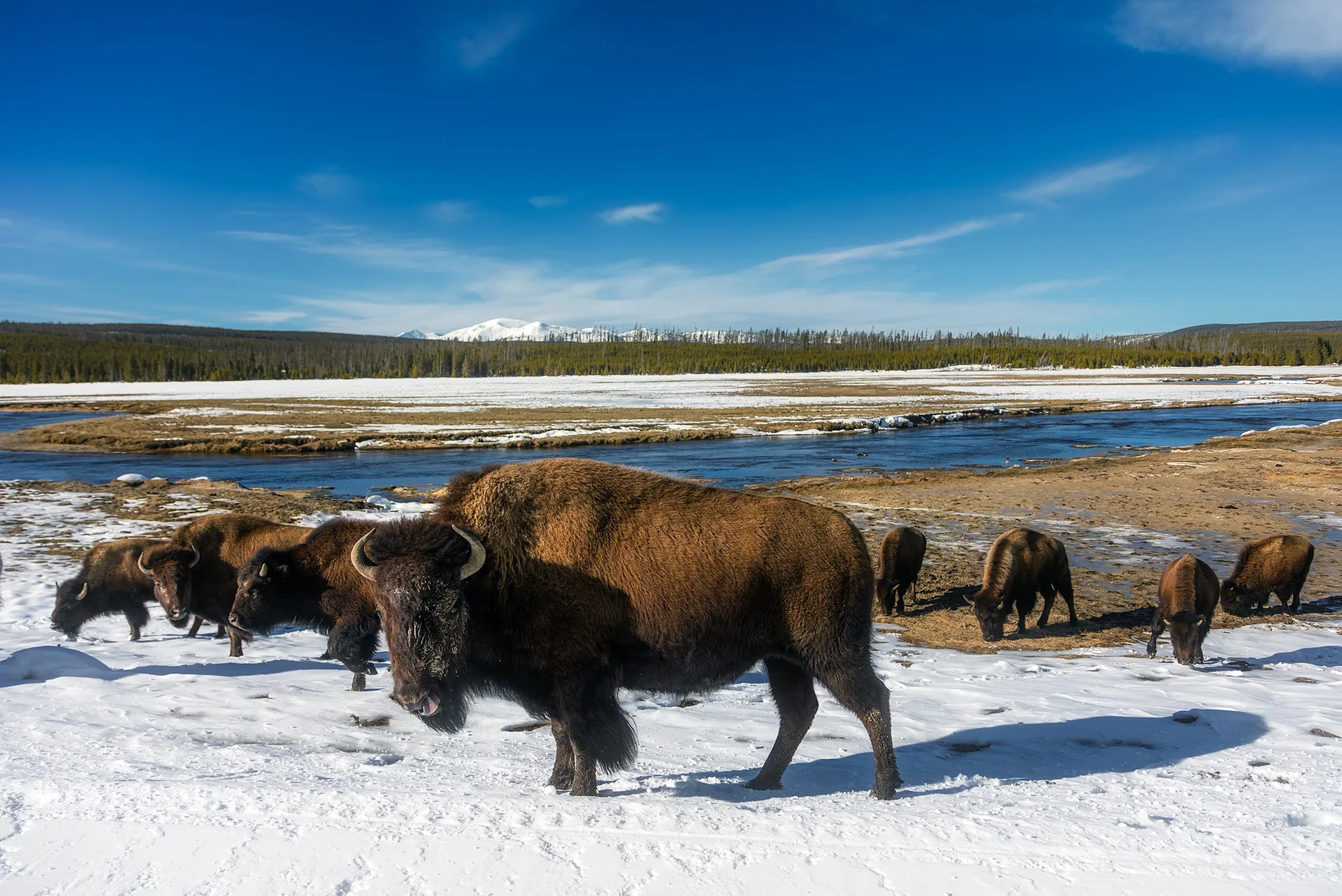
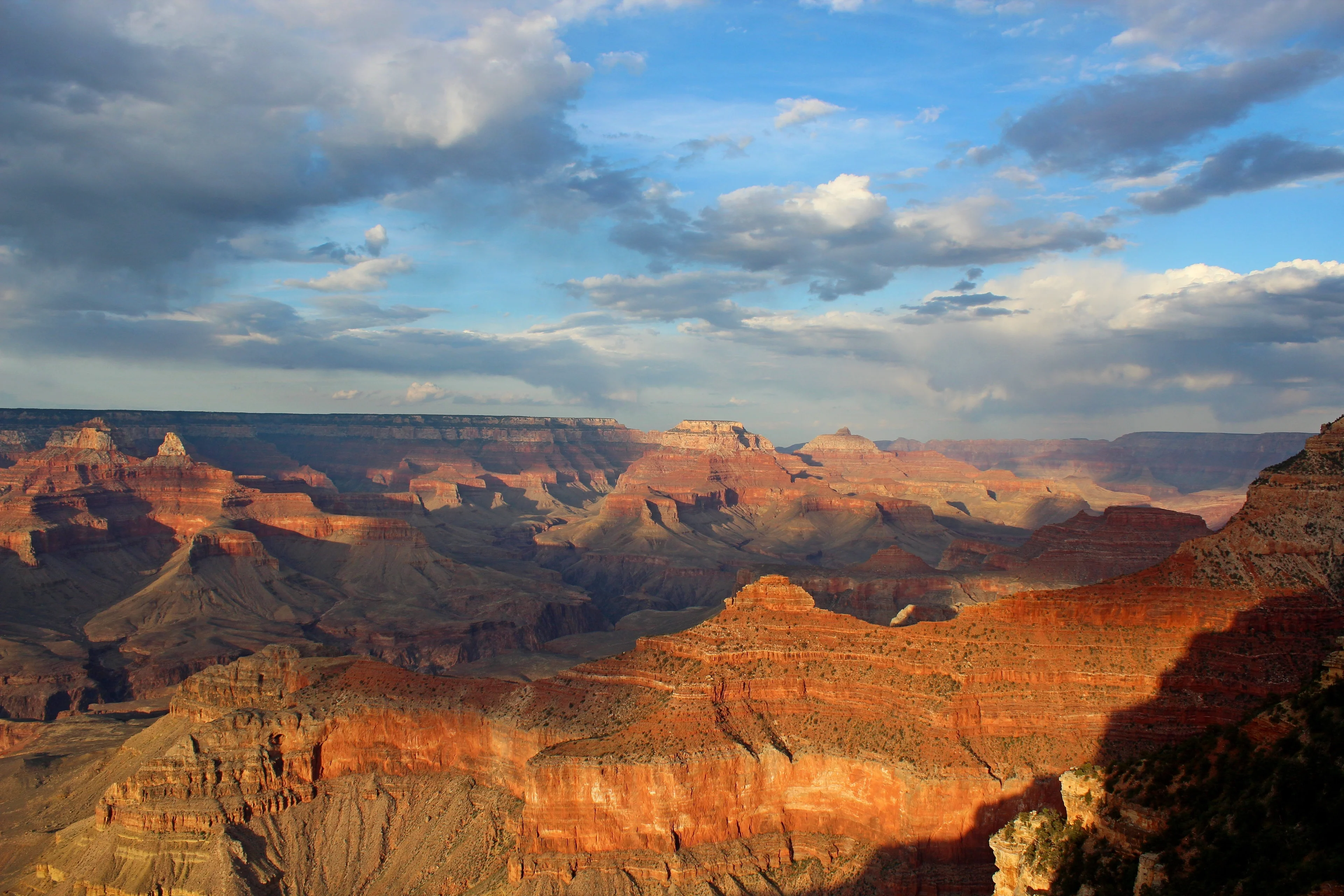
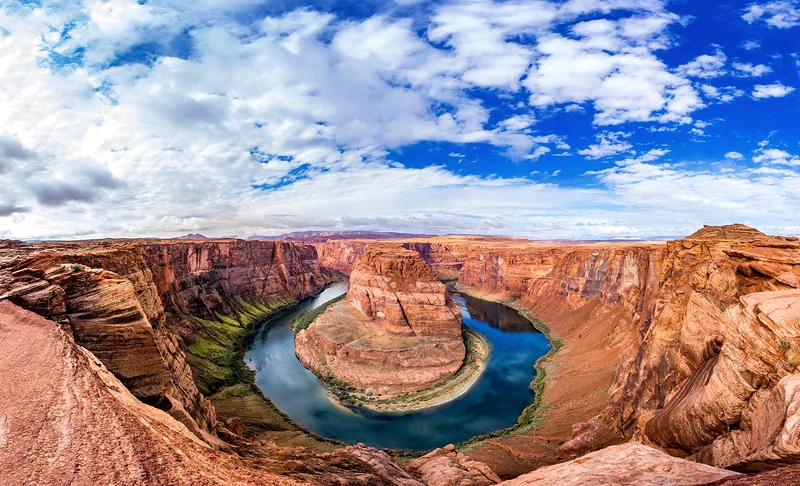
The Grand Canyon is one of those places that photos simply cannot prepare you for. At over a mile deep, its walls expose two billion years of geology. The South Rim is more accessible and draws the majority of visitors. The North Rim, open only from May through October, feels considerably wilder. Round out the big three with the volcanic landscapes of Yellowstone and the waterfalls and granite walls of Yosemite.
The America the Beautiful Pass costs $80 and covers entry to all national parks for a full year. It pays for itself by your third park. Lodges inside the parks book out months in advance during peak season. Reserve early or go with a campsite, campgrounds are often better located than you'd expect and come well-equipped.
The America Most People Skip
White Sands in New Mexico rolls out gypsum dunes that look like something off another planet. Sedona in Arizona offers red rock scenery without the Grand Canyon crowds. The Texas Hill Country, between Austin and San Antonio, mixes wineries, turquoise rivers, and small towns with a genuine German heritage, including Fredericksburg, which still holds onto that history. Up in Michigan, Traverse City sits on the shores of Lake Michigan surrounded by vineyards, a corner of the country that surprises most first-time visitors.
The Road Trips That Tell the American Story
Route 66, running from Chicago to Los Angeles, no longer exists as an official highway, but preserved stretches let you relive the 1950s road trip mythology. Vintage motels, chrome-trimmed diners, and abandoned gas stations mark the route. The Pacific Coast Highway delivers dramatic views of cliffs and ocean across roughly 560 miles between San Francisco and Los Angeles.
For a deep dive into the South, cutting through Louisiana and Mississippi puts you on the trail of blues and jazz history. Memphis has Graceland and Elvis. Nashville runs on country music around the clock.
Insider tip: Always budget more time than your GPS suggests. Photo stops, unexpected detours, and meal breaks add up fast. A 250-mile drive through the West can easily take 8 hours once you factor in everything.
Theme Parks and Pop Culture
Orlando is home to the most-visited theme parks on earth. Walt Disney World covers an area roughly the size of San Francisco. Universal Studios draws millions of visitors annually. Budget accordingly: tickets regularly run over $150 per person per day, and that's before food and merchandise.
Miami blends Latin American influences, lively beaches, and Art Deco architecture along South Beach. It's also the natural jumping-off point for day trips to the Florida Keys and the Everglades.
Eating in the US: From Texas Barbecue to New York Bagels
American food goes well beyond fast food. The South has turned barbecue into a regional art form, and the styles vary sharply by state: beef brisket in Texas, pulled pork in the Carolinas, dry-rubbed ribs in Memphis. New Orleans runs on Cajun cooking, where gumbo, jambalaya, and powdered-sugar beignets are non-negotiable.
In New York, a pastrami bagel and a foldable slice of New York-style pizza are daily rituals for a reason. On the drinks side, Kentucky bourbon has earned its reputation, and the craft beer scene is serious, more than 9,000 craft breweries are scattered across the country.
When to Go to the United States
The country is so large that there's no single answer. Fall is the season for New England, when the forests turn red and orange in a way that draws visitors from across the country. Spring is ideal for California and Texas. Summer works well for the northern national parks, though places like Death Valley and inland Arizona become genuinely brutal, think 115°F-plus days.
Mardi Gras in February turns New Orleans into one big street party. Independence Day on July 4th gives you a front-row seat to American patriotism at full volume. Avoid Thanksgiving and the winter holidays if crowds and inflated prices aren't your thing.
Getting to the United States
This section is written for international visitors. If you're already based in the US, domestic flights, Amtrak, and road trips are your main options for getting around the country.
The ESTA authorization, required for tourist stays under 90 days for eligible passport holders, currently costs $21, though that fee may increase soon. Apply only through the official US government website, third-party sites charge unnecessary fees for the exact same form.
Getting Around the United States
Outside major cities, a rental car is essentially non-negotiable. Gas prices range from roughly $2.80 to $4.50 per gallon depending on the state, California and New York sit at the high end, Texas and Louisiana at the low end. The interstate highway system is generally free, with tolls appearing mainly on certain East Coast corridors.
Domestic flights are the fastest way to cover serious distances, though prices swing widely depending on how far out you book. Amtrak trains offer scenic long-distance routes like the California Zephyr between Chicago and San Francisco, worth it for the experience, not the speed. In cities like New York, Washington DC, and San Francisco, the subway and bus networks are more than enough to get around without a car.