Visiting Peru, the Land of the Incas and Beyond
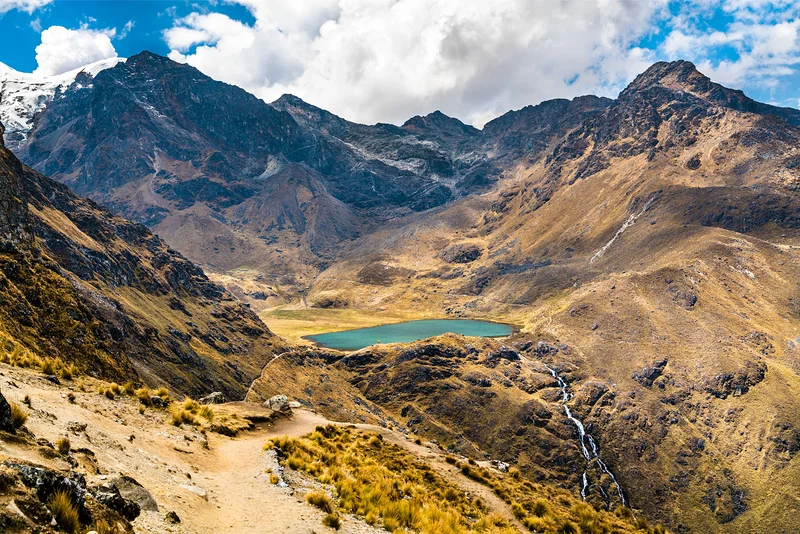
Peru is an exceptional destination defined by deep cultural roots and protected natural landscapes. It is a land of striking contrasts where the Pacific coast, the Andean cordillera, and the Amazon basin meet.
Top Sights
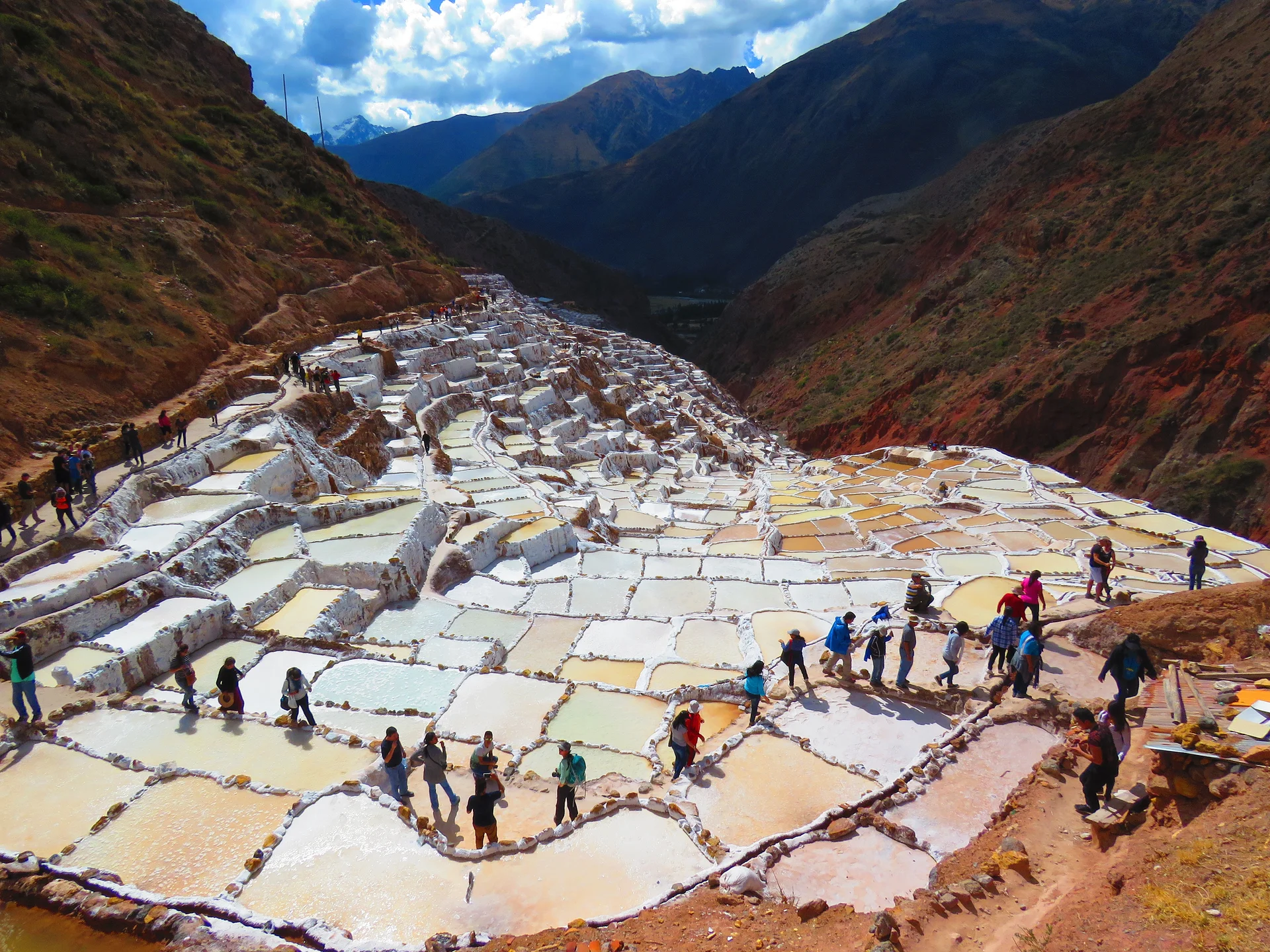
Among the country's essential stops is Cuzco, the former Inca capital filled with rare historical depth. Close by, you can explore the Sacred Valley and the legendary Machu Picchu.
The white city of Arequipa is another major draw, alongside the Colca Canyon and its famous condors. Lake Titicaca, the highest navigable lake in the world, also earns its spot at the top of the list.
Peru's coast holds plenty of interest as well, starting with the capital city of Lima. Peru offers travelers an incredible combination of rich cultural heritage and dramatic scenery.
Machu Picchu and the Sacred Valley
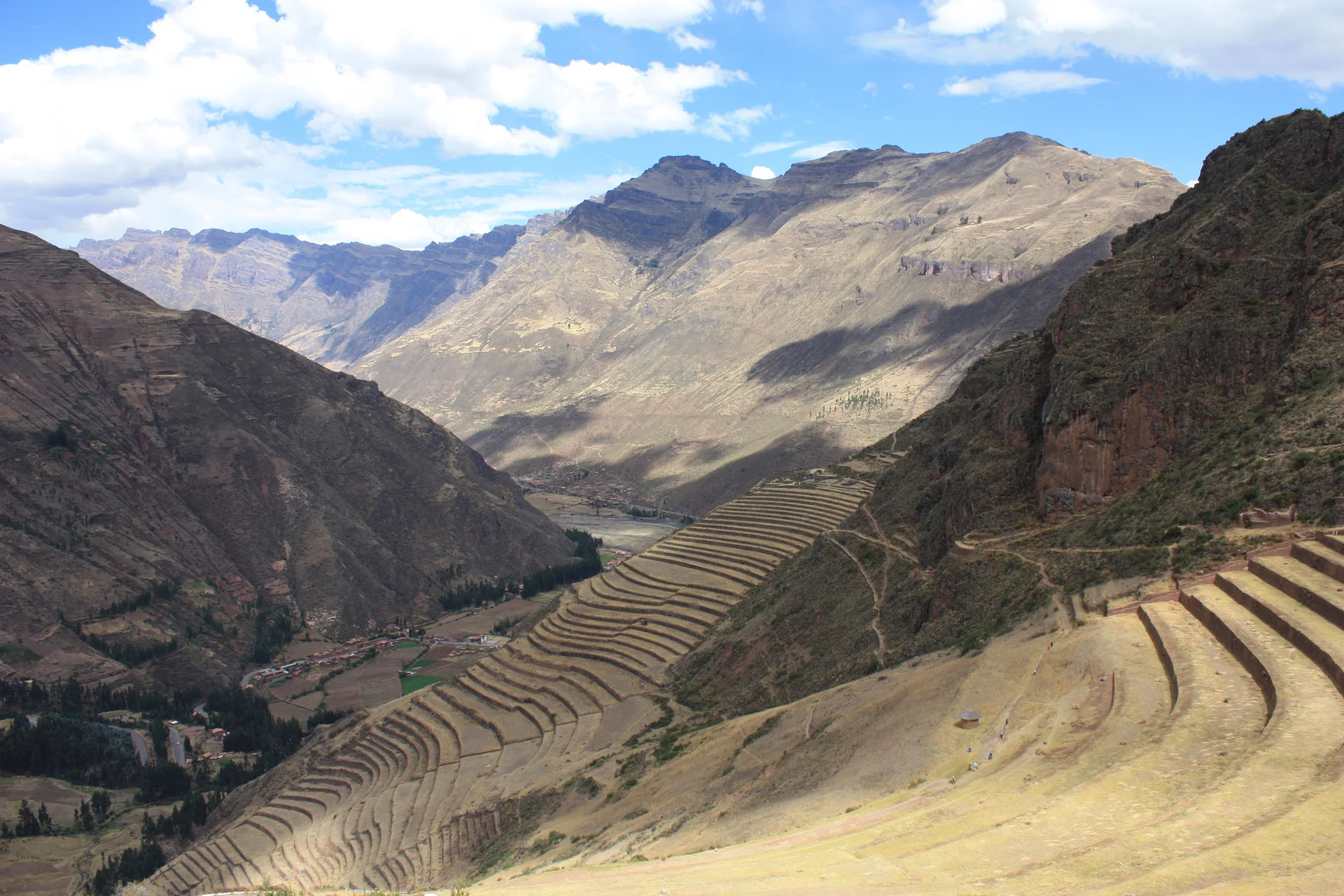
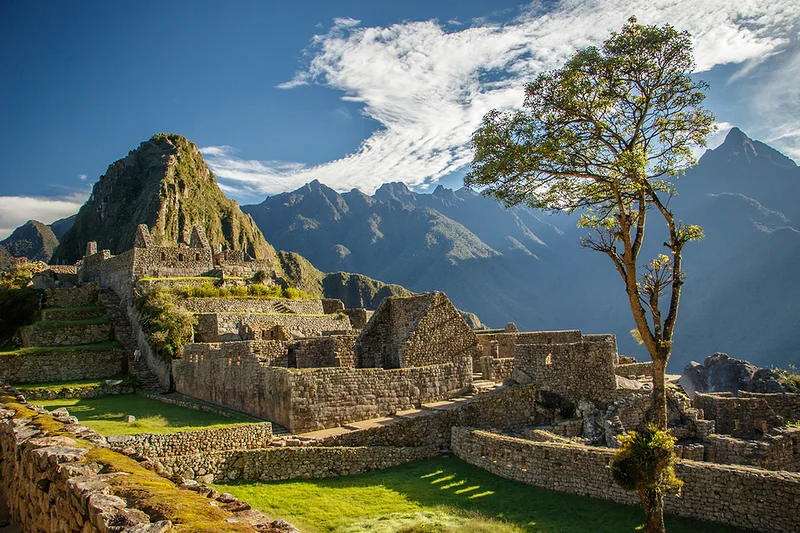
It is impossible to talk about Peru without mentioning Machu Picchu, the iconic archaeological site perched over 2,400 metres up in the mountains. Accessible via the famous Inca Trail or by train from Cuzco, this lost citadel draws history enthusiasts and adventure seekers alike. The Sacred Valley of the Incas, stretching between Cuzco and Aguas Calientes, is packed with impressive sites like the ruins of Pisac and Ollantaytambo.
The Mysteries of the Nazca Lines
In the southern part of the country, the Nazca desert holds enigmatic geoglyphs etched into the ground more than 1,500 years ago.
These figures, visible only from the air, depict animals, geometric shapes, and human silhouettes. Their exact origin and meaning remain a mystery, fueling numerous theories. A scenic flight lets you fully appreciate this monumental artwork.
The Lake Titicaca Region
Straddling the border between Peru and Bolivia, Lake Titicaca is the highest navigable lake on earth. Its deep waters border islands inhabited by communities holding onto ancient traditions. The floating islands of the Uros, built entirely from reeds, offer a unique look at local life. Amantani and Taquile, two more remote islands, allow for a deeper cultural immersion.
The Treasures of the Amazon
The northeastern part of the country holds a section of the Peruvian Amazon, reached primarily through Iquitos or Puerto Maldonado. This wild region teems with exceptional biodiversity, think monkeys, caimans, pink river dolphins, and countless bird species inhabiting its forests and waterways. Numerous excursions allow you to explore the jungle, often by canoe, and observe wildlife in its natural habitat.
A Culinary Scene of Contrasting Flavors
Peru is a genuine culinary paradise, known for the depth and variety of its food. Ceviche, the national dish, consists of raw fish cured in fresh lime juice, served alongside red onions and corn. Another essential specialty is aji de gallina, a shredded chicken stew spiced with yellow chili peppers and peanuts.
To drink, a Pisco Sour made with pisco, lime juice, and egg white is an absolute must.
When to Go
Peru features regions with widely contrasting climates. Because of this, there is no single ideal time to visit the entire country. Instead, travelers generally look at two main periods: the dry season running from April to October and the rainy season.
During the dry season in the high Andean region, daytime temperatures are pleasant while nights turn cold, for instance, in Cuzco, daytime highs hover between 15 and 25°C while nights drop close to 0°C. Skies are mostly clear and rain is rare.
Along the coast, the warmest months run from December to March, with temperatures ranging from 25 to 30°C, zero rain, and high humidity. It is the best time for swimming, even though water temperatures rarely climb past 24°C due to the cold Humboldt current. During the rest of the year, a persistent coastal mist blankets the region, and the sun rarely breaks through.
In the Amazon, the rainy season runs from December to April, so you should avoid this window if you want to tour the basin. During the dry season, temperatures hover around 30°C.
How to Get There
Flights to Lima from major international hubs are frequent, and domestic flights connect the country's primary cities to make getting around straightforward.
Getting Around
The bus network is well developed and remains the most affordable way to travel between cities. For long distances, comfortable coaches feature reclining seats.
Internal flights save significant time, particularly when heading to the Amazon or the south of the country. Within cities, traditional taxis and rideshare apps like Uber are practical, though negotiating the fare beforehand is typically necessary with standard street taxis.