
Visiting Nazca: Between Archaeological Mysteries and Desert Landscapes
Located in southern Peru, Nazca draws travelers in with its famous lines etched into the desert and a dense cultural heritage. While many treat this town as just a quick stopover, it rewards those who take the time to explore its pre-Columbian ruins and arid surroundings. Balancing archaeology with raw nature, Nazca appeals to anyone interested in history and unconventional sights.
The Mysterious Nazca Lines
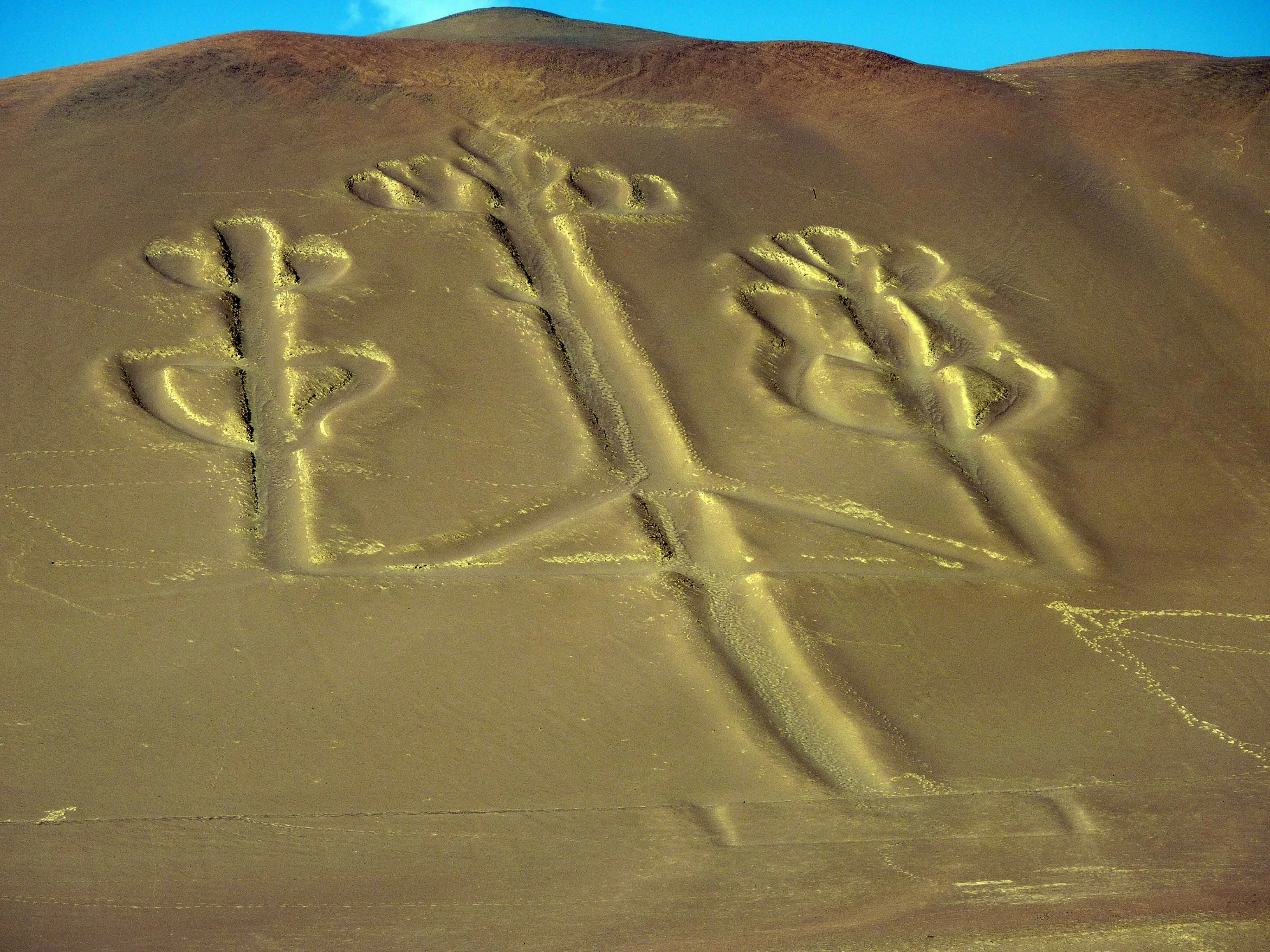
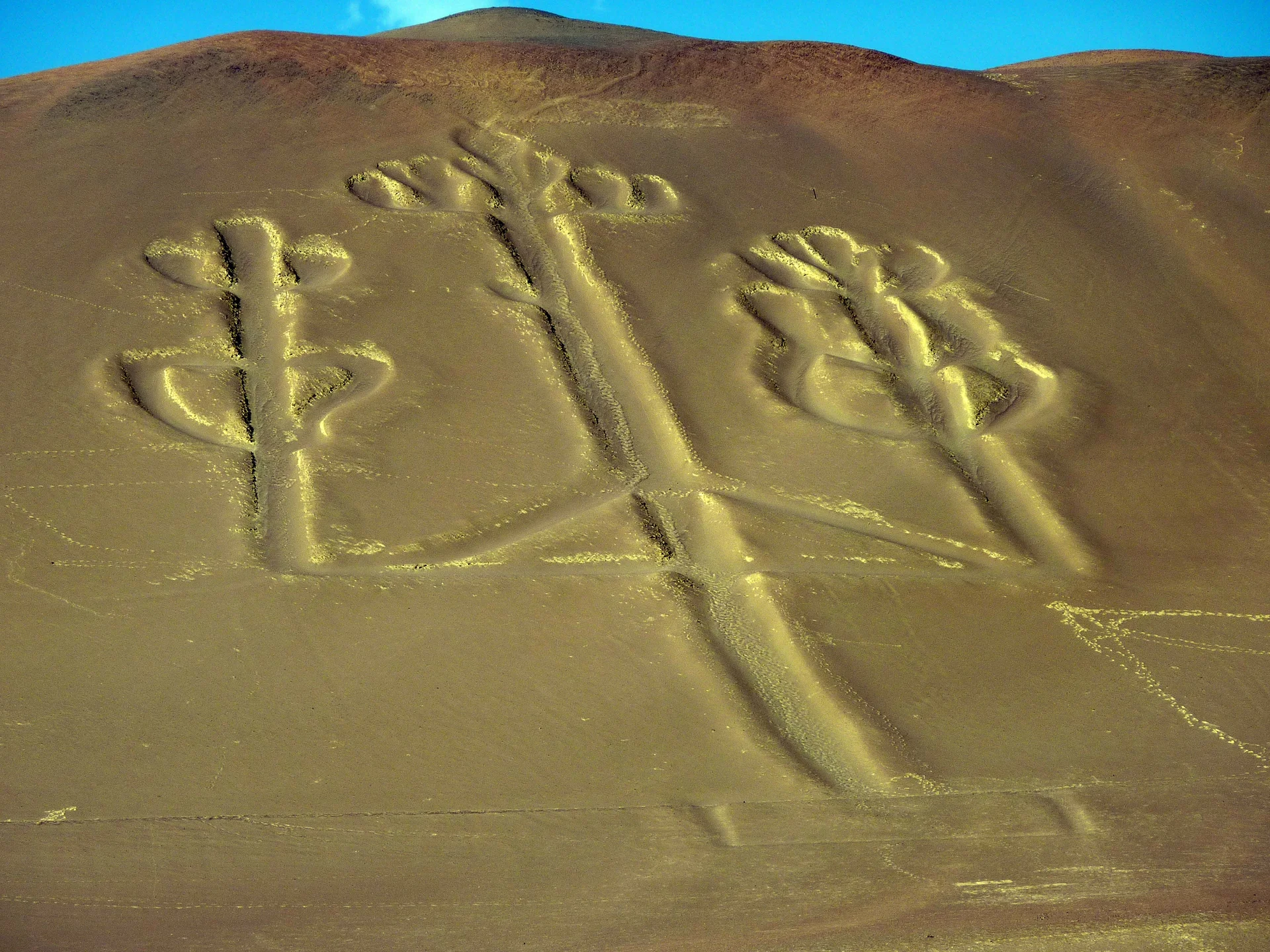
The main draw here is, of course, the famous geoglyphs, which are a UNESCO World Heritage site. These massive figures, depicting animals, geometric shapes, and human silhouettes, remain a mystery in terms of their origin and purpose. The most effective way to see them is by taking a flight over the area, a perspective that provides a full view of these monumental works.
Chauchilla Cemetery
About 18 miles (30 kilometers) from town, the pre-Inca Chauchilla Cemetery features mummies that are centuries old. Preserved by the desert climate, they are displayed in open-air tombs. The site offers a direct look at ancient funeral rites, though the atmosphere can be haunting.
Cantalloc Aqueducts
Often overlooked, the Cantalloc Aqueducts highlight the ingenuity of the Nazca people in water management. This system of underground channels, built over 1,500 years ago, is still in use today. A visit allows you to see the stone spirals that were designed to capture and filter water to irrigate the surrounding desert.
Cahuachi, the Ancient Ceremonial City
Cahuachi served as a major religious hub for the Nazca civilization. Located about 12 miles (20 kilometers) from the town center, this archaeological site features adobe pyramids once used for rituals. While only a few structures have been fully excavated, the site provides a glimpse into this vanished culture.
Cuisine with Andean Influences
Nazca's food scene draws from both Andean and coastal traditions. You will find dishes centered on corn, potatoes, and dried meat. Rocoto relleno, a spicy pepper stuffed with meat and cheese, is a regional staple worth ordering.
For drinks, look for chicha de jora, a fermented corn beverage that dates back to pre-Columbian times.
Where to eat?
- La Encantada (Downtown): A popular spot for ceviche and classic Peruvian plates.
- Rico Pollo (Downtown): The go-to for Peruvian-style rotisserie chicken served with house-made fries.
- Mom’s Café (Downtown): A relaxed place for home-cooked meals and local desserts.
- El Portón (Near the Plaza de Armas): Traditional food with decent vegetarian options.
Where to stay?
- Hotel Alegria (Downtown): A comfortable choice with a pool and solid value.
- Casa Hacienda Nasca Oasis (Outskirts): A quiet hacienda with a large garden and swimming pool.
- Nazca Lines Hotel (Downtown): Well-located with reliable service and a welcoming vibe.
- Hospedaje Yemaya (Near the bus terminal): A basic, low-cost option for budget travelers.
When to go?
The climate in Nazca is arid year-round, with hot days and cool nights. The best time to visit is from April to November, when rainfall is virtually non-existent.
For a unique experience, plan your trip around the Holy Week festival in April, which is packed with local celebrations.
How to get there?
From Lima, several bus companies offer the 7-hour trip to Nazca, with tickets ranging from 40 to 100 soles depending on the seat class. You can also fly into the airport in Pisco, then take a bus or taxi the rest of the way to Nazca. Getting to Peru in the first place is straightforward from North America: Lima has nonstop service from Miami, New York, Atlanta, Houston, Los Angeles and Toronto, six to eight hours depending on the city.
How to get around?
Taxis and mototaxis are the standard ways to navigate the town. For excursions to sites further afield, organized tours or hiring a vehicle with a driver is recommended.
I visited Nazca in 2009, and apparently, tourism has changed a lot there. The bus from Ica used to drop travelers off in Nazca, where they would take a small plane tour in the morning to fly over the lines. In the afternoon, they usually went to the Chauchilla cemetery, a necropolis of the Nazca culture where you could see some particularly amazing mummies from that era. Now, there is a permanent observation tower, and the flights are way overpriced.