
Visiting Arequipa, between colonial architecture and volcanic landscapes
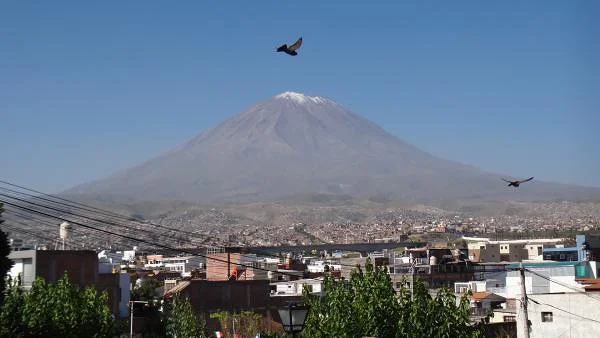
Sitting at the foot of the massive Misti volcano, Arequipa is Peru's second-largest city and one of its most compelling. Known as the white city for its buildings made of sillar, a light-colored volcanic stone, it blends colonial heritage, active culture, and dramatic natural surroundings. It sees fewer crowds than Cuzco, making it a solid choice for history buffs and food lovers.
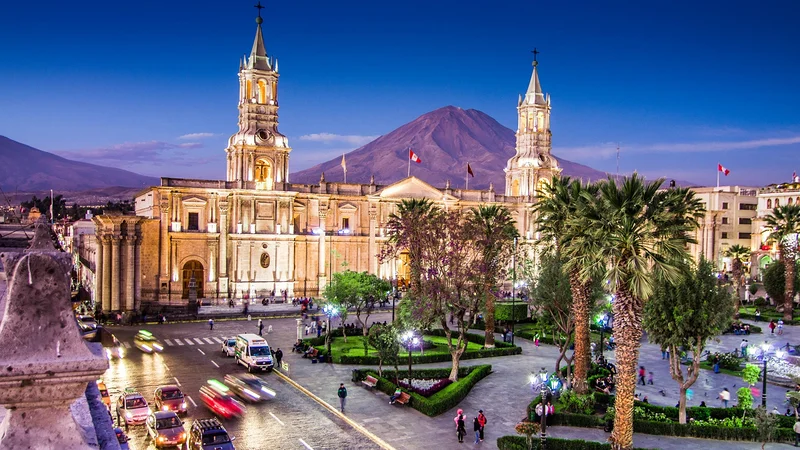
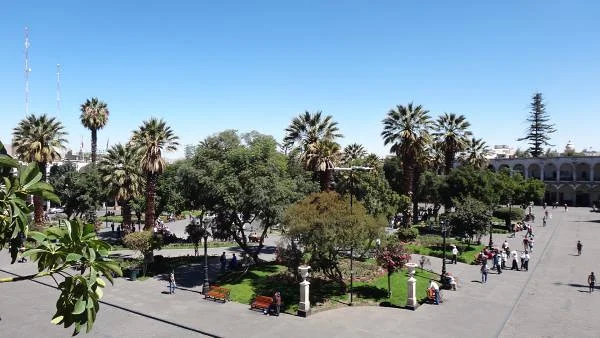
The historic center and the Plaza de Armas
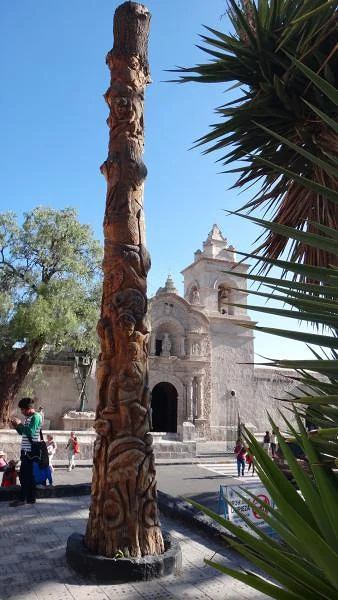
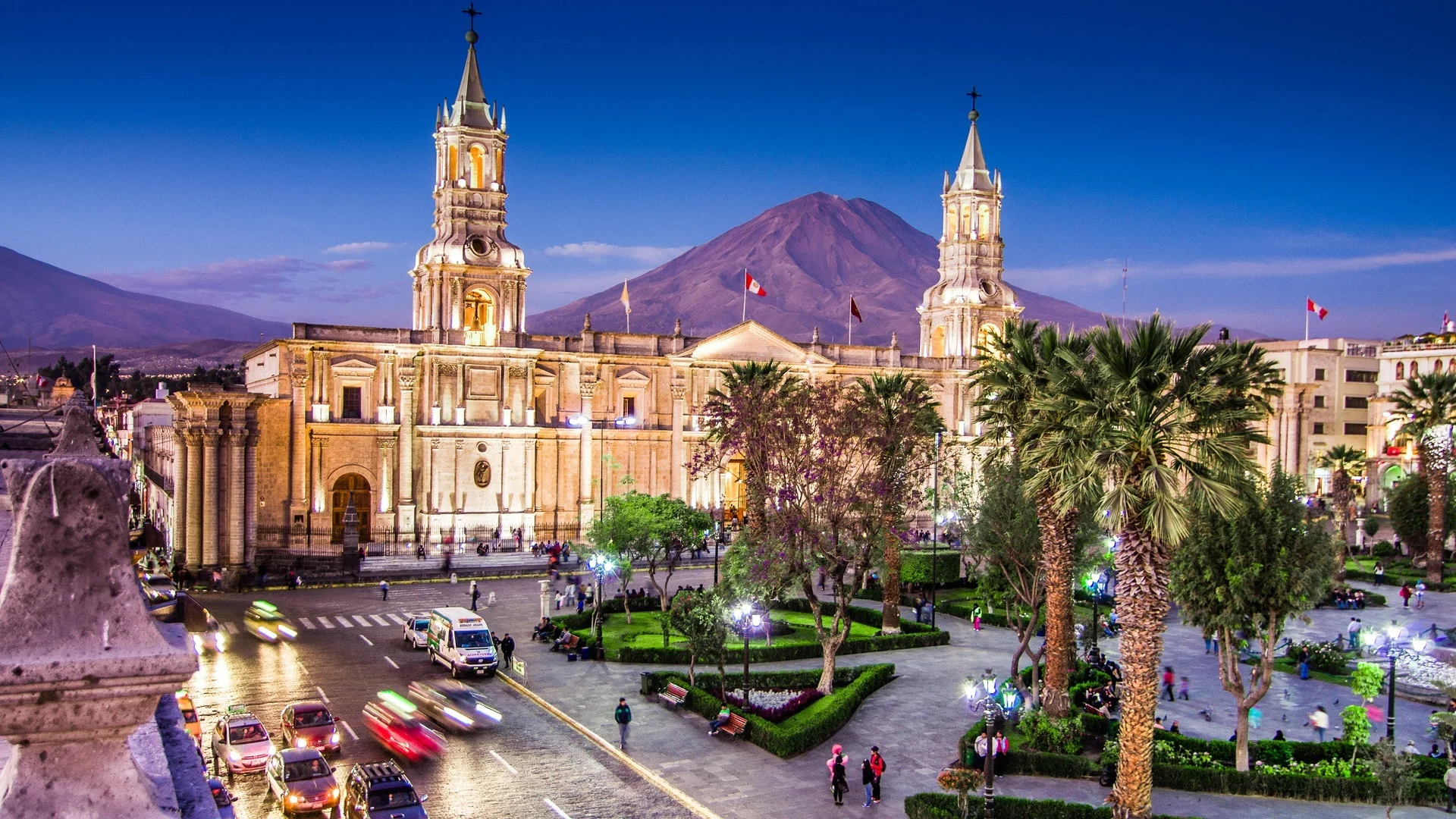
The historic center of Arequipa is a UNESCO World Heritage site. Its heart, the Plaza de Armas, is ringed by elegant arcades and dominated by the Arequipa Cathedral, one of the most imposing in the country. Wandering the surrounding streets reveals colonial mansions with intricate carved balconies and convents featuring whitewashed walls.
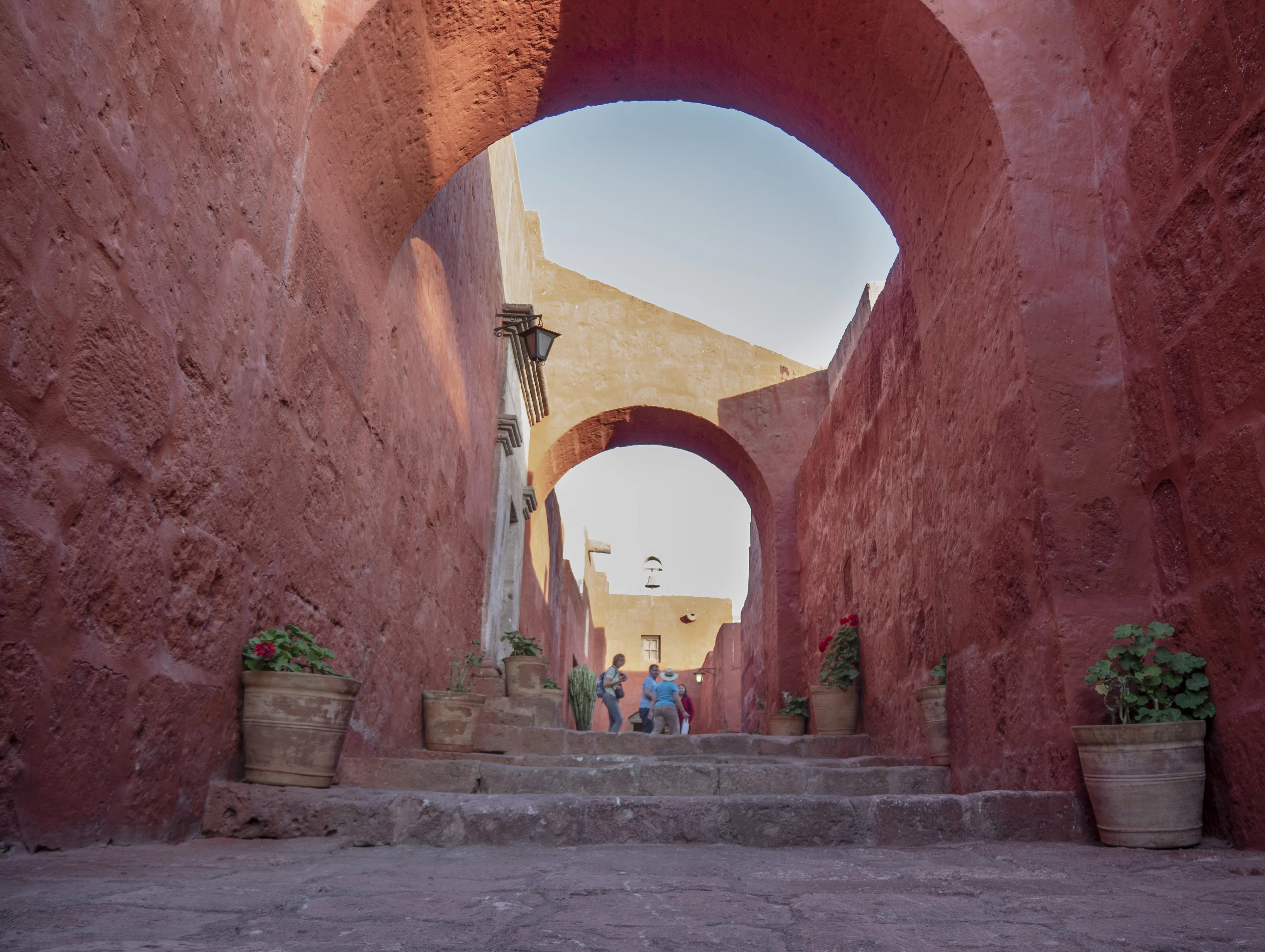
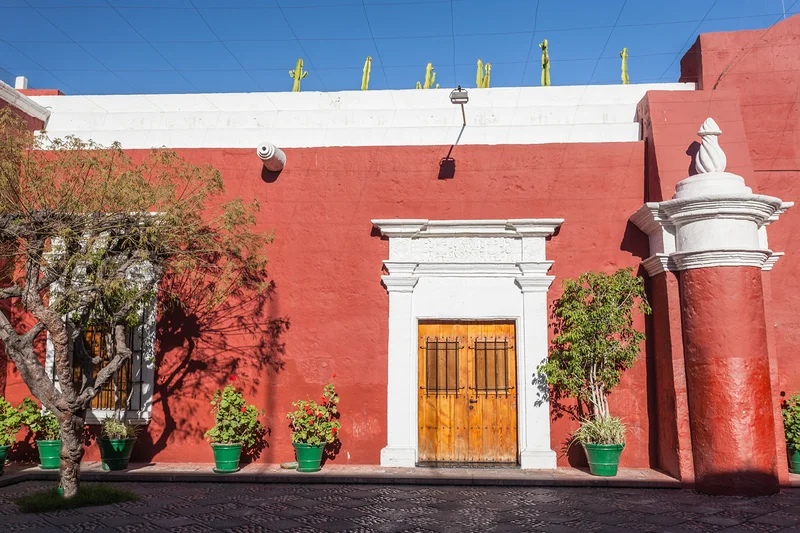
Santa Catalina Monastery, a city within a city
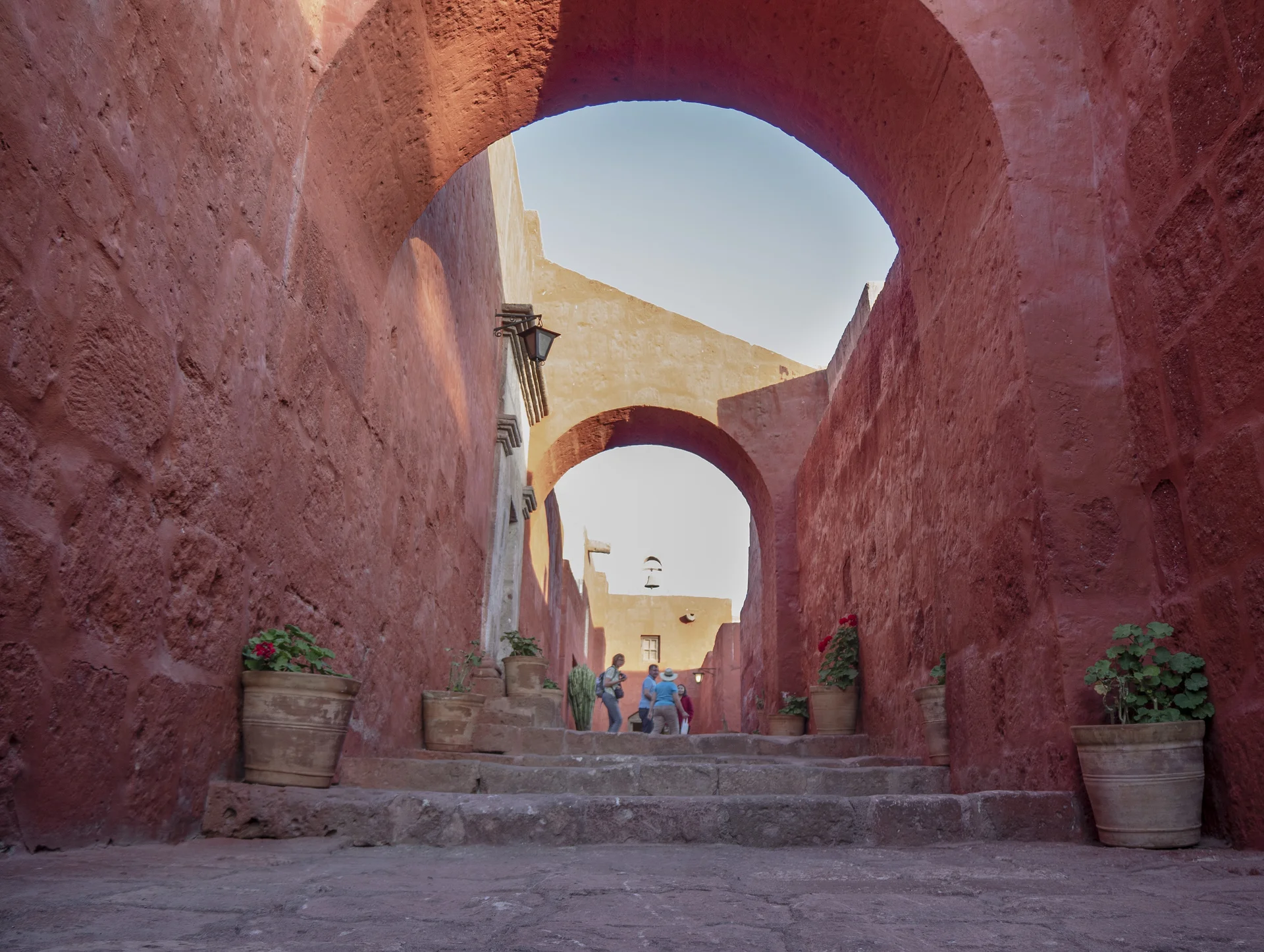
A true miniature city within Arequipa, the Santa Catalina Monastery is a standout. Founded in 1579, this 20,000-square-meter convent once housed nuns from elite Spanish families. Its colorful alleys, flower-filled patios, and monastic cells create a peaceful and fascinating atmosphere, offering a look into the colonial religious history of Peru.
The Museum of Andean Sanctuaries and Juanita, the Ice Maiden
The Museum of Andean Sanctuaries holds one of the country's most famous archaeological remains: Juanita, a remarkably well-preserved Inca mummy. Called the Ice Maiden, she was discovered in 1995 on Mount Ampato. The exhibit provides insight into Inca rituals and the significance of human offerings in Andean cultures.
Miradors and views of the volcanoes
Arequipa is surrounded by massive volcanoes, and several viewpoints offer a sense of their scale. The Yanahuara viewpoint, with its volcanic stone arches, provides a panoramic view of Misti and the city. Further out, the Carmen Alto viewpoint overlooks the Chili River valley and terraced farmland, a striking contrast to the urban sprawl of Arequipa.
Rich, flavorful cuisine with Andean influences
Arequipa is known for its hearty and spicy food, heavily influenced by Andean traditions. One of the signature dishes is rocoto relleno, a pepper stuffed with meat and cheese, served with a slightly sweet sauce. Another must-try is chupe de camarones, a thick soup made with shrimp, potatoes, and corn. Pair your meal with a glass of anis Najar, a local liqueur.
Where to eat?
- La Nueva Palomino (Yanahuara): A traditional picanteria serving classic Arequipa dishes.
- Zig Zag (Center): Known for meats grilled on volcanic stone.
- Chicha (Center): A Gaston Acurio restaurant that highlights regional ingredients.
- Sol de Mayo (Yanahuara): A pleasant garden setting serving local specialties.
When to go?
Arequipa has pleasant weather year-round, but the best time to visit is from May to September, during the dry season, which offers sunny days and very little rain. In August, the city celebrates its anniversary with parades and festivities.
How to get there?
Arequipa has an international airport with daily flights from Lima (1.5 hours). Long-distance buses also connect the city to Cuzco or Puno, though the journey is long and tiring (8 to 10 hours).
How to get around?
Arequipa's historic center is easy to navigate on foot. For longer trips, taxis are affordable, and local buses are an inexpensive way to explore the outskirts.
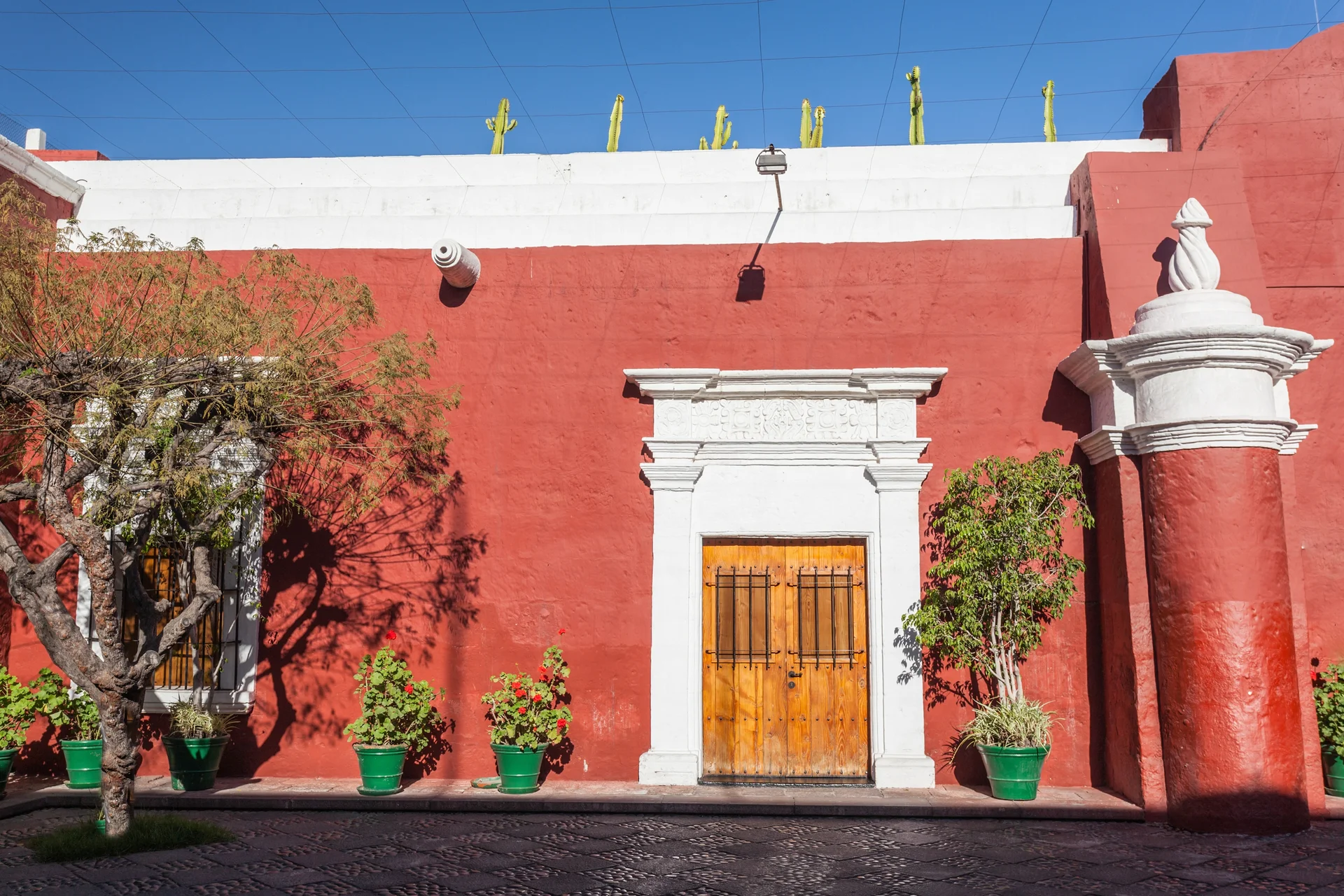
Arequipa is one of the most beautiful cities in Peru. People usually stay here before heading to Lake Titicaca or Machu Picchu. It is a great chance to get used to the altitude because it is already tough to walk through the narrow streets of Arequipa at over 7,500 feet.
The most famous attraction is the Santa Catalina Monastery, but you can also enjoy the cafes and restaurants on the Plaza de Armas, visit the cathedral, see the Mundo Alpaca llama and alpaca farm, or catch the sunset at the Yanahuara lookout.