Exploring Ica: Desert dunes, vineyards, and a hidden oasis
Located on the southern coast of Peru, Ica blends dramatic desert landscapes with colonial history and winemaking roots. Known for its arid climate and towering sand dunes, it draws travelers looking for outdoor adventure as well as regional culture. Between desert oases, local museums, and tastings of Peru's signature brandy, Ica offers plenty to uncover.
Huacachina, the desert oasis
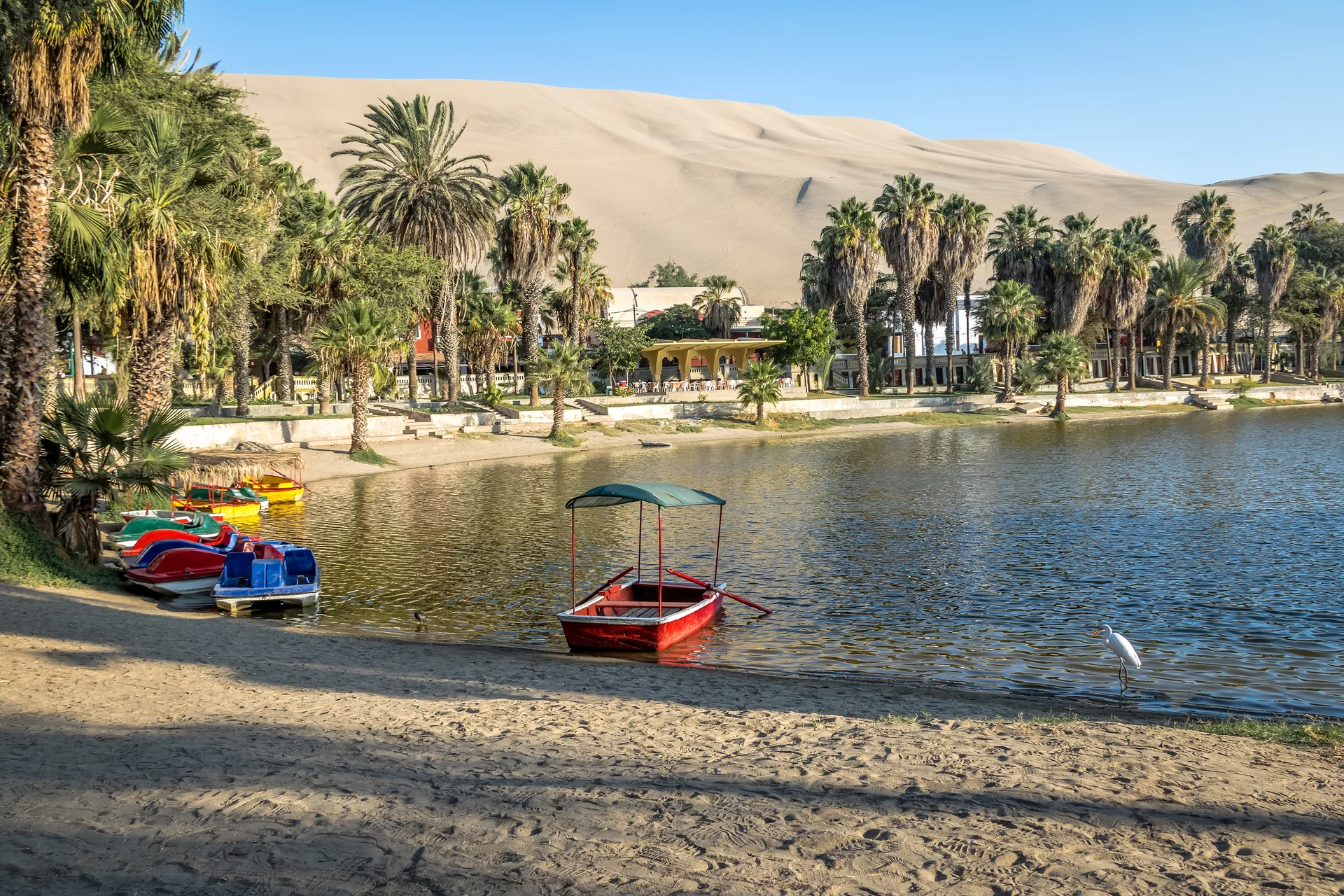
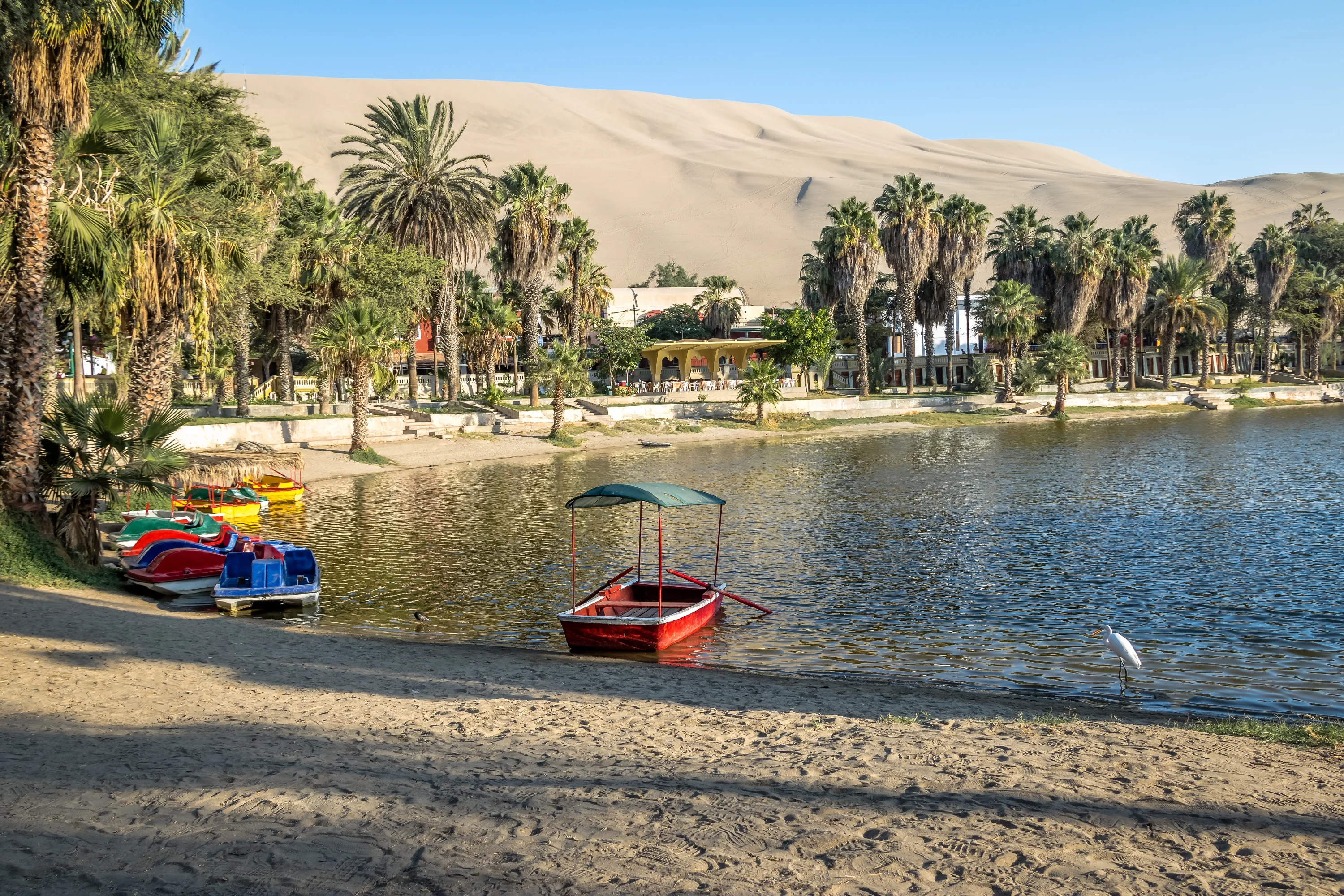
Just a few miles from downtown Ica, the oasis of Huacachina is one of the most visited spots in the region. This small lagoon is ringed by palm trees and massive sand dunes, creating a scenic backdrop for late afternoon strolls. Visitors looking for action can try sandboarding or take a dune buggy tour across the peaks.
The vineyards and bodegas of Ica
Ica serves as the heart of pisco production, Peru's national spirit. Several historic estates, including Hacienda Tacama and Bodega El Catador, offer tours and tastings to explain how the clear brandy is distilled. Some of these wineries also produce local wines, though the quality varies considerably.
The Regional Museum of Ica
Travelers interested in history and archaeology will find a solid collection of pre-Columbian artifacts at the Regional Museum of Ica. The exhibits feature ceramics, textiles, and preserved mummies from the Paracas and Nazca civilizations, providing useful context on the area's ancient past.
Canyon de los Perdidos
Roughly 70 km from Ica, the Canyon de los Perdidos is a lesser-known geological formation carved out by erosion. The rugged canyon walls and spiral rock formations create dramatic desert scenery. Reaching the site requires a four-wheel-drive vehicle and careful planning, but the remote setting rewards the effort.
Coastal and Andean flavors
Ica's regional cuisine combines seafood with inland Andean ingredients. Carapulcra, a stew made from dried potatoes and pork, is a local staple often paired with sopa seca, seasoned pasta.
When it comes to drinks, a classic pisco sour is essential, alongside local wines.
Where to eat?
- El Otro Peñoncito (Downtown): A reliable spot for ceviche and fresh seafood.
- Restaurante El Catador (Near the vineyards): Traditional comfort food paired with pisco tastings.
- Huacachina Grill (Huacachina): A dining room overlooking the oasis with grilled plates and Peruvian dishes.
- La Olla de Juanita (Downtown): Known for its authentic carapulcra and regional home-style cooking.
When to go?
Ica enjoys a warm, dry climate year-round. The best months to visit run from April to November, when temperatures are comfortable and rainfall is practically non-existent.
The Vendimia festival takes place every March, celebrating the grape harvest with street parades, music, and tastings.
How to get there?
From Lima, long-distance buses reach Ica in about 4 to 5 hours, with tickets costing between 30 and 80 soles depending on the class of service. The nearest airport is in Pisco, but limited commercial flights mean taking the bus remains the standard route.
How to get around
Taxis and mototaxis serve as the main transportation options within the city. For trips out to the surrounding desert and canyons, booking a guided excursion or hiring a private driver is the most practical approach.