
Visiting Machu Picchu
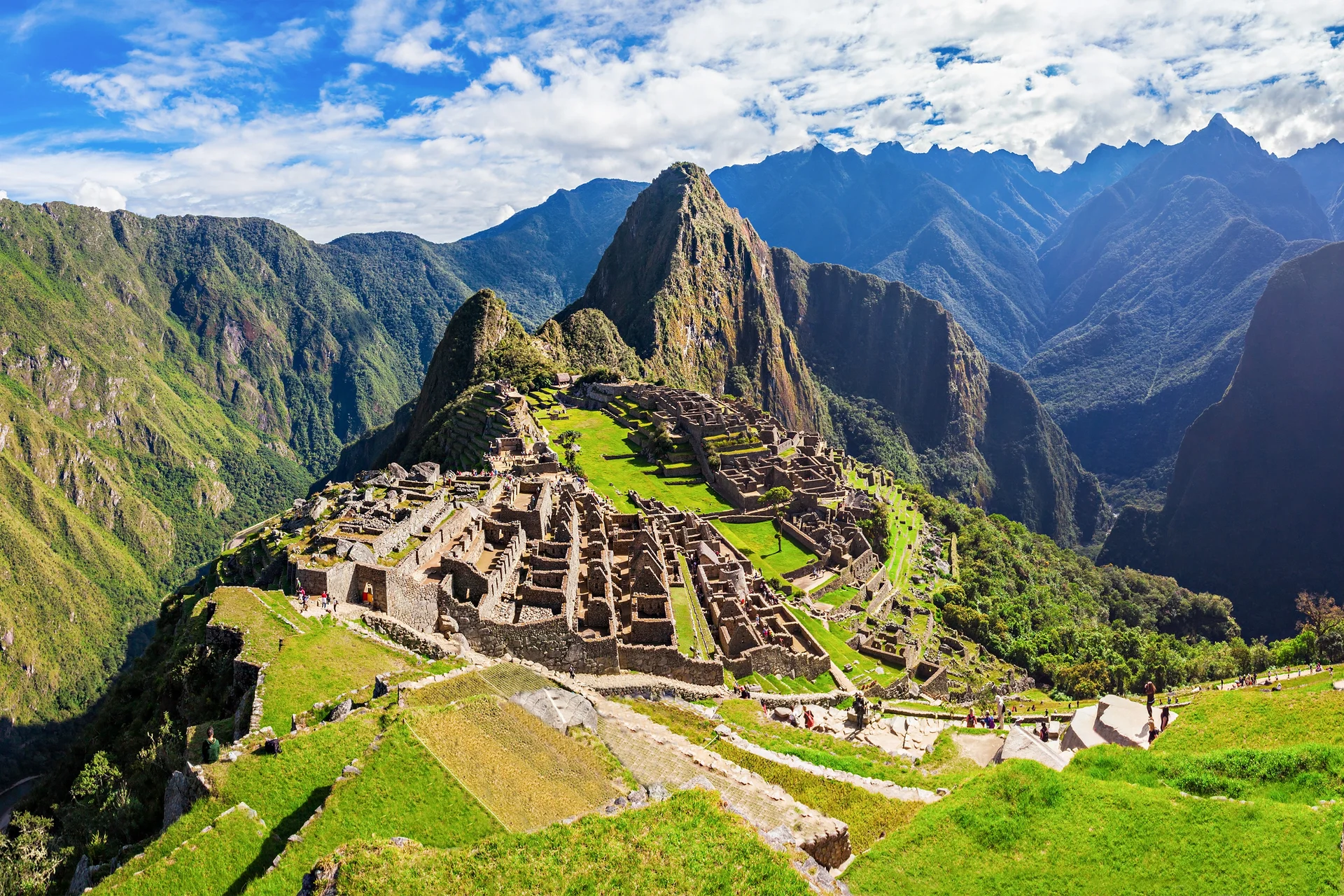
It is one of the new Seven Wonders of the World. Machu Picchu is the kind of site that dominates your itinerary, a place every traveler hopes to see in person. Perched at an altitude of 7,972 feet in the mountains, these ruins are the defining icon of Peru. Roughly 800,000 visitors make the trek here every year to experience the scale of this site, which is steeped in history and mystery.
The history of a forgotten city
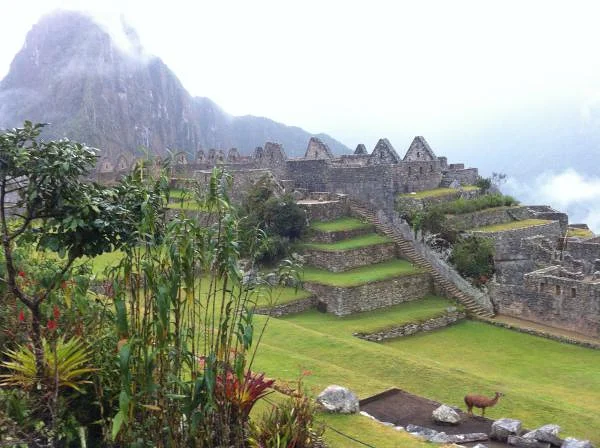
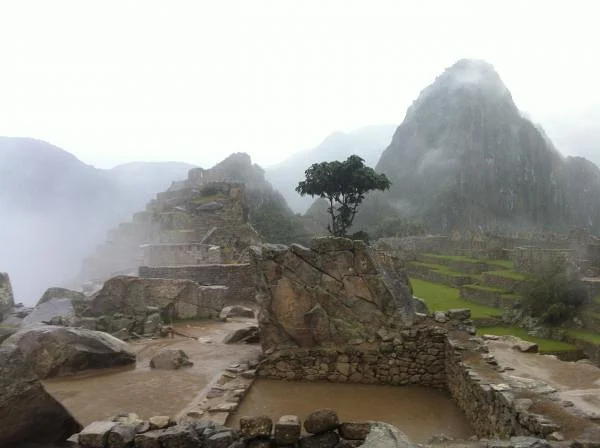
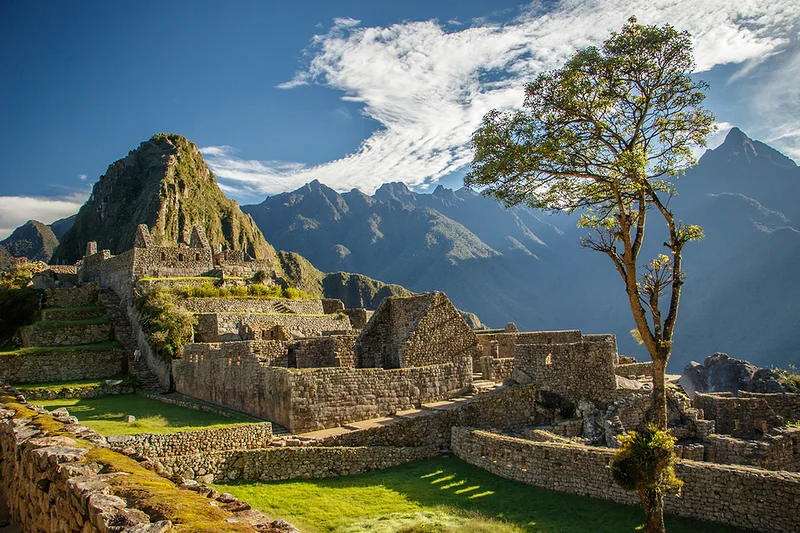
Machu Picchu stands out for its unique past. The city was built in the 15th century by a prominent emperor of the Inca civilization named Pachacútec. It was a site of impressive scale that included numerous temples, an academy, and the private residence of the emperor. Terraced farms once covered the mountainsides immediately surrounding the city. In the 16th century, the Incas of Vilcabamba were pushed to their final defensive positions within Machu Picchu. The Spanish invader Pizarro decimated the population, showing no regard for the majesty of the city. He was interested only in gold, and Machu Picchu was deemed too difficult to access for permanent settlement. The city fell into obscurity for three centuries until it was brought back to global attention by the American archaeologist Hiram Bingham in 1911.
Practical guide to visiting Machu Picchu
The classic route to reach Machu Picchu is the famous Inca Trail. This trek takes two to four days and requires a hired guide. Agencies typically charge between 200 and 400 USD ($200 to $400*) for the hike, and there are strict regulations in place to limit the number of tourists on the path. Fortunately, there are many other ways to reach Machu Picchu on foot. Various agencies offer treks along the Choquequirao, Huchuy Qosqo, or Lares trails. Some of these paths can even be navigated by mountain bike for those looking for a more intense physical challenge.
If you prefer to skip the long hike, there are other ways to visit Machu Picchu. From Cusco, you can take a bus to the train station in Ollantaytambo. From there, you board a mountain train bound for Machu Picchu Pueblo. This town is located at the foot of the mountain and serves as the final transit point before reaching the ruins. You can also contact a local Peruvian agency to arrange a custom itinerary.
To enter the site of Machu Picchu, you must pay an entry fee of at least 70 USD ($70*). Many travelers choose to book through an agency that handles the logistics of the trip. Book your ticket well in advance, as the Peruvian government limits entry to 2,500 people per day.
When to go
Machu Picchu is accessible year-round, but the peak season for tourists and tour operators runs from May through September. During these months, the risk of rain is low, providing more reliable conditions for hikers and photographers.
Opening hours
| Monday | 06:00-17:30 |
|---|---|
| Tuesday | 06:00-17:30 |
| Wednesday | 06:00-17:30 |
| Thursday | 06:00-17:30 |
| Friday | 06:00-17:30 |
| Saturday | 06:00-17:30 |
| Sunday | 06:00-17:30 |
You need to choose a specific time slot when you buy your ticket.
*Information subject to change

Je suis d'accord avec ton dernier point. Néanmoins, c'est un aspect qui concerne tous les lieux les plus emblématiques à travers le monde : comment faire partie des incontournables, du patrimoine, tout en évitant les foules ?