
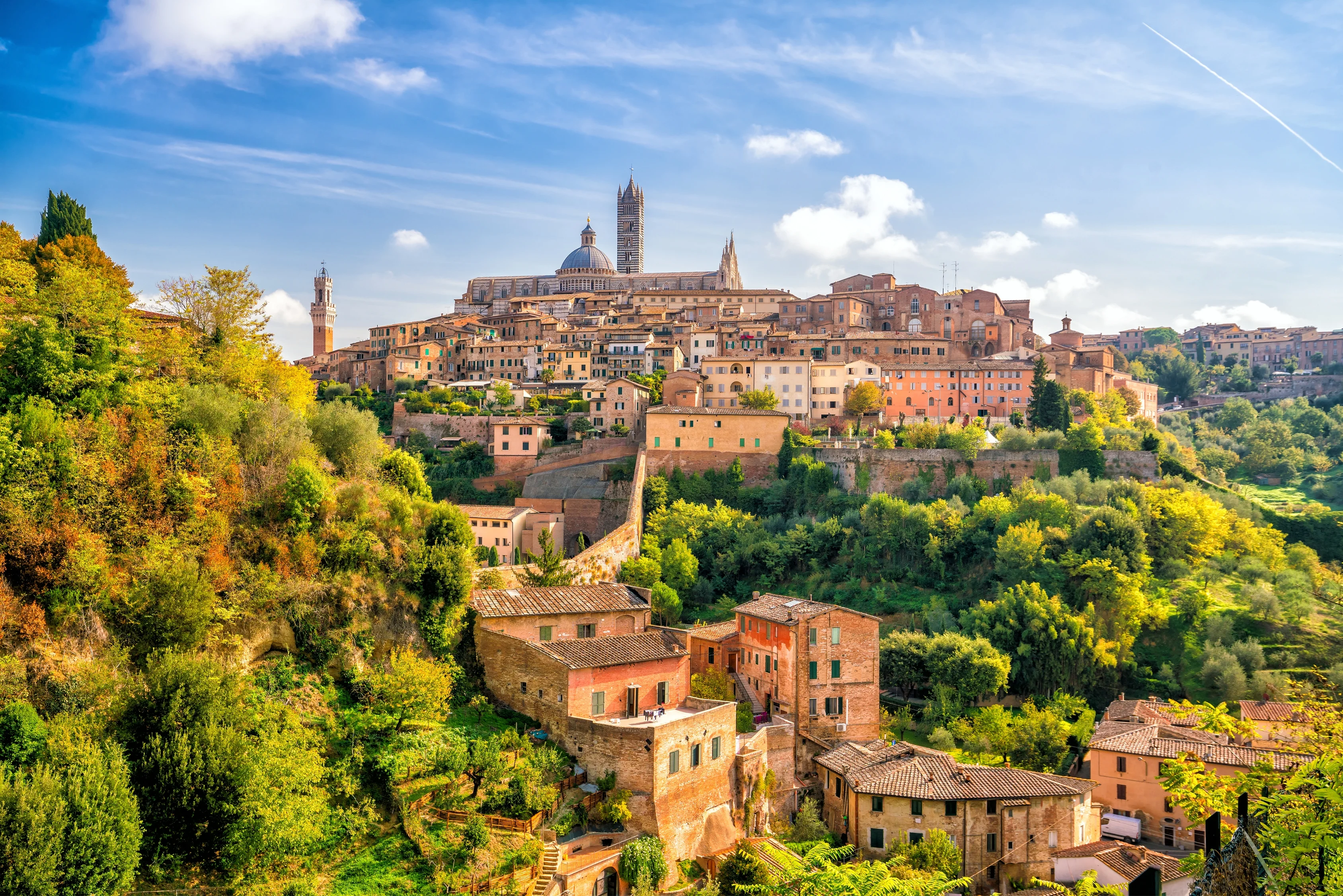
Siena, Florence's eternal rival that never needed to apologize
Three times a century, the city comes to a complete standstill. Cars vanish, sand covers the cobblestones of the central square, and ten bareback riders thunder through a ninety-second race that keeps centuries-old rivalries alive.
This is the Palio, and it captures the essence of a city that chose to stay true to itself rather than chase the modern world.
Is this destination for you?
If you love cities built for walking, where you can ditch the GPS and get willingly lost in shell-shaped alleyways that all slope back toward the same piazza, you will love Siena. It rewards a slower pace: lingering at a sidewalk café, stumbling on a medieval painting in a dim church, or soaking in a sudden hush down a quiet side street.
If you are looking for late-night clubbing, cookie-cutter museums, or heavy tourist infrastructure built for massive crowds, you might find the city small and quiet, especially in the off-season.
Great for:
- Medieval art enthusiasts and travelers who love well-preserved historic towns
- Travelers looking for a quiet base to explore rural Tuscany
- Couples and walkers who enjoy wandering without a fixed itinerary
Not ideal for:
Not ideal for:
- Anyone seeking a high-energy nightlife scene or sprawling museum complexes
- Visitors with limited mobility: the city is hilly, cobbled, and steep
- Road trippers with a large vehicle: driving and parking in the center are heavily restricted
Reasonable prices, especially compared to Florence
| Expense | Range |
|---|---|
| Hostel bed or simple hotel room | 35 to 55 € |
| Boutique hotel or B&B | 90 to 160 € |
| Quick bite (panino, pizza al taglio) | 5 to 10 € |
| Sit-down dinner with a glass of wine | 25 to 40 € |
| Budget daily total | 50 to 70 € |
| Comfort daily total | 130 to 180 € |
Estimated rates subject to change
Practical realities to know before you go
The historic center is a UNESCO World Heritage site and is almost entirely pedestrian-only. Non-resident cars cannot enter, and parking lots are clustered out by the city walls, meaning a steep uphill walk to reach the core from most of them.
English is spoken in major tourist spots, but you will find it limited in neighborhood trattorias. Knowing a few words of Italian always helps. The city is considered very safe day and night, making it an easy place for solo exploration.
Il Campo, the shell-shaped heart of the city
Everything radiates out from Piazza del Campo, a fan-shaped square divided into nine segments honoring the Council of Nine who shaped Siena back in the 13th century. Sitting on the warm bricks in the late afternoon remains one of the simplest and best experiences of the trip.
One side of the square anchors the Palazzo Pubblico and its Torre del Mangia, which you can climb (roughly 400 steps) for sweeping views across the rooftops and surrounding hills. Inside, the Sala della Pace holds Ambrogio Lorenzetti's frescoes on good and bad government, a surprisingly modern piece of 14th-century political art.
Friendly tip: climb the tower in the late morning rather than mid-afternoon for softer light and much shorter lines than you will find after 2pm.
The Duomo and its neighborhood, gothic on a grand scale
Siena's cathedral stands out with its alternating black and white marble stripes, the city colors dating back to the legend of its founding by Remus's sons. The interior delivers: a one-of-a-kind inlaid marble floor covered for its protection most of the year and uncovered for just a few weeks, usually in August and September.
Just steps away, the Battistero San Giovanni holds baptismal fonts designed by Donatello and Ghiberti, and the crypt rediscovered beneath the choir reveals medieval frescoes that stayed hidden for centuries.
The Museo dell'Opera and the forgotten view
Few visitors make it up to the Facciatone, the towering freestanding wall of an ambitious cathedral expansion that was abandoned after the plague of 1348. You reach it through the Museo dell'Opera del Duomo, and the view over the dome and terracotta rooftops more than justifies the extra stairs.
San Domenico and the terzi, everyday Siena
The city historically divides into three terzi (thirds) and seventeen contrade, neighborhood clans that still face off during the Palio. Heading away from the Campo toward the basilique San Domenico, which houses the relic head of Saint Catherine of Siena, brings you to quieter streets free of souvenir shops where neighborhood coats of arms still decorate the facades.
These same neighborhoods host the cene propiziatorie, massive outdoor community dinners thrown just before each Palio in July and August. Grabbing a seat at one of these nights, even without catching every local rule, gives you a real sense of what the competition means to the locals.
Where to eat and drink in Siena?
Sienese cooking stays rustic and grounded in farming traditions. Look out for pici, thick hand-rolled strands of pasta typically served all'aglione (with a bold garlic and tomato sauce) or tossed in wild boar ragù. Panforte, a dense cake packed with candied fruit and spices, sits in almost every downtown bakery window as a direct legacy of medieval spice merchants passing through on the ancient trade routes.
For wine, Siena serves as the natural gateway to Chianti and Brunello di Montalcino, both less than an hour away by car. Many wine bars right in the center offer casual, walk-in tastings in the late afternoon.
Where to stay in and around Siena?
Staying within the ancient walls near the Campo or the Duomo puts you right in the middle of the atmosphere, though it usually means dragging your luggage across sloping cobblestones. The blocks around Via di Città and Via Banchi di Sopra stay lively well into the evening.
For more quiet and green space, the agriturismi tucked into the surrounding hills among vineyards and olive groves offer a comfortable alternative just 10 to 20 minutes from downtown by car.
How to get to Siena?
The closest airport with direct flights from within Europe is Siena-Ampugnano (airport code SAY), though almost all international travelers fly into Florence (a 1-hour drive) or Pisa (about 1.5 hours). Direct buses run from Florence to Siena in roughly 1 hour and 15 minutes, often proving more convenient than taking the train, which requires a connection.
If you are driving from Rome, expect about a 2-hour and 15-minute drive up the highway.
How to get around Siena?
The historic center is strictly for pedestrians: walking between major landmarks never takes more than 15 to 20 minutes. Discreet public elevators and escalators connect some of the peripheral parking lots up to the higher street level.
A car is only necessary if you plan to venture out into the surrounding countryside, vineyards, and nearby hilltop towns like San Gimignano or Montalcino.
When to go?
Spring (April to May) and early autumn (September to October) strike the best balance between pleasant weather and manageable crowds. Summer brings heat and heavy crowds, overlapping with the two Palio races on July 2 and August 16, which are incredible to witness but require booking well in advance.
January and February are the quietest months, with some tourism-focused businesses scaling back their hours during this stretch.
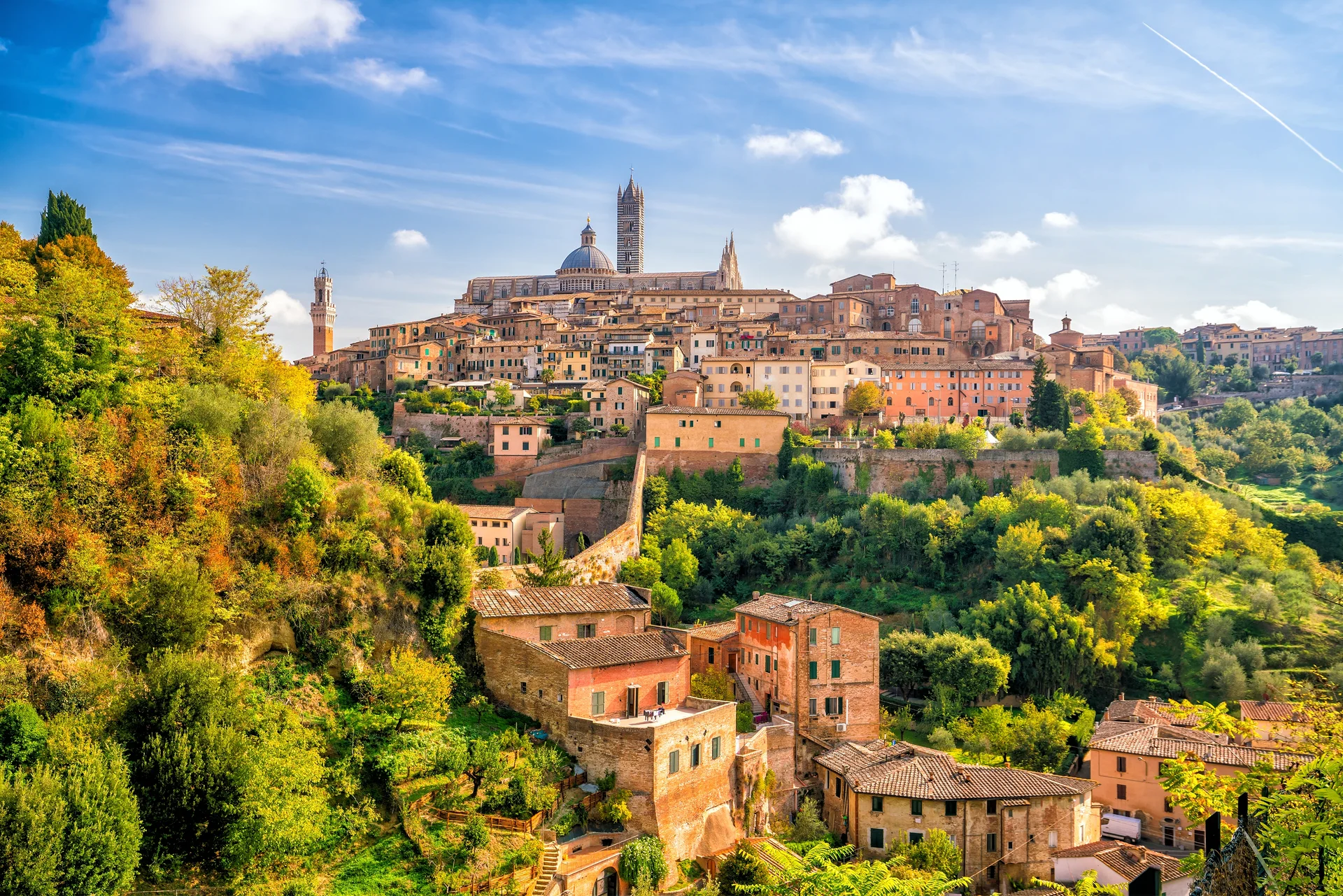
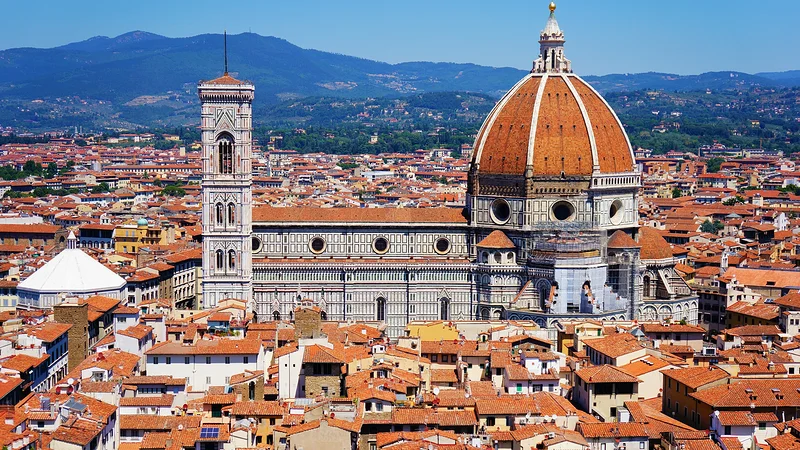
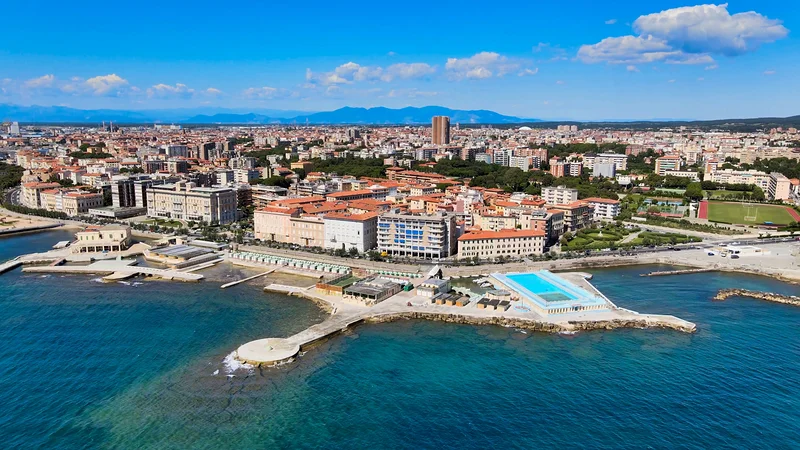
Unfairly overlooked in favor of flashy Florence, Siena remains one of the most beautiful cities in Italy for me. It is human-sized and has far fewer tourists, making it very pleasant to explore on foot, and I totally fell in love with its historic center. I was truly impressed by the Piazza Del Campo, that curved, shell-shaped square that is unique in the world. It is hard to imagine it packed with people during the Palio! Unfortunately, I wasn't able to attend.
On the square, I visited the sumptuous Palazzo, the town hall built of orange bricks, which houses the Museo Civico, interesting for its frescoes, particularly the sublime Maestà by Simone Martini. Do not miss the Santa Maria Assunta cathedral, with its striking black and white stripes. To take a break, there is nothing better than the wine bar. I tasted some very good local wines there.