
Ferrara, City of the Este: An Intact Renaissance in Emilia-Romagna
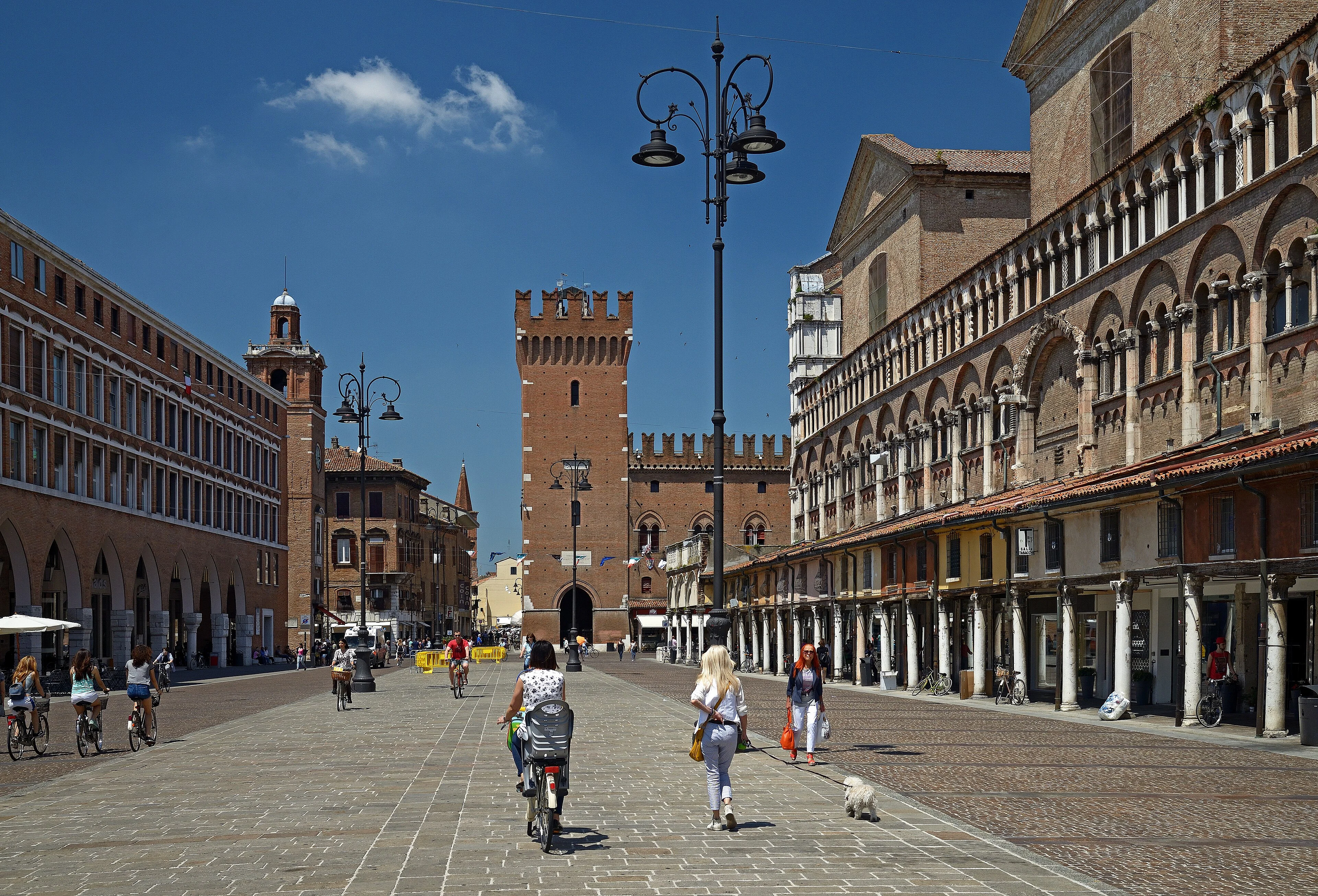
Some cities seem to have struck a secret bargain with time. Ferrara is one of them. Its 15th-century grid streets, its Renaissance palaces built from burnt-sienna brick, and its moated castle still filled with water all exist today, fully inhabited, in an Italian provincial city where bicycles outnumber tourists. That is precisely what makes it so distinctive.
A Destination Made for You?
Ferrara suits travelers looking for a character-rich Italian city without the pressure of major tourist hubs. No crowds blocking the monuments, no menus translated into ten languages, and no souvenir shops every ten yards. The city speaks to those who appreciate Renaissance architecture in a living context, the bicycle as a natural way to get around, and Emilian gastronomy in all its generosity.
On the other hand, if you expect a high-energy nightlife scene, a dense international hotel selection, or world-class museums, Ferrara might feel too quiet. This is a city built for residents, not visitors.
Great destination for:
- Fans of Renaissance architecture and UNESCO heritage
- Cyclists, since the city is flat and bike lanes are everywhere
- Travelers looking to escape the crowds of major Italian hotspots
- Food lovers curious about Emilian cooking, such as cappellacci and salama da sugo
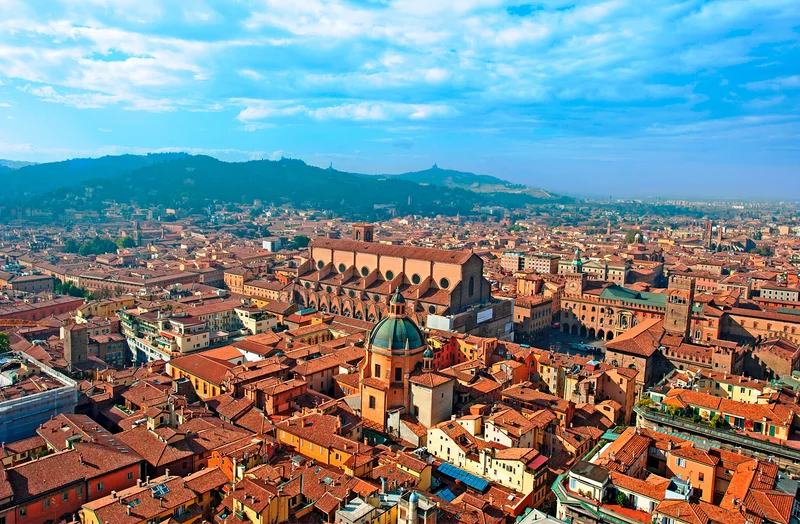
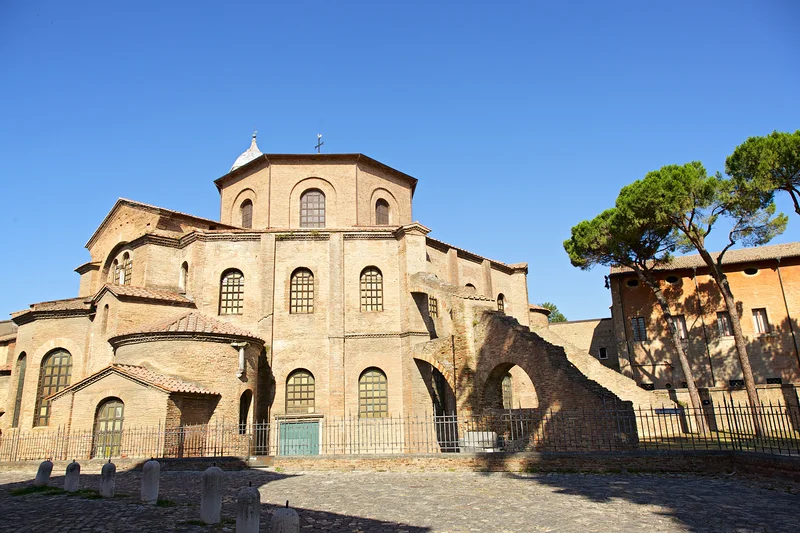
- Travelers using a home base to explore Bologna, Venice, or Ravenna
Skip this destination if:
- You are searching for beaches or mountains
- You want intense nightlife
- You are traveling with toddlers and need dedicated kid-friendly attractions
- You rely exclusively on a car, as the center has strict traffic restrictions
Budget: Reasonable for a UNESCO-Listed Italian City
Ferrara remains significantly more affordable than Florence or Venice, with prices that reflect an Emilian provincial city rather than a premier tourist trap.
| Expense | Indicative Range |
|---|---|
| Night in basic lodging (B&B, guesthouse) | $47 to $82* |
| Night in comfortable lodging (3 to 4-star hotel) | $93 to $163* |
| Quick bite (sandwich, pizza al taglio) | $7 to $12* |
| Sit-down restaurant meal (full menu with wine) | $29 to $47* |
| Museum and monument tickets (Castello Estense + Palazzo dei Diamanti) | $12 to $21* |
| Full-day bike rental | $9.30 to $18* |
| Total daily budget for backpackers | $70 to $105* |
| Total daily budget for comfort | $151 to $240* |
Indicative rates subject to change
Practical Realities
Ferrara is a very safe city, making it pleasant to explore solo or with family. The historic center, a UNESCO World Heritage site since 1995, is compact and completely walkable or bikeable. The language barrier can occasionally pop up in neighborhood shops, as English is less common here than in Rome or Milan, but locals make up for it with straightforward hospitality.
The historic center is largely a limited traffic zone (ZTL). If you drive in, plan to park on the immediate outskirts and head into the center on foot or by bike. Local public transit is functional but largely unnecessary for visitors since everything happens on two feet or two wheels.
Castello Estense and the Medieval Core
The Castello Estense, with its four towers and water-filled moat, dominates downtown with a theatrical presence. Built at the end of the 14th century by the powerful Este family, it now holds frescoed ducal apartments, subterranean dungeons, and a private chapel. A visit takes one to two hours and brings a few surprises, including the ducal kitchens, hanging gardens, and views from the towers across the Renaissance grid of the city.
Around the castle, the Piazza della Repubblica and Via San Romano form the bustling commercial core. The Ferrara Cathedral, featuring a Romanesque-Gothic facade and a cathedral museum, deserves a serious stop. The south portal bas-reliefs and the Flemish tapestries preserved in the museum are of rare quality.
Friendly tip: climb up to the roof terrace of the cathedral (separate ticket required) for an unobstructed view over the tile rooftops and city towers. Few visitors make the effort, yet it remains one of the best viewpoints in Ferrara.
Addizione Erculea: Urban Planning During the Renaissance
North of the castle stretches a neighborhood unique in Europe, the Addizione Erculea. This urban expansion was commissioned by Ercole I d'Este at the end of the 15th century and designed by the architect Biagio Rossetti. It stands as one of the earliest examples of planned Renaissance urban design, featuring wide streets, calculated perspectives, and integrated gardens. Five centuries later, the result is an unusually airy, nearly silent neighborhood where grand palaces line the Corso Ercole I d'Este.
At the end of this avenue, the Palazzo dei Diamanti gets its name from the 8,500 pointed marble blocks covering its facade. Inside, temporary exhibitions of Renaissance and modern art rank among the best in the region. This is where we would head first if we only had half a day to spare.
The City Walls and the Jewish Quarter
The Ferrara city walls, built between the 15th and 17th centuries, create a five-and-a-half-mile green belt around the city. Fully accessible by bike or on foot, they offer a timeless walk with views of the moats, private gardens, and the Po Valley countryside. This is the Ferrara of locals rather than tour guides.
The Jewish Ghetto, one of the oldest in Italy, occupies a tight network of narrow alleys between Via Mazzini and Via Contrari. Ferrara's Jewish community was long one of the most prominent and influential on the peninsula before the persecutions of the 20th century. The Museo Nazionale dell'Ebraismo Italiano e della Shoah (MEIS), opened in 2017, pays a sober, well-documented tribute to this history.
Where to Eat and Drink in Ferrara?
Ferrarese cuisine stands out as one of the most unique in Emilia-Romagna. The cappellacci di zucca, pumpkin-filled pasta seasoned with Parmesan and nutmeg, serve as the iconic local dish. They are sweet and savory, surprising at first bite and unforgettable afterward. The salama da sugo, a long-simmered fermented sausage, is more rustic and harder to find, so look for it in traditional trattorias within the old center.
For everyday stops, the covered Mercato Comunale on Via del Mercato offers cold cuts, cheeses, and local goods in a provincial market atmosphere far removed from tourist traps. Caffè Europa on Piazza Trento Trieste has been the go-to spot for locals enjoying an aperitif for decades.
Where to Stay in Ferrara?
The best strategy is to stay right in the historic center within walking distance of the Castello Estense. The selection of B&Bs and guesthouses inside former palaces is solid for a city this size. International hotels are practically nonexistent, keeping lodging local and family-run. If you need more comfort or a wider range of choices, Bologna sits 45 minutes away by train and can serve as your base.
How to Get to Ferrara?
Ferrara does not have an airport. The most practical option from abroad is flying into Bologna (BLQ) and taking a direct 45-minute regional train. Venice Marco Polo Airport (VCE) is a viable alternative, requiring a train trip of roughly 1 hour and 15 minutes to 1 hour and 30 minutes via Padua. Traveling by train within Italy, the route runs through Milan or Turin with a connection in Bologna. From North America, plan on a connection in a major European hub before the final leg into Bologna.
Friendly tip: regional trains between Bologna and Ferrara run frequently and cost very little (less than $5.80*). They depart from Bologna's central station and arrive right in the heart of Ferrara. This is easily the simplest solution, even with luggage.
How to Get Around Ferrara?
The short answer is by bike. Ferrara is flat, the center is compact, and bike lanes cover nearly the entire city. Rental shops sit right by the train station and the castle. It is how locals get around, and there is no reason to do otherwise.
For the walls or outlying neighborhoods, the TPER urban bus network covers the entire city. Taxis exist, but they are rarely needed in a center this walkable.
When to go?
Spring (April to June) and fall (September to October) offer the best periods, featuring mild temperatures, pleasant lighting, and manageable crowds. Summers in Ferrara can turn heavy and humid, with peaks hitting 95 °F (35 °C).
Winter is cold and foggy, with the Po Valley producing thick mists from November through February. However, the city takes on a distinct, almost melancholic atmosphere during these months that certain travelers seek out.
May plays host to the Palio di Ferrara, a lively historical reenactment held right in the downtown streets.
I really loved this city of art and history off the beaten tourist path! Ferrara offers a historic city center where you can bike around, a real must! I especially loved the Este Castle, a true fortress with its towers and red brick arches. A major highlight of the city is that the lack of cars makes for a peaceful way to explore, plus the city has great spots to eat, as is so often the case in Italy!