
Visiting Bologna: Between Scholarship, Flavors, and Heritage
Located in the heart of Emilia-Romagna, Bologna is worth the detour for its rich academic history, UNESCO-listed porticos, and celebrated food culture. Less crowded than Florence or Venice, it delivers an authentic Italian experience blending culture, history, and culinary pleasures.
A Historic Downtown Immersed in the Past
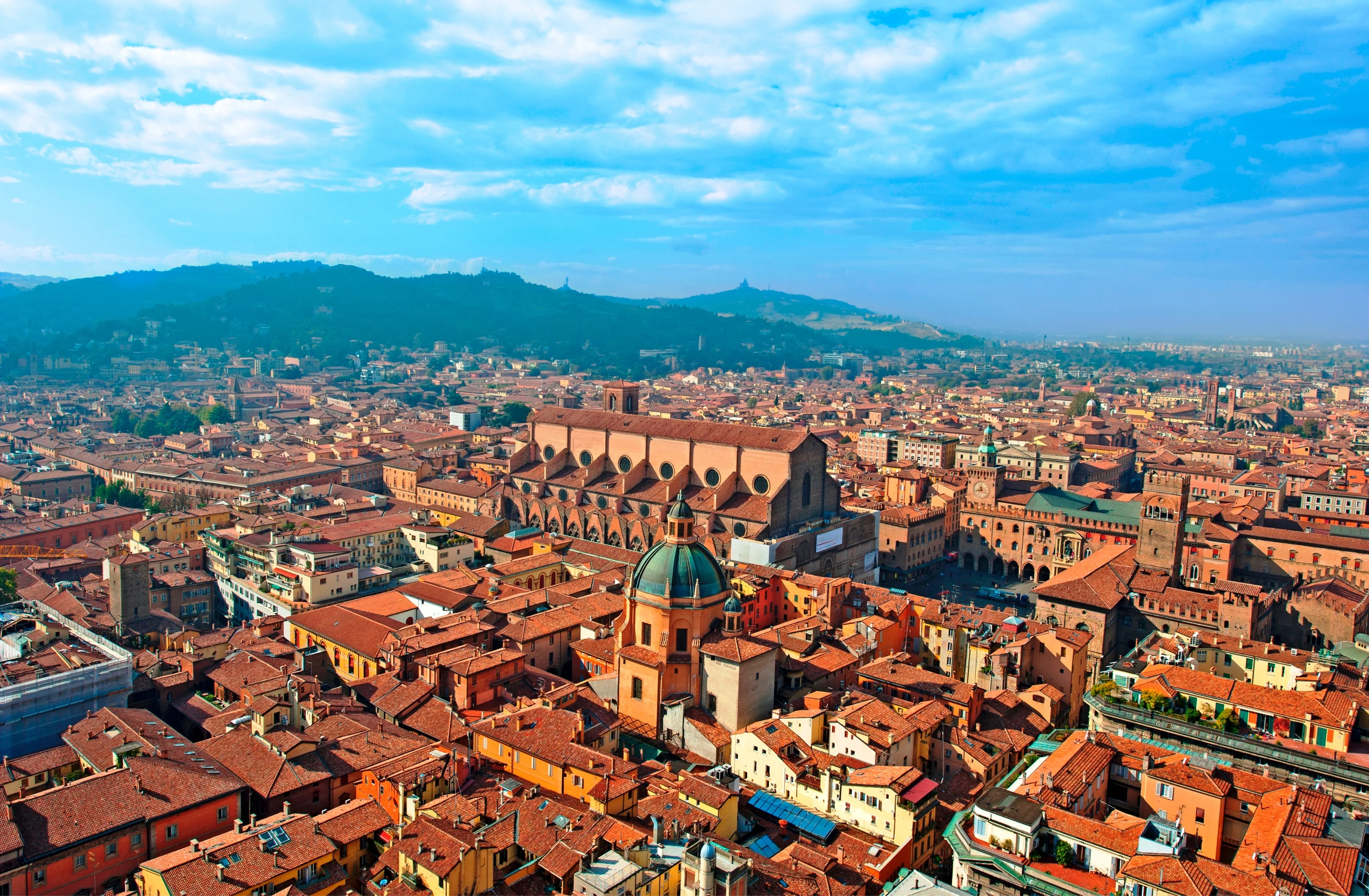
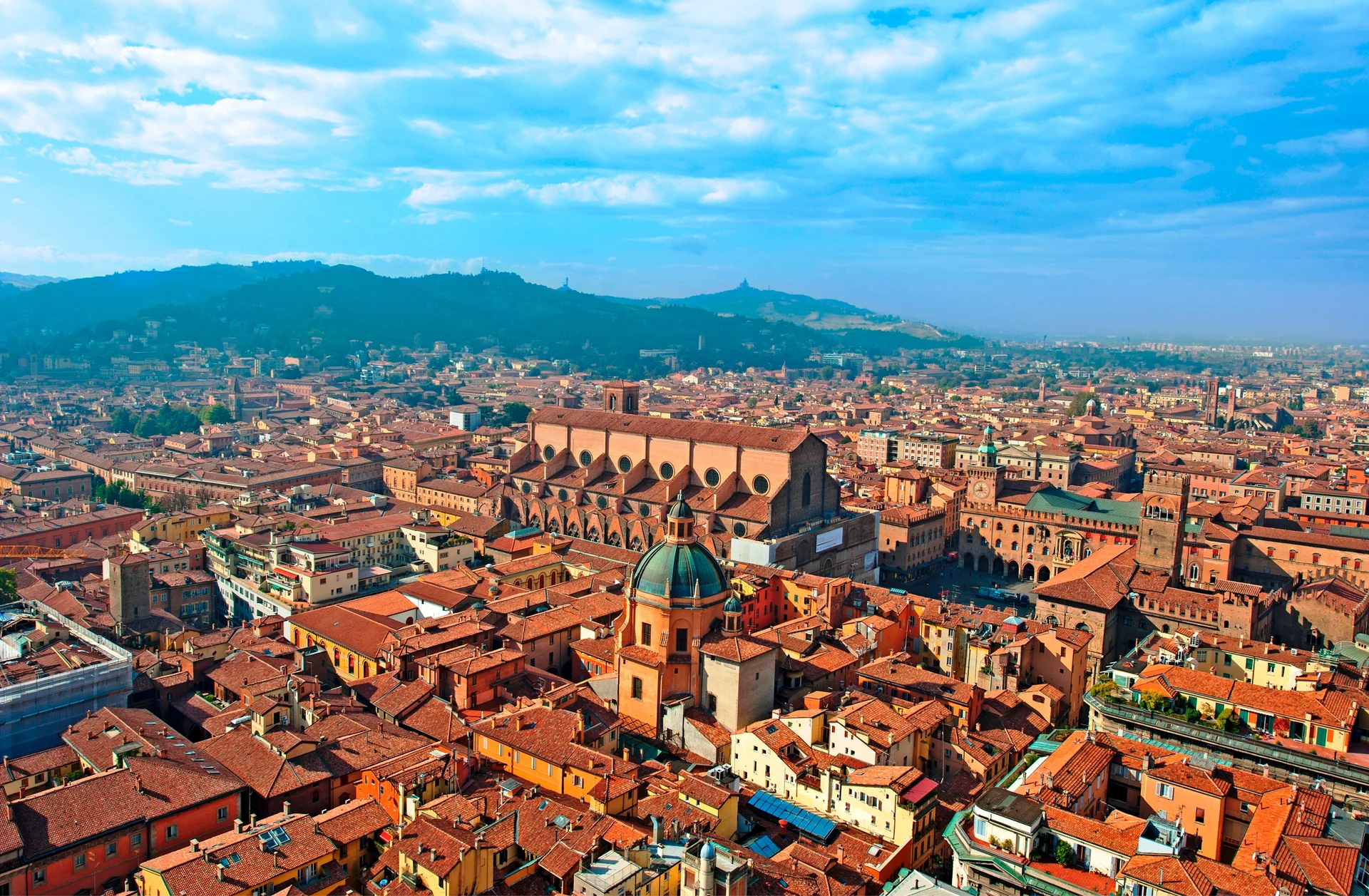
Piazza Maggiore, the main square of the city, is surrounded by iconic landmarks like the San Petronio Basilica and Palazzo d'Accursio. Nearby, the Neptune Fountain draws attention with its imposing statue. The medieval Asinelli and Garisenda towers dominate the skyline; only the Asinelli can be climbed, and its staircase rewards the brave with a panoramic view of the city.
A City of Art and Learning
Bologna is home to Europe's oldest university, founded in 1088. Palazzo dell'Archiginnasio, the former seat of the university, impresses visitors with its library and anatomical theater. The city also features museums like the National Pinacoteca, which displays works by Italian masters.
Iconic Porticos
With more than 40 km of porticos, Bologna allows visitors to stroll under cover no matter the weather. Some of these arcades date back to the Middle Ages, are recognized as UNESCO World Heritage sites, and give the city a unique atmosphere.
A Lively and Welcoming Vibe
As a classic college town, Bologna pulses to the rhythm of its residents. The narrow streets of the Quadrilatero, a former commercial district, come alive at night with wine bars and trattorias. Markets like the Mercato delle Erbe offer an immersion into local daily life.
Generous and Flavorful Cuisine
Known for its rich cuisine, Bologna is the birthplace of specialties like tagliatelle al ragù, often mistakenly called spaghetti bolognese abroad. Tortellini in brodo, small stuffed pasta served in broth, and mortadella, the signature cured meat, please every palate. Parmigiano Reggiano and traditional balsamic vinegar from Modena round out this flavor profile.
Where to eat?
- Trattoria di Via Serra (Navile): Traditional cooking in a warm atmosphere.
- Osteria dell'Orsa (Università): A spot popular with students for hearty, reasonably priced dishes.
- Drogheria della Rosa (Centro Storico): Romantic setting and a refined menu.
- Ristorante Da Cesari (Centro Storico): A family-run spot serving recipes passed down through generations.
When to go?
The months of May through June and September through October are ideal for visiting Bologna, offering pleasant temperatures and moderate crowds. Summers can get hot, but cultural festivals like Il Cinema Ritrovato liven up the evenings.
How to get there?
Bologna is well connected by transportation. Guglielmo Marconi Airport offers direct flights from several European cities. The central station is a major rail hub linking the city to Milan, Florence, and Rome via high-speed train.
How to get around?
Downtown Bologna is easy to explore on foot thanks to the extensive arcades. For longer trips, the bus network is efficient and covers the entire city.
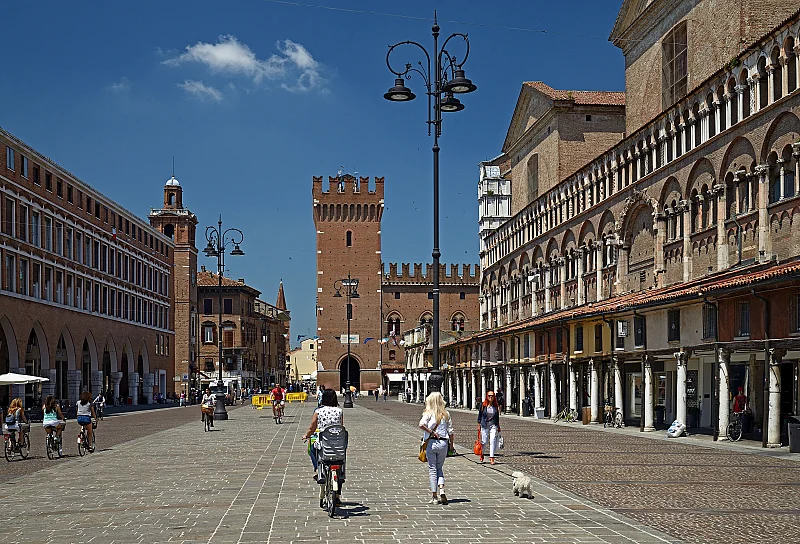
Bologna is a great city full of charm, and I really enjoyed its rich cultural side. For lovers of historical architecture, head straight to the monumental center, famous for its remarkable Neptune Fountain. Plus, La Grassa is a foodie dream! Between the great restaurants, the markets, and the specialty shops, you won't know where to turn!