
Visiting Dublin, Where the Irish Soul Beats to the Rhythm of the Pubs
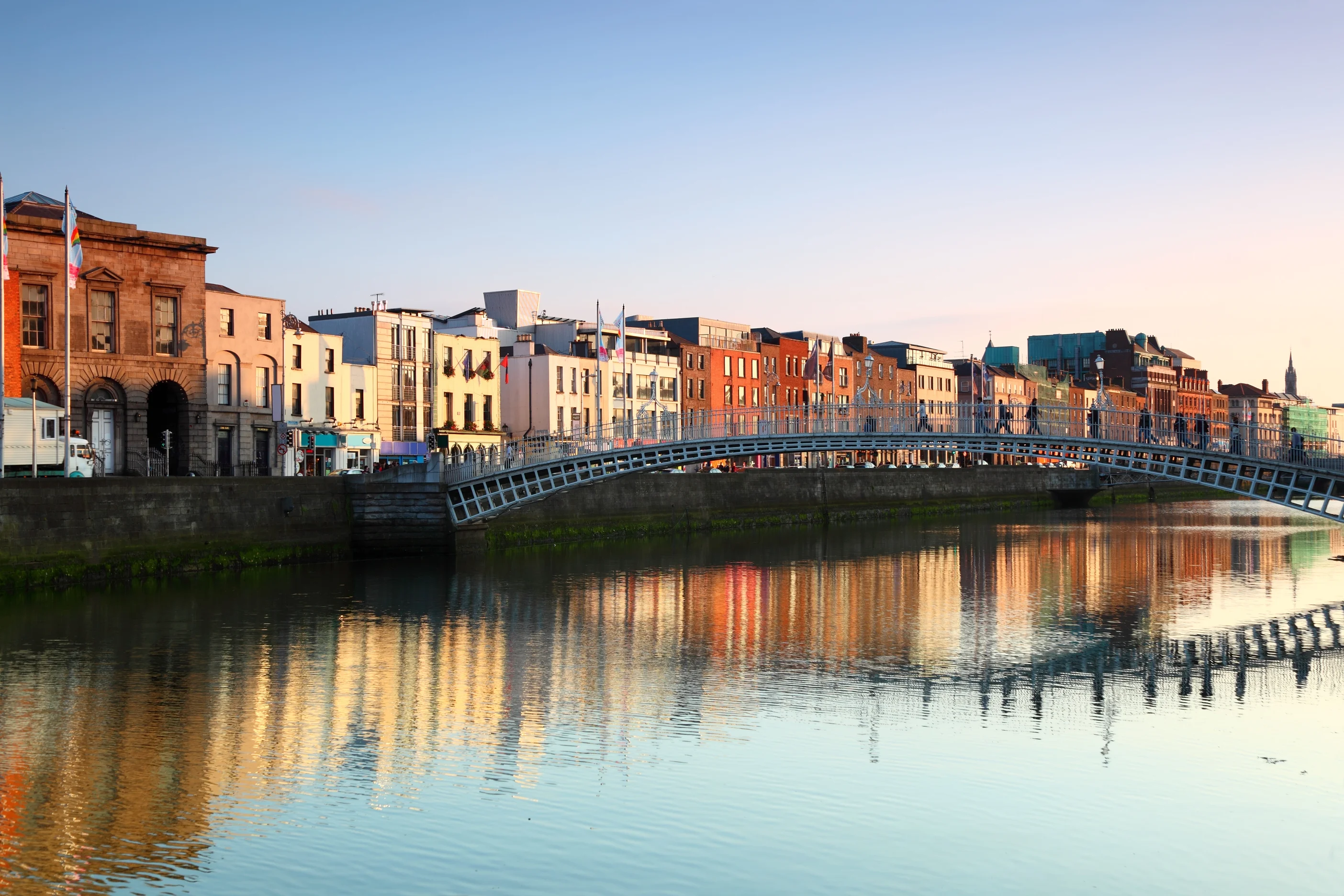
Stepping onto the cobblestone streets of this walkable capital, the scent of malted beer mixed with peat smoke hits you right away. Colorful Georgian row houses slide past while a fiddler strikes up a traditional tune on a street corner.
Welcome to a city where people raise a glass just as often as they philosophize, where James Joyce and Oscar Wilde left their mark, and where every pub hides centuries of history. Beneath its cozy, storybook facade, Ireland's capital also brings some less romantic realities, from steep prices to tourist crowds that can make certain areas feel like theme parks.
A Destination for Fans of Festive Vibe and History
This city appeals above all to lovers of authentic Celtic culture, to anyone dreaming of walking the same cobblestones as legendary writers and soaking up the unmatched atmosphere of Irish pubs. History buffs will find plenty to love with medieval castles, centuries-old cathedrals, and free museums.
On the flip side, if you are looking for guaranteed sunshine, postcard beaches, or total quiet, you are looking in the wrong place. The fickle weather and the crowds in tourist hotspots like Temple Bar can wear out travelers looking for peace and quiet.
The city works exceptionally well for short stays, ideally a long weekend or four days. The compact center is easy to cover on foot, which saves on transportation costs. Families will enjoy the numerous parks and accessible museums, while groups of friends will find plenty to do in the lively nightlife scene. Practical tip: a car is totally unnecessary and frankly a burden. Public transit is more than enough.
A Pricey Capital
Ireland's capital ranks among the most expensive European cities. Expect to spend between $68 and $85* a day on a backpacker budget (hostel dorm, pub meals) and closer to $113 to $146* for mid-range comfort with a two-star hotel and decent restaurants. Accommodation rates double on Fridays and Saturdays. The bright spot is that most national museums are free.
Temple Bar and the Historic Core: Between Authenticity and Tourist Trap
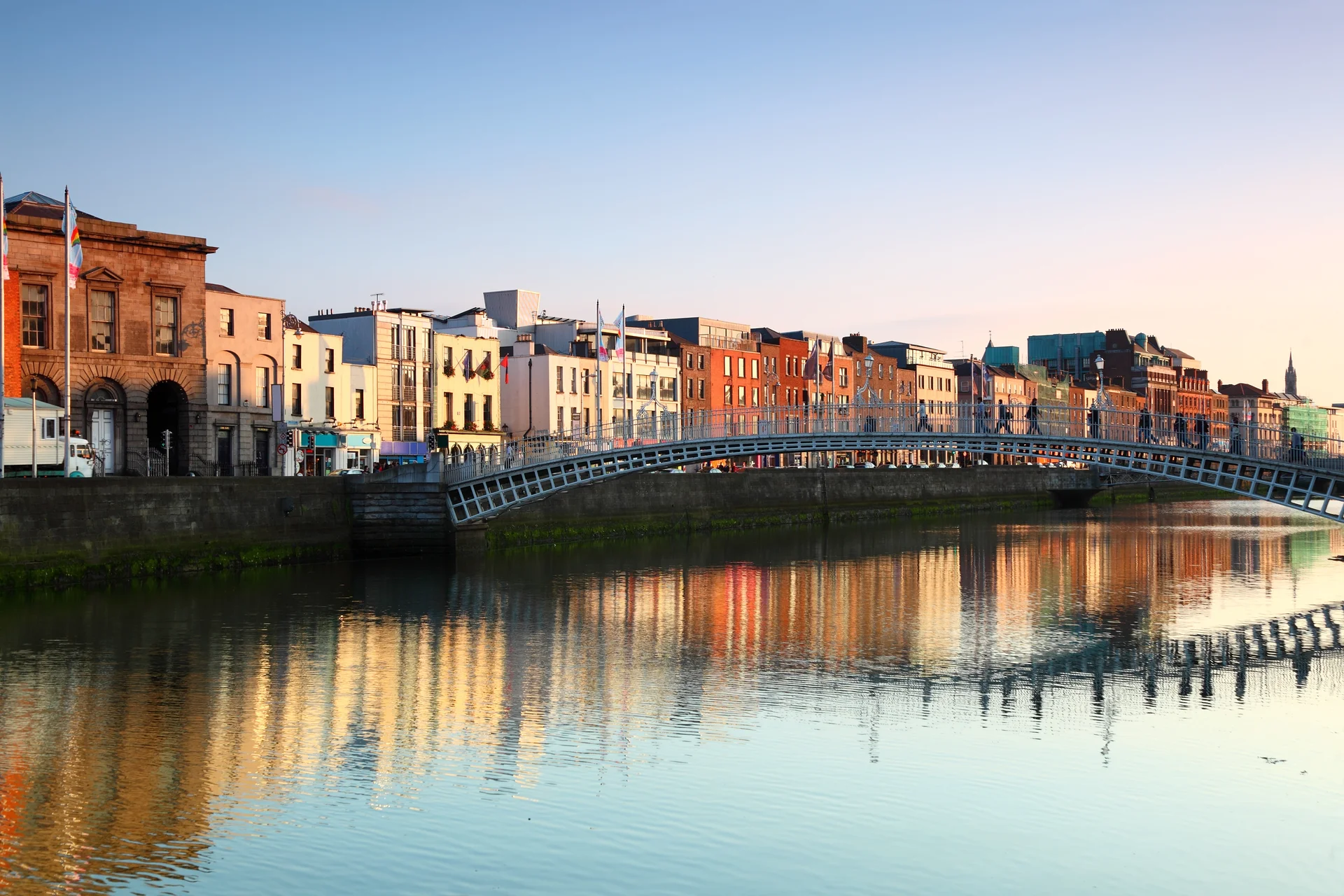
The Temple Bar neighborhood embodies all of Dublin's contradictions. Its cobblestone alleys lined with colorful pubs offer the ultimate postcard shot, but the reality can fall short. Prices are astronomical (expect $9* for a pint instead of $5.70* elsewhere), and the vibe feels more like an international college party than an authentic Irish experience. Even so, you cannot skip it entirely. The live music sessions are worth seeing, especially in the late afternoon before the waves of partygoers arrive.
Right next door, the historic center holds the city's real treasures. Saint Patrick's Cathedral, the largest in Ireland, impresses with its Gothic proportions and houses Jonathan Swift's tomb. A short walk away, Christ Church features a fascinating medieval crypt. Dublin Castle, a former Norman fortress that served as the seat of British power for seven centuries, reveals its lavish State Apartments and underground Viking foundations.
Friendly tip: visit Temple Bar during the day for the art galleries and the Saturday market, then head over to more authentic pubs in the Liberties neighborhood in the evening, where locals actually hang out.
Between Grafton Street and the Georgian Quarters: Elegant Dublin
The pedestrian avenue of Grafton Street hums with the sound of buskers, street musicians who sometimes go on to international stardom. Stroll between chic boutiques and historic cafes, notably the legendary Bewley's, a Dublin institution since 1927. At the end of the street, St Stephen's Green offers a welcome patch of green, perfect for an impromptu picnic.
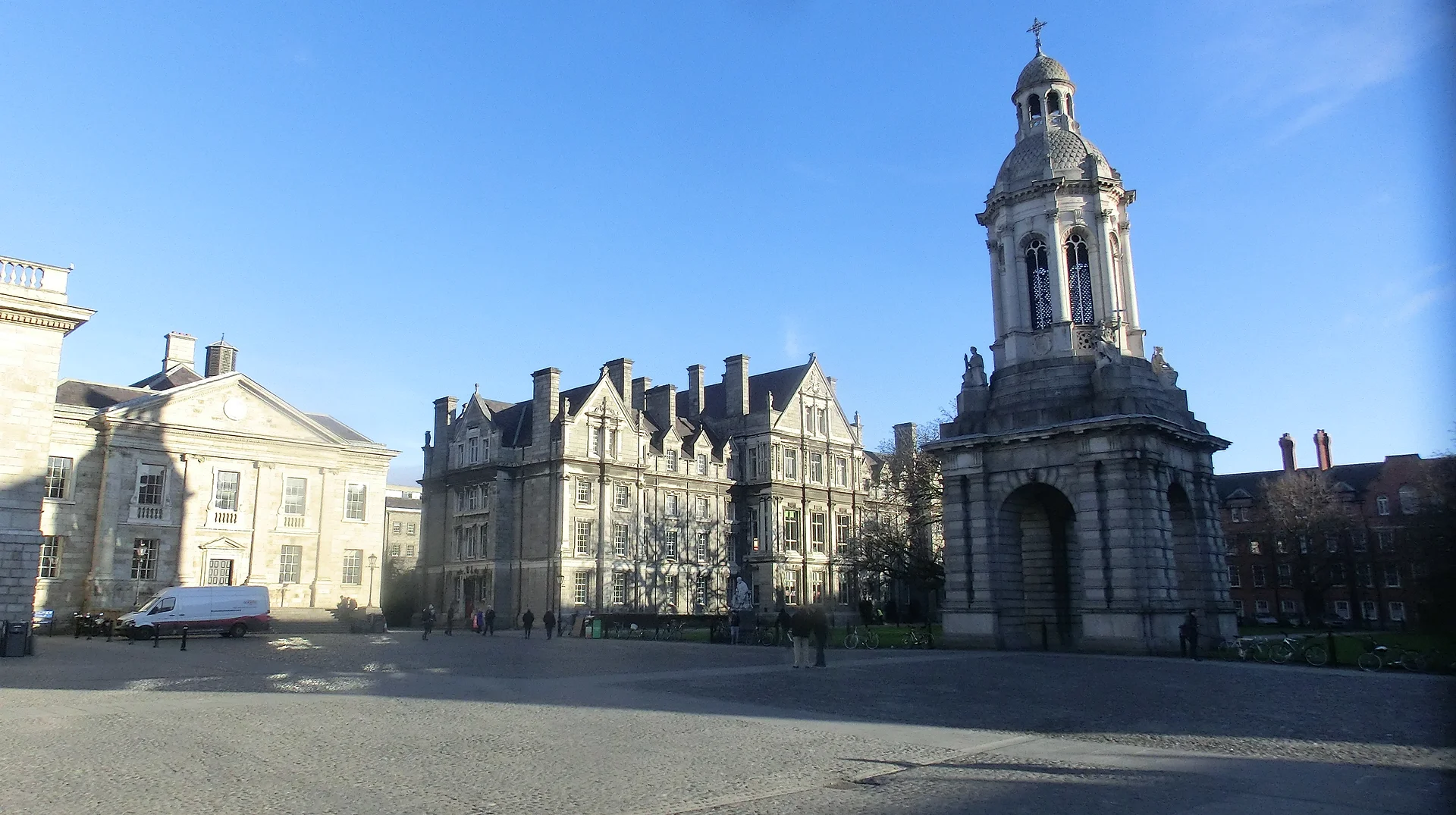
Trinity College, founded in 1592, is an absolute must-see. Its Old Library, with a massive two-story oak-shelved hall, ranks among the finest libraries in the world. This is where you will find the Book of Kells, an illuminated 9th-century manuscript of breathtaking detail. Only two pages are on view at a time, and they change roughly every three months.
Heading east, the Georgian district of Merrion Square shows off pastel facades with colorful doors framed by columns. This is where you will find the national museums, all of them free: archaeology, fine arts, and natural history. The square itself, with its statue of Oscar Wilde lounging casually, invites you to slow down and wander.
Friendly tip: book your ticket for Trinity College for the very first slot in the morning (8 AM) to see the Book of Kells before the crowds arrive. The quiet atmosphere in the library makes the early wake-up call worth it.
The Liberties and the Guinness Storehouse: Dublin's Working-Class Soul
The working-class neighborhood of the Liberties just southwest of downtown offers a raw, authentic face of the city. This is home to the Guinness Storehouse, Ireland's number one tourist attraction. This former malthouse turned museum traces the history of the famous dark beer across seven floors. The highlight? The Gravity Bar at the very top, which gives you 360-degree views of the city while you sip a perfectly poured pint included in the admission ticket, from $27*.
The Liberties are not just about Guinness. Craft distilleries like Teeling offer more intimate tours with Irish whiskey tastings. The neighborhood keeps its working-class character, with street markets and local pubs where you run into more Dubliners than tourists. The newly renovated Roe & Co Distillery blends tradition and modernity with whiskey cocktail workshops.
Friendly tip: if the Guinness Storehouse feels too touristy and expensive, go for a tour at the Teeling Distillery ($29*), which is smaller, more authentic, and leaves you with three whiskeys to taste rather than just a single pint.
The North Side and Nearby Escapes: Off the Beaten Path
On the other side of the Liffey, the North Side spent a long time shaking off a rough reputation. Even so, O'Connell Street, the main thoroughfare, holds historic landmarks like the General Post Office, which served as the stage for the 1916 Easter Rising. The Spire, a 120-meter steel needle, shoots toward the sky like a modern exclamation point. The Smithfield neighborhood is moving upscale with new art galleries and an organic market.
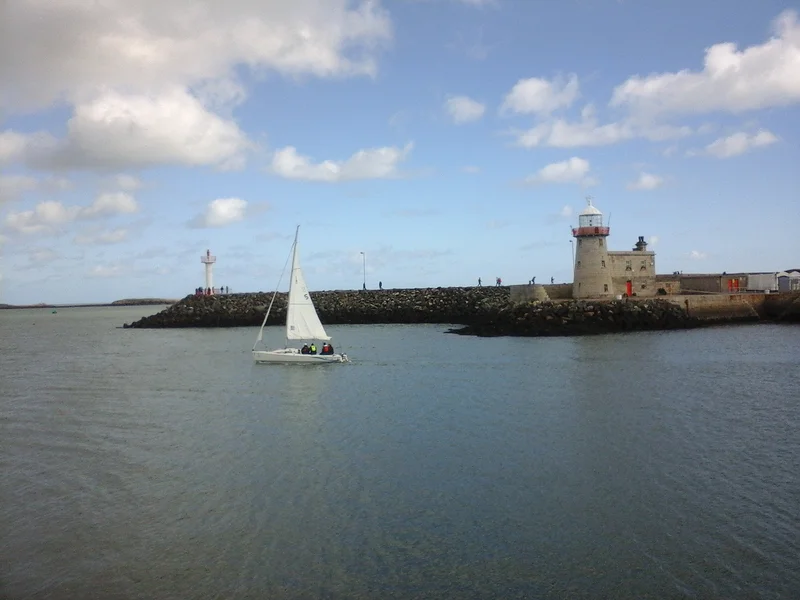
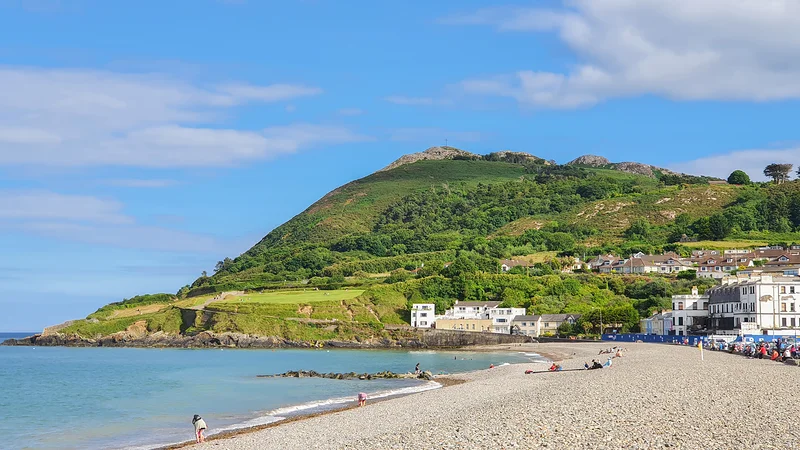
About thirty minutes away by the DART commuter train, the fishing village of Howth makes for an easy day trip. The cliff walk gives you sweeping views over the bay, and the harbor features excellent seafood spots where you can eat freshly caught fish at fair prices. Another option is Dún Laoghaire and its seaside promenade, less rugged but just as charming.
Phoenix Park, one of Europe's largest urban parks at 700 hectares, is home to wild fallow deer, the Dublin Zoo, and the Irish president's official residence. It is a breath of fresh air just ten minutes from downtown, perfect for a morning run or a picnic away from the city noise.
Friendly tip: take the DART out to Howth late in the morning, do the cliff hike (2h), grab fish and chips by the harbor for lunch, and head back in the mid-afternoon. Skip weekends when the locals show up in force too.
Where to Eat and Drink in Dublin
Dublin's food scene has exploded over recent years, swinging between comforting tradition and culinary creativity. In pubs, you will find Irish stew, a slow-cooked lamb stew with potatoes and vegetables, or coddle, a classic Dublin dish made of sausages, bacon, and potatoes simmered in broth. Boxty, a potato pancake that is crispy on the outside and soft on the inside, makes a great side for saucy dishes.
For an authentic experience without breaking the bank, head to pubs like the Gravediggers near the botanical gardens, Sheehan's in Portobello, or O'Shea's Merchant near Christ Church. At lunchtime, expect to pay $14 to $17* for a hearty main course. More upscale spots like Delahunt in Portobello put a refined spin on Irish classics: try their cider-braised pork cheeks or locally caught fish.
When it comes to drinks, you cannot dodge Guinness, but make sure to try the Irish craft beers popping up in trendy bars along Camden Street. The Irish coffee, a blend of coffee, sugar, whiskey, and whipped cream, was invented to warm up chilled passengers from a delayed flight. The fish and chips from Leo Burdock's, an institution since 1913, remains a classic grab-and-go meal for under $12*.
How to Get There and Get Around Dublin
Dublin Airport sits 13 km north of downtown. The Dublin Express and Aircoach shuttle buses connect the center in 20 to 30 minutes. Public bus 16 costs just $3* but makes every stop along the way. By taxi, expect $29-$34* depending on traffic. No trains or trams serve the airport yet.
In town, the transit network consists of Dublin Bus, the Luas light rail system (two lines, red and green), and the DART commuter train running along the coast. The Leap Visitor Card (rates from $21* for three days up to $27* for seven days) covers unlimited rides across the whole network and can be bought at the airport. An alternative is the reloadable Leap Card for $5.70*, which gives a 20% discount on every fare.
The compact center is best explored on foot. From O'Connell Bridge in the north down to St Stephen's Green in the south takes about fifteen minutes. The Dublinbikes bike-share program (3-day ticket for $5.70*) works well for experienced city cyclists, but watch out for left-side traffic and slippery cobblestones in the rain.
When to go
The ideal window runs from May to September, with a sweet spot in June and early September: pleasant temperatures around 18-20°C, long daylight hours, and fewer crowds than in peak summer. July and August bring the biggest crowds, driving up prices and jamming attractions.
Fall, particularly September and early October, offers a great compromise: fewer people, softer rates, and cultural festivals like the Dublin Theatre Festival. The weather stays manageable despite more frequent rain showers. The St. Patrick's Festival on March 17 turns the city into a massive four-day party, but requires booking months ahead.
On the flip side, skip December and January, the darkest and wettest months when some attractions close or cut their hours. The weather shifts quickly, so always pack a waterproof windbreaker and an umbrella no matter the season.

C'était un anneau qui permet de disparaitre en le portant ? Y a plein de monde qui le recherche :)