
Malahide: The Seaside Village Dubliners Keep to Themselves
Just a twenty-minute train ride from downtown Dublin, the Malahide estuary opens onto the Irish Sea in a quiet that the capital lost long ago. Sailboat masts clink in the harbor, gulls circle over fishing nets, and a castle towers over a 260-acre park as if it never left the 12th century. That contrast, between a chic commuter suburb and a historic maritime town, gives Malahide its distinct character.
Is This Destination Right For You?
If you love long walks by the water, castles you can tour without crowds or lines, and seafood eaten right by the shore, you will take to Malahide immediately. It is also an ideal base for exploring Dublin's northern coastline without staying right in the city center.
On the other hand, if you are looking for a high-energy nightlife scene or a dense concentration of museums, you might find the village a bit quiet after 9 PM. Malahide is meant for the daytime, not after dark.
Best suited for:
- Heritage and historic garden enthusiasts
- Families looking for calm and open space
- Travelers wanting a quiet home base near Dublin
- Sailing and watersports fans
Not recommended for:
- Night owls looking for evening action
- Travelers without a car who want heavy evening excursions
- Those who prioritize big-city energy and bustle
A Fairly Reasonable Budget for the Dublin Area
Malahide is generally cheaper than central Dublin, especially for lodging. Still, expect Irish pricing, which is rarely a bargain.
| Expense | Range |
|---|---|
| Night in a B&B or small hotel | $81 to $116* |
| Night in a comfortable hotel | $139 to $210* |
| Casual meal (fish and chips, cafe) | $12 to $18* |
| Restaurant meal (seafood, pub) | $29 to $47* |
| Daily transit and small activities | $18 to $29* |
Estimated rates subject to change
Practical Realities on the Ground
Malahide is very easy to visit without a car thanks to the DART commuter train line connecting the village to downtown Dublin in about twenty minutes. The village itself is entirely walkable, including the harbor, castle, and main commercial street.
The Irish climate sets the pace with coastal wind, frequent light rain, and a changing sky year-round. Pack a rain jacket even in summer. As for safety, Malahide is a quiet residential town with no particular safety warnings for travelers, including solo female travelers.
The Castle and Its Estate, the Historic Heart of the Village
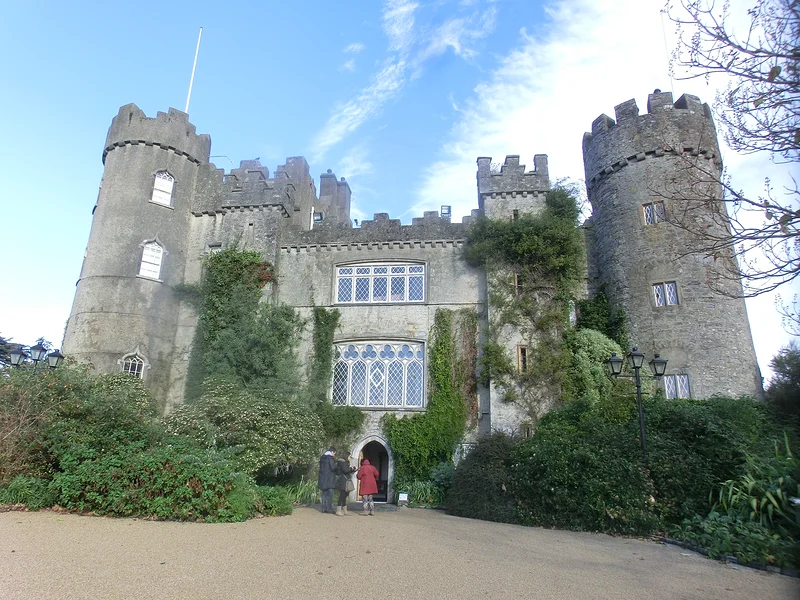
Malahide Castle belonged to the same family, the Talbots, for nearly eight centuries, a rare continuity even by Irish standards. Today you can tour its period drawing rooms, Great Hall, and Georgian furniture before wandering the Malahide Castle & Gardens, a landscaped park housing one of the country's largest collections of exotic plants, notably within the 18th-century walled garden.
Right next to the castle, the Fry Model Railway delights visitors of all ages with its detailed miniature models of Irish transport, a low-key attraction that is exceptionally well executed.
The Harbor and Waterfront
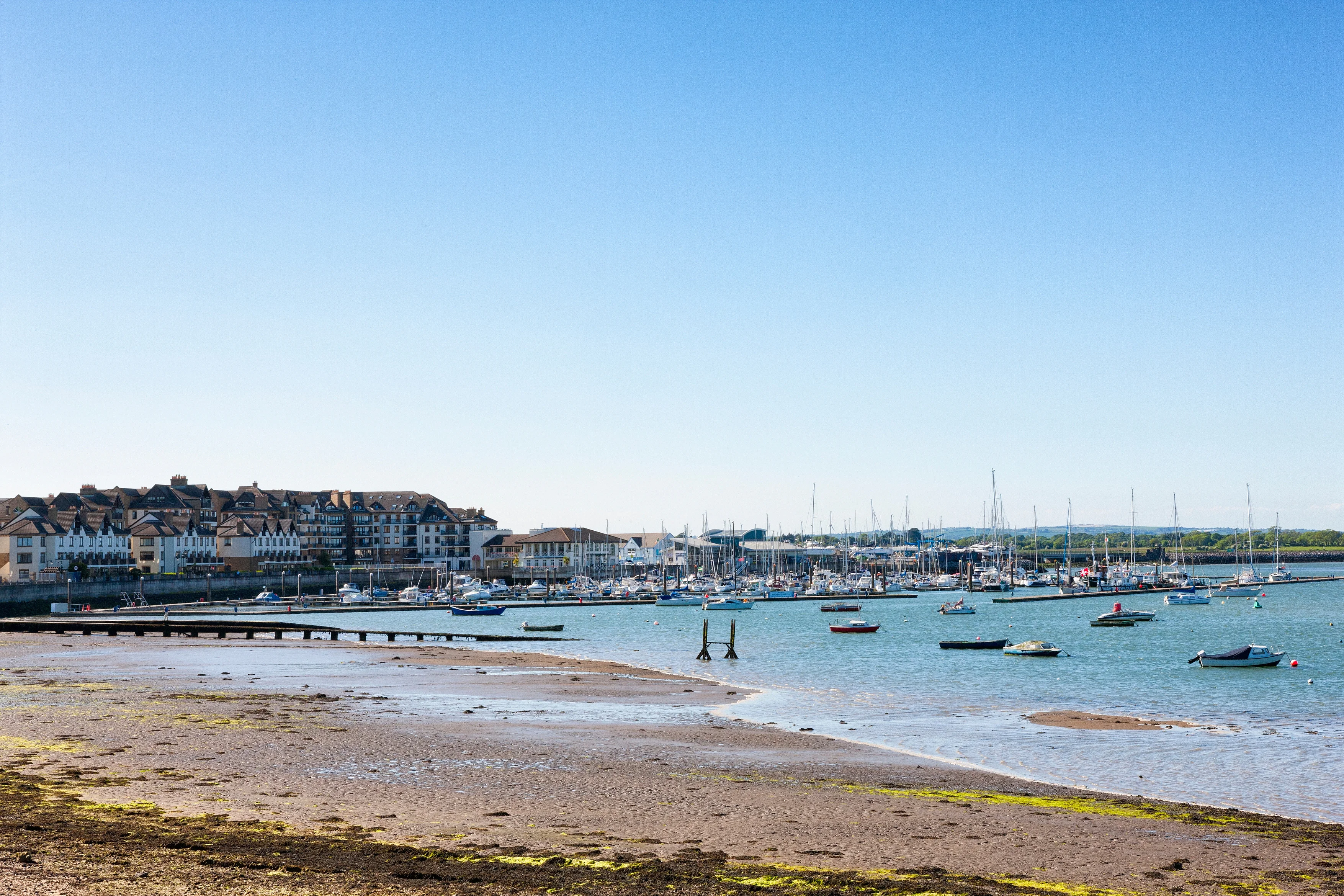
Malahide's harbor remains an active marina rather than a frozen postcard. You will run into amateur fishers, sailing clubs, and Sunday walkers. The path running along the estuary to the peninsula offers wide views of the Irish Sea and, on a clear day, all the way to the hills of Howth.
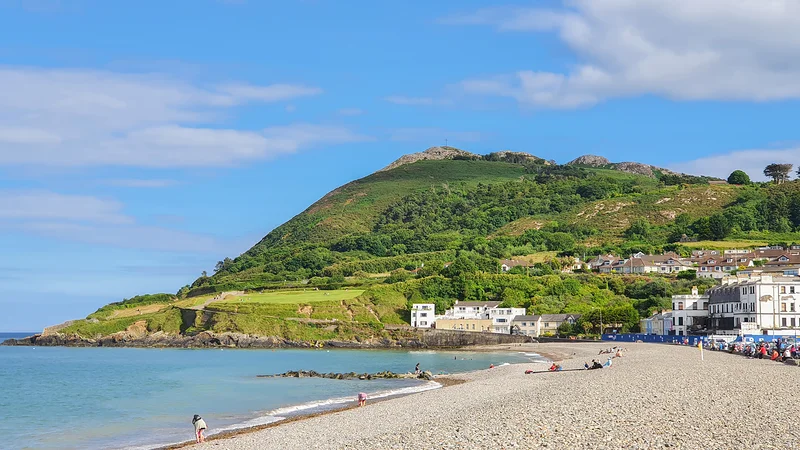
Friendly tip: Walk the seawall toward Robswall to reach a small, quiet beach far from the center crowds, which is especially nice in the late afternoon when low light skims across the water.
Malahide Marina and Distant Lambay Island
From the marina, several boat tours offer views of the seabird colonies and seals that frequent the bay. Lambay Island, visible offshore, remains private, but its rocky silhouette is part of the daily scenery for residents.
Watersports enthusiasts will find a well-regarded sailing club in Malahide where you can rent a dinghy or try kayaking on the estuary, a family-friendly activity accessible even without prior experience.
Where to Eat and Drink in Malahide?
Main Street and the harbor area concentrate most of the options. Seafood is the obvious local specialty: mussels, crab, and fresh daily catches turn up in several restaurants overlooking the water.
For a simpler stop, traditional pubs in the center serve a solid fish and chips with a pint of Guinness in the laid-back atmosphere typical of Irish coastal villages.
Where to Stay in Malahide and Around?
The village center concentrates B&Bs and charming small hotels, often a few minutes' walk from the castle or the DART station. For a more comfortable stay, several hotels with estuary views offer modern rooms and spas.
The surrounding areas, particularly toward Portmarnock or Swords, offer options that are often cheaper while staying within easy reach of Dublin Airport.
How to Get to Malahide?
Dublin Airport is only about fifteen minutes away by car, making Malahide a practical first or last stop on an Irish trip. Dublin takes direct flights from a dozen North American cities, roughly six to ten hours in the air depending on your departure point.
From downtown Dublin, the DART line serves Malahide directly in about twenty minutes for a one-way fare around $3.50 to $4.70*.
How to Get Around Malahide?
The village is entirely walkable. The harbor, castle, and main street are connected by shaded paths taking less than twenty minutes. The DART network and Dublin Bus make it easy to reach neighboring towns like Howth or Portmarnock without a car.
A car is still useful for exploring the northern coast more freely, especially to reach less crowded beaches or small inland villages.
When to go?
The months from May to September offer the longest days and mildest temperatures, ideal for enjoying the castle park and coastal walks.
Skip the winter months if you plan to spend a lot of time outside, as maritime winds make walks far less pleasant between November and February.

Amazing picture. I bet you most enjoy being there with your friend. ❤️❤️