
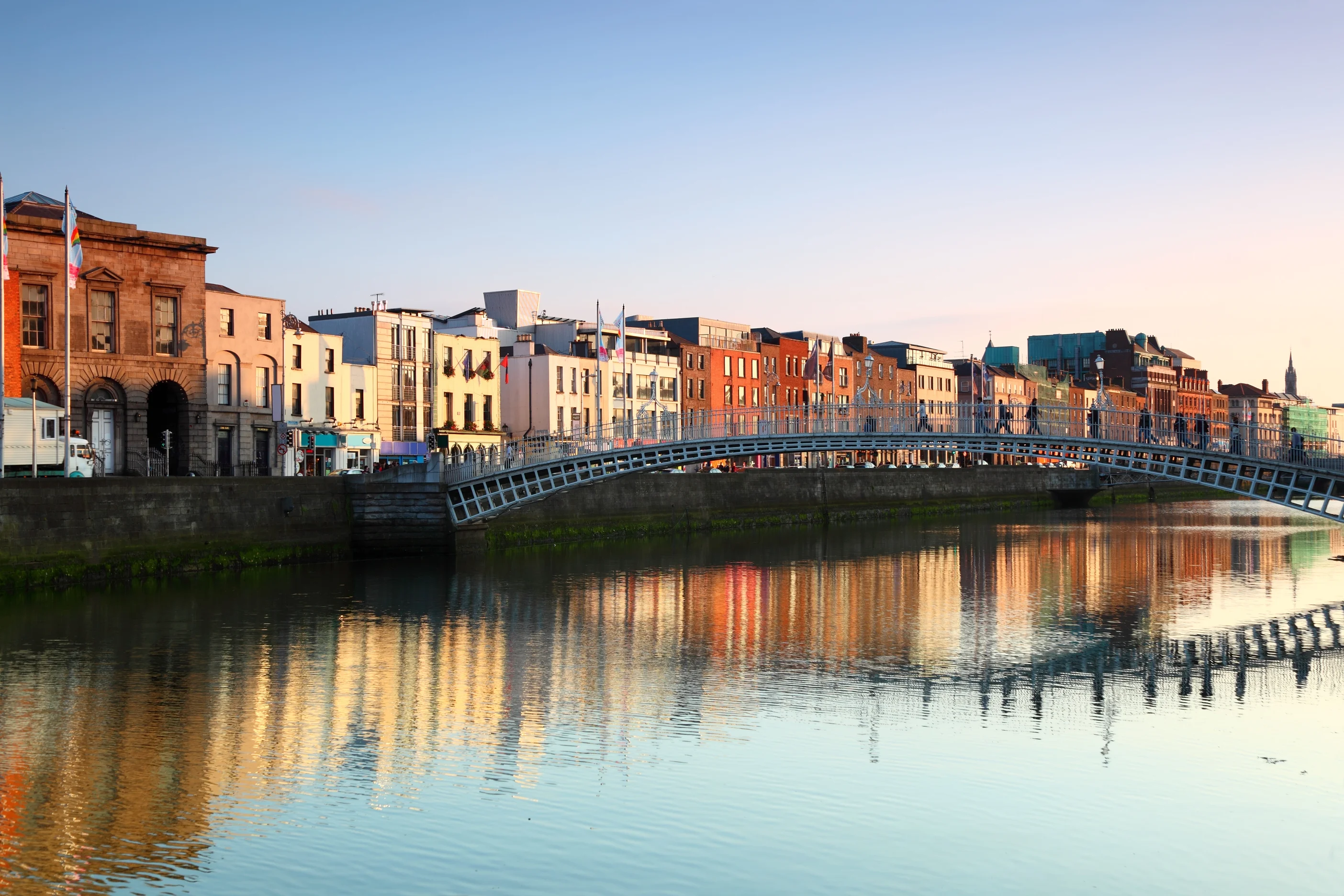
Where to stay in Dublin: the 5 neighborhoods to know in 2026
Lots of cities get loud on the weekend. Dublin keeps that energy going seven nights a week, from Cobblestone to O'Donoghue's, and booking a Tuesday night does not guarantee quiet. Your top priority here is not the view. It is how many streets sit between your bed and the live music.
The Liffey offers the easiest dividing line: south means pubs and steeper prices, while north gets you a cheaper room a ten-minute walk away. Dorm beds run $34 to $57* a night, while a solid central three-star runs 90 to 160. Those figures double during St. Patrick's Day or a rugby weekend. Across the five areas below, you will find out exactly what you can expect to hear outside your window after dark.
The streets are lively every day of the week, with live music from Monday to Sunday in the famous pubs of this city that never sleeps.
Compare hotel prices in Dublin
In a hurry? Find the best accommodation deals in 3 clicks.
Compare live deals from Booking, Expedia, Agoda and other partners.
At a glance: our picks by traveller type
Pick the profile that suits you to head straight to the recommended neighborhood.
The neighborhood map in Dublin
Get your bearings on the neighborhoods and must-see sights before choosing where to drop your bags. Click a name to jump to its description.
Trinity, Temple Bar, and Dame Street South Bank, the tourist center
for a first visit, if noise does not bother you
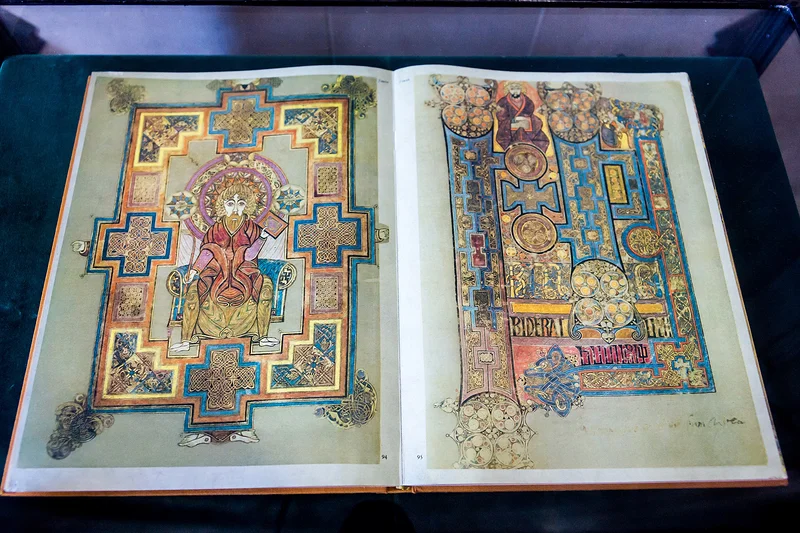
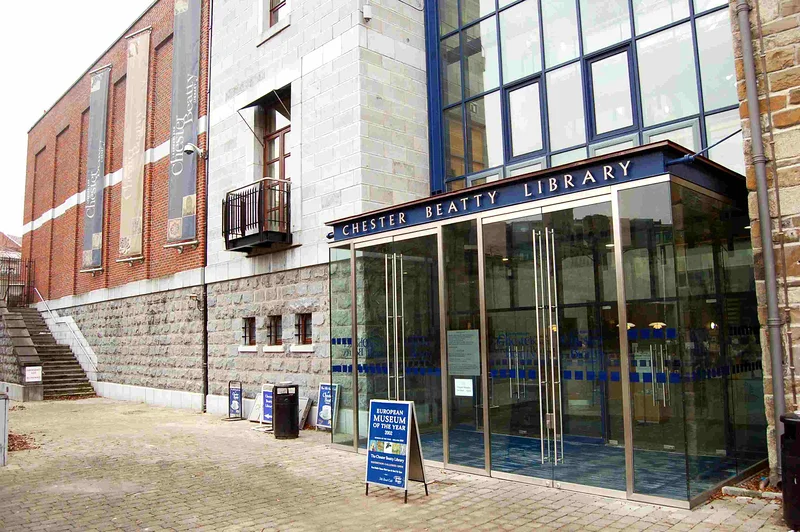
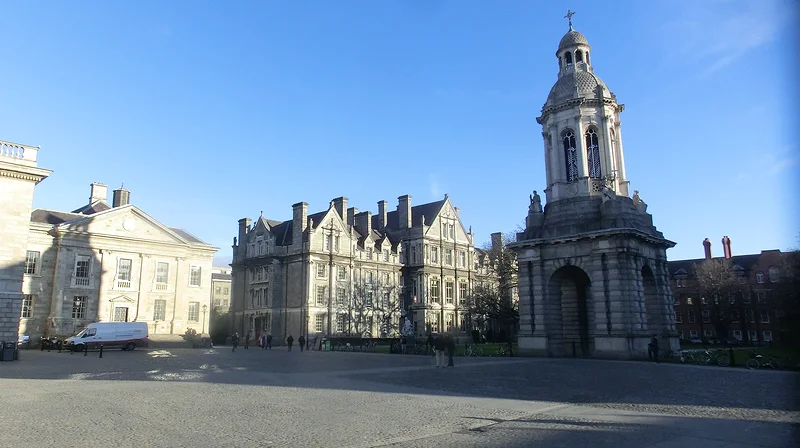
Everything you come to see the first time sits in this compact zone: the Trinity College Library and its Book of Kells, Dublin Castle, and the Chester Beatty, which is free to enter. The library fills up fast, and a traveler in our community shares the smart move: "It is a must-see in Dublin, but to get the most out of your visit, choose off-peak hours to enjoy the peace and the grandeur of the place.". Staying right next door makes that easy. The downside is well known: the streets of Temple Bar stay loud until the clubs close around three in the morning. You go out there, you sleep a block over.
What to see & do in the neighborhood

Where to stay in this neighborhood
The College Green Hotel Dublin Luxury
The 19th-century former bank facing Trinity, now a hotel featuring a glass atrium, a bar set in the bank vaults, and the campus right across the street.
The Morgan Mid-range
A design-forward address in the heart of Temple Bar with soundproofed rooms and a ground-floor cocktail bar, so the party stays outside and quiet stays inside.
Barnacles Temple Bar Budget
The hostel planted right in the middle of the action on Temple Lane. Clean dorms, a shared kitchen, and breakfast included make it the floor price for sleeping inside the tourist zone.
Pros
- Trinity, the castle, and the Chester Beatty on foot
- Both banks connected by the Ha'penny Bridge
Cons
- Noise until the clubs close
- The highest rates in town
St Stephen's Green and Georgian Dublin South bank, southeast
for a quiet stay right in the center
Red brick, lacquered doors, and black wrought iron, this is the Dublin you end up photographing without realizing it. The Green and its swans, Grafton Street and its street performers, plus the free national museums scattered around Merrion Square, including Archaeology and its Viking gold. It stands as the quietest pocket of the center, making it a prime spot to book a room. Two caveats: rates match what you would pay in Temple Bar, and the lower end of Harcourt Street packs in nightclubs, so make sure to ask for a room facing the back.
Where to stay in this neighborhood
The Shelbourne Luxury
The 1824 mansion right on the Green, where the Irish constitution was drafted in suite 112. The park sits at your doorstep, and Grafton Street is a three-minute walk away.
Buswells Hotel Mid-range
Three Georgian townhouses facing the parliament, combined into a 55-room hotel. Ornate moldings, crackling fireplaces, and politicians mingling at the bar.
Albany House Budget
A Georgian house at the top of Harcourt Street run like a traditional bed and breakfast, featuring original hardwood floors, high ceilings, breakfast included, and an elevator. Request a room in the back since the street gets noisy.
Pros
- Free national museums within walking distance
- The quietest zone in the center
Cons
- Premium pricing at the top end
- Quiet nights outside of the dining scene
The Liberties and the two cathedrals South Bank, West
for the cathedrals, the Guinness, and a step down in price
The oldest part of Dublin, and the most affordable of the central neighborhoods. Christ Church Cathedral and its medieval crypt, Saint Patrick's Cathedral and its park, Dublinia for Viking history, followed by artisan alleyways leading all the way up to the Guinness Storehouse for a panoramic pint. Everything is walkable from here, including Temple Bar, while saving $23 to $34* a night. The trade-off: between the major sights, several streets lack character, and dining options thin out fast after 8:00 PM.
Where to stay in this neighborhood
Hyatt Centric The Liberties Luxury
Contemporary building on Dean Street, right across from Saint Patrick's Cathedral. Rooms look out toward the spire, plus there is underground parking and a 24-hour fitness center.
Maldron Hotel Kevin Street Mid-range
Dependable 4-star pick two blocks from Saint Patrick's: spotless rooms, a hearty breakfast, and a ten-minute walk into the center.
Kinlay House Budget
Red-brick hostel on Lord Edward Street, facing Christ Church. Dorms and private rooms, with a continental breakfast included.
Pros
- Cathedrals, Dublinia, and Guinness within walking distance
- $23 to $34* cheaper per night than the center
Cons
- Plain streets connecting the major sights
- Limited dinner options after 8:00 PM
O'Connell Street, Smithfield, and the North Bank North Bank
for theaters, 1916 history, and the best prices in the center
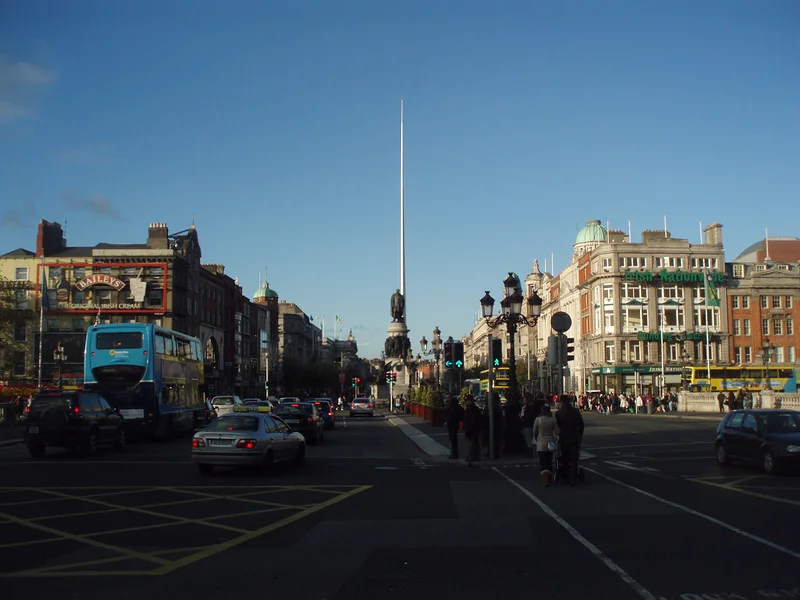
The North Side costs less than the South Side for the exact same walking distance. This is where you will find the General Post Office, headquarters of the 1916 Easter Rising, the towering Spire, the Abbey Theatre, and Smithfield, home to the Jameson Distillery and the Cobblestone pub. FlorenceT, who lived in Dublin for a year, suggests crossing over the Liffey to track down some alternative neighborhood bars. The catch is that O'Connell Street itself gets a bit rough around the edges once the pubs close down, and the side streets are generally nicer than the main thoroughfare.
What to see & do in the neighborhood
Where to stay in this neighborhood
Riu Plaza The Gresham Luxury
An 1817 grand hotel on O'Connell Street now run by a Spanish chain, featuring a high ceiling lobby, crystal chandeliers, and the tram stop right outside the front door.
Wynn's Hotel Mid-range
A Lower Abbey Street landmark dating back to 1845 that has since been updated, complete with stained glass windows, a local neighborhood bar, and the Abbey Theatre just around the corner.
Generator Dublin Budget
A large hostel on Smithfield Square right across from the old Jameson Distillery chimney, offering a lively bar, dorms, and private double rooms.
Pros
- Theaters, the central post office, and the Hugh Lane Gallery on foot
- The best rates in the center
Cons
- O'Connell Street feels a bit harsh at night
- Fewer Georgian facades
Kilmainham, Heuston, and Phoenix Park West, around Heuston Station
for the park, the historic prison museum, and trains heading west
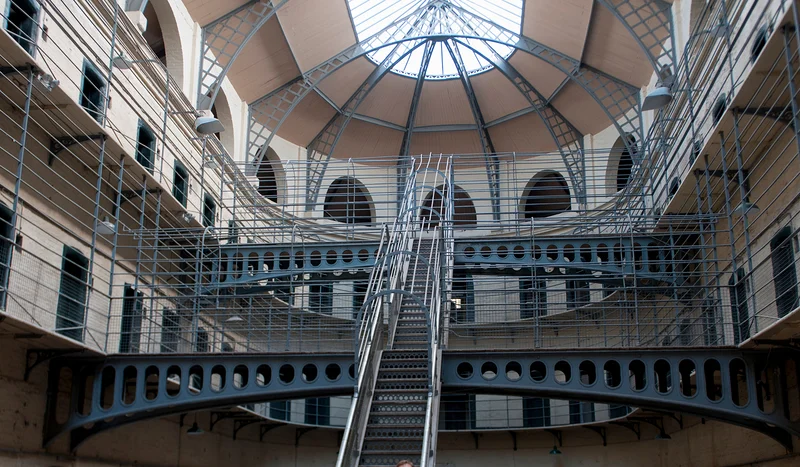
Head west and the energy opens up. Phoenix Park, the largest enclosed urban park in Europe, holds the zoo, the presidential residence, and roaming herds of fallow deer. Across the way, Kilmainham Gaol traces the fight for independence cell by cell, while IMMA fills the former royal hospital. From there, a traveler in our community walked to the Guinness Storehouse: « it took about twenty minutes «. The trade-off is that downtown is a twenty-minute walk or a ten-minute tram ride away, and evening dining options nearby are practically non-existent.
The park is certainly vast, but also quite empty. It is not necessarily pleasant to walk around in. On the other hand, for a bike ride, it is not bad.
What to see & do in the neighborhood


Where to stay in this neighborhood
Hilton Dublin Kilmainham Luxury
The four-star hotel on Inchichore Road, right across from the museum prison. Features a balneotherapy pool, sauna, parking, and the Luas tram to take you back down to the center.
Ashling Hotel Mid-range
Two hundred twenty-six rooms on Parkgate Street, tucked between Heuston Station and the park entrance. Hearty breakfast and the tram right outside the door.
Phoenix Park Hotel Budget
A renovated family guesthouse at 38 Parkgate Street with a bar and café on the ground floor. Two hundred meters from Heuston Station, with the park at the end of the block.
Pros
- The park and the zoo at the end of the street
- Heuston: trains headed for Galway and the west
Cons
- A twenty-minute walk to downtown
- Almost nowhere to eat dinner in the evening
Our tips for booking the right place
- A thirty-minute walk covers almost everything: The entire center fits inside a thirty-minute walk, and the Liffey is crossed by about ten bridges. Beyond that, two Luas tram lines, the DART coastal train, and buses take over, with a daily cap on the Leap Visitor Card. The airport has no train link, so your options are the 747 bus or the Aircoach, taking thirty to fifty minutes depending on traffic.
- The music starts earlier than you think: At the Cobblestone in Smithfield, sessions kick off in the middle of the afternoon, while at the Brazen Head, the oldest pub in the city, the evening music gets going around 9:00 PM. Last call is around 11:30 PM on weekdays, a bit later on weekends. A Dublin night out wraps up early, leaving you plenty of quiet for sleep if your room is in the right spot.
- The dates that double room rates: Six Nations weekends at the Aviva, the Gaelic football finals in September, and concerts at Croke Park cause rooms to vanish and rates to climb. St. Patrick's Day requires booking several months ahead. May, June, and September remain the most straightforward months.
- Booking a room facing directly onto Temple Bar. The streets in this sector stay noisy until the clubs close around three in the morning, seven nights a week and not just on weekends. Pulling back by a single side street is enough to get some sleep without giving up the location.
- Reserving a room above a live music pub or nightclub without checking first. Several central hotels, particularly on Harcourt Street, run their own ground-floor club and hand out earplugs at the front desk. The detail appears in the property listing, so read it before paying.
- Believing airport hotels advertised as twenty minutes from downtown. That holds true without traffic, but during rush hour on the M1, count on double that, and shuttle buses thin out at night. For a single night before an early flight, it works; for a full stay, it does not.
FAQ: where to stay in Dublin
What neighborhood should you pick for a first visit to Dublin?
Where can you stay on a budget in Dublin?
Which neighborhood works best for a family trip?
Where are the best spots for nightlife in Dublin?
Do you need a car in Dublin?
How much does a hotel night cost in Dublin?
 Keep exploring
Things to do in Dublin
Keep exploring
Things to do in Dublin
Comments (0)
No comments yet. Be the first!