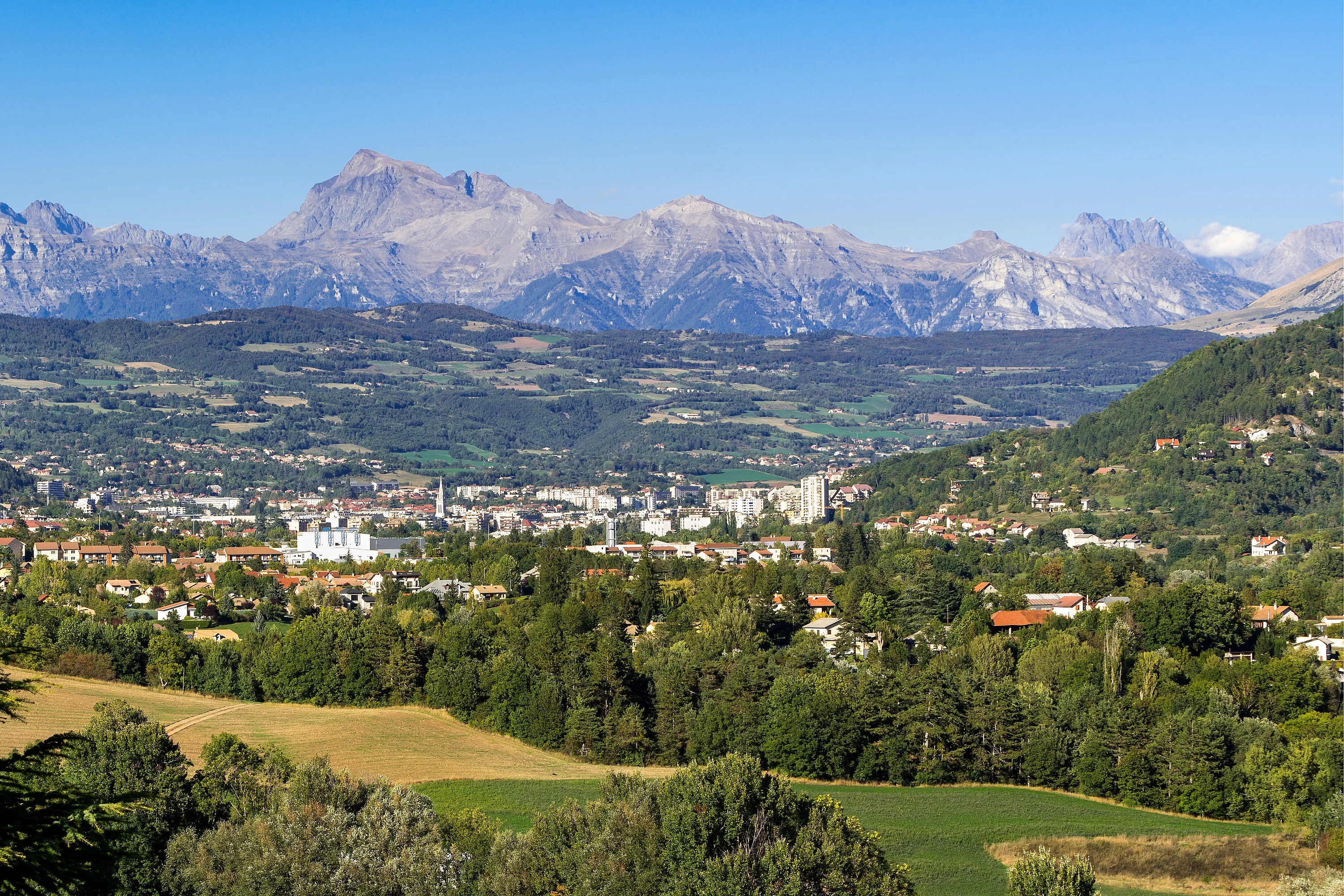
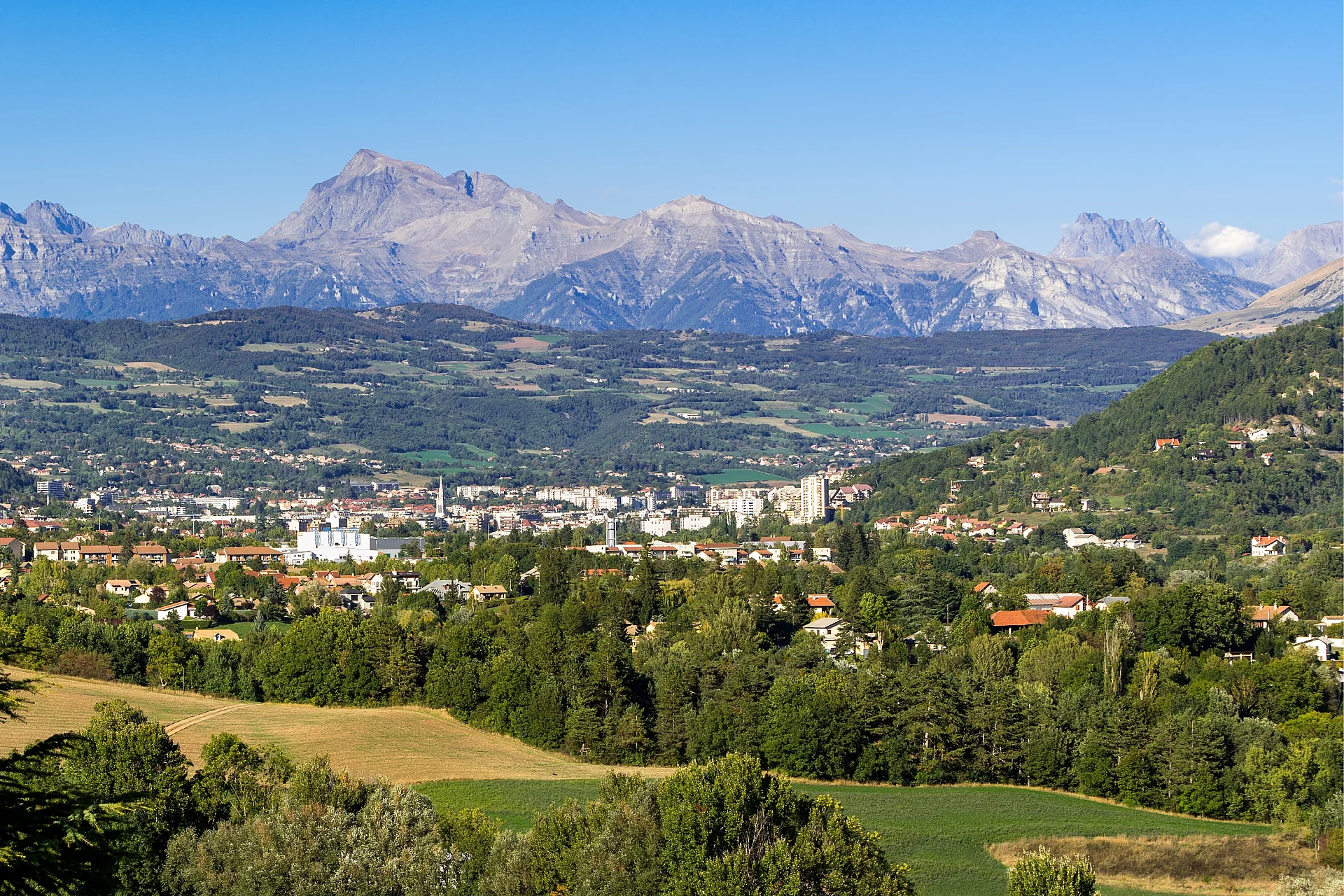
Vue panoramique de Gap, Hautes Alpes

What to do in the Southern Alps: top 10 highlights in 2026

In Saint-Véran, at 6,700 feet, the snow lingers into May and the sun still beats down. The rankings that follow are put together by travelers like you.

Our members' favourite places in the Southern Alps

Ranked on recommendations from travellers who went there

#1 Gap +15 recs

Sitting at the edge of the Alps, Gap offers a relaxed atmosphere and easy access to the mountains. You can walk through the historic center to see the cathedral and colorful townhouses, or hike up to the Pic de Charance for a panoramic view of the valley. It is a practical basecamp for trips into the Parc national des Écrins if you are looking to spend your time outdoors.

#2 Guillestre +6 recs

Located in the heart of the Hautes-Alpes (Provence-Alpes-Côte d'Azur), the town of Guillestre occupies a prime position tucked between two natural parks, the Écrins and the Queyras. Travelers come here for a change of pace and to explore this designated town of Art and History.

A breath of fresh air in nature

Guillestre is defined by its natural surroundings, which draw visitors from across southeastern France throughout the summer. Two major long-distance hiking trails, the GR5 and GR58, pass through the area. For a more family-friendly outing, the Sentier des Marmottes (Marmot Trail) is a local highlight. This path is part of the Natura 2000 network and is best explored from May to October. A large colony of marmots lives in the immediate vicinity and is easy to spot, much to the delight of kids and adults alike. Educational signage along the way explains the habits and distinct whistling calls of these animals.

Nearby, the plan d'eau d'Eygliers is a popular swimming spot during the summer months. It is a recreational area where you can picnic, fish, go kayaking, or take a horseback ride.

The plan de Phazy is another essential stop in Guillestre. This site features a natural hot spring that sits at an altitude of 900 meters (about 2,950 feet) with water temperatures around 28 degrees Celsius (82 degrees Fahrenheit). Entry to these four pools, known for their therapeutic properties, is free. A short distance away in Réotier, you can see the unusual Fontaine Pétrifiante (Petrifying Fountain).

Remarkable architecture

Take time to wander through the streets of Guillestre before heading into the mountains. Ruelle Sainte-Catherine, which begins at the main square, features beautiful pastel-colored facades with details dating back to the 18th century. Don't miss the église Notre-Dame-d'Aquilon, built in the 16th century using the town's signature pink marble. It is a registered historic monument, noted for its Romanesque bell tower and a Gothic porch framed by lion statues. Right next door, the chapelle Saint-Sébastien is known for its trompe-l'oeil murals. From there, head up to the fort de Mont-Dauphin, a UNESCO World Heritage site designed by Vauban. It overlooks the entire valley and offers a panoramic view. This defensive complex was never defeated in battle. It is worth visiting with a guide to fully appreciate the intricacies of its design and history, especially during the festivals and events held there throughout the year.

When to go

The best time to visit Guillestre is during the warmer months to take advantage of the swimming and hiking. Winters here can be quite cold. If you are traveling with children, try to time your visit for the Potes de Marmots festival held every August, which features various performances, activities, and workshops for younger audiences.

How to get there

The town is served by train via the Mont-Dauphin - Guillestre station. Regional TER trains connect it to Valence, which is easily accessible by TGV from major French cities. You can also arrive by car (a 2 hour and 45 minute drive from Marseille, or 4 hours from Nice).

#3 Mont-Dauphin +1 rec

Mont-Dauphin is a tiny village with fewer than 200 residents. It occupies a unique position as an enclave completely surrounded by the town of Eygliers. The village and its fortress have been recognized as a UNESCO World Heritage site since 2008 as part of the "major Vauban sites."

A strategically placed fortress

Mont-Dauphin sits in the Hautes-Alpes department, tucked between Gap and Briançon. The village was founded in 1693 by the military engineer and architect Vauban to serve as an impregnable stronghold. Its strategic location allowed it to guard the access points to the Haute Durance and Guil valleys.

Today, it is a quiet village where residents live alongside the imposing fortress. The site remains a significant historical and cultural landmark in the region, standing as one of the twelve major Vauban sites on the UNESCO list. Visitors can explore the pink marble ramparts and watchtowers, as well as the former powder magazine, the arsenal, and the remains of the barracks that housed the soldiers of Louis XIV. From the top, there is a clear view of the Queyras mountains and the Écrins massif.

Village gardens, fountains, and church

The fortress built under Vauban is not the only reason to visit Mont-Dauphin. The historical garden is also worth your time. Created by the municipality in 2012, this green space illustrates how 18th-century mountain garrisons were supplied. You will find a mix of local and imported plants, including wild, cultivated, medicinal, and aromatic varieties. It is a worthwhile stop for history and botany enthusiasts or anyone who enjoys a quiet garden setting. Guided tours are available in the summer by reservation.

Make sure to spend time walking through the village streets. The area is well-preserved, featuring original monuments and features like the paved central street and historic fountains. The Saint-Louis Church is the primary religious building in Mont-Dauphin. It has an unusual history, as construction began in 1697 but was never fully completed. The bell tower was damaged in a storm and required repairs in the 19th century. Despite its unfinished state, the Saint-Louis Church is classified as a historical monument.

When to go

You can visit Mont-Dauphin year-round, but the summer season is the most comfortable. During these months, you are guaranteed that all local accommodations and restaurants are open, and the weather is ideal for hiking in the Écrins massif. That said, the village has a distinct appeal in winter when snow covers the surrounding peaks.

How to get there

You can reach Mont-Dauphin by car, which takes about 2.5 hours from Marseille or 3.5 hours from Lyon. It is also possible to arrive by train from Marseille, Valence, or Grenoble, by getting off at the Mont-Dauphin - Guillestre station.

#4 Eygliers +1 rec

Eygliers is a village in the Hautes-Alpes department of the Provence-Alpes-Cote d'Azur region, located just outside Guillestre. It is a popular base for hikers, as it sits within the Queyras Regional Natural Park. The village is also known for the nearby military stronghold designed by Vauban.

Historical Heritage

The village has a distinct local character. The neighbouring fortified town of Mont-Dauphin, a separate commune enclosed within Eygliers, has been a UNESCO World Heritage site since 2008. It is one of twelve exceptional locations across France designed by the military engineer Vauban. Another site of interest is Saint-Antoine church, built in the 15th century under the direction of Jean Bayle, the archbishop of Embrun. This late Romanesque structure is listed as a historical monument and features Lombard-style architectural details along with frescoes depicting the pilgrimage route to Santiago de Compostela. Eygliers also contains numerous chapels, oratories, and historic homes. The local tourism office offers guided tours for those who want a deeper look at the village's historical landmarks.

Family Activities

Locals spend long summer days at the Plan d'eau d'Eygliers. This four-hectare lake is a family favorite for swimming. The surrounding recreation area offers various amenities, including a high-ropes course for kids, horseback riding, and mini-golf. You can also rent kayaks or try other water sports on the lake itself.

The Sentier des marmottes (Marmot Trail) is a popular path open from spring through early autumn. It is a marked, one-kilometer trail that is easy to navigate, allowing visitors to observe large colonies of marmots in their natural habitat. Children often enjoy hearing the animals whistle and watching them scramble across the slopes.

Outdoor Sports Paradise

You need to enjoy the outdoors to appreciate life in Eygliers. The village occupies a prime location near four national parks and eight regional parks. It is a premier spot for hikers, with endless trails to explore. The climb to col Garnier, for instance, provides sweeping views over the Vallouise valley and the Queyras landscape.

The region is also famous for mountain biking, via ferrata, paragliding, and horseback riding. Cyclists with serious endurance can tackle the legendary mountain passes of the Hautes-Alpes, such as the Izoard, the Lautaret, the Agnel, or the Galibier. These climbs have become household names thanks to the Criterium du Dauphine and the Tour de France.

When to go

Plan your trip to Eygliers during the summer months to take full advantage of hiking and outdoor activities. Many hotels and restaurants close for the winter season. Since the village sits at an elevation of over 1,000 meters (3,280 feet), expect temperatures to drop significantly from October through May.

How to get there

By car, Eygliers is one hour from Gap, two hours and 40 minutes from Grenoble, and three hours and 40 minutes from Nice. You can also reach the area by train by stopping at the Montdauphin-Guillestre station.

#5 Briançon +5 recs

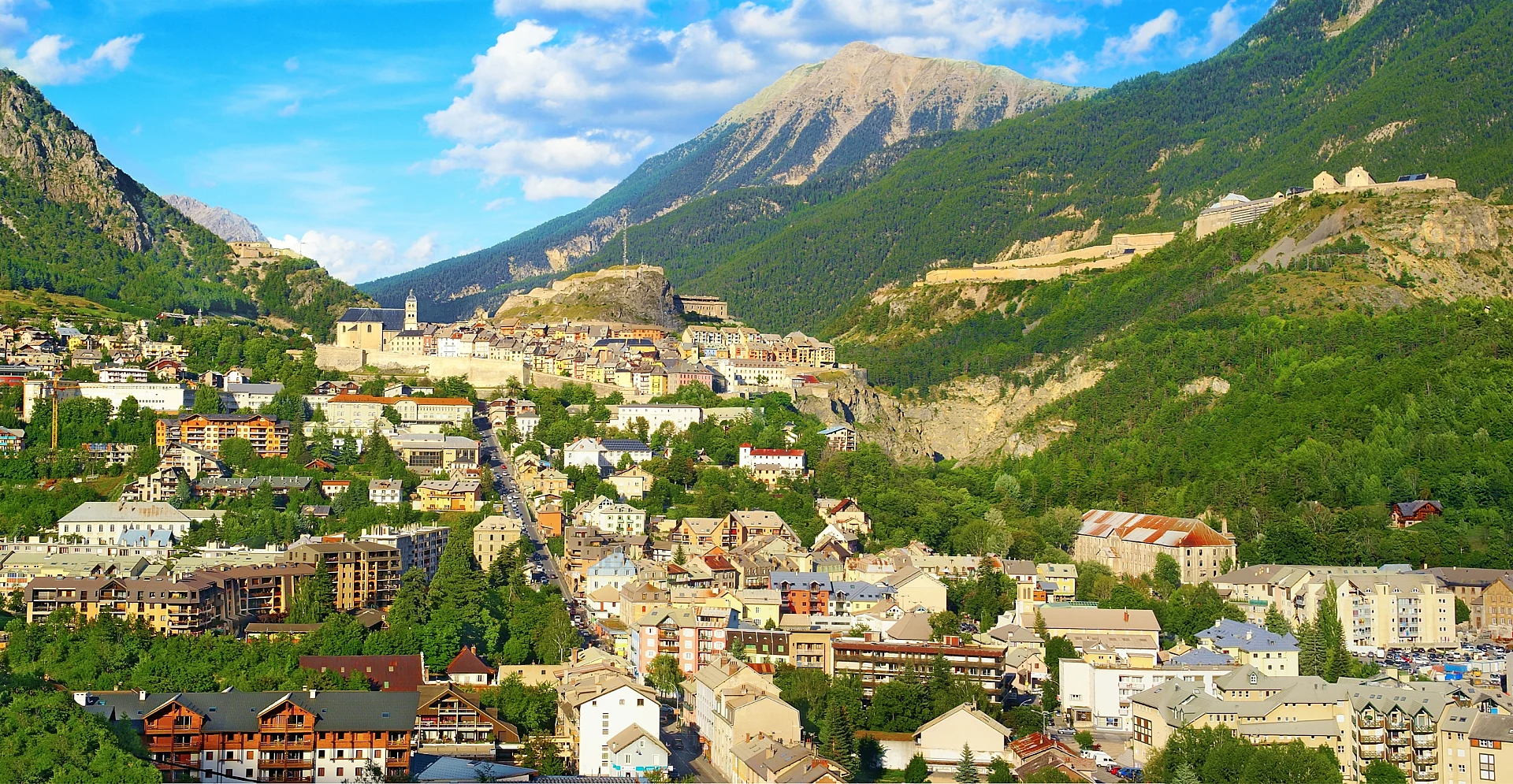
Perched at an altitude of 1326 mètres, France's highest city raises its Vauban ramparts above the Durance river, serving as a fortified gateway facing nearby Italy. La Grande Gargouille, a paved sloping alley split down the middle by an open water channel, climbs right through the UNESCO-listed citadel.

Hiking in the Écrins, legendary Tour de France mountain passes, and lift-served skiing at Serre Chevalier are all here, just without the crowds or the price tag of Chamonix.

Our members' favourite things to do in the Southern Alps

Ranked on recommendations from travellers who did them

#1 Ecrins National Park (Gap) +11 recs 4.8/5

The Isère and Hautes-Alpes departments share the privilege of hosting Ecrins National Park. Covering the massif of the same name, this park spans over 90,000 hectares and reaches 4,102 meters. With a hundred peaks topping 3,000 meters, it is a premier destination for mountain lovers. Hikers may spot golden eagles, ibex, gray wolves, or lynx.

#2 Queyras Regional Natural Park (Arvieux) +9 recs 5/5

The Queyras Regional Natural Park is a preserved corner of the French Alps, known for its rugged wilderness and deep cultural roots. Founded in 1977, the park protects a mountainous region where centuries-old traditions thrive alongside a diverse ecosystem.

Hikers can navigate marked trails through dramatic terrain. You will spot chamois, ibex, and various birds. Visit villages like Arvieux to see traditional architecture and sample local goods. The Queyras Regional Natural Park is a prime mountain destination for outdoor adventure.

#3 Orcières Merlette (Orcières) +4 recs 5/5

Located in the Écrins massif, Orcières Merlette is a family ski resort featuring over 100 km of slopes for all skill levels. Beyond skiing, enjoy the ice rink, water park with slides, or dog sledding. Summer brings hiking and mountain biking. With options from apartments to chalets, Orcières ensures a comfortable stay for mountain lovers.

See the guide See deals

#4 Serre Chevalier (La Salle-les-Alpes) +1 rec 4/5

Serre Chevalier, a premier destination in the Southern Alps, features over 250 km of trails for all skill levels, a snowpark, and freeride zones. Beyond skiing, enjoy snowshoeing, dog sledding, or the thermal baths in Monêtier-les-Bains. Summer turns the area into a hub for mountain biking and hiking. With hotels and private chalets, La Salle-les-Alpes has options for every traveler.

See the guide See deals

#5 Les Orres (Les Orres)

Les Orres, located in the French Hautes-Alpes near Ecrins National Park, is a year-round mountain destination. In winter, enjoy skiing, snowboarding, and snowshoeing. When the snow melts, the terrain transitions into a hub for hiking, mountain biking, and paragliding. It is a family-friendly spot that balances high-altitude adventure with plenty of opportunities to relax.

See the guide See deals

Map of the Southern Alps

Visiting the Southern Alps

Up here the mountains have a southern climate. Briançon, the highest town in France at 1,326 meters, is among the sunniest places in the country, and larch replaces spruce the moment you cross the Col du Lautaret. Two parks share the territory: the Écrins to the west, with its glaciers and its 4,102 meters at the Barre, and the Queyras to the east, drier, more open, turned toward Italy.

You come for a range that is not the Northern Alps: less mist, more bare rock, villages of wood and dry stone rather than decorated chalets. The ski resorts are here, Serre Chevalier, Vars, Risoul, Orcières, but summer now weighs as much as winter, between the cyclists' passes and the Serre-Ponçon reservoir.

You will love it if

  • You want high mountains with sunshine and little rain
  • Climbing passes by bike or hiking at altitude appeals to you
  • A stone village at 2,000 meters speaks to you more than a resort village

Give it a miss if

  • You are after lakes and green pastures all season long
  • You want to come without a car beyond Briançon and Gap
  • Switchback roads above 2,000 meters make you tense

The must-sees

  1. 1 The citadel of Briançon

    Vauban ringed the upper town with ramparts in 1700 and crowned it with four forts on the neighboring ridges. The whole is UNESCO-listed since 2008, along with the Pont d'Asfeld, thrown across in a single arch fifty meters above the Durance. You walk up from the Porte de Pignerol, the Grande Gargouille runs straight through the upper town, and the circuit of the ramparts takes a good hour. In winter, the Prorel cable car leaves from the lower town and opens onto the 250 kilometers of slopes at Serre Chevalier.

  2. 2 The Col Agnel, by bike June to October

    2,744 meters: the highest international road pass in the Alps, between the Queyras and Piedmont. Twenty kilometers of climbing from Château-Ville-Vieille, with the last six above 9 percent. It only opens once the snow has been cleared, usually from mid-June to mid-October, and it stays far quieter than the Izoard or the Galibier. No refreshment stand at the top: carry your own water.

  3. 3 Saint-Véran

    The highest commune in France, 2,042 meters, and one of the country's officially most beautiful villages. The larch houses carry open-slatted balconies for drying hay, and eight sundials punctuate the single street. Cars stop at the parking lots at the entrance and the village is walked. In winter it is a cross-country resort rather than an alpine one, and the Queyras road can close for a few hours after a snowfall.

  4. The Serre-Ponçon reservoir

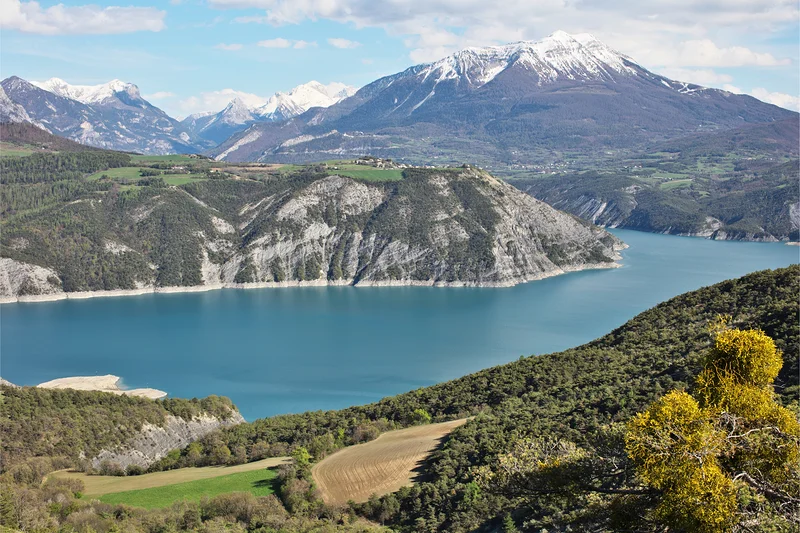
    4 The Serre-Ponçon reservoir +7 recs

    Twenty-eight square kilometers held back by an earth dam completed in 1961 on the Durance, just downstream of where the Ubaye joins it. This is the region's summer lung: sailing, paddleboarding and swimming from the beaches at Savines-le-Lac and Chorges, when the water reaches 22 to 24 °C in August. The level drops in the fall and exposes the shoreline, which changes the landscape completely between July and October.

  5. 5 The transhumance Mid-June

    The flocks go up to the high pastures in mid-June and come back down in early October. Several villages in the Champsaur and the Dévoluy turn it into a one-day festival, with thousands of animals filling the main street. It is free, it finishes early, and it is the only moment when you still see the pastoral economy that shaped these slopes. The dates shift from year to year with the thaw: confirm them with the tourist offices in spring.

The classic mistake

Assuming everything is open year-round. The Galibier, the Izoard and the Agnel close from November until May or June, and their closure adds two hours to some journeys. Only the Lautaret and the Durance valley stay passable throughout: check the state of the passes before building a spring itinerary.

Our itineraries in the Southern Alps

Our itineraries by length of stay
LengthItineraryWhat you see
Long weekend (4 d.)Briançon › Serre Chevalier › Col du LautaretVauban and the Écrins
1 weekBriançon › Mont-Dauphin › Guillestre › Queyras › EmbrunForts, Queyras, lake
10 daysGap › Champsaur › Embrun › Queyras › Briançon › LautaretFull loop, both parks

Everything is organized along the Durance, which links Gap to Briançon on a steady climb. The side valleys, Queyras, Champsaur, Vallouise, are done as round trips from that axis: there is almost never a crossing route, and trying to invent one costs a pass and two hours. Count one valley per day, not two.

When to visit the Southern Alps

When to go, season by season
InterestSeasonTemperaturesCrowds and prices
WinterDec. to Mar.-6 to 5 °CHigh
SpringApr. to Jun.3 to 18 °CLow
SummerJuly and August12 to 28 °CHigh
FallSept. to Nov.1 to 20 °CIntermediate

Our tip

Aim for September. The passes are still open, the larches start turning yellow toward the end of the month, and prices drop the moment school goes back. Avoid the second half of May and the month of November: the lifts are shut, so are many of the passes, and a share of the hotels and restaurants close between the two seasons.

Getting to the Southern Alps

  1. 1 By train The simplest

    The Ligne des Alpes serves Gap, Embrun, Mont-Dauphin and Briançon from Marseille and Valence, and a night train links Paris to Briançon. It is the region's only rail service, and it follows the Durance axis exactly.

  2. 2 By car The most flexible

    Via the A51 to Gap from Marseille, then the main road up to Briançon. From Grenoble and the north, the route goes over the Col du Lautaret, open year-round but sometimes subject to winter tire requirements.

  3. 3 By plane The fastest

    No airport in the region: the closest are Marseille, Grenoble and Turin, each two to three hours by road from Briançon. The Col de Montgenèvre, open continuously, makes the Italian approach quicker than people expect.

For a resort stay, the train to Briançon or Mont-Dauphin plus a shuttle is enough. To move between valleys and climb the passes, a car is not a comfort but a condition.

Getting around the Southern Alps

A car is necessary as soon as you leave the Durance axis. Briançon and Gap are walkable and linked by train, but the Queyras, the Champsaur, the Dévoluy and the Vallouise have only coach service, timed around school hours and thinned out off season. Distances mislead: sixty kilometers of valley take an hour and a quarter, and a pass adds as much again.

Worth knowing

The high passes close in winter, but they can also close for a few hours in peak season after a storm or a rockslide. Before setting off over the Izoard, the Agnel or the Galibier, check the day's road conditions: a pass reported open yesterday is not necessarily open this morning.

What to eat in the Southern Alps

  • Tourtons: square fritters of thin dough, filled savory with potato or spinach, sweet with prunes. This is the dish of the Champsaur, served in the farm inns around Saint-Bonnet.
  • Oreilles d'âne: a gratin of wild spinach, crêpes and cream, a specialty of the Vallouise and the Briançonnais. Nothing to do with a meat dish, despite the name.
  • Bleu du Queyras: a mild cow's-milk blue, made in the upper Guil valley, to be sought straight from the producers in Ceillac and Molines.
  • Tourte de Champsaur: a pie of chard and raisins, at once savory and sweet, eaten as a starter or a dessert depending on the family.
  • Ravioles de Briançon: filled with potato and cheese, closer to Piedmontese ravioli than to the classic Italian kind, a direct legacy of the border.
  • Génépi: a liqueur made from glacier wormwood, picked above 2,000 meters, served at the end of a meal. The best are made on a small scale and are less strong than the industrial ones.

At the table

In resorts as in villages, kitchens close early: serving after 9 p.m. is the exception, and off season many restaurants open only in the evening, or close two days a week. Book the day before in July and August, and plan to eat earlier than you would on the coast.

Where to stay in the Southern Alps

Where to base yourself
AreaWhat you do thereWorth knowing
Briançon and Serre ChevalierSkiing, Vauban heritage, passesThe only real mountain town, open all year
Guillestre and the QueyrasHiking, cycling, high villagesCentral base, but pass roads beyond
Embrun and Serre-PonçonLake, sailing, swimming, cyclingShort season, in heavy demand in August
Gap and the ChampsaurStopover, families, gentle resortsThe cheapest, the furthest from the peaks

Read the full guide: where to stay in the Southern Alps

How much does a trip in the Southern Alps cost?

Indicative budget per person, excluding travel to the region
TripLengthBudget per person
Budget, hiking in summer1 week400 to 600 €
Comfort, hotel and activities1 week700 to 1,000 €
Skiing in February, lift pass included1 week1,100 to 1,600 €
  • The season: February and the first half of August cost twice what September does, for identical accommodation.
  • The lift pass: this is the line that tips a winter budget, 50 to 65 € a day for an adult at Serre Chevalier, noticeably less in the family resorts of the Champsaur.
  • Hiking: free, including in both parks, which charge no admission. A night in a staffed refuge runs 20 to 30 €, half board 50 to 60 €.
  • The car: fuel and passes weigh more than you would think, and there is no toll beyond Gap. Budget the fuel for one valley per day.
  • Refuges and hikers' lodges: far cheaper than a hotel and often better placed, but they book out weeks ahead in July and August.

Traditions and way of life in the Southern Alps

These mountains were long a country apart: the Escartons, a charter bought from the Dauphin in 1343, gave the Briançonnais valleys a fiscal and judicial autonomy that held until the Revolution, and the memory of it is still alive. The border moved in 1713 and cut that whole in two, which explains the ravioles, the painted sundials and the place names that sound Italian from the Queyras onward.

Herding still sets the year: up to the high pastures in mid-June, back down in early October, and villages that live by both. Alpine Occitan is spoken less and less but read everywhere, on fountains and lintels, beside sundials that often date from the 18th century.

The local custom

On a pasture trail, close the gates behind you and go around flocks on the downhill side. Livestock guardian dogs are not herding dogs: you do not pet them, you do not run, you get off the bike and pass at a distance, calmly.
Top photos posted by members

Briançon (photo de Max Labeille)
Vue panoramique de Gap, Hautes Alpes
Le Guil et le plateau de Mont Dauphin

Traveler reviews

An absolute favorite for this park !

If you love hiking, backcountry camping, and nature, welcome to Queyras! You cannot help but fall in love with the beauty of the landscapes... A large part of the trails is generally accessible, much…

102

High mountain park

The park is home to many summits where glaciers are hidden, and some peaks even reach 4,000 meters in altitude. For my part, I stopped at 3,000! And it was already extraordinary, the mountains, the bi…

58

Sunny ski resort

Located on the southern slopes of the Ecrins massif, the resort is often sunny. I was lucky enough to discover it in both winter and summer, but my preference is for the summer. The choice of activiti…

97

Capital of the Champsaur

I love these country landscapes surrounded by mountains! Here, the green often blends with the blue, and the sun is always present in this corner of the Hautes-Alpes. I had the chance to discover the…

54

Highest city in Europe

What a setting. Surrounded by mountains, I really liked this town. Actually, what really stood out to me was the layout of the upper town. Enclosed by ramparts, I enjoyed being able to easily discover…

4