Visiting Burgundy
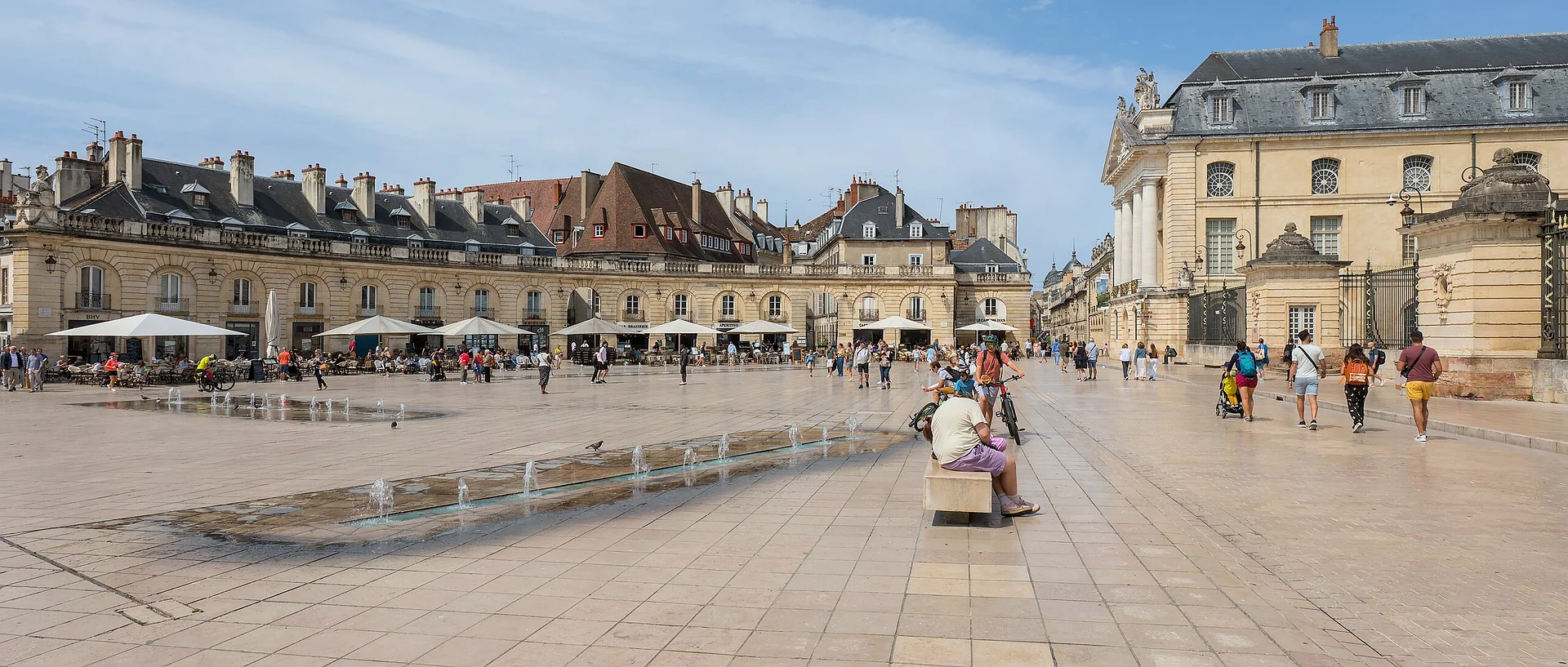
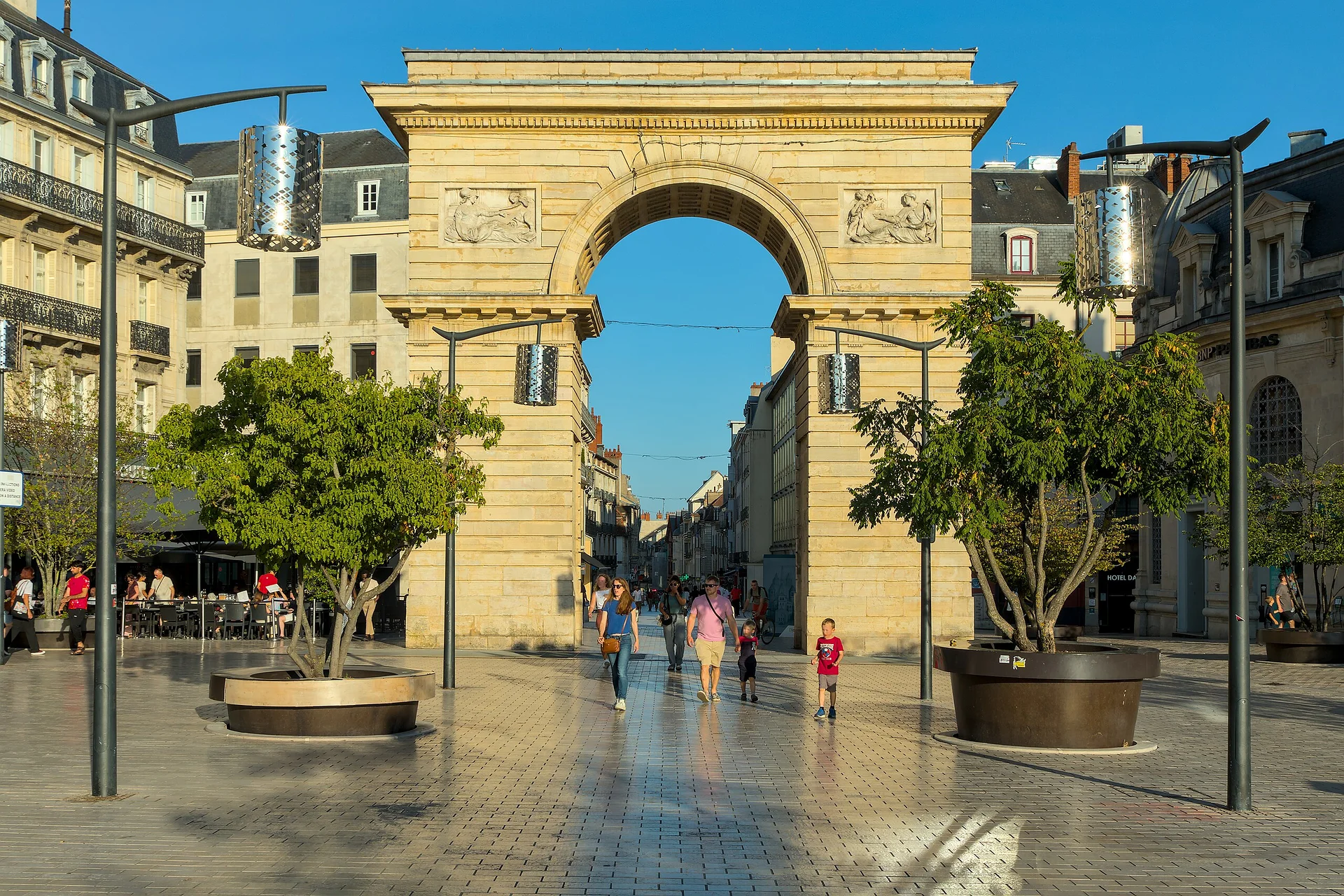
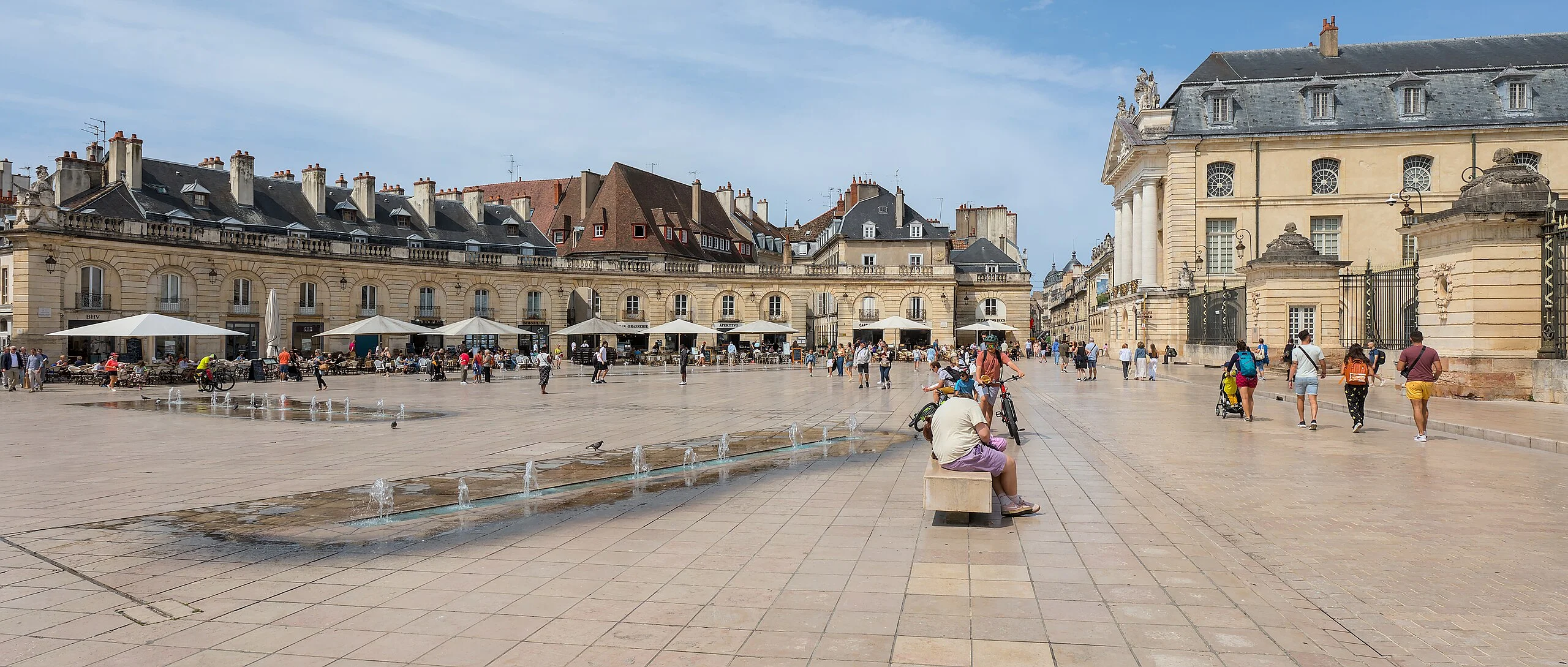
Dijon kept its dukes' palace, its glazed tile roofs and a fully pedestrian centre where timber-framed houses stand next to town mansions. You cross it on foot in twenty minutes.
Twenty minutes south by train, Beaune is smaller and lives off wine. Between them runs the côte, a band of east-facing limestone slopes cut into plots, some of them under a hectare.
You will love it if
- Wine interests you enough to visit cellars and understand what a climat is
- You prefer Romanesque and civic Gothic to grand monuments
- You come in September, around the harvest
Look elsewhere if
- You want sea or mountains: the region has neither
- You want car-free villages: the côte is covered by car or by bike
- You plan to visit estates without an appointment: most receive by booking
The must-sees
The highlights
-
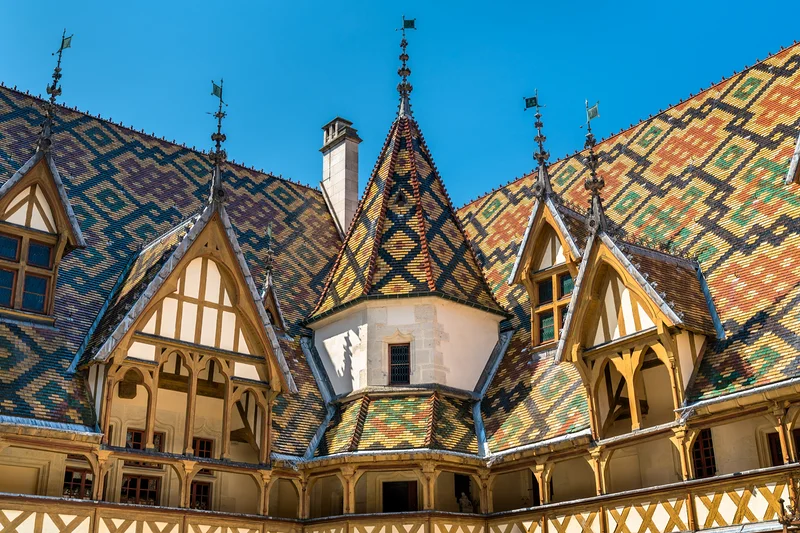
1 The Hospices de Beaune +15 recs
A charitable hospital founded in 1443 and in service until the 1970s, its great ward under a timber roof shaped like an upturned hull. Its four-colour glazed tile roof is the most copied motif in the region.
-
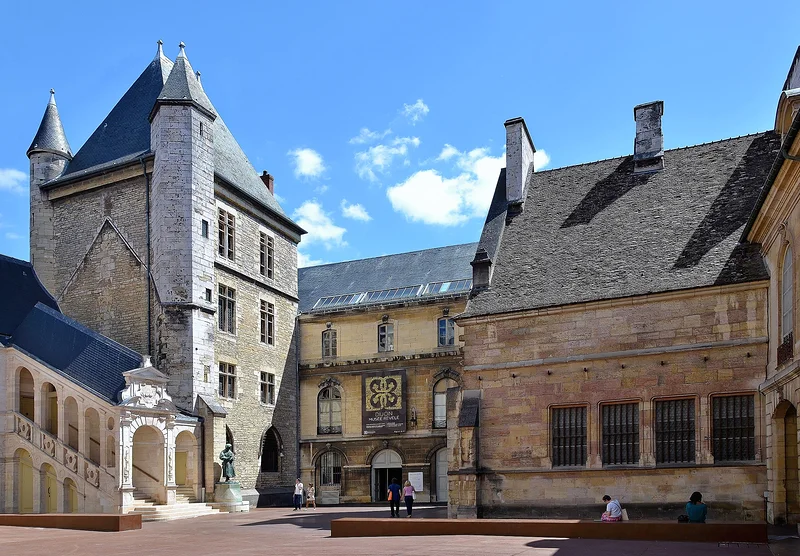
2 The Museum of Fine Arts, Dijon +12 recs
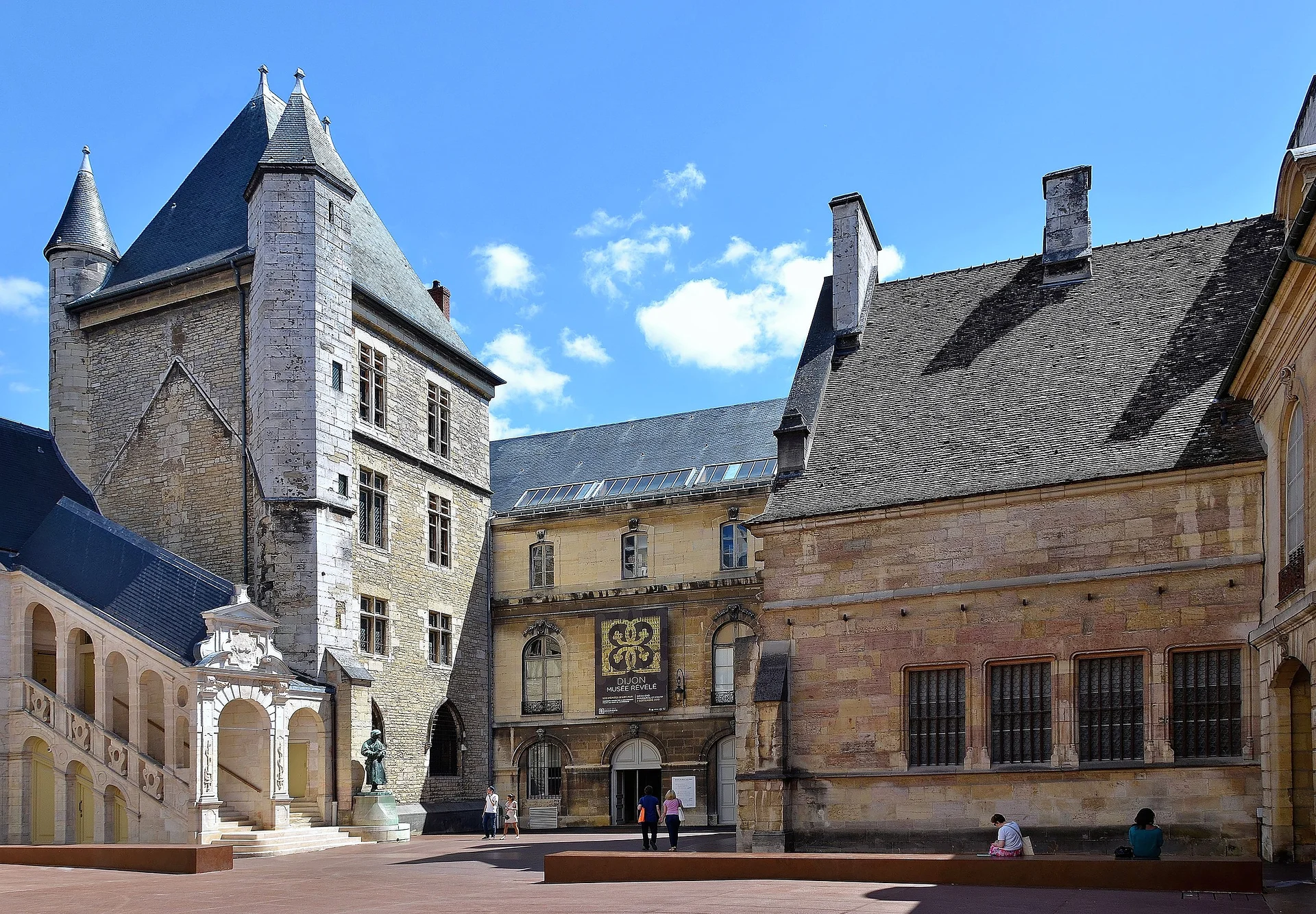
Housed in the palace of the dukes of Burgundy, it is free, and its tomb room holds the effigies of Philip the Bold and John the Fearless, ringed by their carved processions of mourners.
-
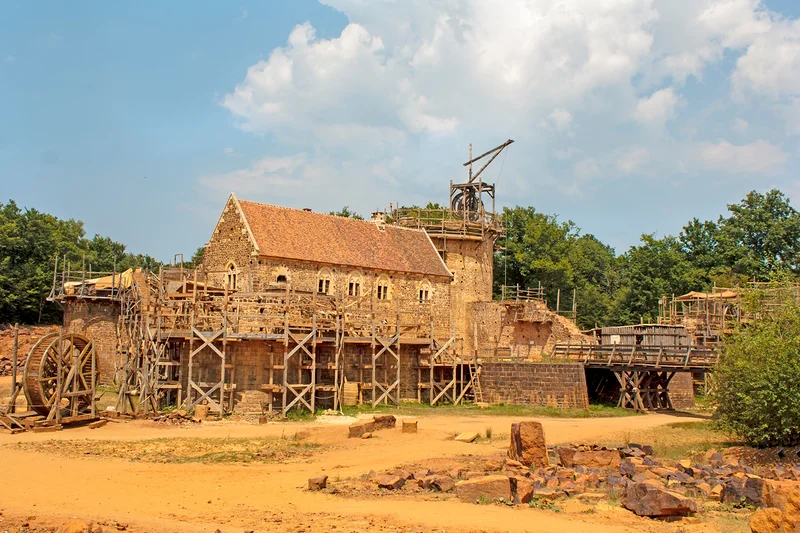
3 Guédelon Castle +12 recs
A castle under construction since 1997, built with thirteenth-century tools and materials only. Quarrymen, masons, blacksmiths and rope makers work in front of visitors, and the site advances a few metres a year.
-
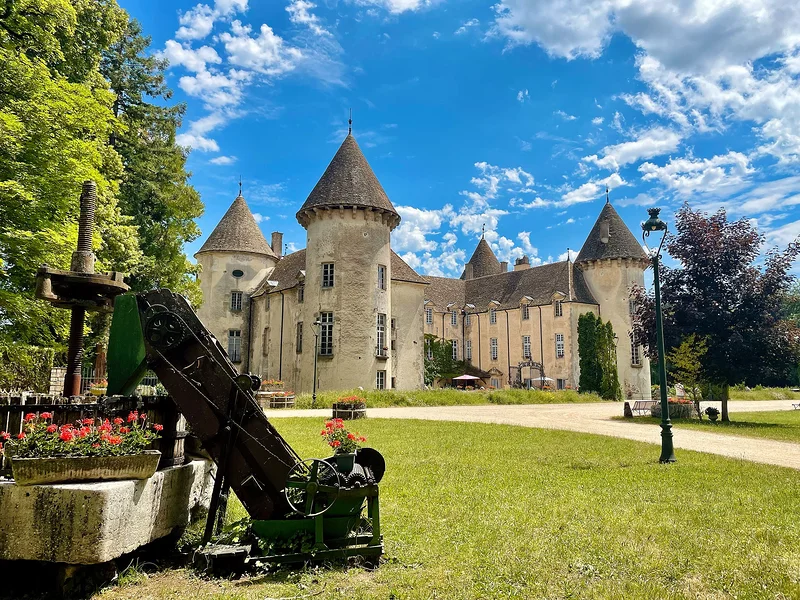
4 Savigny-lès-Beaune Castle +15 recs
A wine estate doubled with an improbable collection: a hundred or so fighter jets in the grounds, motorbikes and racing cars in the outbuildings. All of it assembled by one owner.
-
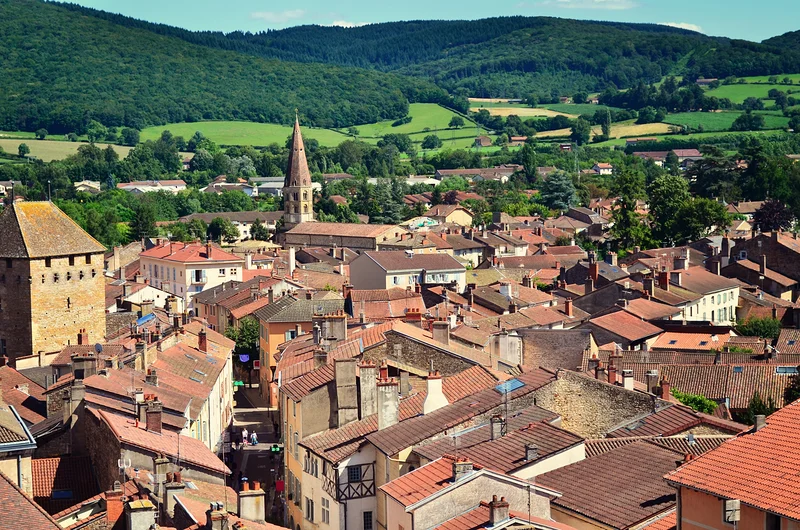
5 Cluny +16 recs
The largest church in Christendom until St Peter's in Rome was built, and one transept arm is all that stands. What survives gives the scale, and the rest is read from the outline on the ground.
The classic mistake
Arriving on the côte on a Sunday or a Monday expecting to visit estates. Most close on those days, and the others receive by appointment made in advance. The cellars in Beaune that open without booking are the exception, not the rule.
Our itineraries in Burgundy
| Length | Itinerary | What you see |
|---|---|---|
| 1 day | Dijon | Dukes' palace, museum, pedestrian centre |
| Weekend (2 days) | Dijon › Beaune | Town, Hospices, one cellar |
| 4 days | Dijon › Beaune › Cluny | The côte, the Romanesque, the south of the region |
The train links Paris to Dijon in an hour thirty-five, and Beaune follows twenty minutes later. Both towns are entirely walkable.
For the côte, a car or a bike: a greenway follows the old railway between the two towns, passing along the foot of the slopes. It runs about thirty kilometres, with no climbing.
When to visit Burgundy
| Rating | Season | Weather | Crowds and prices |
|---|---|---|---|
| September | 17 to 24 °C, harvest | Busy, book early | |
| May and June | 16 to 23 °C, vines in flower | Moderate, good prices | |
| July and August | 20 to 28 °C, dry | Peak, more cellars closed | |
| November to March | 2 to 9 °C, grey | Quiet, outside the wine sale |
Our advice
The third week of November concentrates the Hospices de Beaune wine auction and the festivities around it: the region is full and prices double. Avoid it if you come for quiet, aim for it if you come for the atmosphere.
Getting to Burgundy
-
1 By train Simplest
Eurostar to Paris, then an hour thirty-five from Gare de Lyon to Dijon and twenty minutes more to Beaune. Both stations are in the town centre, which makes a weekend possible without a car.
-
2 By car Most flexible
the A6 runs through Beaune, the region's great motorway junction. Essential for the côte and for the villages, where the train does not go.
-
3 By bike Most enjoyable
the grands crus greenway links Dijon to Beaune on the old railway line, flat and away from traffic. Hire shops in both towns allow one-way rental with collection at the other end.
Getting around Burgundy
Dijon has two tram lines and a pedestrian centre crossed in an hour by a route marked in the pavement. Beaune fits inside its ramparts, and everything there is ten minutes away.
Worth knowing
Tasting and driving do not combine: the gendarmerie checks on the côte roads, and the legal limit is reached in two glasses. Drivers can be hired by the half day in Beaune, for the price of a good meal.
What to eat in Burgundy
- Boeuf bourguignon: shoulder braised for hours in red wine, with bacon, mushrooms and small onions. The cooking wine is a wine of the region, never a cooking wine.
- Oeufs en meurette: eggs poached in a reduced red wine sauce, served on toasted bread. The most served starter in the region, and the hardest to get right.
- Jambon persillé: ham set in parsley and garlic jelly, moulded in a terrine and served cold. An Easter tradition that became a year-round starter.
- Époisses: a cheese washed in marc brandy, powerful on the nose and mild on the palate. Sold in its wooden box, which is what holds it together.
- Snails: à la bourguignonne, in garlic and parsley butter. The local species has become rare, and good houses say where theirs come from.
- Pain d'épices: honey, rye flour and spices, baked as a dense loaf. Dijon has made it since the fourteenth century, and two houses still bake it in town.
- Dijon mustard: the name describes a recipe, not an origin, and the seed often comes from elsewhere. A few mustard makers in town work Burgundian seed and say so on the label.
The covered market in Dijon, under an iron frame attributed to Eiffel's workshop, opens Tuesday to Saturday morning. Kitchens in town close early, and many open neither on Sunday evening nor on Monday.
Where to stay in Burgundy
| Area | What it is for | Worth knowing |
|---|---|---|
| Dijon, centre | Dukes' palace, museum, market hall | All on foot, station ten minutes away |
| Beaune, inside the ramparts | Hospices, cellars, the côte | Small capacity, full in September |
| Villages on the côte | Estates, greenway, quiet | A few rooms per village, a car is needed |
| Cluny | Abbey, stud farm, south of the region | The cheapest, an hour from Beaune |
| Around Guédelon | Medieval building site, forests | To the west, two hours from Dijon |
How much does a trip in Burgundy cost?
| Style | Length | Budget per person |
|---|---|---|
| Budget (hostel, market hall, free museums) | 3 days | 150 to 220 € |
| Comfortable (hotel, restaurants, two tastings) | 3 days | 350 to 550 € |
| High end (country house, grands crus, starred table) | 3 days | 900 to 1,500 € |
- The Dijon museums: the municipal museums are free, the Museum of Fine Arts included. That is rare for a collection at that level.
- Tastings: a cellar visit with tasting costs the price of a meal, and the amount is often deducted from a purchase. Ask beforehand, it is not always offered.
- Village appellations: a few streets from the grands crus, they come from the same hands for a fifth of the price. That is where local people buy.
- The greenway: free, flat, and it replaces a day of car hire between the two towns.
- The lunch menu: in good houses in Beaune it is a third of the evening card, from the same kitchen.
Traditions and way of life in Burgundy
The dukes of Burgundy ruled a state stretching from Dijon to the Low Countries and rivalling the king of France, until Charles the Bold died in 1477. Their palace, their tombs and their court art are the backbone of the city's collections.
The word climat here has nothing to do with weather: it names a precise plot, with its soil, its slope and its name, bounded for centuries. There are more than a thousand along thirty kilometres, and it is that mosaic that is World Heritage listed.
Two useful habits. At a tasting you spit, and nobody thinks anything of it: the spittoons are there for that. And you do not wear perfume in a cellar: it masks the wine for the whole group, and the growers will say so politely once.