Uruguay, the Small Country That Thinks Big
Picture a place where cows outnumber people four to one. Where every city stroll involves a thermos tucked under one arm and a gourd of mate in hand. Uruguay is South America's well-kept secret, tucked between heavy-hitting neighbors while quietly cultivating its own distinct rhythm. Montevideo, the capital, holds just 1.3 million residents. For perspective, Greater Buenos Aires packs 18 million people just across the Río de la Plata.
The Go-To Destination for Travelers Seeking Peace and Quiet
This country speaks to solitude seekers, meat-loving foodies, aspiring horse riders, and fans of wide-open, uncrowded beaches. Families find a level of safety rare in Latin America, while couples discover a quiet romance far from tourist mobs. If you are after wild nightlife, ancient ruins, or tropical jungles, look toward Brazil or Argentina instead.
Uruguay is not a place you rush through; it is a place to savor. The country unrolls 660 km of Atlantic coastline, ranch estancias where time seems to stand still, and Tannat vineyards that hold their ground against top Argentine wines.
Tourist infrastructure stays modest outside the resort zones. Spanish is practically required outside of Punta del Este. Roads are in great shape, but distances sometimes catch rushed visitors off guard. Plan on a 4-hour drive just to get from Montevideo to Cabo Polonio, the electricity-free village on the coast.
A Budget Steeper Than Expected
Uruguay ranks as South America's priciest destination. Expect $57 to $90* per day on a backpacker budget, and $113 to $169* for mid-range comfort. Lodging runs anywhere from $45* for a basic hotel to $169* for a 4-star property. Prices spike dramatically in Punta del Este every January, when rates can easily double.
Montevideo and Colonia: Two Faces of the Same River
Montevideo throws off visitors used to sprawling Latin American megacities. The Old Town lines up time-worn Art Deco buildings, neighborhood cafes where the bartender knows every regular, and shady squares where notes from La Cumparsita still echo in the air. The Mercado del Puerto serves as the city's culinary epicenter. Under its 19th-century metal frame, parrillas sizzle and candombe drummers keep the beat.
The Rambla, a 30 km waterfront esplanade, invites morning walks alongside local joggers and Sunday families. Parakeets dart between the trees while hummingbirds feed on hibiscus. It feels like southern Europe, just more laid-back.
Colonia del Sacramento
A 2.5-hour drive west, Colonia del Sacramento feels trapped in amber. Its historic quarter, a UNESCO World Heritage site, lays out cobblestone alleys between Portuguese colonial houses and Spanish ruins. Calle de los Suspiros lives up to its romantic name. Climb the 19th-century lighthouse for a view of the Río de la Plata, which is so wide it looks like the ocean. Vintage cars parked at random corners complete the timeless scene.
Friendly tip: Colonia is an easy day trip from Buenos Aires by ferry. Staying overnight, however, lets you catch the legendary sunsets once the day-trippers head back.
The Atlantic Coast: From Glamour to the Edge of the World
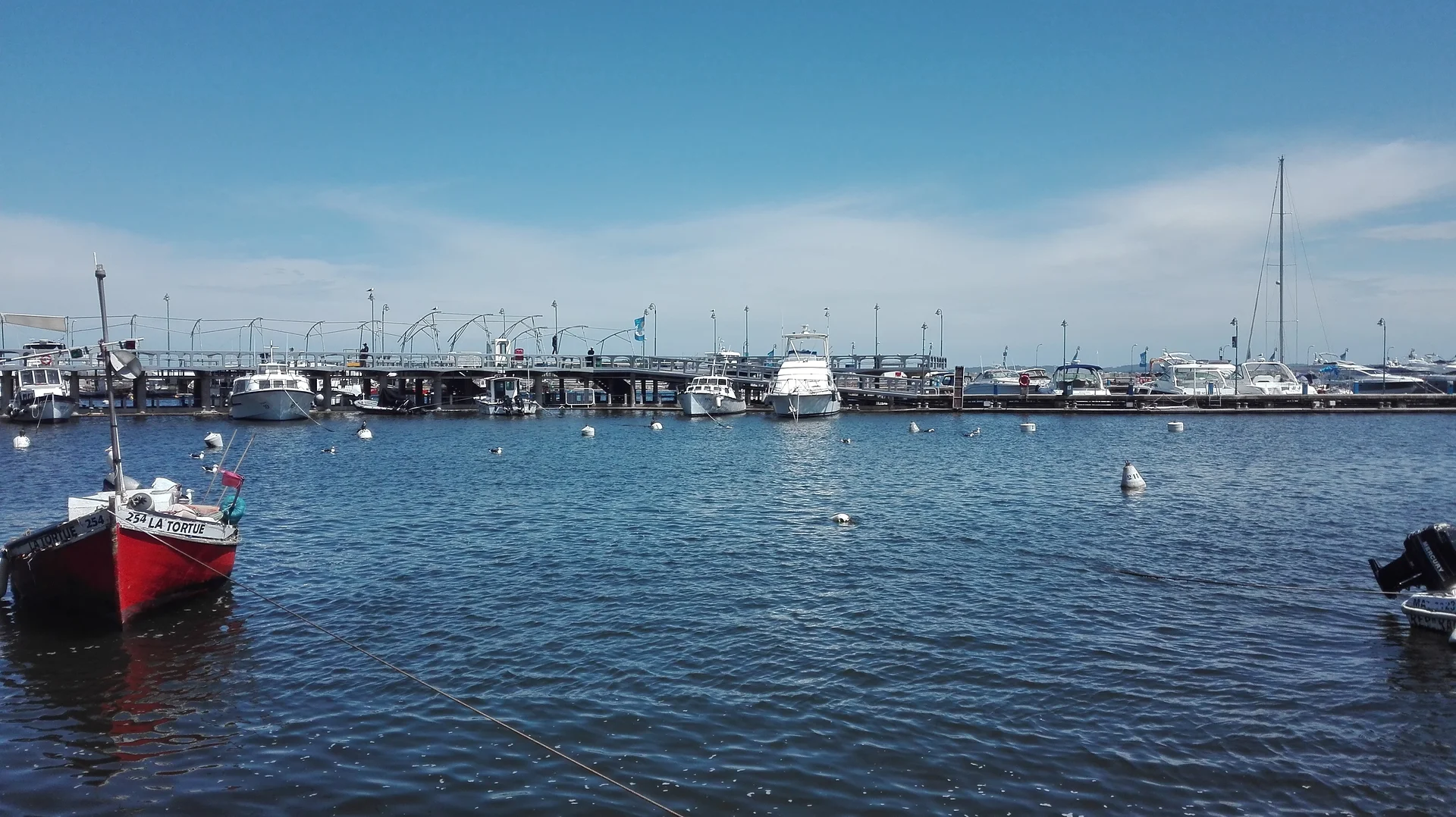
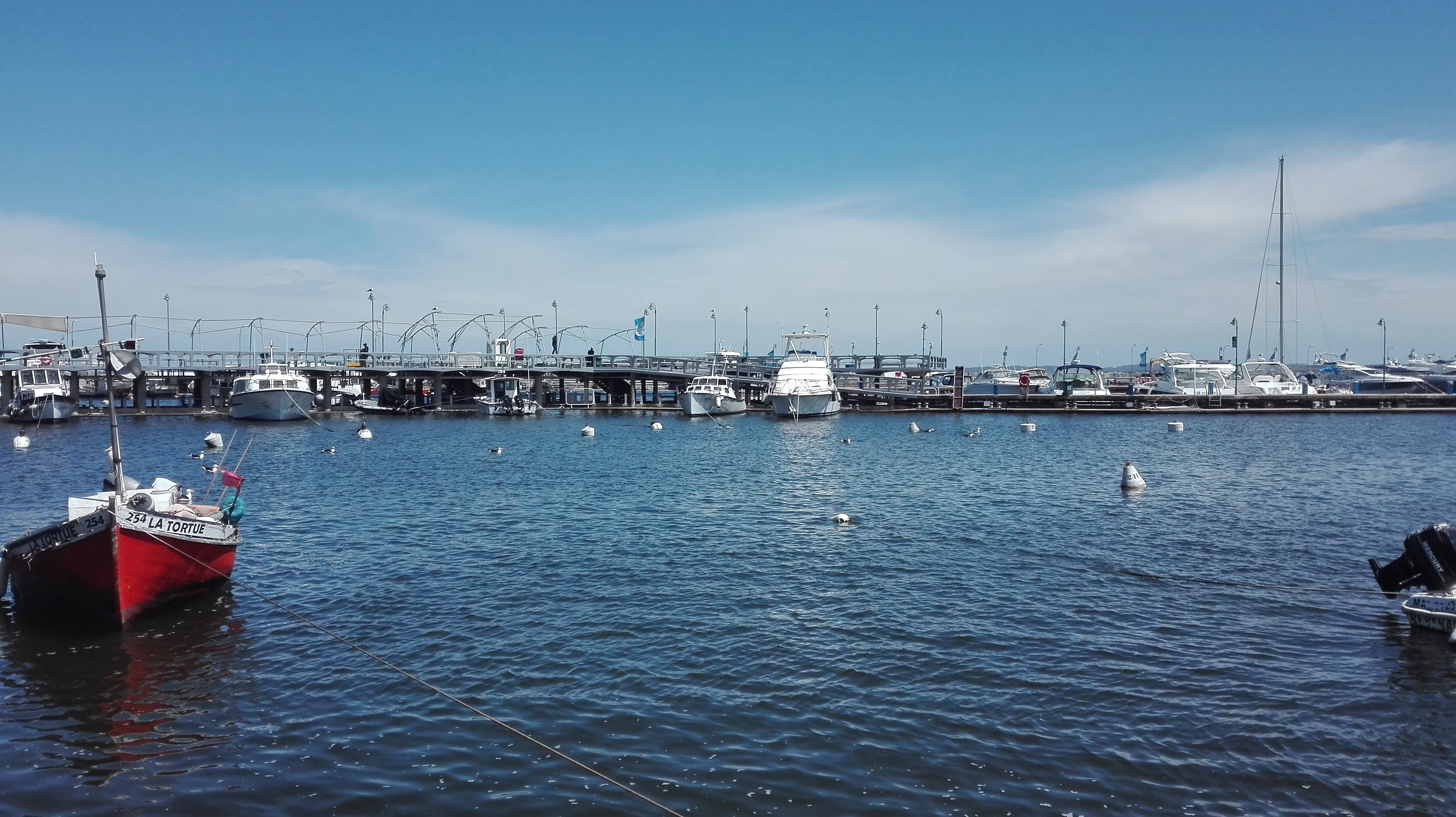
Punta del Este plays the role of the South American St. Tropez. Yachts, high-end restaurants, and glass high-rises facing the ocean draw wealthy Argentines and Brazilians every austral summer. The iconic sculpture of Los Dedos, giant fingers emerging from the sand, has become the country's go-to postcard image. A few miles away, Casapueblo, a white cliffside compound sculpted by artist Carlos Páez Vilaró, melts down the rocks like a Mediterranean meringue.
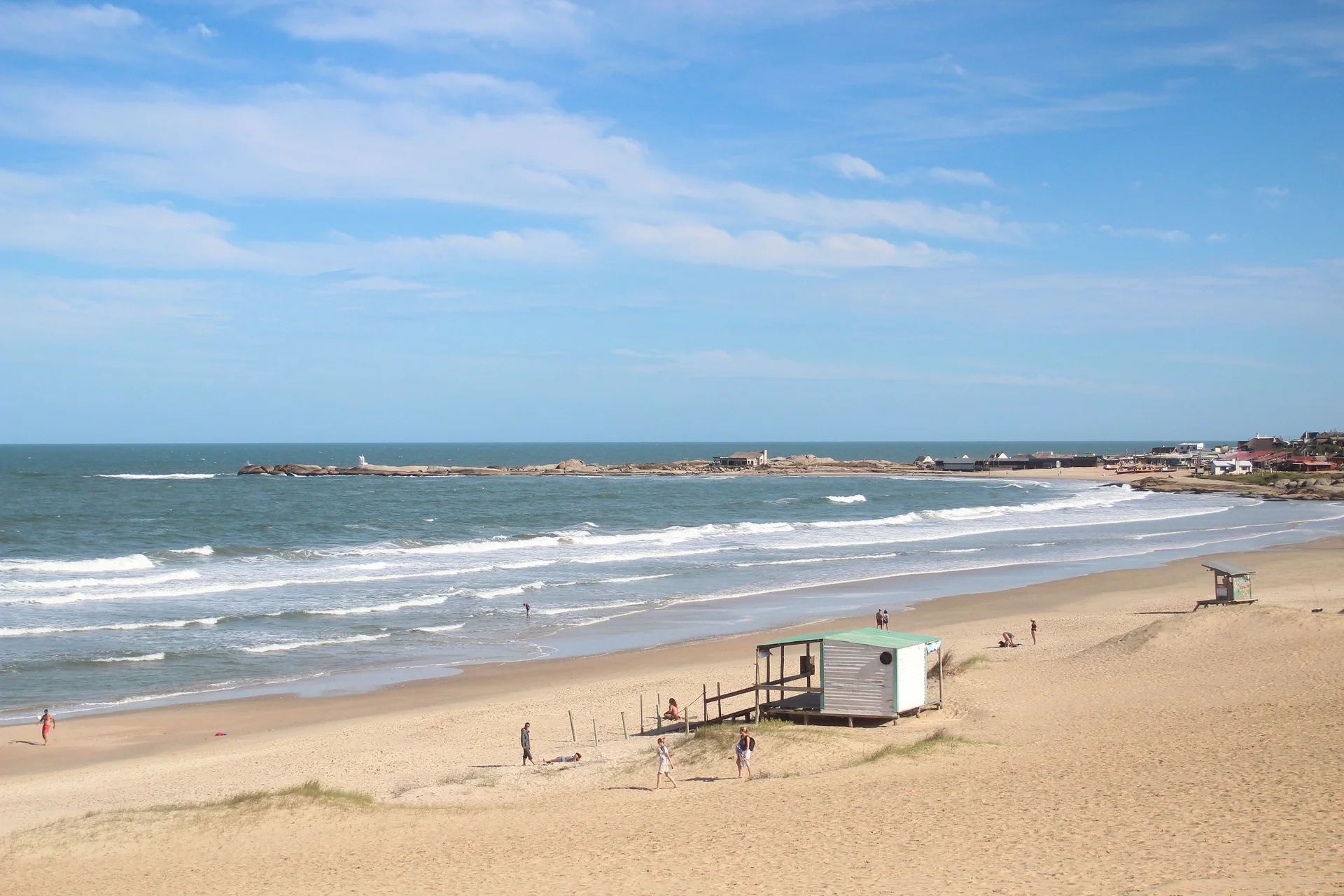
Real magic, though, happens further east. José Ignacio keeps the soul of an old fishing village despite an influx of celebrities and top chefs. Golden sand beaches, laid-back beach shacks, and orange sunsets over the Atlantic make it a mandatory stop. Surfers usually prefer La Paloma or Punta del Diablo, a village of colorful shacks where the main road remains unpaved dirt.
Cabo Polonio: The Hippie Utopia
Cabo Polonio deserves its own chapter. This village of barely 95 permanent residents hides behind 7 km of sand dunes, accessible only by 4x4 truck or on foot. Here, you find no conventional electricity, no running water, and no paved roads. Homes run on solar panels and wind turbines. Candles light up some of the starry nights on the Uruguayan coast.
Thousands of sea lions take over the rocks right at the lighthouse base. The vibe hovers between a hippie commune and a traditional fishing settlement. In summer, campfires warm up the nights, and hammocks swing outside rickety rainbow-roofed cabins. This is not a spot for comfort lovers, who should skip it entirely. Everyone else finds total disconnection here, a rare luxury in our hyperconnected world.
Friendly tip: Bring cash because there are no ATMs in Cabo Polonio. The village's single grocery store opens a few hours a day and operates the old-school way, asking for every item across the counter.
Deep Uruguay: Estancias and Gauchos
The interior of the country reveals another side, anchored by estancias, massive ranches where gauchos keep centuries-old traditions alive. Uruguay counts 12 million cattle for just 3.5 million people. Livestock reigns supreme over the rolling green hills of Lavalleja department or the plains of Tacuarembó.
Several estancias now open their doors to travelers. San Pedro de Timote, with 200 years of history, offers 31 rooms and three pools in a pastoral luxury setting. Estancia Los Plátanos, more rustic and intimate, has just three rooms and offers total immersion in daily gaucho life. Guests can join in on cattle vaccinations, sheep shearing, or simply horseback riding through ancient palm groves whose origins nobody can quite explain.
Evenings stretch out around the fire, where the asado cooks slowly for hours. Honey grappa wraps up the meals. Wake-up calls come courtesy of screaming lapwing birds, not cell phone alarms.
Lesser-Known Vineyards and Terroirs
Uruguayan winemaking unfairly stays in the shadow of its Argentine and Chilean neighbors. The Tannat grape, originally from southwest France, found a second home here where it truly thrives. Vineyards cluster around Carmelo and in the hills near Montevideo.
The Carmelo region in the western part of the country combines winery tours, tastings, and stays in vineyard lodges. Properties like Finca Narbona blend wine production, regional food, and boutique lodging. Far from the crowded tourist circuits of Mendoza, visitors taste small-batch wines in intimate settings.
For adventure travelers, the Valle del Lunarejo in the northern part of the country features canyon landscapes and subtropical forests found nowhere else in Uruguay. Hiking here uncovers unexpected biodiversity.
Uruguay on Your Plate: The Art of Fire and Mate
Uruguayan cooking avoids subtle vegetable notes. Meat is king, and the asado is its throne. This ritual barbecue goes far beyond standard summer grilling. Beef cuts cook slowly for 2 to 3 hours over wood embers, never charcoal. The tira de asado, short ribs cut longwise, literally melts in your mouth. Local chorizo, sweet blood sausage flavored with orange zest, and grilled chinchulines round out the carnivorous feast.
The chivito, despite its name meaning little goat, contains zero goat meat. This monster of a sandwich piles grilled beef tenderloin, ham, melted cheese, a fried egg, tomato, lettuce, and mayonnaise between two slices of bread. The chivito canadiense adds bacon and olives. It is a full meal that explains why Uruguayans hold the world record for per capita beef consumption.
Mate deserves special recognition. This herbal infusion of yerba mate is drunk from a gourd through a metal straw, refilled constantly with hot water from an ever-present thermos. Uruguayans sip it while walking down the street, at the office, and on the beach. Refusing a mate handed to you is like refusing a handshake. With an earthy, bitter taste, it does not win over every palate on the first try.
When to Visit Uruguay?
The austral summer, from December to March, is high beach season. Temperatures range between 25 and 30°C, sometimes higher. January brings peak crowds of Argentine and Brazilian tourists to the beaches. Prices soar, and accommodations book out weeks in advance in Punta del Este and José Ignacio.
Spring, from September to November, offers an ideal middle ground: blooming countryside, mild temperatures, and reasonable rates. Estancias host sheep shearing and lambing season. Autumn, from March to May, appeals to quiet-travel seekers with golden light and empty beaches.
Winter, from June to August, stays mild but damp. Montevideo is pleasant to visit despite cooler weather. The thermal springs of Salto and Paysandú in the northwestern part of the country hit the spot during these months with their natural warm-water pools.
The Carnival of Montevideo, the world's longest at six weeks of festivities between January and March, is worth checking out for its murgas parades, satirical troupes performing to Afro-Uruguayan percussion rhythms.
How to Get to Uruguay?
No direct flights connect Paris to Montevideo. Layovers usually go through Madrid with Iberia or Air Europa, São Paulo with LATAM or Air France, or Buenos Aires. Expect 15 to 20 hours of total travel time depending on connections. Prices range from $570 to $1,350* round-trip, with the best deals in low season around March and September.
An appealing alternative is flying into Buenos Aires and crossing the Río de la Plata by ferry. The Buquebus company connects Buenos Aires to Colonia in 1 hour or to Montevideo in 3 hours. Fares range between $34 and $141* depending on the boat speed and season. This option lets you combine both capitals into a single trip.
French citizens do not need a visa for tourist stays under 90 days. Entry rules vary by nationality: check the requirements that apply to your own passport. A valid passport is all you need.
How to Get Around Uruguay?
Car rental offers total freedom in this small country with excellent roads and smooth traffic. Expect around $57 to $79* per day for a standard vehicle, with gas running about $1.70* per liter. International agencies have desks at Carrasco Airport. Driving is on the right, the road network is well-maintained, and distances stay manageable: 135 km separate Montevideo from Punta del Este, and 180 km to Colonia.
The intercity bus network covers the country efficiently on a small budget. A Montevideo to Punta del Este trip costs around $6.80*, while Montevideo to Colonia runs about $7.90*. Companies like COT, COPSA, and Turil provide comfortable buses on main routes. The URUBUS website helps compare schedules and rates.
For Cabo Polonio, no roads lead to the village. 4x4 trucks nicknamed los camiones take visitors across the dunes from the national park entrance. The bumpy ride standing in the truck bed while watching dunes roll by is part of the adventure.
Domestic flights are rare and expensive in a country where everything is reachable within a few hours of driving. Taxis and ride-sharing services like Uber operate in Montevideo and Punta del Este at reasonable rates.