
Montevideo, the capital that doesn't try to impress
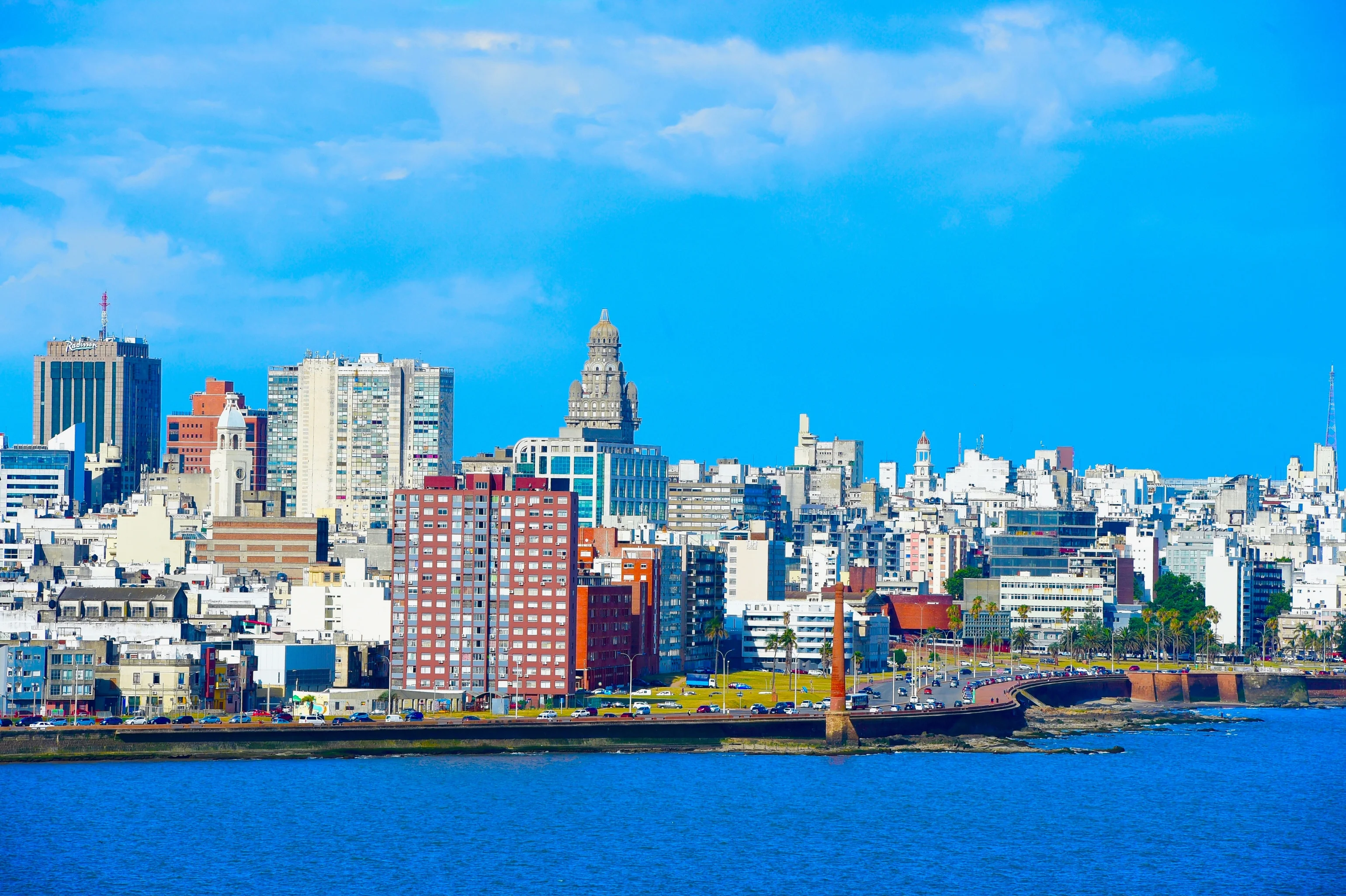
It is 6 PM on a Saturday in February and the Rambla fills up without ever overflowing. Joggers run along the 22 kilometers of waterfront, a group of candombe percussionists tunes their drums in the distance, and on a bench, a couple shares a mate while watching the sun sink into the Río de la Plata. No towering skyline, no oppressive crowds.
As the capital of Uruguay, Montevideo is home to nearly half the country's population, roughly 1.8 million residents. Founded in 1726 by Spanish colonists, it grew slowly at its own pace, which is precisely where its charm lies. Here, nobody chases after must-see sights. You simply slip into a pace of life where tranquility is not a marketing slogan, but an everyday reality.
Is this destination for you?
Montevideo is not a showy metropolis. It will not drop your jaw with a world-famous monument, and anyone looking for nightlife on par with Buenos Aires might find things too quiet. On the other hand, if you appreciate human-scale capitals, long coastal walks, and a top-tier carnivorous food scene, you are going to love it.
Great fit for:
- Fans of grilled meat and River Plate gastronomy
- Travelers looking for urban peace and accessible beaches
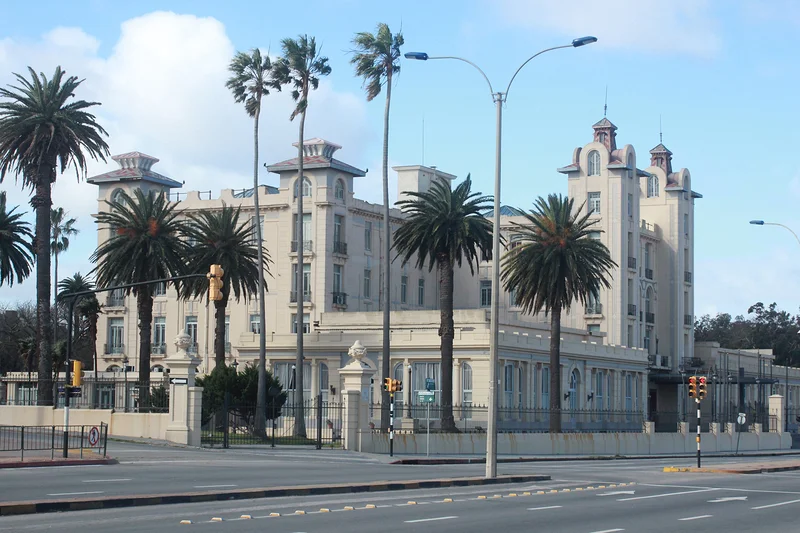
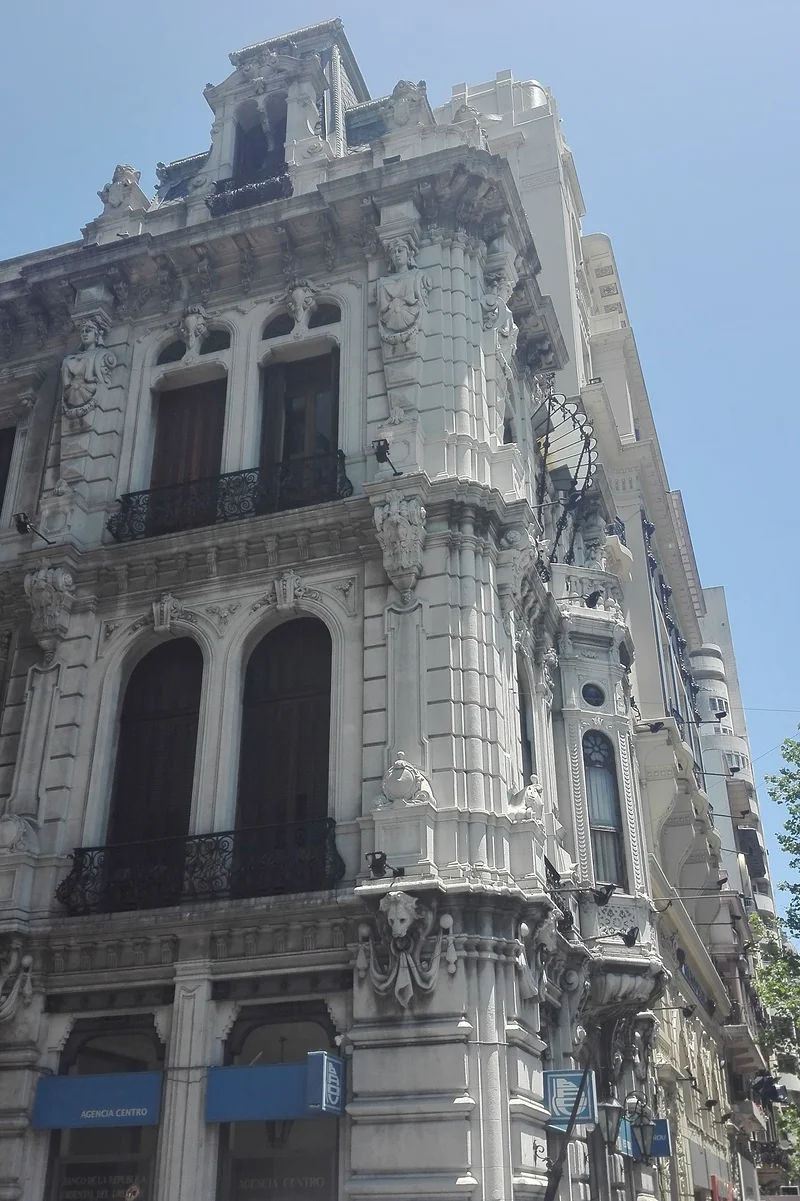
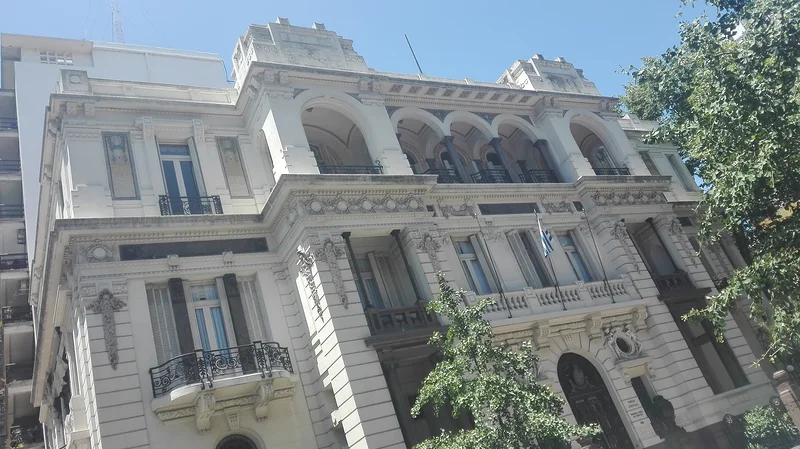
- Aficionados of colonial, Art Deco, and eclectic architecture
- Visitors pairing Montevideo with Buenos Aires or the Uruguayan coast
- Soccer fans and sports history buffs
Skip it if:
- You want a heavy, high-energy nightlife scene
- You need an endless checklist of massive tourist attractions
- You are traveling on a strict shoestring budget, as Uruguay is pricey for South America
- You do not eat red meat, because escaping it here is tough
A higher budget than you might expect
Uruguay is not a bargain destination in South America. Prices lean closer to an average European capital than to its South American neighbors. Food, in particular, takes a real bite out of your wallet.
| Expense item | Price range |
|---|---|
| Hostel night (dorm bed) | $11 to $23* |
| Comfortable hotel night (3-star) | $45 to $113* |
| Quick bite (chivito, pizza, empanadas) | $5.70 to $12* |
| Sit-down restaurant meal | $14 to $34* |
| Daily transport and activities | $5.70 to $17* |
| Backpacker daily budget | $45 to $68* |
| Comfortable daily budget | $102 to $169* |
Practical tips for your visit
Good news: Montevideo is easy to get around. The city is compact in its tourist areas, the bus network is comprehensive, and rideshare apps like Uber and DiDi work smoothly with reasonable fares. Spanish is the only spoken language, and very few people speak English or French. Knowing a few phrases in Spanish will be your best asset.
Weather-wise, expect changing conditions. The austral summer brings warmth and humidity, while winter can turn chilly and windy with temperatures hovering around 10°C. Spring and autumn are pleasant but unpredictable, so always pack an extra layer.
Is Montevideo safe?
Uruguay is considered the safest country in Latin America, and Montevideo remains a capital where you generally feel secure. That said, petty crime exists. Snatch-and-grab thefts and pickpockets happen in tourist zones, especially around the Mercado del Puerto and the Ciudad Vieja.
Friendly tip: the Ciudad Vieja and Centro neighborhoods buzz with activity during the day but empty out at night. Avoid walking alone there after dark. The neighborhoods of Pocitos, Punta Carretas, and Carrasco are much safer for evening outings. Steer clear of the Casavalle and Cerro neighborhoods.
Ciudad Vieja, the historic heart
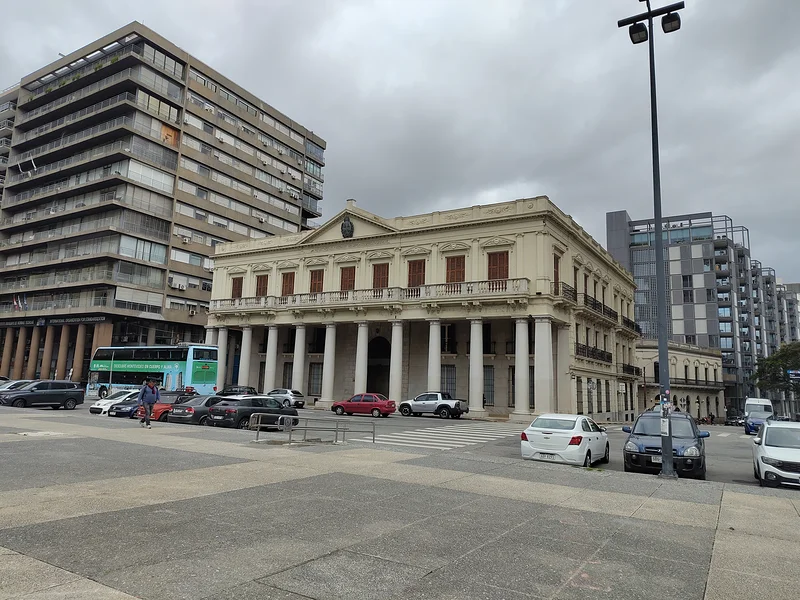
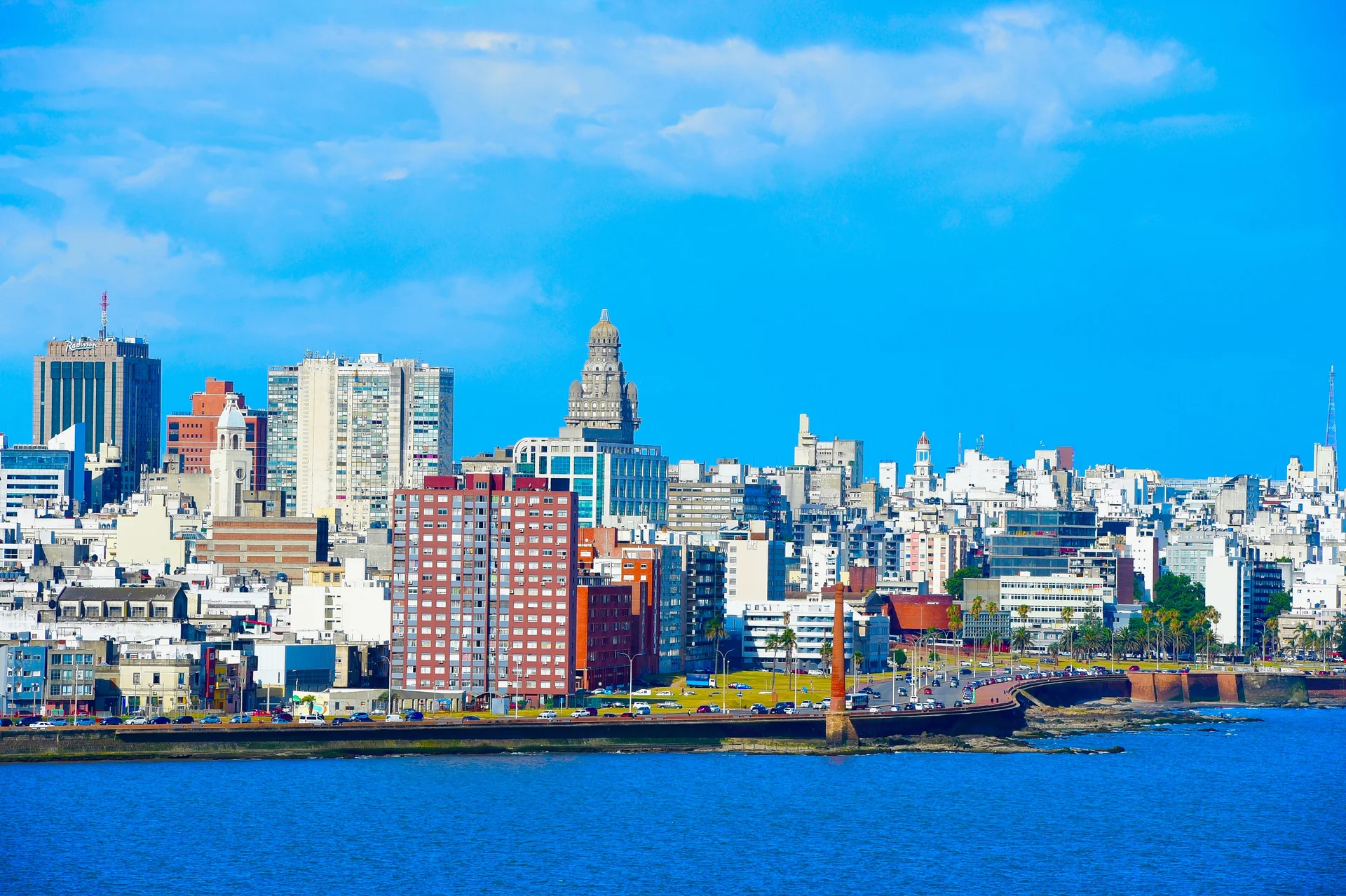
Every visit to Montevideo starts here. The Plaza Independencia anchors the old town. On one side stands the unique silhouette of the Palacio Salvo, opened in 1928 and once the tallest skyscraper in South America. On the other stands the Puerta de la Ciudadela, the last remaining vestige of 18th-century Spanish fortifications.
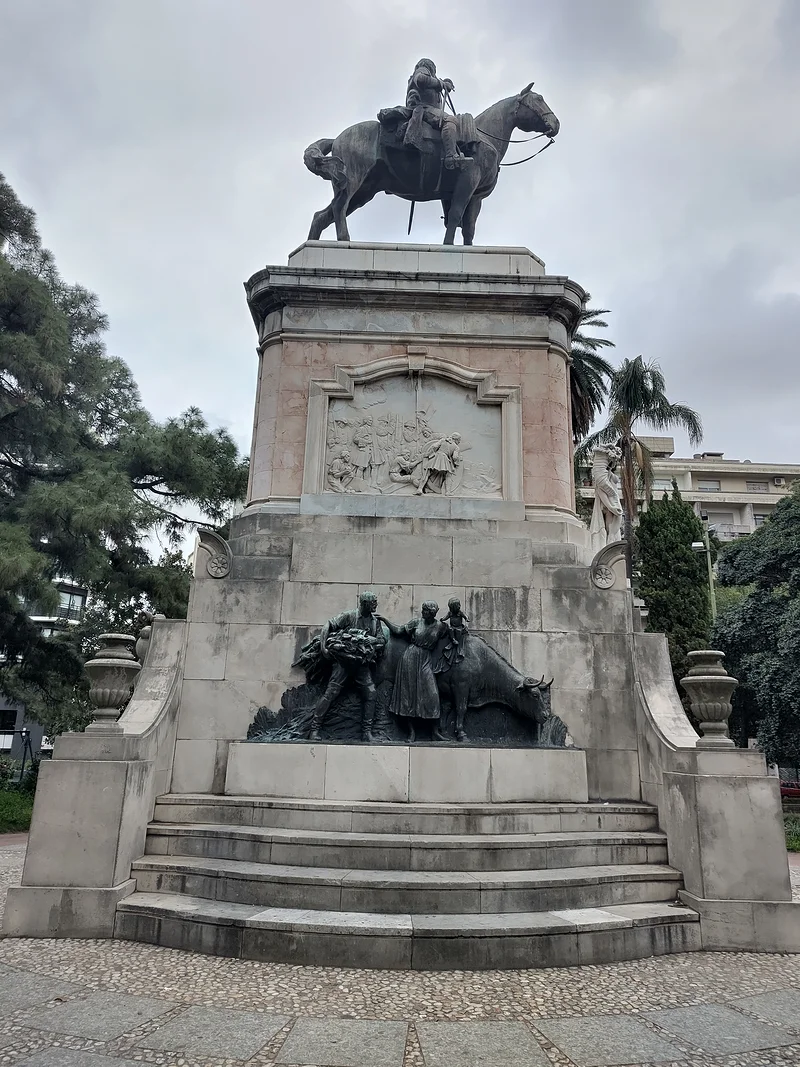
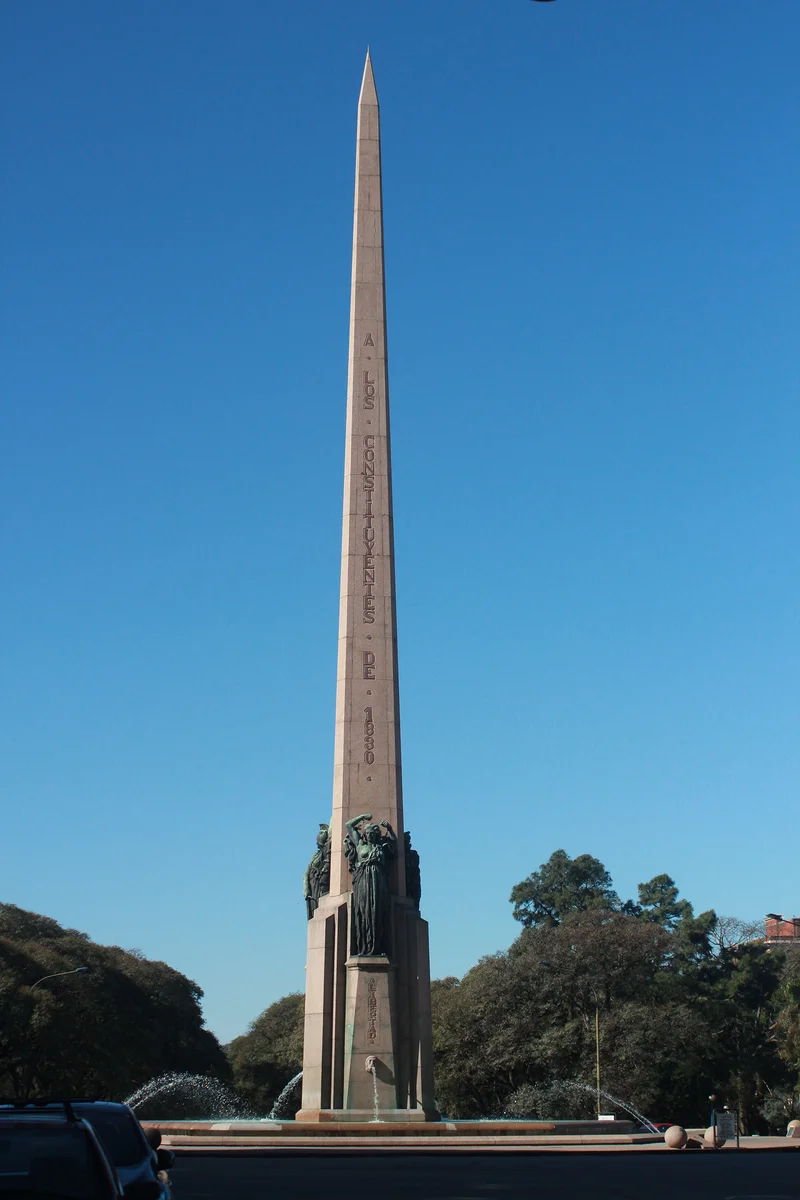
Beneath the square, the mausoleum of José Artigas, father of Uruguayan independence, recalls the country's turbulent past. Another historic landmark is the Cagancha Square with its peace column, marking kilometer zero for the country's main national highways.
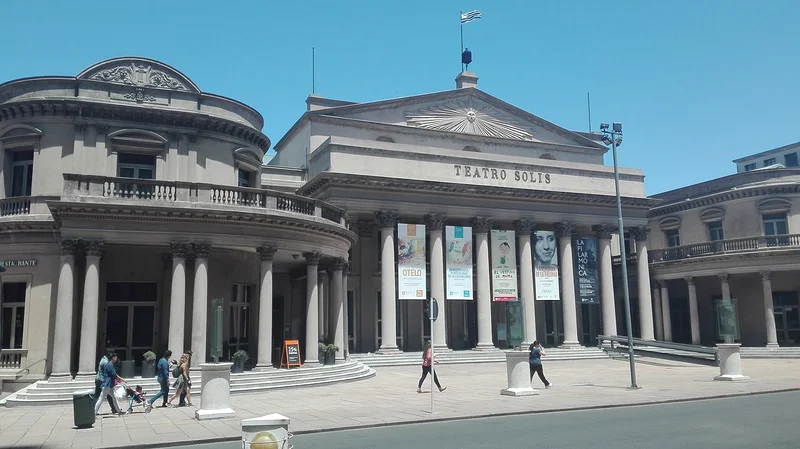
The pedestrian Sarandí street stretches south, lined with handicraft stalls, bookstores, and cafes. Do not miss the magnificent Librería Puro Verso, set inside a former Art Nouveau building. The Solís Theatre, one of Latin America's oldest, is worth a look from the outside just to admire its grand neoclassical facade.
The Torres García Museum and the Gurvich Museum, both dedicated to the pioneers of Uruguayan constructivism, are worth visiting if you appreciate modern art. The Palacio Taranco, a former mansion designed by Charles Louis Girault, the architect behind the Petit Palais in Paris, displays a fine collection of Franco-Spanish decorative arts and furnishings.
The Rambla and beach neighborhoods
The Rambla is the soul of Montevideo. This ribbon of concrete and greenery runs along the Río de la Plata for over 22 kilometers, stretching from Ciudad Vieja all the way to the upscale neighborhood of Carrasco. Locals jog, bike, sip mate, and watch the sunsets here. We at Avygeo think it is one of the finest coastal promenades in South America.
The Pocitos neighborhood offers the city's most frequented beach, complete with the famous giant Montevideo sign for a photo op. A bit further along, Punta Carretas charms visitors with its restaurants, its old shopping mall built inside a former prison, and the quirky Castillo Pittamiglio, built by an alchemy enthusiast architect.
Friendly tip: for a proper beach day, head out to Carrasco Beach. The water of the Río de la Plata runs dark and muddy, so do not expect turquoise Caribbean water because it is an estuary. The real appeal is the vibe and the grand surrounding architecture.
Cordón, Palermo, and the alternative scene
Beyond the standard tourist sights, the neighborhoods of Cordón and Palermo reveal a younger, more creative Montevideo. The Mercado Ferrando, set inside an old furniture factory, operates as a food hall with large shared tables, craft beers, and global cuisines. It is the ideal spot to grab an affordable dinner while soaking up the local scene.
Barrio Sur is the birthplace of candombe, the percussive Afro-Uruguayan music recognized as intangible cultural heritage by UNESCO. On practice nights, dozens of percussionists march through the streets, and traffic stops to let them pass. It is a genuine local experience if you happen to be there at the right time.
On Sunday mornings, head straight to the Tristán Narvaja street market, the city's largest open-air market. Dozens of streets turn into a colorful bazaar filled with vinyl records, antiques, fresh fruit, and oddities of all kinds. The market opens around 9 AM and wraps up by 3 PM.
Parks and off-the-beaten-path museums
Parque Rodó acts as the green lung of Montevideo. Split into three zones with an artificial lake, shaded lawns, and a small permanent amusement park, it draws families on weekends. The edges of the park host a regular artisanal market.
Further north, Parque Prado preserves a 19th-century villa neighborhood. You will find a quiet botanical garden, weathered historic mansions, and an atmosphere quite distinct from the rest of the city. The free Blanes Museum displays a collection of Uruguayan art through the ages.
For a memorable and unusual stop, the Andes 1972 Museum tells the story of the infamous Andes plane crash immortalized in film. The museum is small but managed by a passionate guide who adds incredible depth to the visit. Admission runs around 8 USD.
Friendly tip: wine lovers can visit Bodega Bouza, a winery reachable by taxi from downtown. You can taste Tannat, Uruguay's signature grape, in a bucolic setting surrounded by vintage cars.
Where to eat and drink in Montevideo?
Uruguayan gastronomy revolves around meat, and denying that would be pointless. The national dish is the chivito, a gargantuan sandwich loaded with steak, ham, cheese, egg, salad, and sometimes bacon. It is heavy, unpretentious, and delicious. You can find it everywhere from neighborhood diners to upscale restaurants.
The Mercado del Puerto, opened in 1868 under a wrought-iron structure imported from England, stands as the temple of Uruguayan parrilla. The aroma of wood-fired grilled meat greets you right at the entrance. Order a medio y medio, the local cocktail mixing white wine and sparkling wine. Be aware that the restaurants closest to the entrance tend to be the most touristy and expensive.
Essential specialties to try include fainá, a crispy chickpea flatbread often stacked right on top of a slice of pizza; fresh pasta with salsa Caruso, a creamy Uruguayan creation made with mushrooms, ham, and cream; and alfajores, those dulce de leche-filled cookies found on every street corner.
For a trendier setting, check out Mercado Ferrando in Cordón or Mercado Williman in Punta Carretas. Café Brasilero, the city's oldest cafe, is the perfect spot for a cortado paired with fresh medialunas.
How to get to Montevideo?
No direct flights operate from the UK. Connections route through São Paulo, Madrid, or Buenos Aires, with total travel times ranging from 14 to 20 hours depending on layovers. Carrasco International Airport sits about twenty kilometers from downtown, a roughly $29 to $40* taxi or Uber ride.
For travelers already touring Argentina, taking the ferry across the Río de la Plata is a classic route. Buquebus runs a direct ferry from Buenos Aires to Montevideo in 2.5 hours, starting around $68*. The more budget-friendly option is the ferry and bus combo via Colonia del Sacramento, which takes about 4.5 hours but usually costs half as much.
How to get around Montevideo?
The historic center is easily explored on foot. For longer distances, the bus network is comprehensive. Pick up an STM card for free at Abitab kiosks: rides cost around 50 Uruguayan pesos compared to 61 in cash. Buses are reliable, though the network can feel confusing for newcomers.
Uber and DiDi provide the easiest way to get around, with most city trips costing between $2.30 and $9*. Taxis use meters, so no negotiation is needed. To explore the Rambla, renting a bicycle is ideal, with rentals available in several neighborhoods.
When to go?
The austral summer from December to March is the prime season for hitting the beaches and enjoying long evenings on outdoor terraces. This period also brings the Montevideo Carnival, the world's longest, running from late January to early March with murga and candombe parades.
Spring and autumn deliver mild temperatures and smaller crowds. Winter, from June to August, is cool and windy, resulting in a quieter yet still active city.
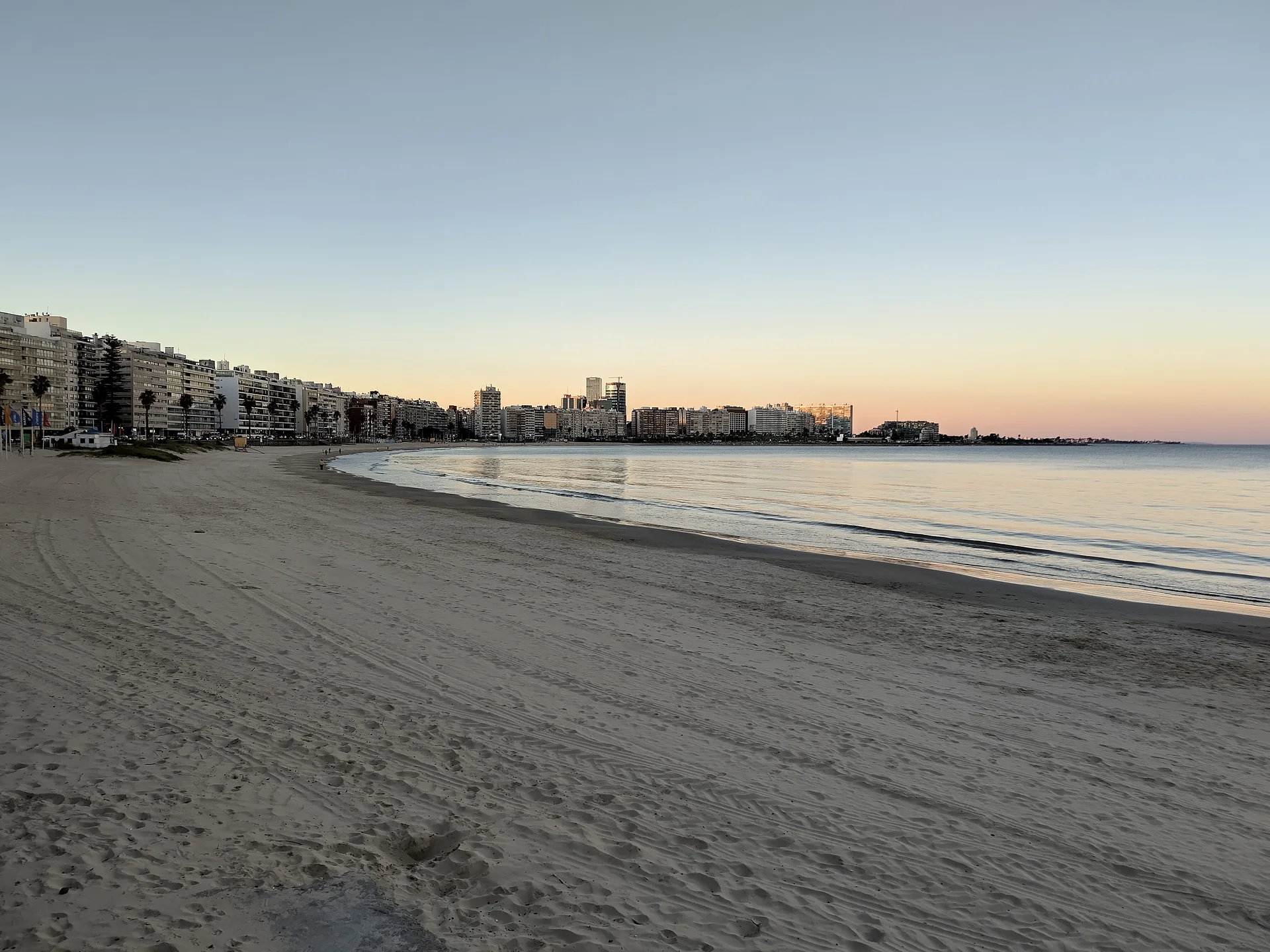
What could be more original than visiting Uruguay? Those who can name the capital without confusing it with Asunción in Paraguay earn some points! Montevideo is a very quiet city where you can visit almost everything on foot. There are plenty of museums to learn more about the history of the country. An old town that was once a citadel. And to top it all off, pleasant beaches, parks, and little cafes.