
Visiting the Port of Montevideo
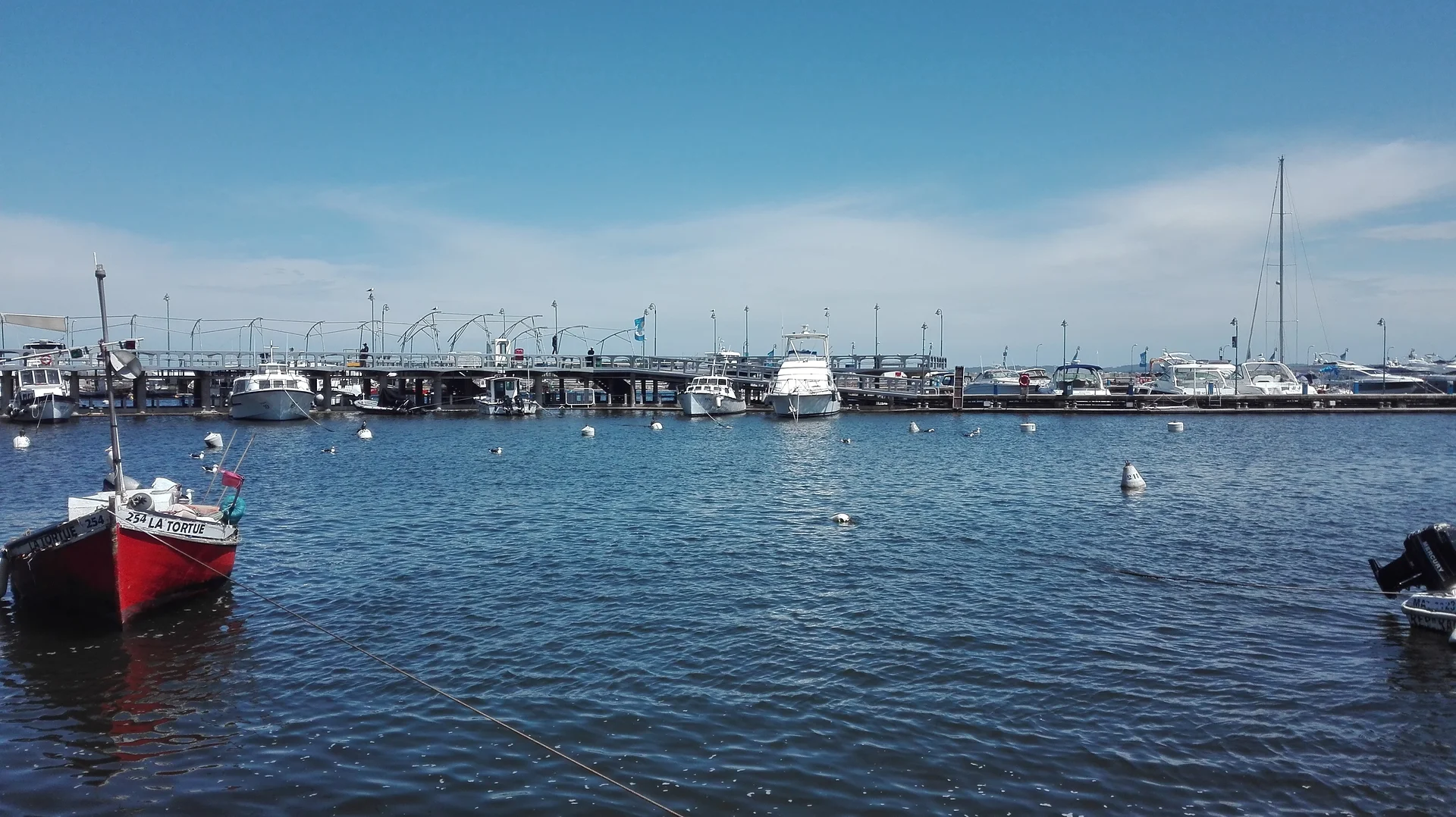
Located in the northern section of the old town of Montevideo, the port district serves as a vital hub for the entire Uruguay economy. It stands as one of the primary ports in South America, rivaled in this region only by the port of Buenos Aires.
History
The bay of Montevideo offers natural protection for ships, which encouraged early settlement and allowed trade to flourish. While the geography was naturally advantageous, residents worked to further improve the facilities. Between 1870 and 1923, the site underwent significant modifications.
Initial efforts included the construction of a wooden pier to shield docked vessels from heavy waves. This was followed by the addition of numerous warehouses surrounding the port, a river basin, and a refinery. Finally, a second pier was added to provide additional protection for the harbor.
Unfortunately, a severe storm struck the site in 1923, requiring extensive repairs. Since those renovations, the port has seen few structural changes. A period of local economic stagnation prevented further expansion, leaving the area somewhat preserved in its past state.
Around the Port of Montevideo
Given the accessibility of the harbor, numerous businesses established themselves around the bay. You will find shipping lines alongside various import-export companies. This rapid industrial growth came at a cost to the environment, resulting in local water and air pollution. Regardless, there are very few residential dwellings in this immediate sector.
It was not until 2010 that the Inter-American Development Bank provided 20 million dollars to revitalize the area. The facility has since undergone significant expansion and modernization. It has experienced rapid growth and renewed activity ever since.
The Port of Montevideo remains the central engine of the economy of Uruguay.

The port doesn't really seem like a place you can visit, but it is located right in the heart of the old town and its many pedestrian streets. A cool wind blows through the streets in the fall, bordered on both sides by the Rio de la Plata. Why not stop at the Mercado del Puerto to enjoy some empanadas at Carolina?