
Where to stay in Montevideo: the 5 neighborhoods to know in 2026
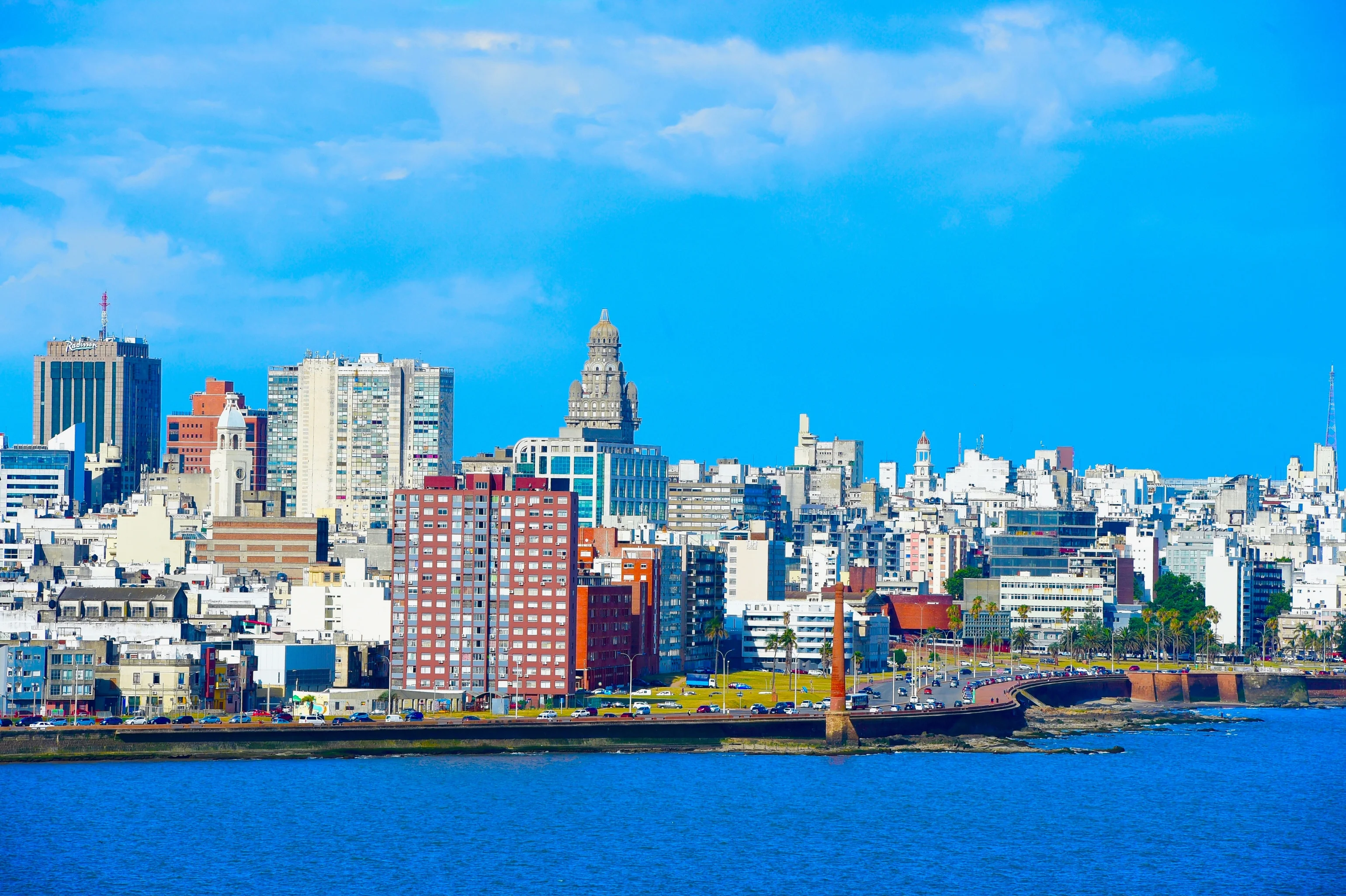
South America is supposed to be cheap, and Montevideo surprises you on the very first hotel night: prices here look like those of a European city. In return, the calmest capital on the continent is seen mostly on foot, between the old town and twenty kilometres of rambla along the Río de la Plata.
The five areas below all sit close to one another, and what really separates them is the mood you wake up to. The museums of the Ciudad Vieja, the Art Deco of 18 de Julio avenue, or the sand of Pocitos below the building. A comfortable hotel runs $90 to $158* a night, a dorm bed 15 to 25, with a spike in January and February.
You should also know before coming that prices are pretty much the same as in France, or even higher for some things, but it is always easy to find good, budget friendly spots.
Compare hotel prices in Montevideo
In a hurry? Find the best accommodation deals in 3 clicks.
Compare live deals from Booking, Expedia, Agoda and other partners.
At a glance: our picks by traveller type
Pick the profile that suits you to head straight to the recommended neighborhood.
The neighborhood map in Montevideo
Get your bearings on the neighborhoods and must-see sights before choosing where to drop your bags. Click a name to jump to its description.
Ciudad Vieja Historic peninsula
for heritage, museums and the Mercado del Puerto
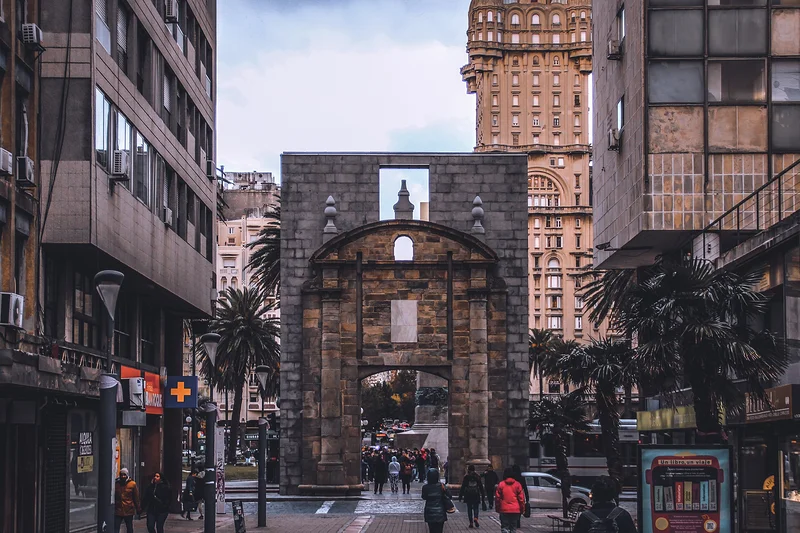
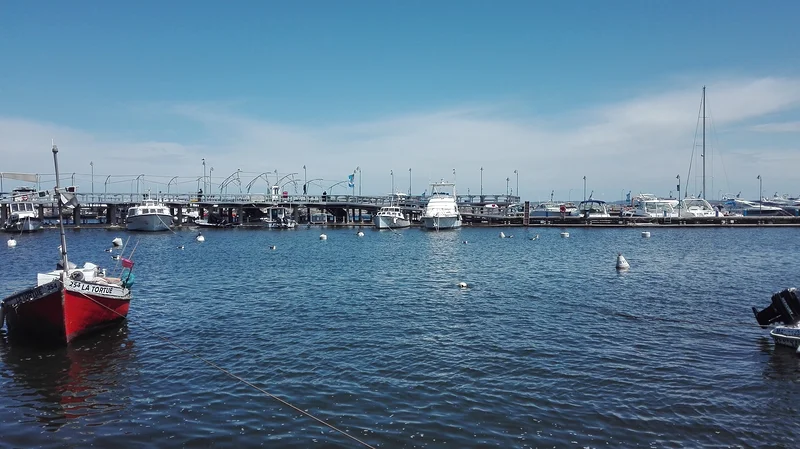
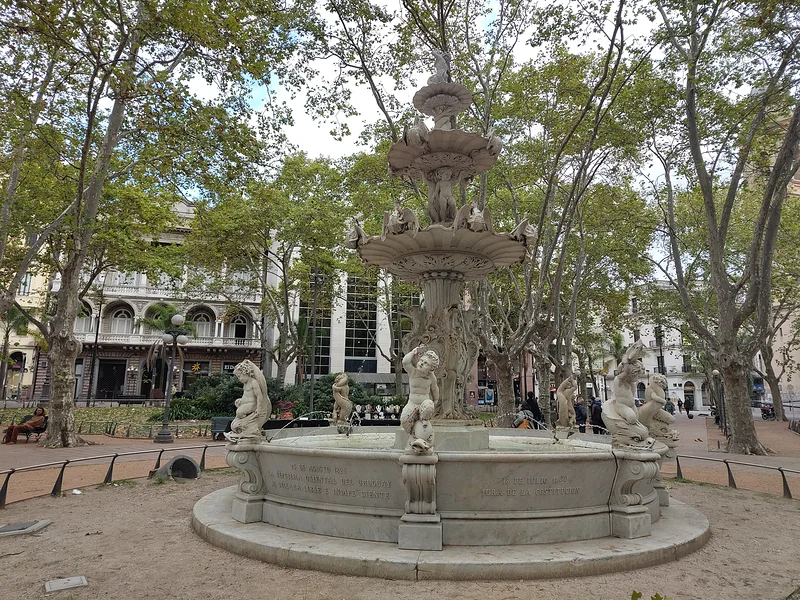
The peninsula where the city was born fits into a handful of streets: Plaza Matriz, the Solís theatre, the Torres García and Gurvich museums, and the Mercado del Puerto, whose parrillas run at full tilt at lunchtime under the iron hall. The lanes are pedestrian and the river borders the peninsula on both sides. The downside is clear: on weekdays the streets empty at dusk, and one member finds Plaza de la Constitución « a bit sketchy ».
What to see & do in the neighborhood
Where to stay in this neighborhood
Alma Histórica Boutique Hotel Luxury
An antique dealer's house on plaza Zabala, each room devoted to a Uruguayan figure, with a rooftop jacuzzi and the old town below.
Don Boutique Hotel Mid-range
Facing the Mercado del Puerto: roomy bedrooms, a terrace over the harbour, and the parrillas at the foot of the lift for lunch.
Viajero Montevideo Hostel Budget
The go-to hostel in the historic quarter: dorms and double rooms, a patio, bikes and asados among travellers.
Pros
- Museums, Solís theatre and parrillas on foot
- The only truly historic area
Cons
- Empty streets on weekday evenings
- A taxi is advised for late returns
Centro and 18 de Julio Around the avenue
for Art Deco, theatres and reaching everywhere
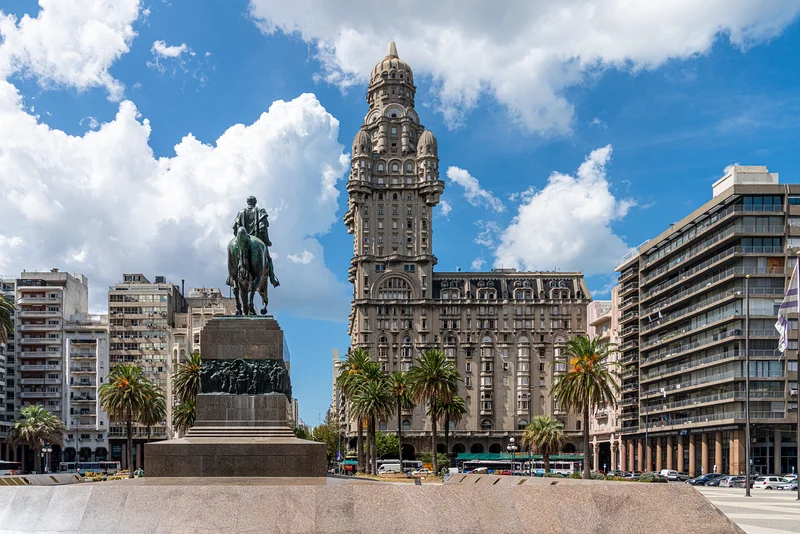
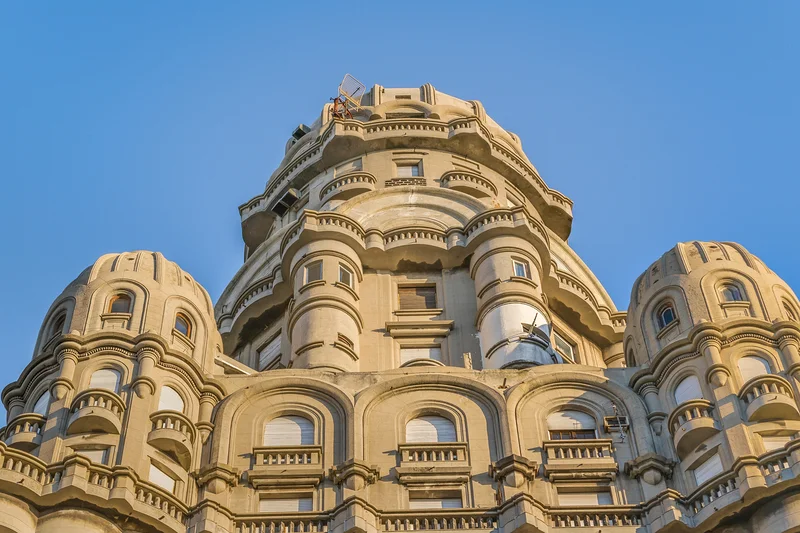
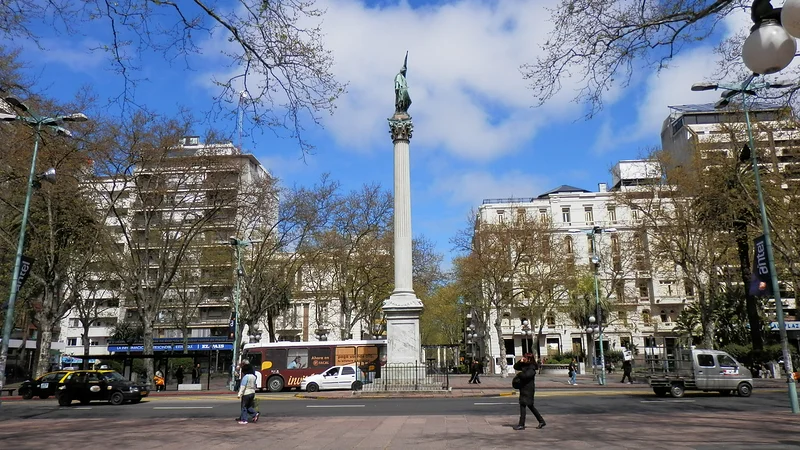
18 de Julio avenue crosses monumental Montevideo, from Plaza Independencia, where the statue of Artigas stands at the foot of the Palacio Salvo, to the Palacio Municipal. Buses leave from here in every direction, which makes it the handiest base for a short stay. On Saturdays, Plaza Cagancha hosts milonga and tango concerts « until all hours of the night », as a regular tells it. The downside: the area works by day and shuts early, and for some side streets a taxi is the safer choice at night.
What to see & do in the neighborhood
Where to stay in this neighborhood
Radisson Montevideo Victoria Plaza Luxury
The institution on Plaza Independencia: panoramic upper floors, a casino, and the Palacio Salvo in the window.
Esplendor by Wyndham Montevideo Cervantes Mid-range
The literary hotel of 1927, linked to Borges' stays, restored as a vintage address in the heart of the Centro.
Hotel Klee Budget
A simple, central three-star near Plaza Cagancha: renovated rooms, sensible rates, buses in every direction.
Pros
- Central position, buses across the city
- Art Deco and theatres at the door
Cons
- Shutters down early in the evening
- Uneven side streets at night
Cordón, Tres Cruces and Parque Batlle Centre-east
for the Sunday market, the stadium and small budgets
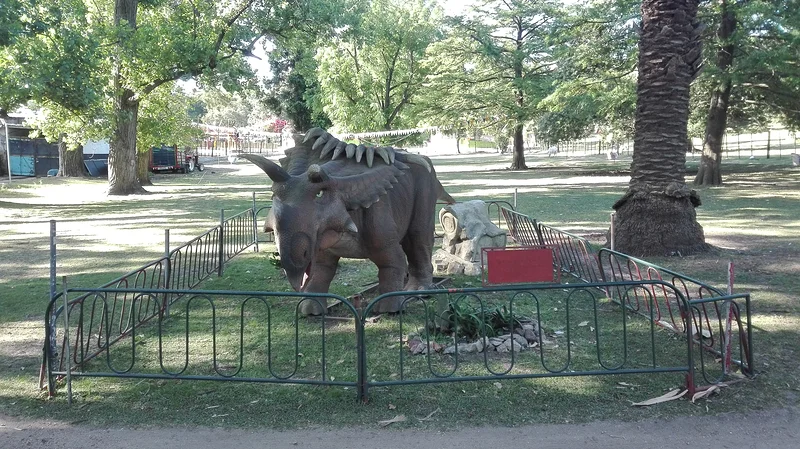
Everyday Montevideo. Every Sunday the Tristán Narvaja market spreads books, antiques and bric-a-brac across whole streets, while Parque Batlle fills with families around the Centenario stadium, where the first World Cup final was played in 1930. Student cafés keep Cordón awake midweek and rooms here are the cheapest in the city. The downside: little to visit on the spot, and the Tres Cruces bus terminal is no one's idea of scenery.
What to see & do in the neighborhood
Where to stay in this neighborhood
Dazzler Montevideo Luxury
A modern four-star on 18 de Julio avenue, halfway between the Centro and Parque Batlle. Quiet upper-floor rooms and buses at the door.
Hotel Alfa Suites Mid-range
Practical and proud of it, next to the Tres Cruces terminal: buses for the whole country downstairs, contained prices, families welcome.
Pros
- The Tristán Narvaja market on Sundays
- The gentlest prices in the city
Cons
- Few major sights nearby
- Mostly residential and student area
Pocitos and Buceo East, by the river
for a beach in the city and neighbourhood life
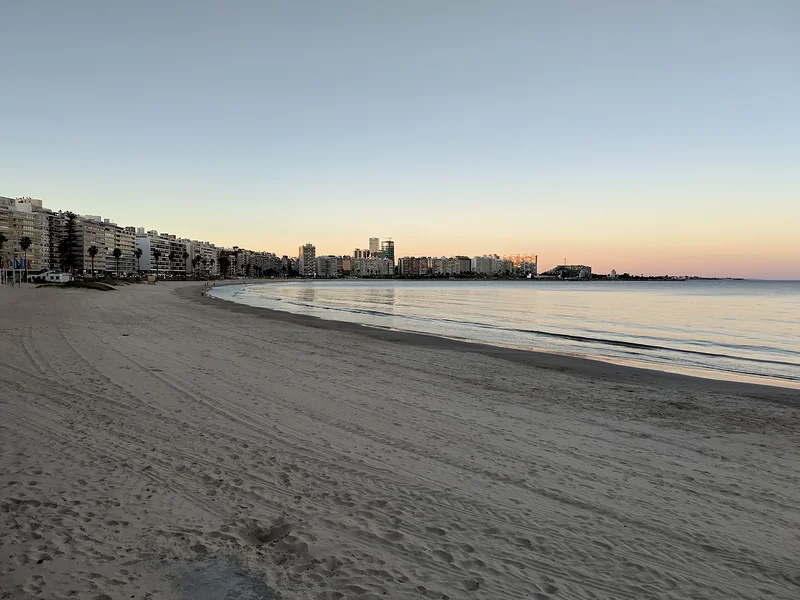
A bay of sand in the middle of the city, white blocks lined up facing the water, and a rambla where people run in the morning. Pocitos beach is reached on foot or by bus, though one member warns it is « Pretty crowded in the summer. ». Towards Buceo, the marina and the Montevideo Shopping serve as the local centre. The downside: the heritage is twenty minutes away by bus, and what you pick here is a way of life rather than a list of sights.
Uruguayans seem to come here to enjoy the sunset on the benches while drinking mate.
What to see & do in the neighborhood
Where to stay in this neighborhood
Hyatt Centric Montevideo Luxury
The five-star on the rambla: rooms facing the Río de la Plata, a pool, and the sunset from the rooftop bar.
Pocitos Plaza Hotel Mid-range
A four-star set in the quiet streets two blocks from the beach: the area's business-and-holiday compromise.
Pros
- Beach and rambla on waking
- Cafés, ice cream and local life
Cons
- Twenty minutes by bus from the heritage
- Among the highest rates in town
Punta Carretas and Parque Rodó South
for parks, the southern rambla and good tables
The southern point, residential and sought-after: the Punta Brava lighthouse, the former penitentiary turned shopping centre, the paths of Parque Rodó with its summer theatre and funfair, and Ramírez beach below. This is where you eat best, and the rambla offers the finest sunsets in the city. The downside: rates on a par with Pocitos, and little to visit in the strict sense, the shopping centre being a place to live rather than a curiosity.
Where to stay in this neighborhood
Regency Golf Hotel Urbano Mid-range
A hushed four-star facing the golf course: absolute quiet, the rambla to cross and a generous breakfast.
ibis Montevideo Rambla Sur Budget
The reliable budget marker on the southern rambla, halfway between the old town and Parque Rodó. The river on waking.
Pros
- Parks, lighthouse and sunsets
- The best density of restaurants
Cons
- High rates for the city
- Historic sights a bus ride away
Our tips for booking the right place
- Twenty kilometres of rambla and no metro: Between areas, you walk or cycle along the river: it is flat, safe and pleasant at the end of the day. For the rest, buses are everywhere (STM card or pay on board) and taxis stay affordable. Count your journeys in bus minutes rather than kilometres: twenty of them separate the old town from the beach.
- At the Mercado del Puerto, aim for lunch: The parrillas in the hall fire up at midday and close with daylight: this is a lunch appointment, not a dinner one. In the evening, life shifts towards the Centro and Parque Rodó. On Sundays the asado takes up the whole day, and nothing else will get done.
- January empties the city, March fills it again: The southern summer sends Montevideans to Punta del Este: the city quietens down, but rates climb and rooms grow scarce, all the more so as the Uruguayan carnival, the longest in the world, fills January and February. March-April and October-November remain the best trade-off between weather, prices and local life.
- The Ciudad Vieja on weekdays after dusk, away from the busy streets: the offices close, the lanes empty, and a taxi back is the wiser choice. At weekends the quarter comes alive again around Plaza Matriz.
- The area around the Tres Cruces terminal if you want somewhere to linger: it is convenient for sleeping before an early bus, and no more. Everything worth seeing is two kilometres away.
- Carrasco « for the beach » if your stay is an urban one: this garden suburb is splendid, but it takes 30 to 40 minutes to reach the centre. It mainly suits those flying out early the next morning.
FAQ: where to stay in Montevideo
Which area should I choose for a first visit to Montevideo?
Where can I stay cheaply in Montevideo?
Which area suits families?
Where to go out in the evening in Montevideo?
Do I need a car in Montevideo?
How much does a hotel night cost in Montevideo?
 Keep exploring
Things to do in Montevideo
Keep exploring
Things to do in Montevideo
Comments (0)
No comments yet. Be the first!