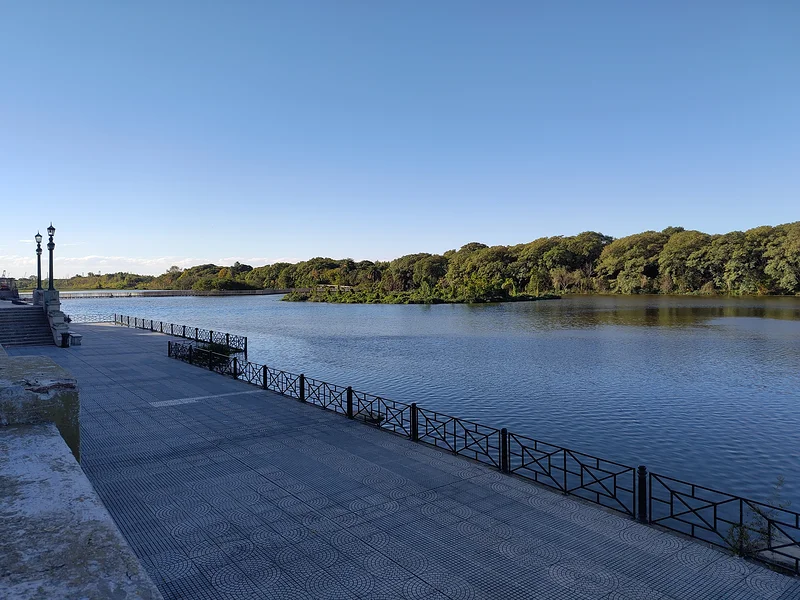
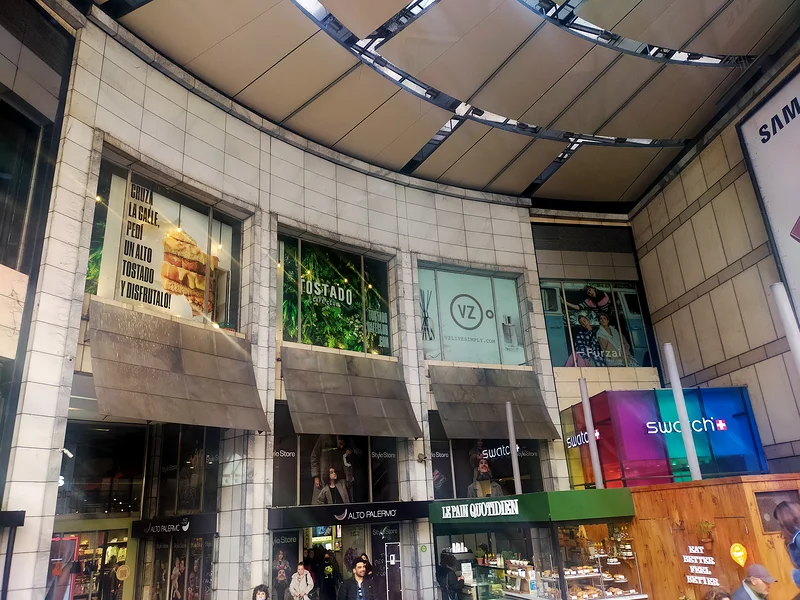
Rue Musée Caminito

Things to do in Buenos Aires: top 13 must-see attractions

Looking for inspiration to visit Buenos Aires? Browse the attractions our traveler community loves most — historic sites, cultural visits, scenic walks and laid-back spots...

Top 13 attractions our members recommend

Metropolitan Cathedral of Buenos Aires

#1 Metropolitan Cathedral of Buenos Aires +8 4.5

S'il y a bien un monument argentin atypique, c'est certainement la cathédrale métropolitaine de Buenos Aires. Vue de l'extérieur, celle-ci prend effectivement la forme d'un temple antique repose sur des colonnes de style néoclassique. Le bâtiment n'en demeure pas moins la principale église catholique de la ville, ainsi que le siège de l'archidiocèse de Buenos Aires. À l'instar du Panthéon français, l'édifice abrite également les tombes de plusieurs héros nationaux argentins. Pour la petite histoire : le pape François en fut également l'archevêque, de 1998 à 2013.

Obelisk

#2 Obelisk +7 4.5

Trônant au centre de la Plaza de la República, l'Obélisque de Buenos Aires est l'un des monuments emblématiques de la capitale argentine. Cette colonne imposante a, en fait, été érigée en 1936 pour célébrer les 400 ans de la ville. Elle est aujourd'hui, sans conteste, l'un des monuments préférés des Argentins - et aussi l'un des plus connus à l'étranger. À ce titre, l'obélisque fait fréquemment office de point de rassemblement dans le cadre de diverses manifestations populaires (tout comme la "Plaza de Mayo").

Casa Rosada

#3 Casa Rosada +7 4.5

Située au centre de la capitale Buenos Aires, la Casa Rosada ("maison rose", en français) est le siège du pouvoir exécutif argentin. Fort logiquement, l'édifice doit son nom à la couleur rose qui orne ses façades. Cette teinte a notamment été obtenue, au XIXe siècle, grâce à un mélange inédit entre de la chaux et du sang de bœuf. Faisant face à a place de Mai, la Casa Rosada est également un endroit emblématique devant lequel se regroupent des manifestants pour faire valoir leur cause. Le cas le plus célèbre est sans doute celui porté par les mères d'enfants disparus au cours de la dictature militaire ; celles-ci manifestent, en effet, chaque semaine, en ces lieux, depuis 30 ans.

Recoleta Cemetery

#4 Recoleta Cemetery +6 5

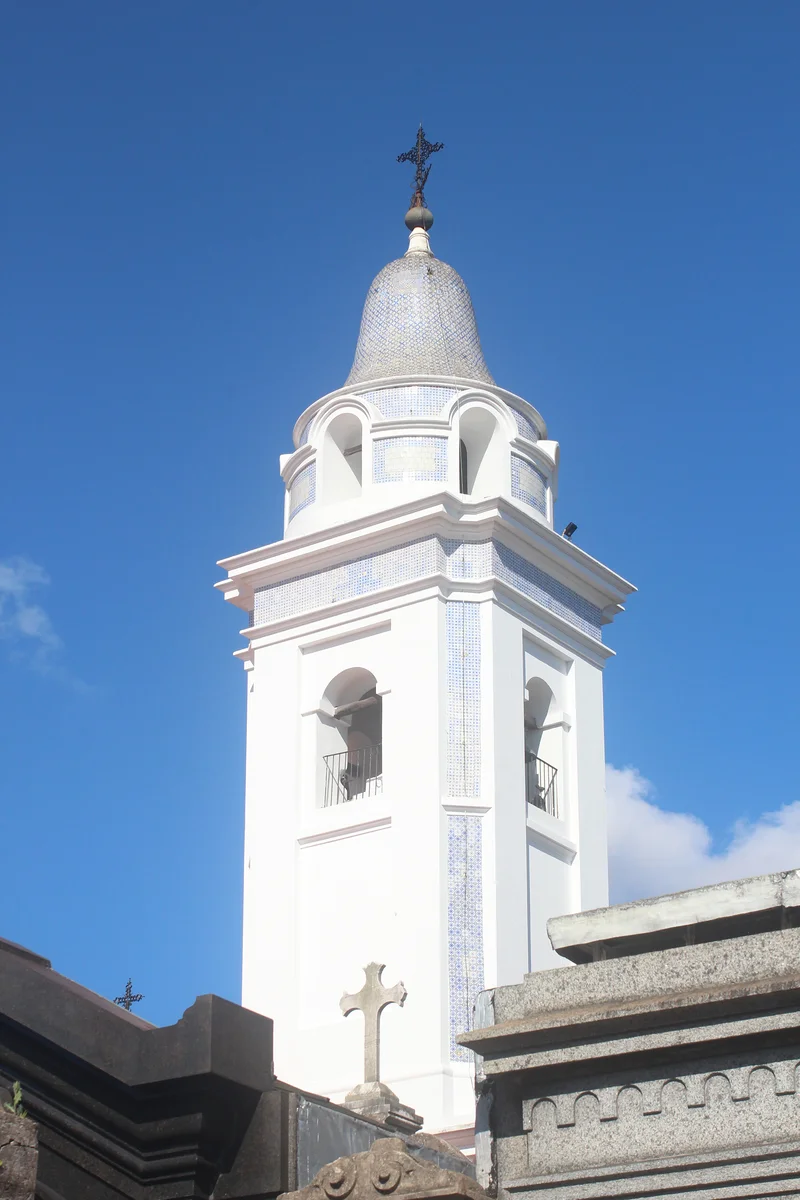
A priori, la visite d'un cimetière peut sembler un peu macabre. Celui de Buenos Aires vaut toutefois le détour. Situé dans le quartier éponyme, le cimetière de Recoleta est effectivement l'un des lieux les plus insolites de la capitale argentine. Avec plus de 4 000 tombes de personnalités nationales, celui-ci est en fait un véritable musée à ciel ouvert qui raconte de manière atypique l'histoire du pays. De plus : tout comme le quartier dans lequel il s'étale, le cimetière a un cachet très distingué ; les jardins qui l'entourent étant notamment appréciés pour l'apaisement qu'ils procurent.

Voir le guide View offers
Cafe Tortoni

#5 Cafe Tortoni +6 5

Héritage italien oblige : le café est une véritable institution en pays argentin. Justement : tout visiteur pourra apprécier la dégustation de ce délicat breuvage, dans un lieu spécialement conçu pour le délassement. À ce titre : le Café Tortoni est une véritable institution que se doit de découvrir chaque touriste qui se rend à Buenos Aires. Jouant pleinement la carte de la nostalgie et des traditions, ce lieu fait également revivre les atmosphères du siècle passé. Une aubaine pour les voyageurs souhaitant tout aussi bien explorer le temps.

Palacio Barolo

#6 Palacio Barolo +6 4

Lors d'un périple à Buenos Aires, tout visiteur s'arrête forcément devant le Palacio Barolo. Cet édifice surprend, en effet, par son allure géométrique toute en segments et en rondeurs. Avec ses 100 mètres de hauteur et ses 18 étages, ce grand monument a même longtemps été le plus haut immeuble de toute l'Amérique du Sud. Plus amusant encore : il y a bien une raison à l'allure atypique de ce "palais". Son architecte s'est en fait inspiré de la "Divine Comédie" de Dante pour en élaborer tout le décor !

Cabildo of Buenos Aires

#7 Cabildo of Buenos Aires +6 5

Situé sur la Plaza de Mayo, le Cabildo est un monument colonial emblématique et un musée retraçant l’histoire de l’Argentine. Il expose des artefacts, peintures et documents de l’époque coloniale, avec des récits captivants sur la révolution de mai 1810. Depuis l’étage, profitez d’une vue magnifique sur la Plaza de Mayo. Ce site historique est une visite incontournable pour comprendre le passé culturel et politique de Buenos Aires, et plus largement de l'Argentine.

Centenary Park

#8 Centenary Park +6 5

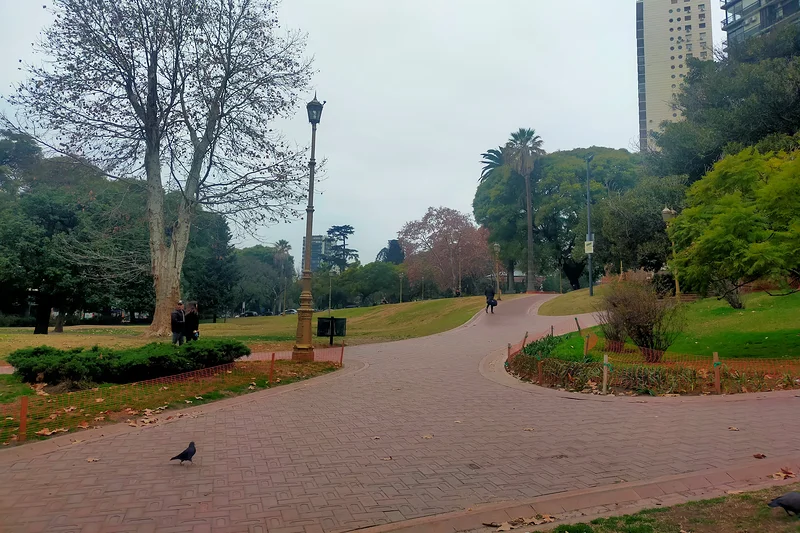
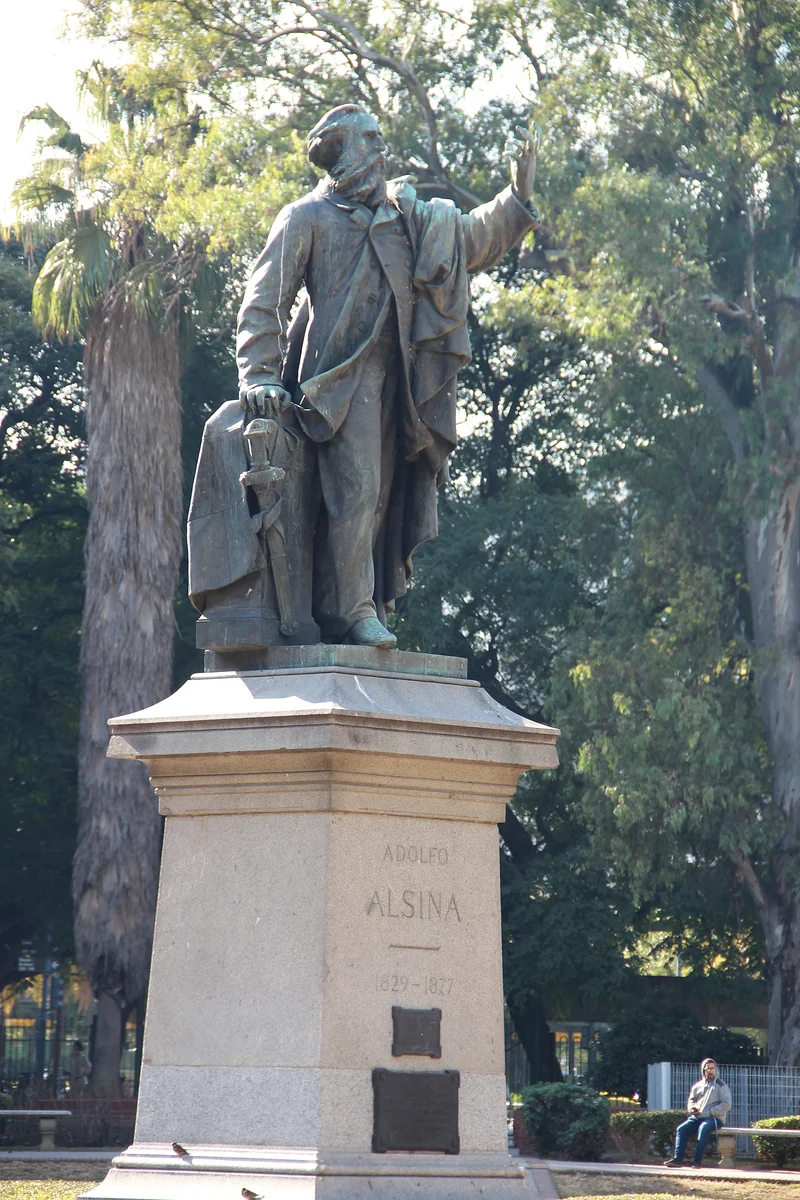
Vous souhaitez flâner dans Buenos Aires ? Un petit tour par le Parque Centenario s'avère presque indispensable.
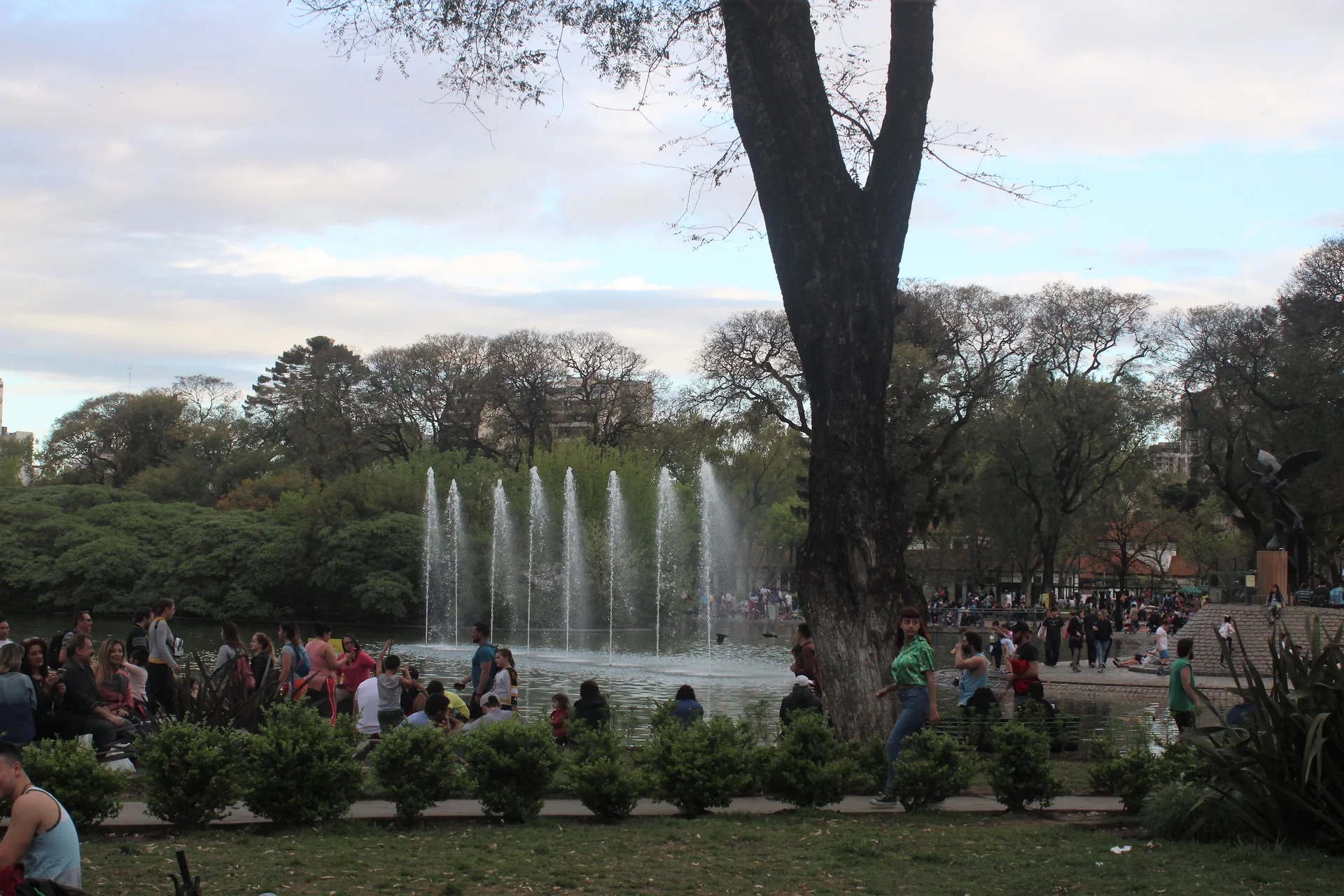
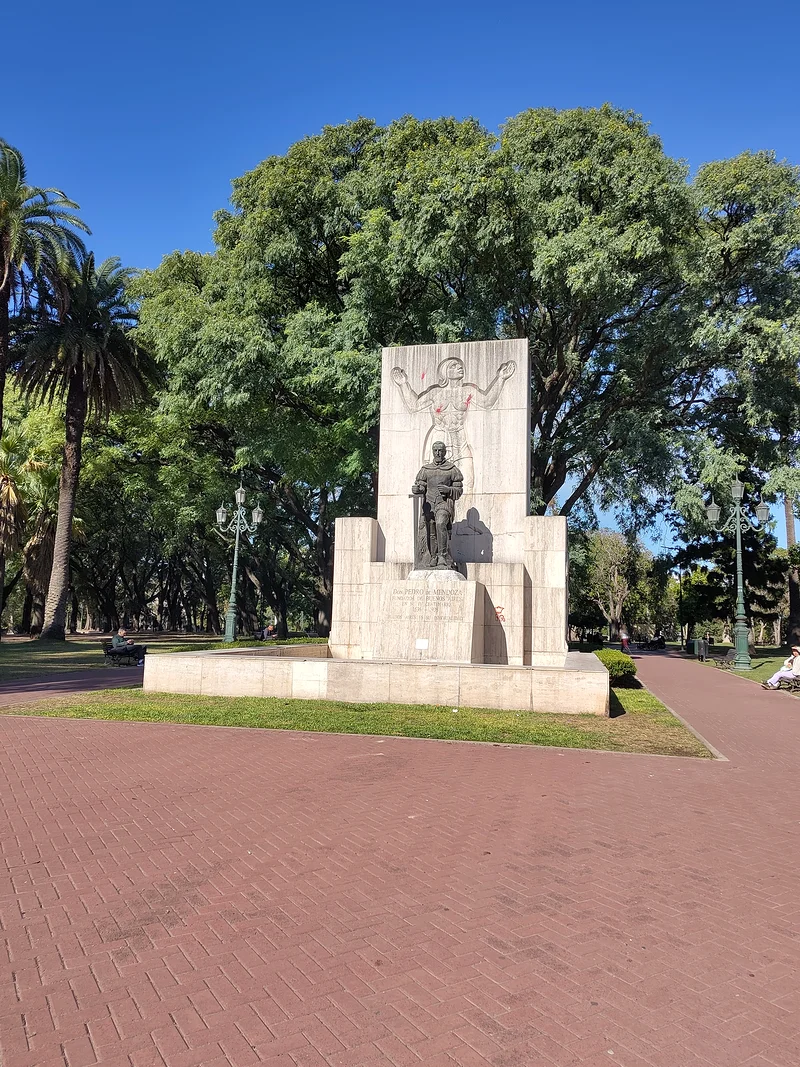
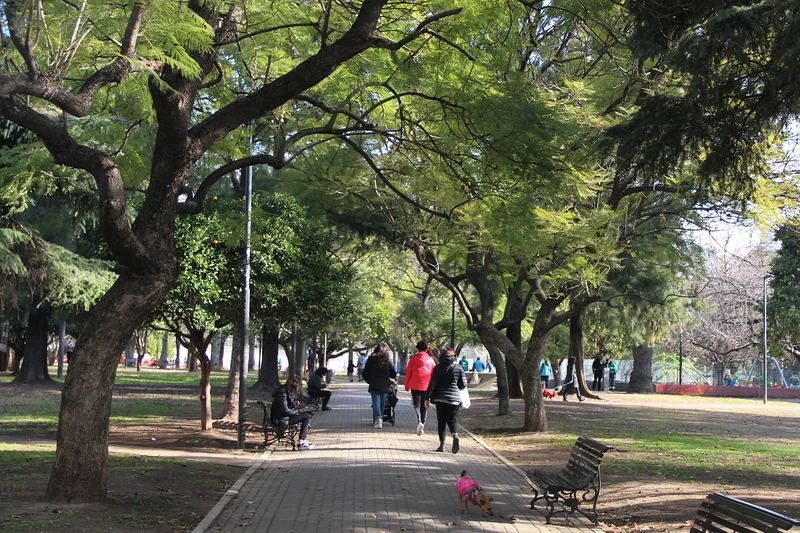
Ce gigantesque espace vert grand de dix hectares est, effectivement, une véritable bouffée d'air frais dans la capitale et mégapole argentine peuplée de près de 13 millions d'habitants. En plus de moments agréables passés sur l'herbe et au bord de l'eau, les visiteurs peuvent en outre admirer plusieurs monuments qui jalonnent les lieux. L'indicateur météorologique, par exemple, est une œuvre fascinante qu'il est instructif d'admirer. Pour les amateurs d'art et de culture, un très bel amphithéâtre mérite également le détour.

Plaza Dorrego

#9 Plaza Dorrego +6 5

Placée au cœur du très vivant quartier de San Telmo, la Plaza Dorrego est l'un des endroits les plus connus de Buenos Aires. Au XIXe siècle, elle était en fait le centre du principal quartier résidentiel de la capitale argentine. De nos jours, la place est majoritairement vue comme un lieu de repos où l'on se délasse en contemplant des adeptes du tango. Ces danseurs argentins sont effectivement l'une des principales sources d'attraction de ce lieu très prisé par les touristes.

Usina del Arte

#10 Usina del Arte +6 5

Située dans le quartier de La Boca, l’Usina del Arte est un centre culturel installé dans une ancienne centrale électrique restaurée. Ce lieu propose une programmation variée : concerts de tango, jazz ou musique classique, expositions d’art contemporain, spectacles et ateliers pour enfants. Avec son architecture unique, ses espaces conviviaux et ses activités interactives, l’Usina del Arte est une visite incontournable pour découvrir la vie artistique et culturelle de Buenos Aires.

Voir le guide View offers
La Bombonera

#11 La Bombonera +3 4.5

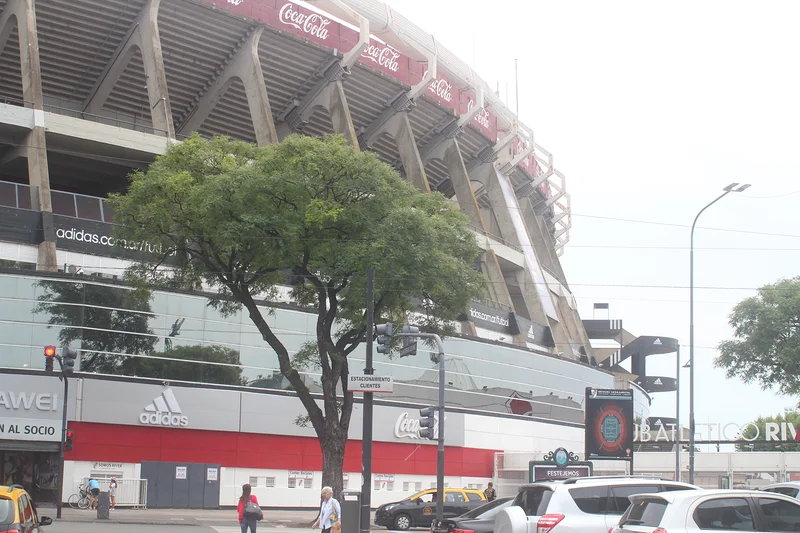
Antre du très populaire club de foot Boca Juniors, la non moins mythique bombonera (littéralement «"boîte à bonbons", en espagnol) trône dans le quartier de La Boca, à Buenos Aires. Au-delà de sa forme unique (celle d'un fer à cheval), ce stade est le lieu d'un déchaînement de passion qui fait sa réputation dans le monde entier. Chaque jour de match, des hinchas ("supporters", en Argentine) colorent, en effet, le stade en jaune et bleu. Soit les couleurs de l'institution argentine qui a notamment vu passer un certain Diego Armando Maradona...

Voir le guide View offers
Puente de la Mujer

#12 Puente de la Mujer +3 3

Des ponts, Buenos Aires en compte six. Mais celui de "la Femme" est sans conteste l'un des plus connus de la capitale argentine. Plus qu'une simple jonction, le Puente de la Mujer est effectivement un monument atypique qu'il est agréable de parcourir, les yeux rivés sur ses remarquables courbes architecturales. En outre, l'édifice a valeur d'hommage : comme son nom le laisse supposer, il se réfère, en fait, aux femmes (et notamment les militantes) qui ont marqué de leur empreinte la turbulente histoire argentine.

Voir le guide View offers
Caminito Museum

#13 Caminito Museum +3 5

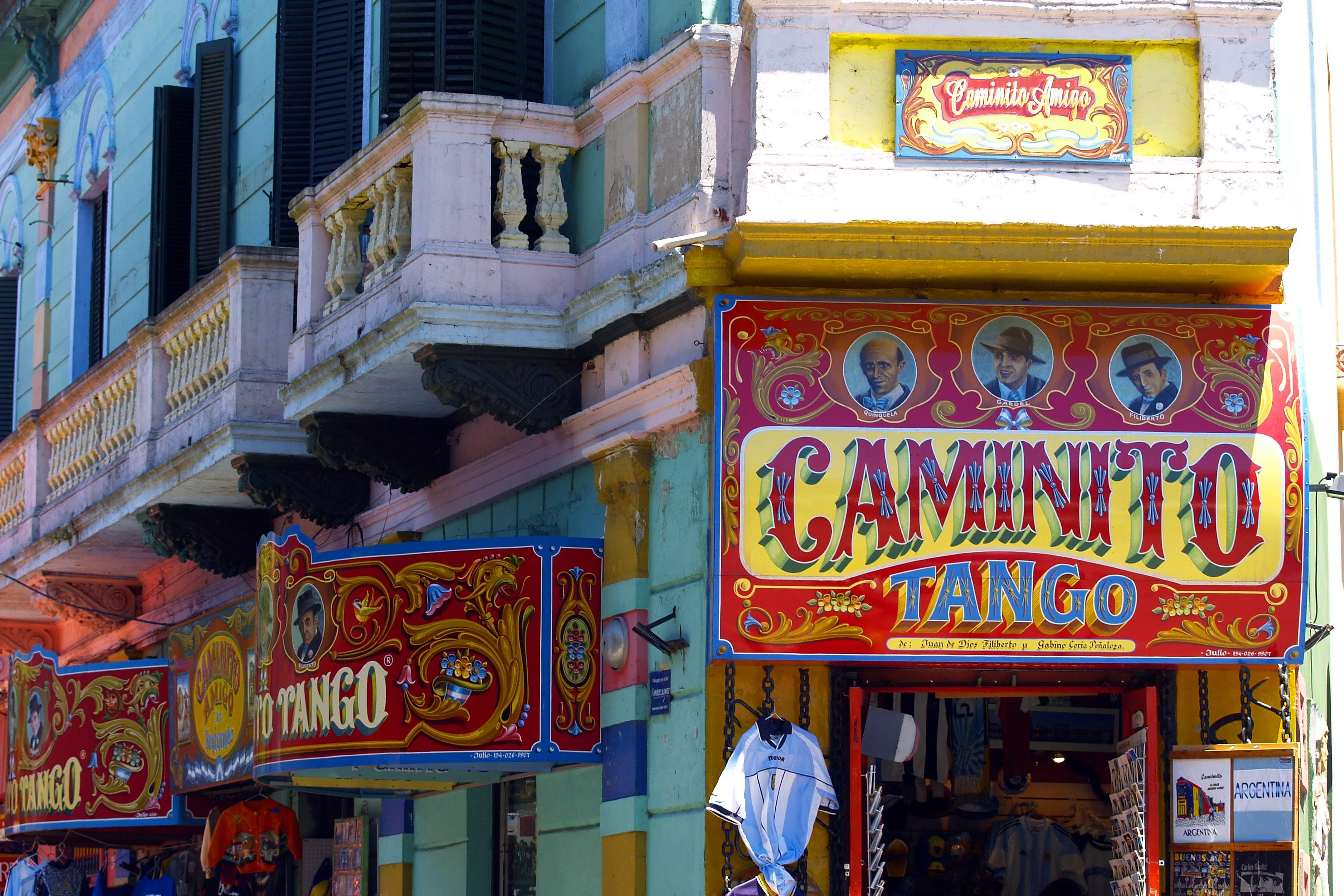
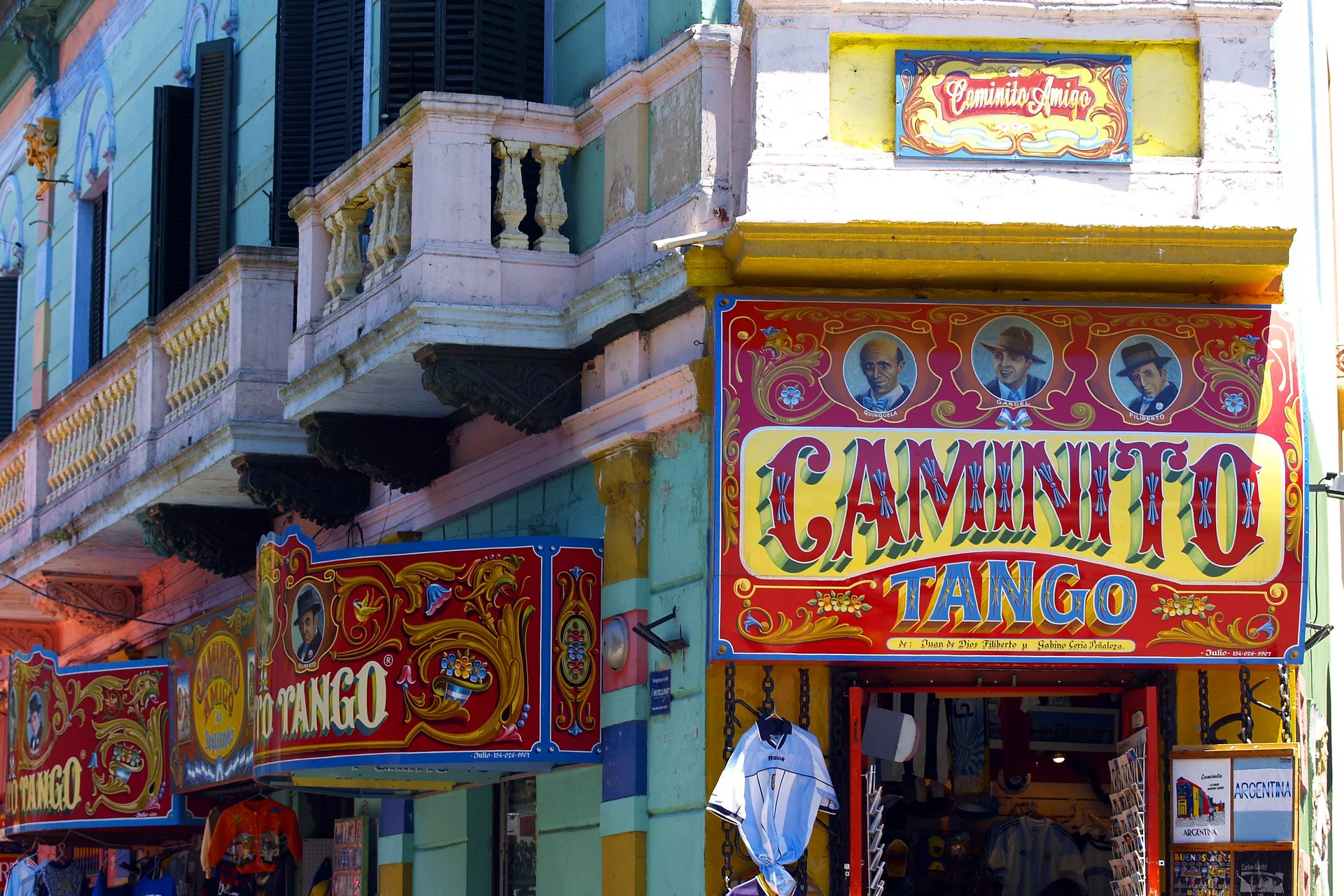
Les villes latino-américaines s'illustrent par des habitations aux formes atypiques et aux couleurs chatoyantes. Le musée de la rue Caminito fait justement référence à ce style d'architecture urbaine très particulier. Inspiré des maisons d'un ancien quartier portuaire, ce lieu de Buenos Aires est en fait idéal pour découvrir le passé italien de la capitale argentine. Pour les visiteurs, se dresse effectivement - devant leurs yeux - la reproduction grandeur nature des vieux bâtiments multicolores de La Boca. D'ailleurs, cette rue longue de 100 mètres serait tout simplement le premier musée à ciel ouvert du monde !

Map of must-see attractions in Buenos Aires

Visiting Buenos Aires: Tango and Parisian Elegance in South America

The scent of roasted coffee mingles with the melancholic notes of a bandoneón drifting from a cobblestone alley. Here, colorful facades sit alongside Haussmann-style buildings, beef grills sizzle on every corner, and the porteños, as the city's residents are known, live with an intensity that electrifies the atmosphere.

The 2001 crisis did not extinguish this fire. On the contrary, it seems to have stoked the boundless creativity of a city that refuses to be defined solely by its folklore. Yes, there is tango, mate, and Maradona, but above all, there is a cosmopolitan energy that makes this megalopolis of 13 million a unique territory within South America.

A destination for urban and culture lovers, less so for the contemplative traveler

If you are looking for paradise beaches or wilderness hiking, this is not the place. However, if you love cities that never sleep, neighborhoods where every street tells a different story, and dining tables that celebrate meat like nowhere else, you have found your home.

The Argentine capital appeals to urban strollers, architecture enthusiasts, night owls who want to dance until dawn in a milonga, and foodies ready to explore the most dynamic culinary scene on the continent.

Budget

Expect very accessible prices for accommodation and dining compared to Europe, especially in less touristy neighborhoods. As for transport, the subway network and buses cover the entire city, but your feet will remain your best ally. Be careful, however: summer (December to February) can be stifling, with temperatures hitting 40°C (104°F) and crushing humidity.

San Telmo: In the historic veins of the capital

The oldest neighborhood in the city pulses to the rhythm of tango escaping from every corner. Cobblestone streets wind between colonial houses with facades that have preserved their soul, despite time and crises. On Sundays, the feria de San Telmo turns Plaza Dorrego into an open-air theater where antique dealers, musicians, and dancers perform in a deliciously bohemian atmosphere.

The San Telmo covered market is worth a stop. You will find as many old vinyl records as artisanal sausages there. The Casa Mínima, literally the narrowest house in the city at just 2.5 meters wide, intrigues passersby. For contemporary art lovers, the Museo de Arte Moderno (MAMBA) offers exhibitions that reflect the local creative effervescence.

Friendly advice: Arrive at the feria around 9 a.m. to avoid the crush and keep an eye on your belongings, as pickpockets love Sunday crowds.

La Boca and Puerto Madero: Between colorful postcards and futuristic skylines

It is impossible to miss Caminito and its conventillos with their gaudy colors that have become iconic postcards. This Genoese-origin port neighborhood vibrates to the sound of soccer. The Bombonera, the legendary stadium of the Club Atlético Boca Juniors, attracts soccer pilgrims who come to understand why Argentines elevate this sport to a religion. The atmosphere during matches is volcanic.

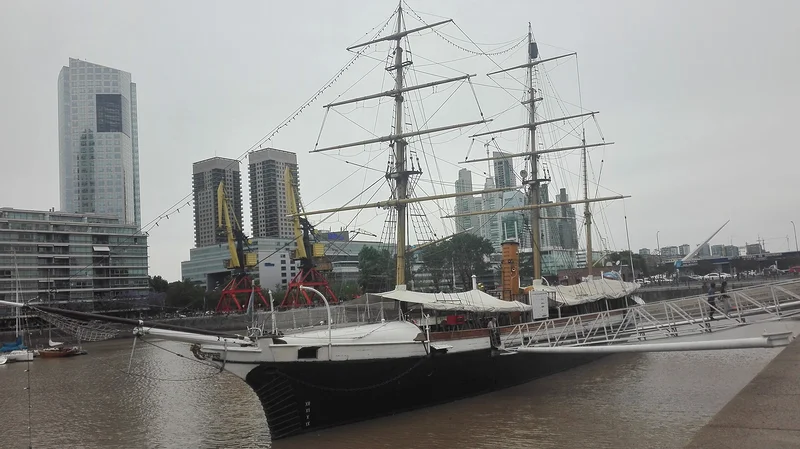
A short distance away, Puerto Madero offers a striking contrast. This port area, rehabilitated in the 90s, now lines up sparkling skyscrapers, high-end restaurants, and promenades along the docks. The Puente de la Mujer, designed by architect Calatrava, has become a symbol of this urban renaissance. For an unexpected nature break, the Reserva Ecológica Costanera Sur offers 350 hectares of biodiversity just steps away from the concrete.

Friendly advice: Visit La Boca only during the day and stay in tourist areas. At night, head to Puerto Madero for a waterfront dinner with an unbeatable view.

Palermo: The green and trendy lung of the capital

Spanning 15.6 square kilometers, Palermo is the largest and arguably most vibrant neighborhood. It is subdivided into several micro-universes. Palermo Soho seduces with its ubiquitous street art, designer boutiques, and cafes where digital nomads have taken up residence. On weekends, Plaza Serrano becomes a lively craft fair.

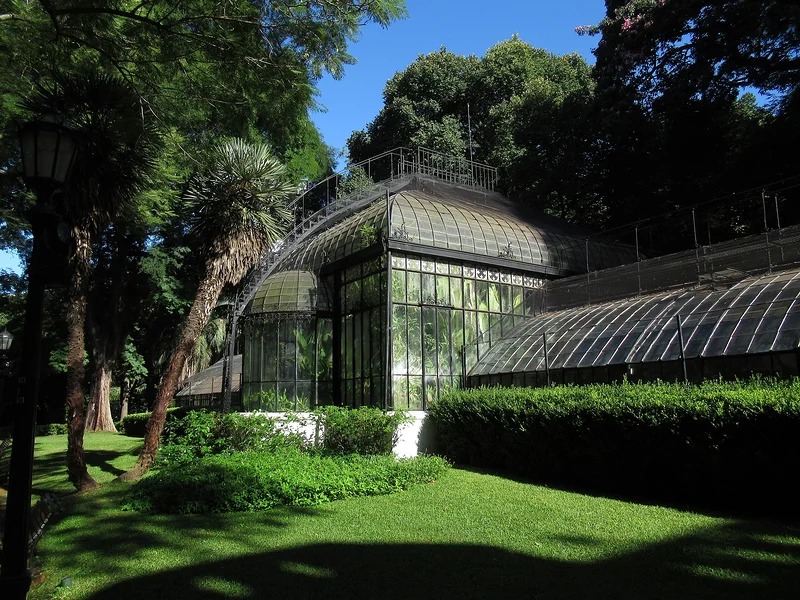
Palermo Hollywood concentrates innovative restaurants and cocktail bars that attract the city's golden youth. It is the ideal sector for going out until the early morning. But Palermo is also an ocean of greenery. The Parque Tres de Febrero, the Jardin Botanique, the Jardin Japonais, and the Ecoparque invite total disconnection. At Parque El Rosedal, you can even rent pedal boats to glide on the lake.

Friendly advice: On Sunday afternoons, join the porteños who drink mate with their families in the parks. It is the perfect opportunity to immerse yourself in the local daily life.

Recoleta and the Microcentro: Elegance and power

If the Argentine capital is sometimes nicknamed the Paris of South America, it is largely thanks to Recoleta. This chic neighborhood features avenues lined with Haussmann-style buildings, Belle Époque palaces, and prestigious museums. The cimetière de Recoleta is an essential visit on its own, as its monumental mausoleums house the country's great figures, including Evita Perón. The Museo Nacional de Bellas Artes and the Centro Cultural Recoleta round out the cultural offerings.

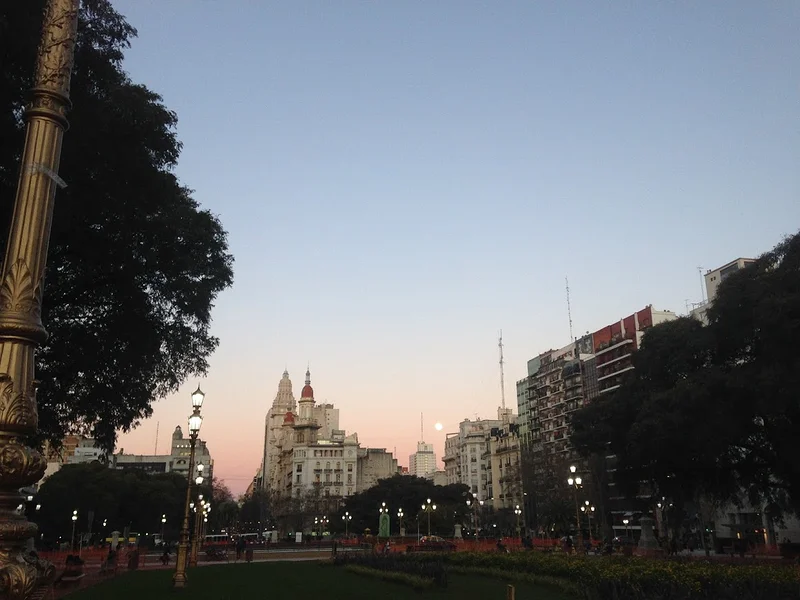
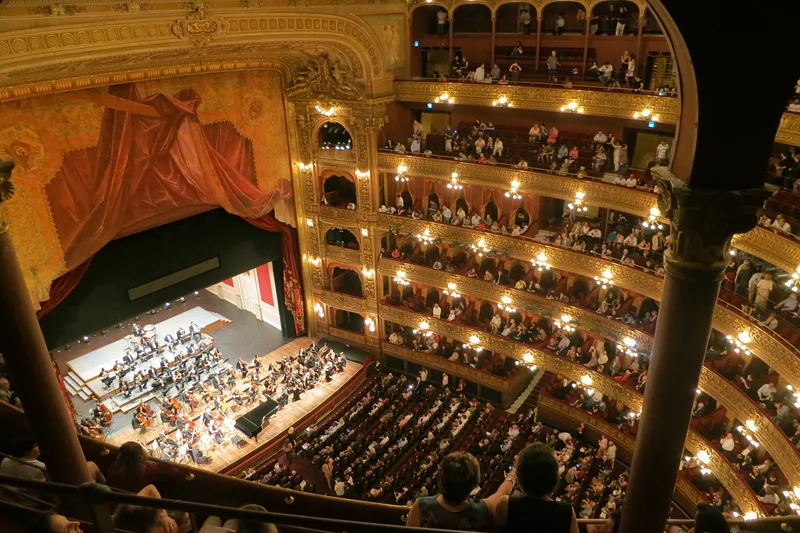
In the heart of the Microcentro, the Avenida 9 de Julio, the widest in the world at 140 meters, imposes its obélisque, erected to celebrate the 400th anniversary of the city. Plaza de Mayo concentrates the symbols of power. The candy-pink Casa Rosada recalls the famous speech of Evita, while the neoclassical cathédrale métropolitaine impresses with its baroque altar. Do not miss the Teatro Colón, an opera house with exceptional acoustics whose backstage tours are worth the detour.

For architecture enthusiasts

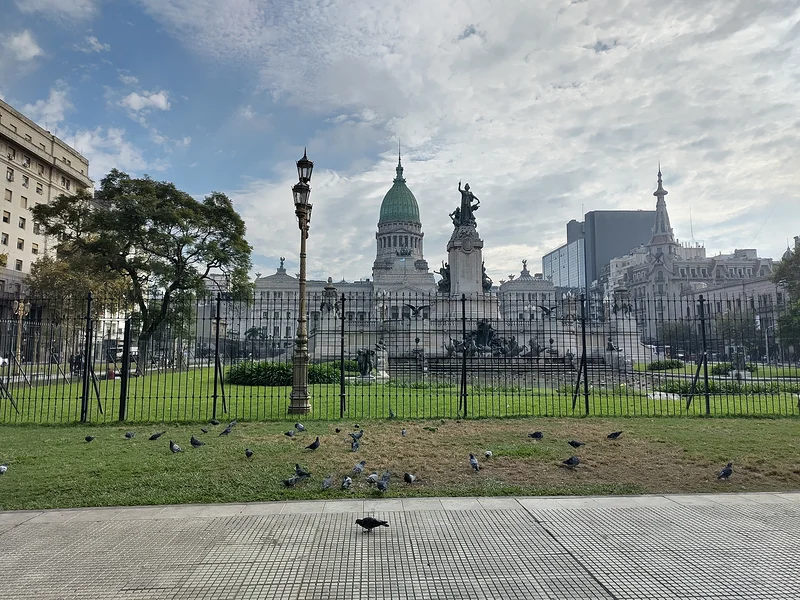
Avenida de Mayo sports architecture with Parisian and Madrilenian inspiration. Take a break at Café Tortoni, the city's oldest Belle Époque-style cafe, to sip mate from a gourd equipped with a metal bombilla. The Congreso de la Nación and its statue of Rodin's The Thinker are also worth a look.

Friendly advice: Take a guided tour of the Teatro Colón in the morning to avoid the crowds and fully enjoy the magic of the venue.

Where to eat and drink in Buenos Aires?

The capital's culinary scene revolves around one obsession: meat. The asado, the Argentine barbecue ritual, is available in countless parrillas. At Don Julio in Palermo, recently awarded a Michelin star, they serve exceptional dry-aged meat in a sophisticated atmosphere. For a more authentic and affordable experience, local bodegones offer generous portions accompanied by a Malbec from Mendoza.

But the city is not just about meat. Italian influence has left its mark. Fresh pasta and thick-crust pizza rival the best tables in Italy. Empanadas, those turnovers filled with meat, cheese, or seafood, are the perfect snack at any hour. On the sweet side, alfajores, biscuits filled with dulce de leche, are a national addiction. And it is impossible to miss the ritual of mate: this bitter tea is shared at all hours, from the office to the park.

Friendly advice: Book Don Julio several weeks in advance. For an improvised meal, test El Pobre Luis and its Uruguayan pamplonas, or Sarkis in Villa Crespo for a surprising Armenian stopover.

Where to sleep in Buenos Aires and its surroundings?

Palermo Soho and Palermo Hollywood concentrate the most diverse accommodation options, from trendy youth hostels to design boutique hotels. The atmosphere is relaxed, restaurants are just steps away, and the area is safe. Recoleta stands out as the high-end choice with its luxurious hotels and French-style elegance, but prices climb accordingly.

San Telmo seduces travelers looking for authenticity and bohemian charm, but be careful: the neighborhood can be noisy and requires more vigilance at night. Puerto Madero offers comfort and modernity with water views, ideal for a romantic stay, even if the atmosphere is less authentic. Avoid the Microcentro for sleeping; very lively during the day, it empties completely at night.

How to get there and get around Buenos Aires?

From Paris, Air France provides a daily direct flight to the international airport of Ezeiza, located 35 km from the center. Expect about 13 hours of flight time. Alternatives with a layover in Madrid exist via Air Europa and Iberia, which are often more economical.

Once you arrive at Ezeiza, several options are available to you: the line 8 city bus (about 6 dollars, but expect a 2-hour journey), Tienda León shuttles (about 260 dollars to reach the center in 1 hour), or private taxis, among which Transfer Express offers the most competitive rates.

Within the city, the subway network, the metrovias, covers most tourist neighborhoods. Get a Sube rechargeable card (25 dollars) which gives you a 50% discount on each trip (about 3-4 dollars). Walking remains the best way to grasp the soul of the neighborhoods.

When to go?

The best weather windows are in the austral spring (September to November) and autumn (March to May), when temperatures oscillate between 18 and 24°C (64-75°F) and the humidity remains bearable. Summer (December-February) can climb up to 40°C (104°F) with crushing mugginess, so avoid it if you struggle with heat. Winter (June-August) remains mild with averages around 15°C (59°F), but on July 9, the country celebrates Independence Day in an explosion of festivities that is worth the trip.

Avoid January and February absolutely if you do not like stifling heat and the high tourist season that drives up prices.
Find the best deals to travel to Buenos Aires

Activities and guided tours Hotels and stays Flights Custom trips

When to visit Buenos Aires?

The most favorable period to discover Buenos Aires covers:

February March August September October

Favorable months also include:

January April July November

Check the details below to fine-tune your choice based on your preferences!

Climate and atmosphere in Buenos Aires month by month

January Favorable

Temperatures
20°C to 30°C
Sunshine
9.1h / day
Rainy days
9 days
Rainfall
125 mm

Summer is in full swing with a palpable energy, even though many locals head out for their own vacations. The warm evenings are perfect for checking out the open-air milongas where people dance the tango. To escape the heat, duck into the beautiful, air-conditioned bookstores along <strong>Avenida Corrientes</strong>.

February Favorable

Temperatures
19°C to 29°C
Sunshine
8.7h / day
Rainy days
8 days
Rainfall
120 mm

The city comes alive to the beat of the <strong>Carnaval Porteño</strong> murgas, featuring colorful musical parades throughout the neighborhoods. It is a festive and authentic immersion into local culture. Expect hot and humid weather, perfect for spending time in the city's many parks or at outdoor pools.

March Very Favorable

Temperatures
18°C to 27°C
Sunshine
7.8h / day
Rainy days
9 days
Rainfall
130 mm

The stifling summer heat fades, giving way to very pleasant days. This marks the start of the polo season, an impressive equestrian spectacle you should not miss. Take advantage of this ideal weather for a long bike ride through the Costanera Sur Ecological Reserve.

April Very Favorable

Temperatures
14°C to 23°C
Sunshine
6.9h / day
Rainy days
9 days
Rainfall
100 mm

The weather is ideal, neither too hot nor too cold, with the soft light of fall. The BAFICI independent film festival brings the city's theaters to life. It is the perfect time to explore the <strong>Palermo</strong> neighborhood and its designer boutiques on foot.

May Favorable

Temperatures
11°C to 19°C
Sunshine
6h / day
Rainy days
8 days
Rainfall
85 mm

The air turns crisp, making it the perfect time for indoor cultural activities. The city celebrates the May Revolution with fervor on the 25th. It is the perfect opportunity to try a traditional <strong>locro</strong>, a hearty stew served for the occasion in local <strong>bodegones</strong>.

June Less Favorable

Temperatures
8°C to 16°C
Sunshine
5.1h / day
Rainy days
8 days
Rainfall
65 mm

Winter settles in, making it the perfect time to duck into the historic cafes downtown. It is the ideal season to grab a steak at a local parrilla or catch an intimate tango show. If the day turns gray, the city's museums are a solid way to spend your afternoon.

July Less Favorable

Temperatures
8°C to 15°C
Sunshine
5.3h / day
Rainy days
9 days
Rainfall
70 mm

It is the heart of winter, a quiet time with fewer crowds. Do not miss the massive agricultural exhibition known as <strong>La Rural</strong>, a fascinating showcase of gaucho culture. It is a unique experience to understand the soul of the <strong>Argentine pampa</strong> right in the middle of the city.

August Favorable

Temperatures
9°C to 17°C
Sunshine
6h / day
Rainy days
9 days
Rainfall
75 mm

Buenos Aires turns into the world capital of tango during August, hosting its massive festival and world championship. Temperatures start a slow climb as winter begins to fade. If you plan on catching the finals, book your tickets well in advance, as the energy in the room is intense and high-stakes.

September Very Favorable

Temperatures
11°C to 19°C
Sunshine
6.5h / day
Rainy days
9 days
Rainfall
80 mm

Spring is arriving, the city is waking up, and the Porteños are heading back to the sidewalk cafes. Parks like the Rosedal de Palermo, with its thousands of rosebushes, are starting to bloom. The air is mild, making it perfect for exploring the city on foot under pleasant sunshine.

October Very Favorable

Temperatures
13°C to 22°C
Sunshine
7.1h / day
Rainy days
10 days
Rainfall
120 mm

October weather is perfect for getting outside. The Buenos Aires International Jazz Festival fills the city with live music. It is also the right time for a day trip to the nearby town of <strong>Tigre</strong> to explore its lush delta, which feels a bit like a more tropical version of the Louisiana bayous.

November Very Favorable

Temperatures
16°C to 25°C
Sunshine
7.9h / day
Rainy days
10 days
Rainfall
110 mm

The city turns a striking shade of violet as the jacaranda trees bloom, creating a photogenic scene that is hard to forget. The Palermo Polo Open is in full swing, drawing the top teams from around the globe. The atmosphere is sophisticated, and you can feel the energy of the approaching summer.

December Favorable

Temperatures
18°C to 28°C
Sunshine
8.7h / day
Rainy days
9 days
Rainfall
105 mm

The holiday season brings a festive energy to the city as summer heat settles in. Locals fill the streets for shopping. Check out the <strong>Mataderos artisan fair</strong> for unique gifts and a look at gaucho traditions right in the middle of the city.

Weather charts for Buenos Aires

Flight prices to Buenos Aires, month by month

Tip: click the filter icon below to choose your departure city and trip duration.

Top photos posted by members

Rue Musée Caminito
Interior
Centenario

Traveler reviews on Buenos Aires

Write a review

Reviews summary

On the city

7 reviews
+12
recos
  • Overall 4.9/5
  • Family 3.9/5
  • Couple 4.9/5
  • Friends 4.9/5

On the attractions

56 reviews
+109
recos
  • Monuments +38
  • Parks and gardens +18
  • Museums +15
  • Squares +12

Disconcerting

I just cannot make up my mind about this city. Is it rich or poor? Lively or chaotic? Modern or stuck in the past? Probably all of that at once.

2
Recommends :
Overall rating :
With family :
As a couple :
With friends :

Buenos Aires, a city of contrasts

Buenos Aires offers a great diversity of architecture and vibes. Between the Puerto Madero neighborhood, the height of modernity, the historic San Telmo neighborhood, the Palermo neighborhood and its parks, the upscale residential neighborhood of Recoleta, and the hustle and bustle of the Microcentro... This city is made up of a thousand different atmospheres and will, under no circumstances, leave you indifferent.

2
Recommends :
Overall rating :
With family :
As a couple :
With friends :

A beautiful mix

Walk toward the obelisk and Avenida Corrientes, and you get the feeling you are in Europe.
Visit La Boca and Caminito, and you will feel like you are living on another continent, in another era.

All of this lives together very well, and the vibe seemed healthy and safe to me.

6
Recommends :
Overall rating :
With family :
As a couple :
With friends :

A very endearing city

Buenos Aires is a city with a lot of charm that offers tons of possibilities for everyone, including music, dance, museums, parks, and historical monuments. It is really pleasant to just walk around!

2
Recommends :
Overall rating :
With family :
As a couple :
With friends :

A Parisian vibe with an Italian backdrop

Buenos Aires is certainly one of the most European cities in South America, but while it has the charm of Paris, it mostly has the gentleness and tranquility of Italian cities like Rome, from which it draws a great culinary and artistic culture.

1
02/05/2016

Tout à fait, d'ailleurs, beaucoup d'Argentins ont des origines italiennes :)

02/05/2016

Tout à fait, d'ailleurs, beaucoup d'Argentins ont des origines italiennes :)

Recommends :
Overall rating :
With family :
As a couple :
With friends :

A city like no other

I kind of agree with Jean-Luc on his comment: Buenos Aires is without a doubt the most European South American city. That goes for the city itself as much as its inhabitants.

Actually, saying that makes us seem arrogant in the eyes of other Latin Americans. It is, however, a truth that I state without any vanity. It is historical, as in the past, many Europeans emigrated to Argentina, specifically to Buenos Aires, or to the United States.

This heritage gives the city a lot of charm. It is a pleasure to explore it on foot. And as for the nightlife, you are going to love it, especially if you like tango and Latin music!

1
Recommends :
Overall rating :
With family :
As a couple :
With friends :

An almost European capital

Walking through certain neighborhoods in Buenos Aires, I felt like I was in Europe, not South America.

For some people, that might not necessarily be a good thing. Still, in the case of the Argentine capital, it is, because as you wander around a bit, you will quickly realize that you have definitely changed continents. The culture, shows, food, locals, and architecture are all incredibly varied.

1
Recommends :
Overall rating :
With family :
As a couple :
With friends :

You've seen every review.

More cities to visit from Buenos Aires