
Visiting Buenos Aires: Tango and Parisian Elegance in South America
The scent of roasted coffee mingles with the melancholic notes of a bandoneón drifting from a cobblestone alley. Here, colorful facades sit alongside Haussmann-style buildings, beef grills sizzle on every corner, and the porteños, as the city's residents are known, live with an intensity that electrifies the atmosphere.
The 2001 crisis did not extinguish this fire. On the contrary, it seems to have stoked the boundless creativity of a city that refuses to be defined solely by its folklore. Yes, there is tango, mate, and Maradona, but above all, there is a cosmopolitan energy that makes this megalopolis of 13 million a unique territory within South America.
A destination for urban and culture lovers, less so for the contemplative traveler
If you are looking for paradise beaches or wilderness hiking, this is not the place. However, if you love cities that never sleep, neighborhoods where every street tells a different story, and dining tables that celebrate meat like nowhere else, you have found your home.
The Argentine capital appeals to urban strollers, architecture enthusiasts, night owls who want to dance until dawn in a milonga, and foodies ready to explore the most dynamic culinary scene on the continent.
Budget
Expect very accessible prices for accommodation and dining compared to Europe, especially in less touristy neighborhoods. As for transport, the subway network and buses cover the entire city, but your feet will remain your best ally. Be careful, however: summer (December to February) can be stifling, with temperatures hitting 40°C (104°F) and crushing humidity.
San Telmo: In the historic veins of the capital
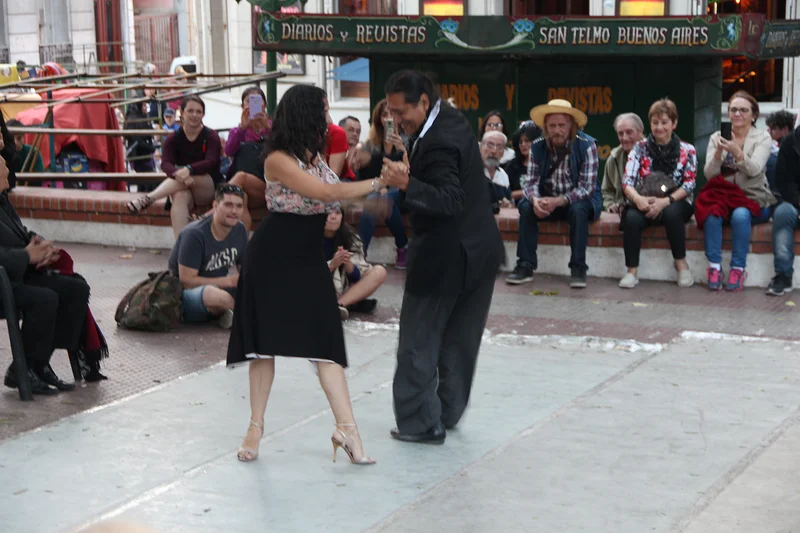
The oldest neighborhood in the city pulses to the rhythm of tango escaping from every corner. Cobblestone streets wind between colonial houses with facades that have preserved their soul, despite time and crises. On Sundays, the feria de San Telmo turns Plaza Dorrego into an open-air theater where antique dealers, musicians, and dancers perform in a deliciously bohemian atmosphere.
The San Telmo covered market is worth a stop. You will find as many old vinyl records as artisanal sausages there. The Casa Mínima, literally the narrowest house in the city at just 2.5 meters wide, intrigues passersby. For contemporary art lovers, the Museo de Arte Moderno (MAMBA) offers exhibitions that reflect the local creative effervescence.
Friendly advice: Arrive at the feria around 9 a.m. to avoid the crush and keep an eye on your belongings, as pickpockets love Sunday crowds.
La Boca and Puerto Madero: Between colorful postcards and futuristic skylines
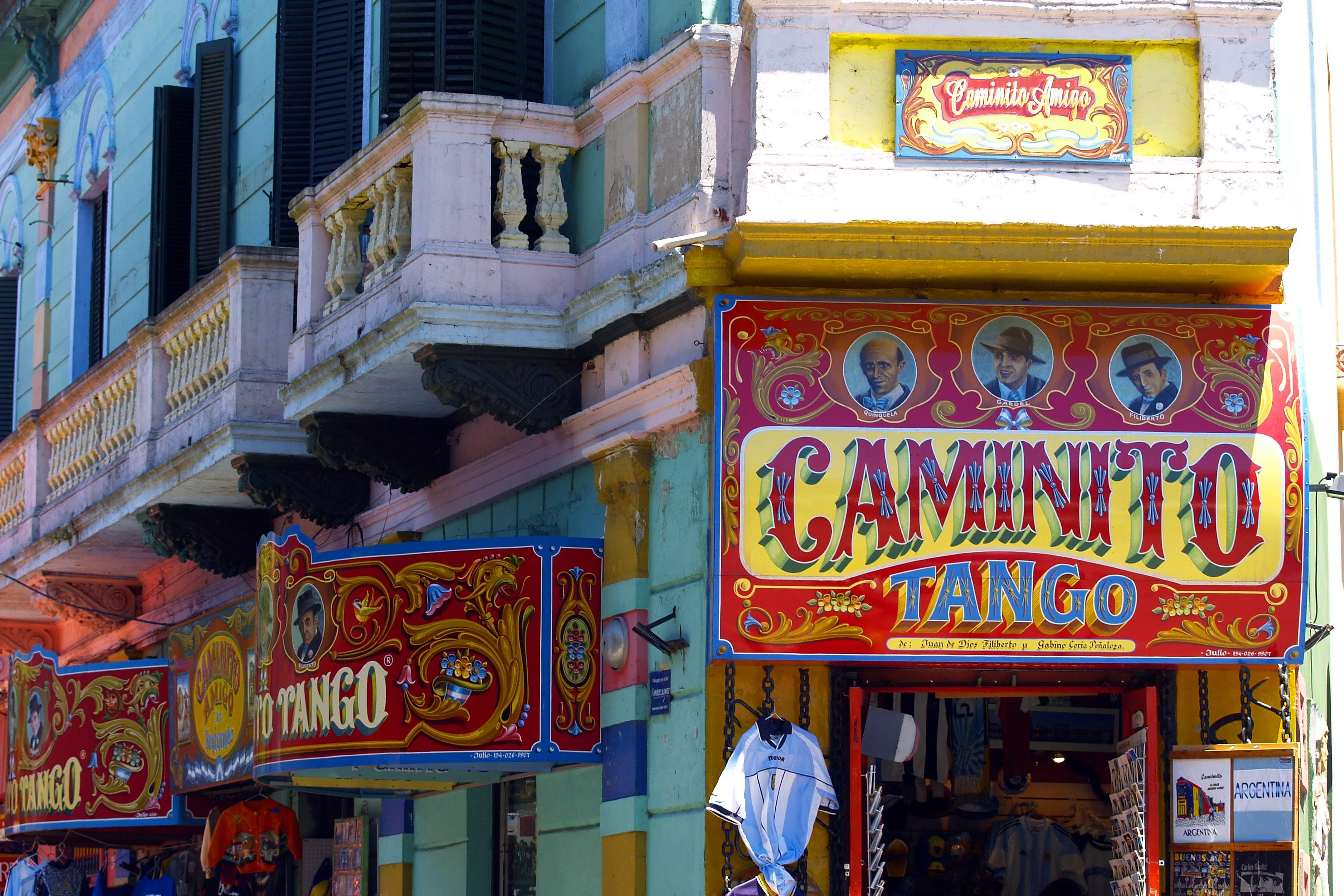
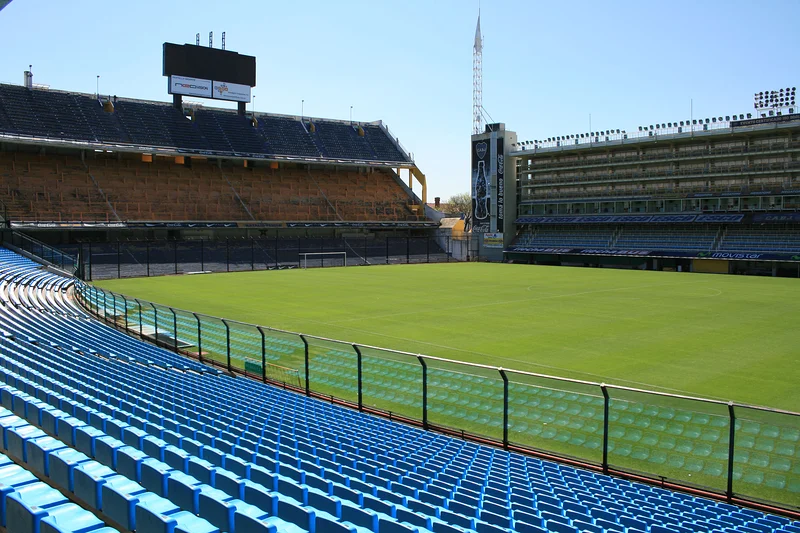
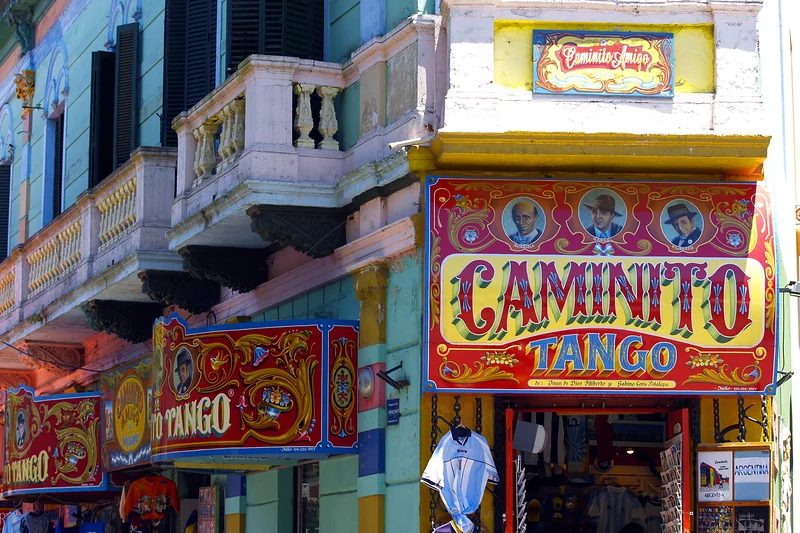
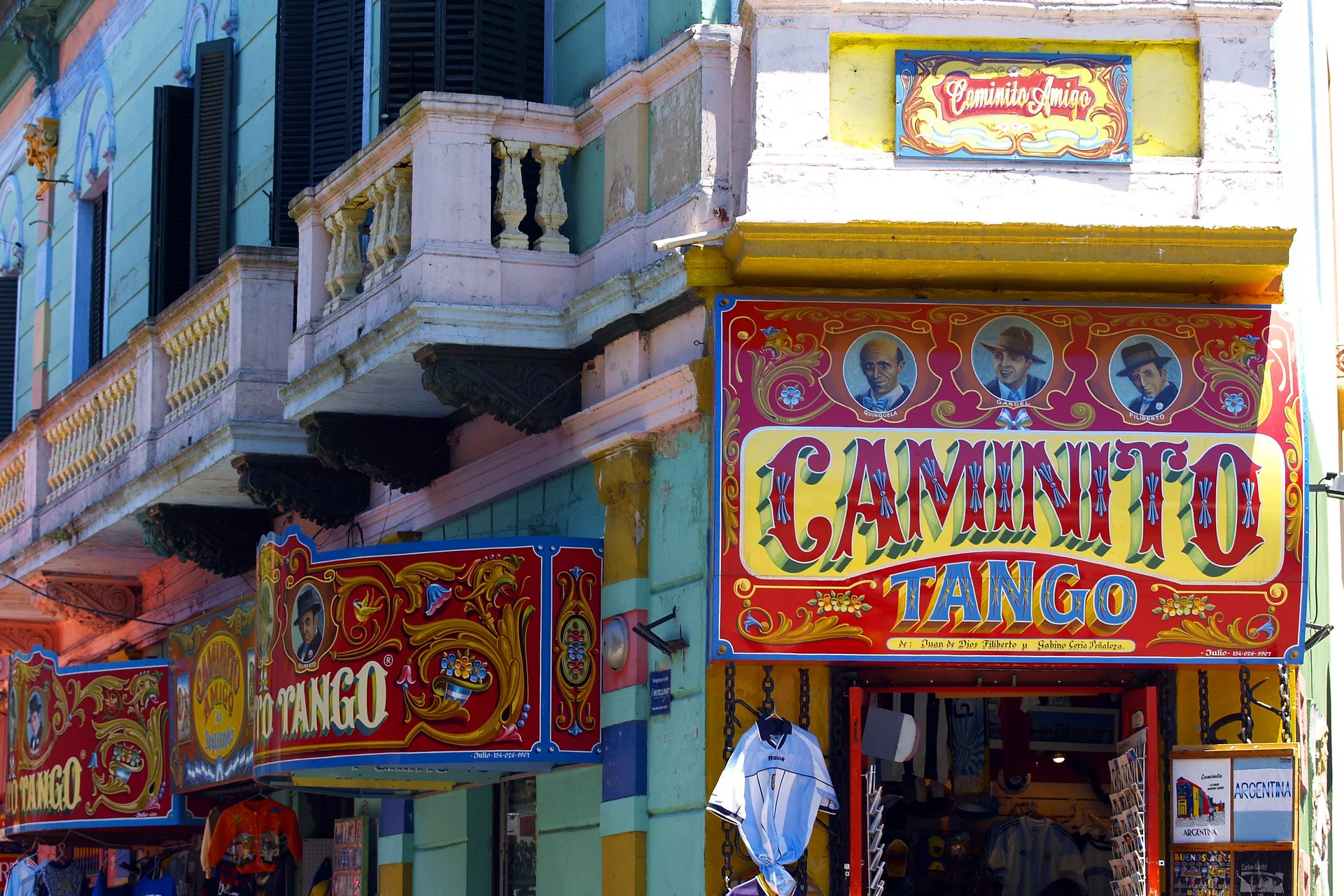
It is impossible to miss Caminito and its conventillos with their gaudy colors that have become iconic postcards. This Genoese-origin port neighborhood vibrates to the sound of soccer. The Bombonera, the legendary stadium of the Club Atlético Boca Juniors, attracts soccer pilgrims who come to understand why Argentines elevate this sport to a religion. The atmosphere during matches is volcanic.
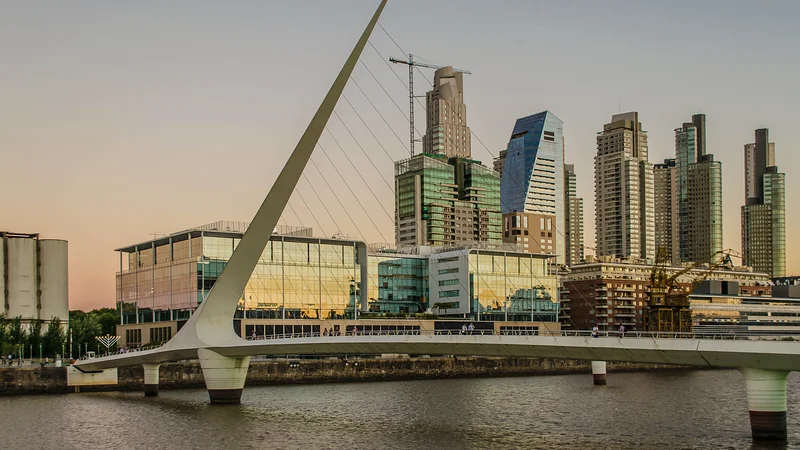
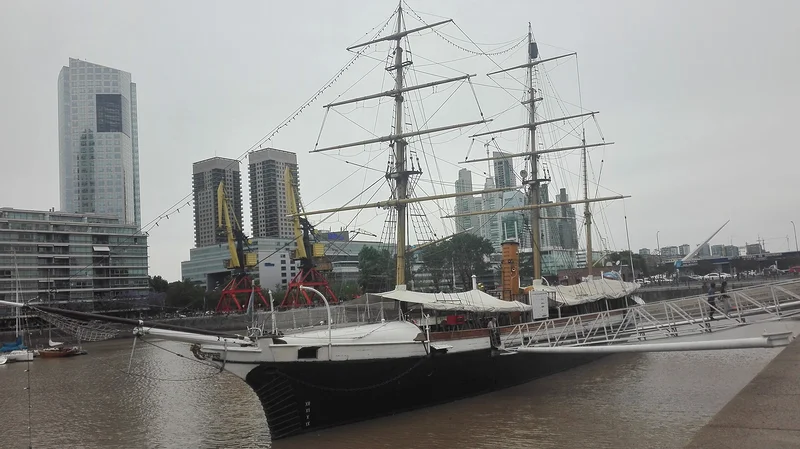
A short distance away, Puerto Madero offers a striking contrast. This port area, rehabilitated in the 90s, now lines up sparkling skyscrapers, high-end restaurants, and promenades along the docks. The Puente de la Mujer, designed by architect Calatrava, has become a symbol of this urban renaissance. For an unexpected nature break, the Reserva Ecológica Costanera Sur offers 350 hectares of biodiversity just steps away from the concrete.
Friendly advice: Visit La Boca only during the day and stay in tourist areas. At night, head to Puerto Madero for a waterfront dinner with an unbeatable view.
Palermo: The green and trendy lung of the capital
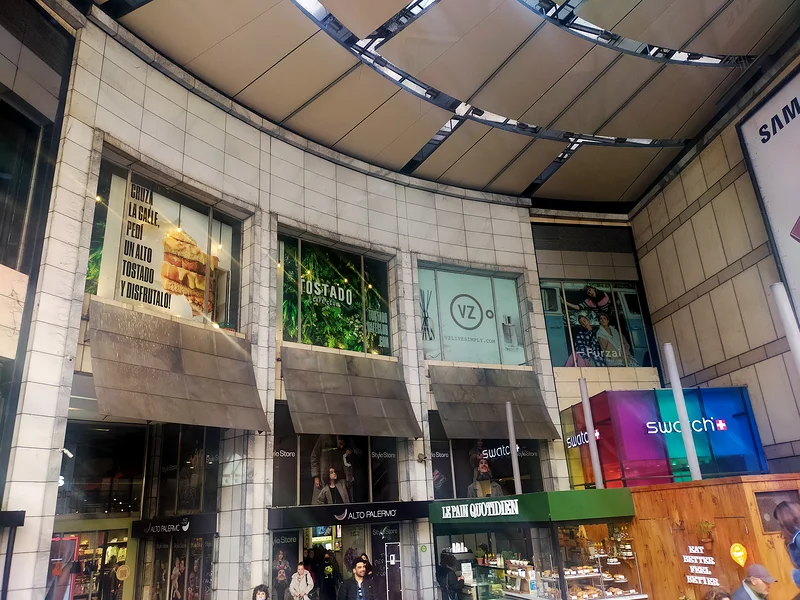
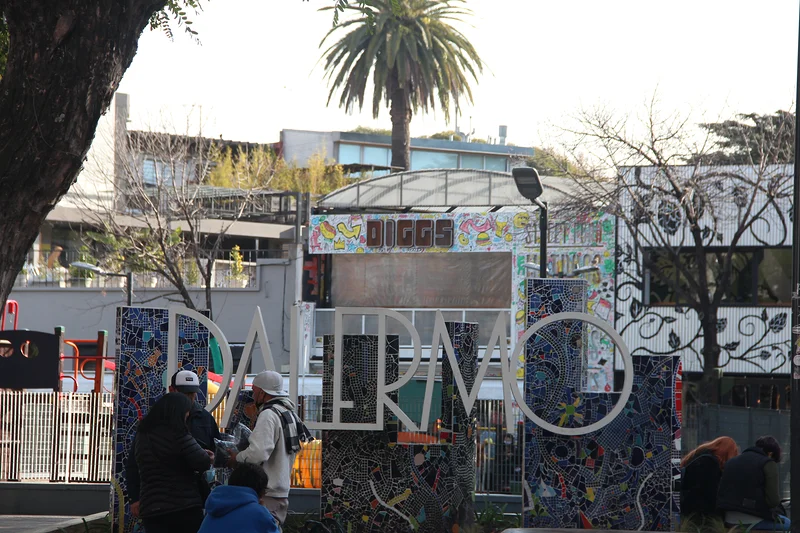
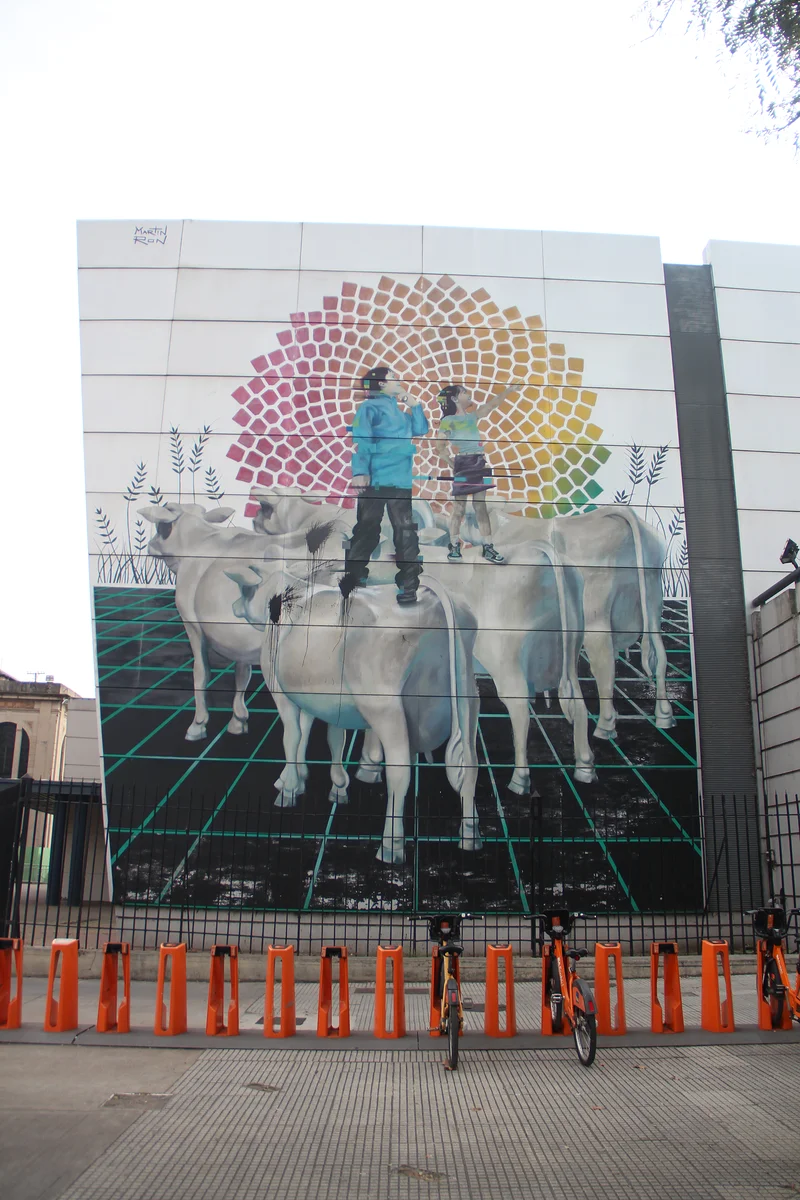
Spanning 15.6 square kilometers, Palermo is the largest and arguably most vibrant neighborhood. It is subdivided into several micro-universes. Palermo Soho seduces with its ubiquitous street art, designer boutiques, and cafes where digital nomads have taken up residence. On weekends, Plaza Serrano becomes a lively craft fair.
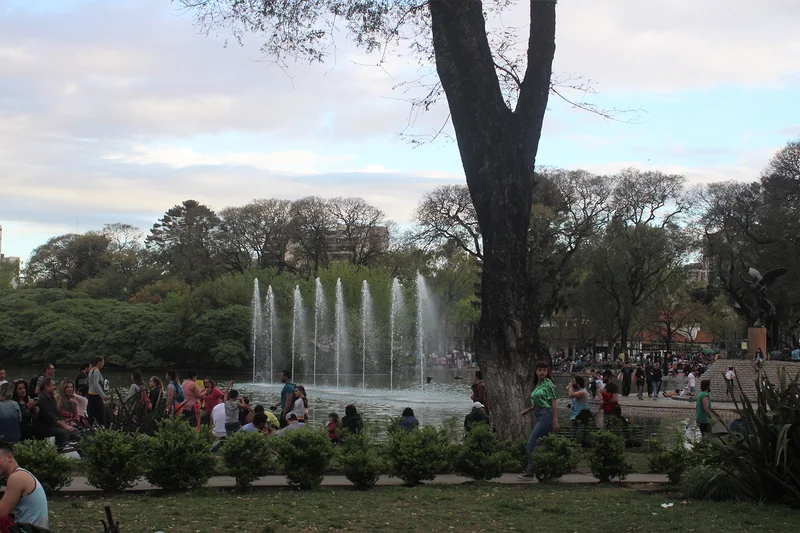
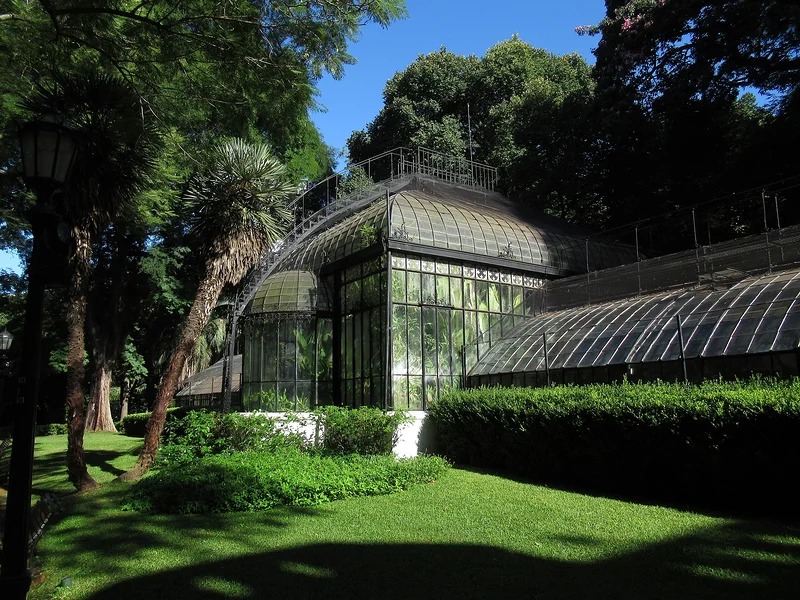
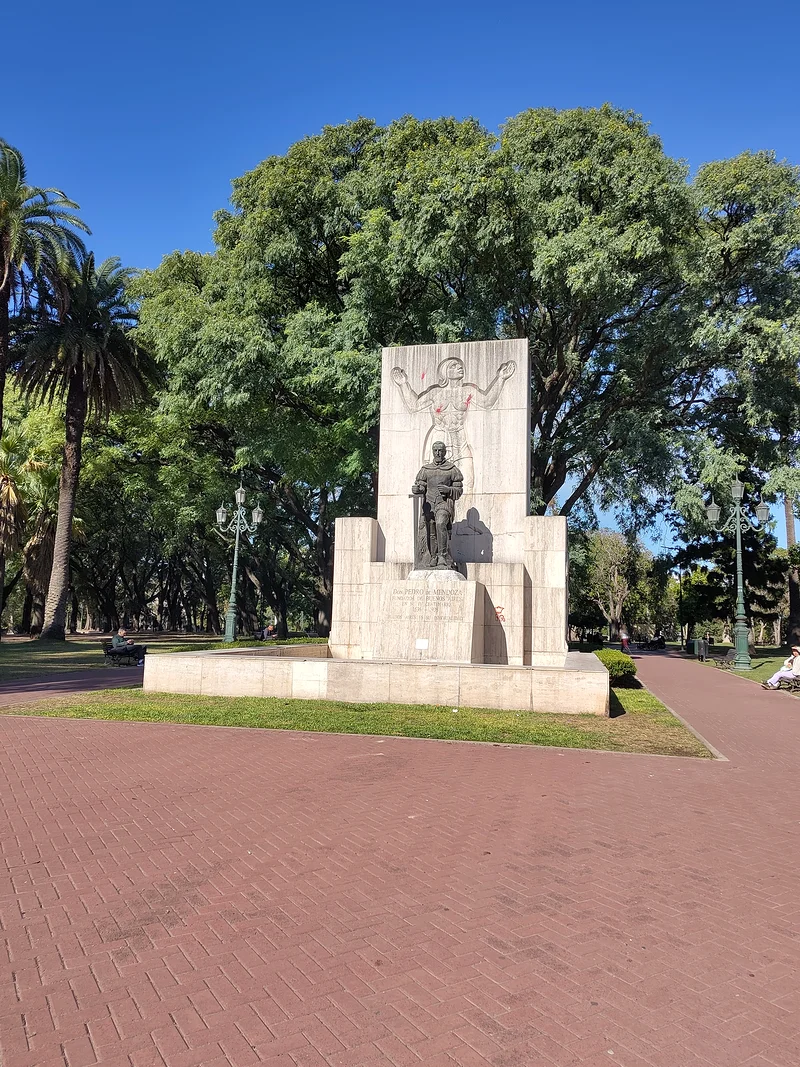
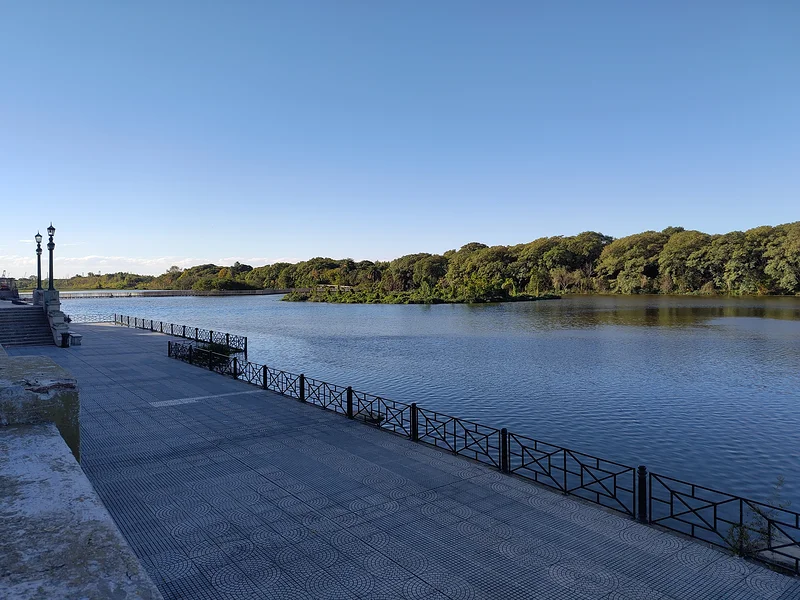
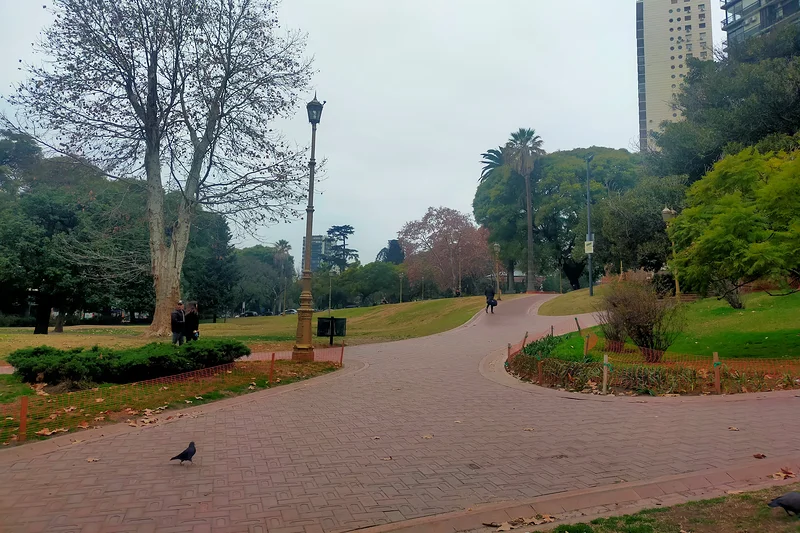
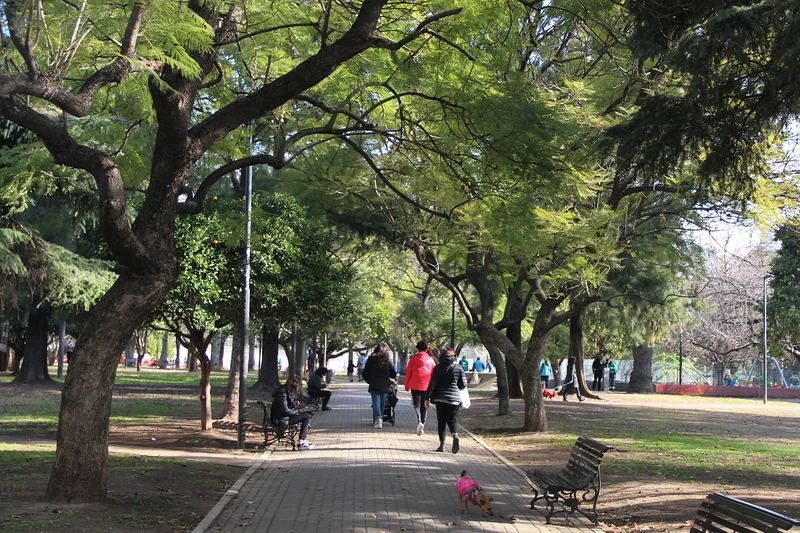
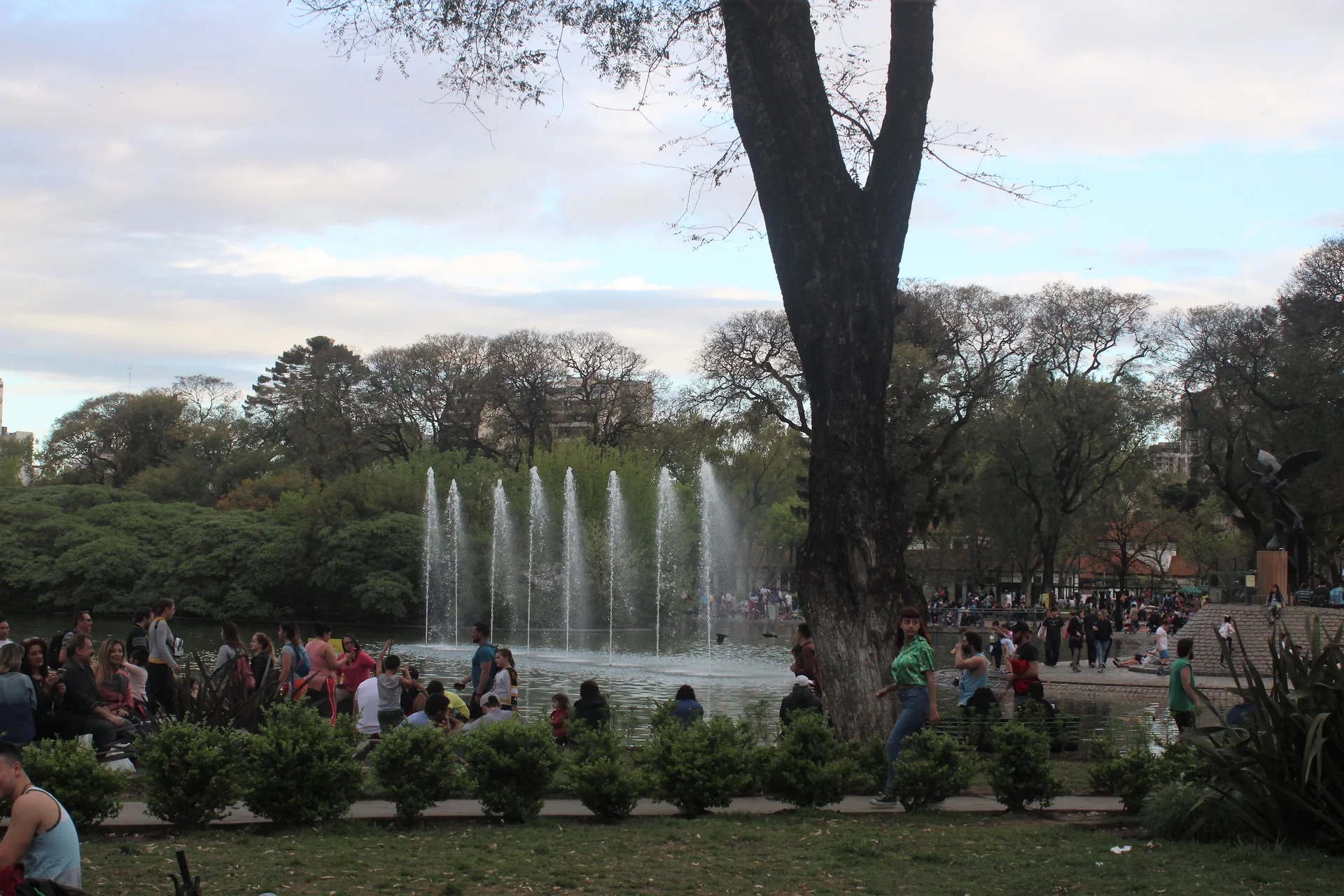
Palermo Hollywood concentrates innovative restaurants and cocktail bars that attract the city's golden youth. It is the ideal sector for going out until the early morning. But Palermo is also an ocean of greenery. The Parque Tres de Febrero, the Jardin Botanique, the Jardin Japonais, and the Ecoparque invite total disconnection. At Parque El Rosedal, you can even rent pedal boats to glide on the lake.
Friendly advice: On Sunday afternoons, join the porteños who drink mate with their families in the parks. It is the perfect opportunity to immerse yourself in the local daily life.
Recoleta and the Microcentro: Elegance and power
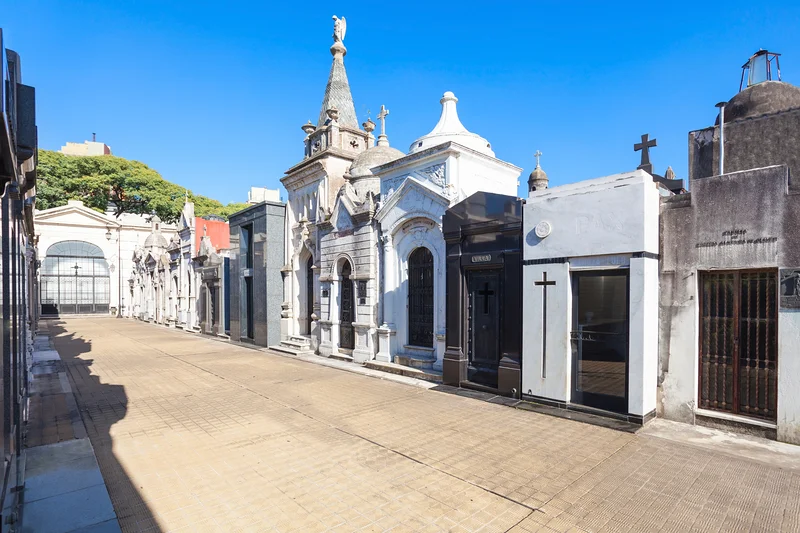
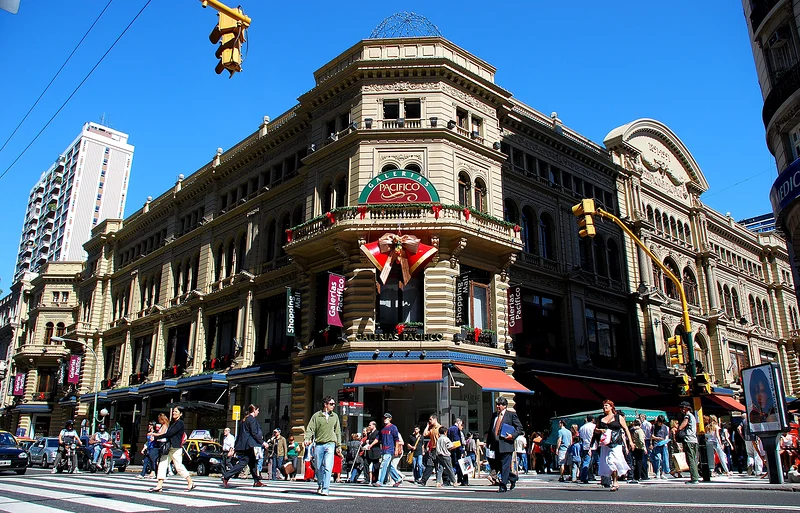
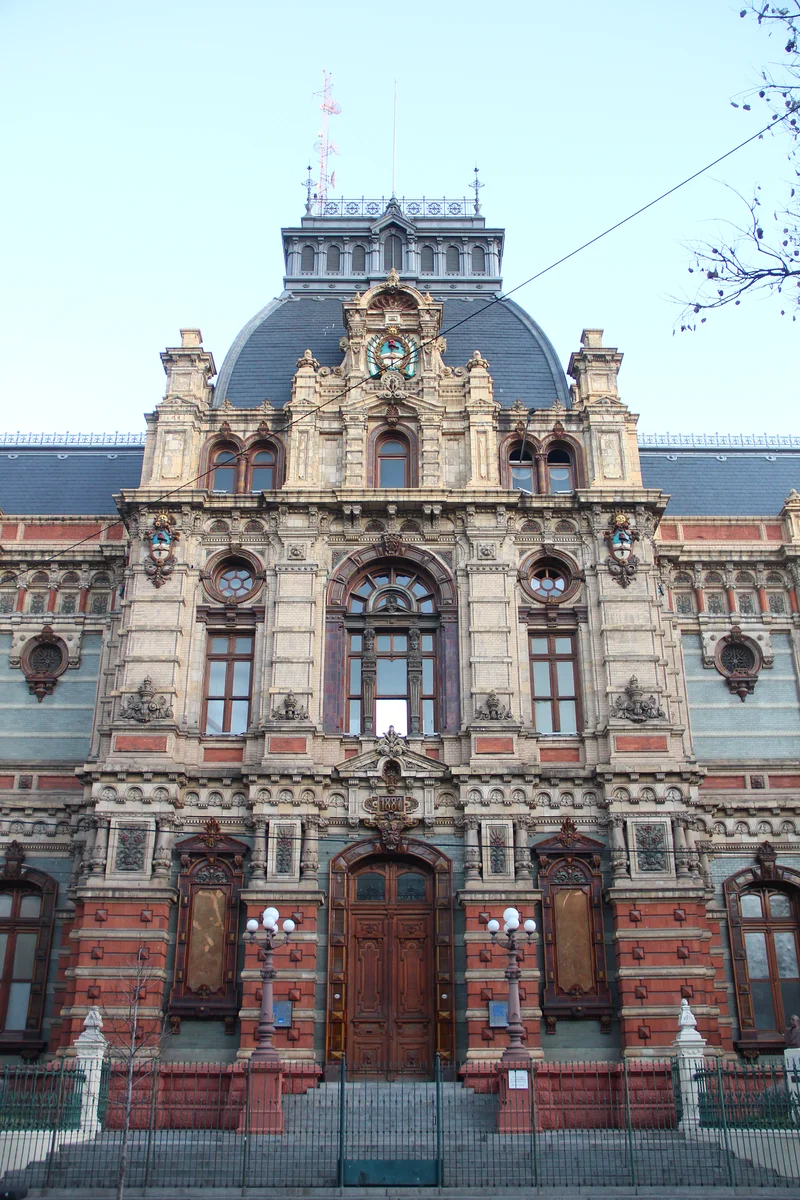
If the Argentine capital is sometimes nicknamed the Paris of South America, it is largely thanks to Recoleta. This chic neighborhood features avenues lined with Haussmann-style buildings, Belle Époque palaces, and prestigious museums. The cimetière de Recoleta is an essential visit on its own, as its monumental mausoleums house the country's great figures, including Evita Perón. The Museo Nacional de Bellas Artes and the Centro Cultural Recoleta round out the cultural offerings.
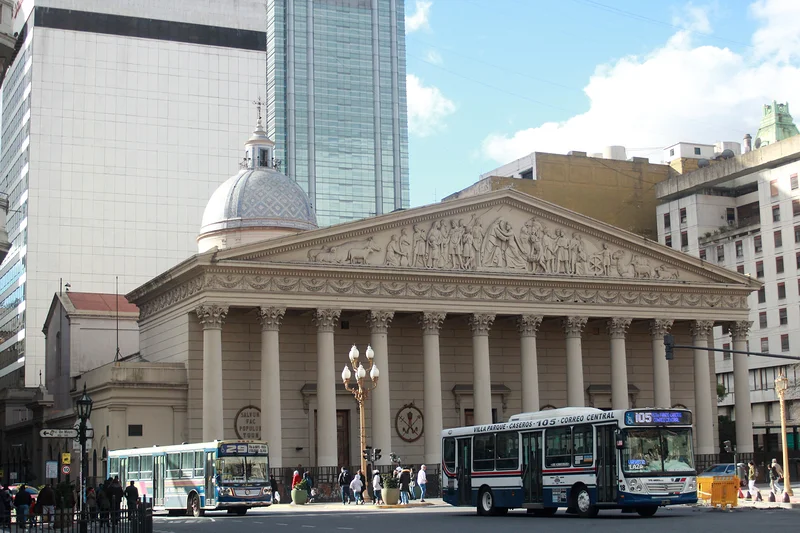
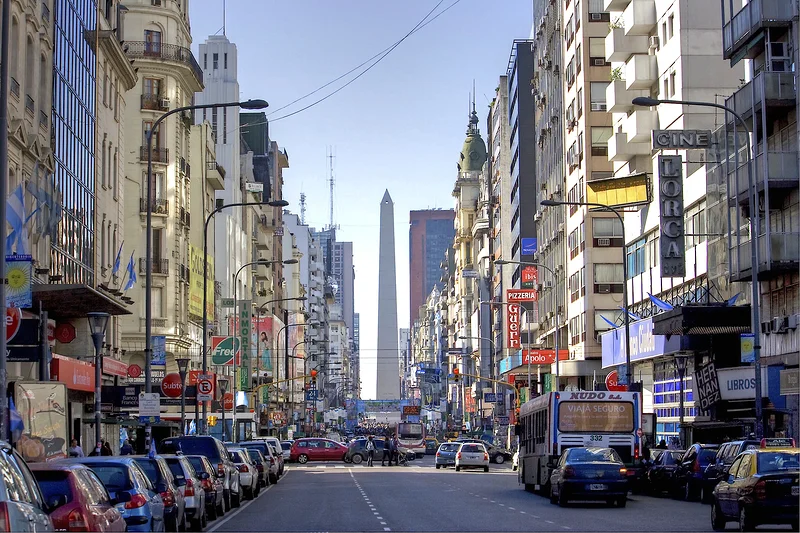
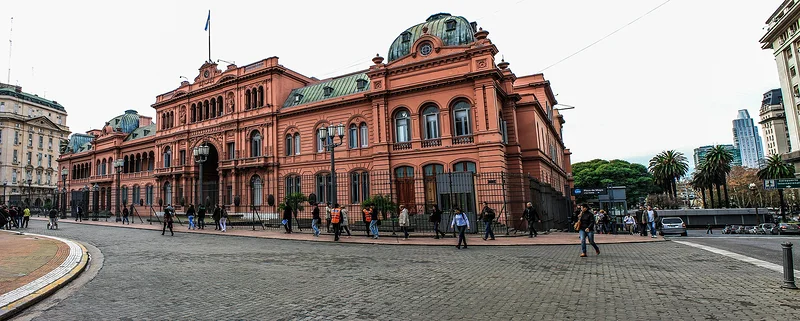
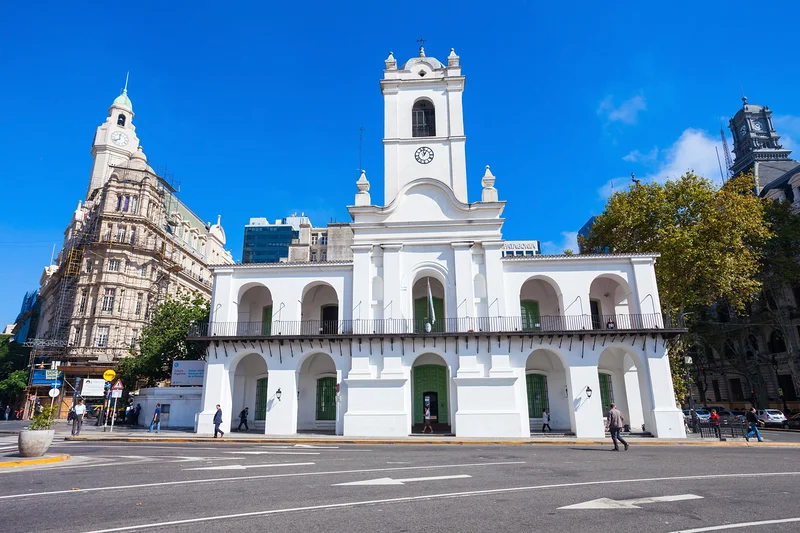
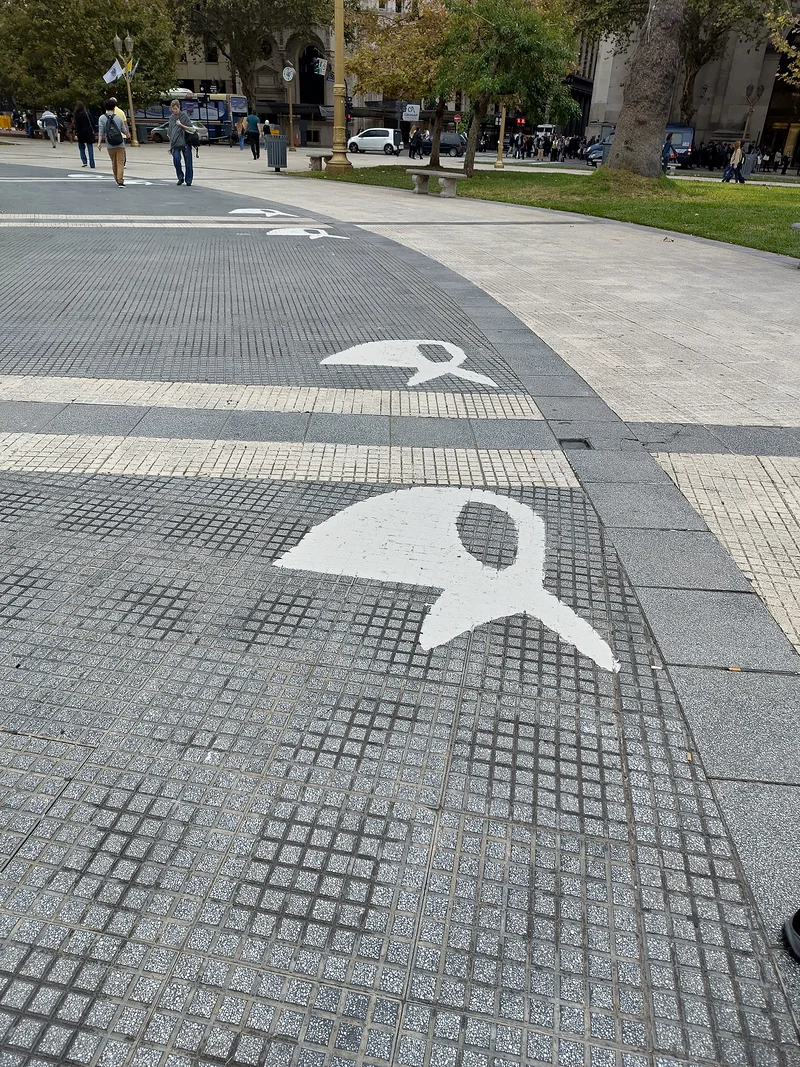
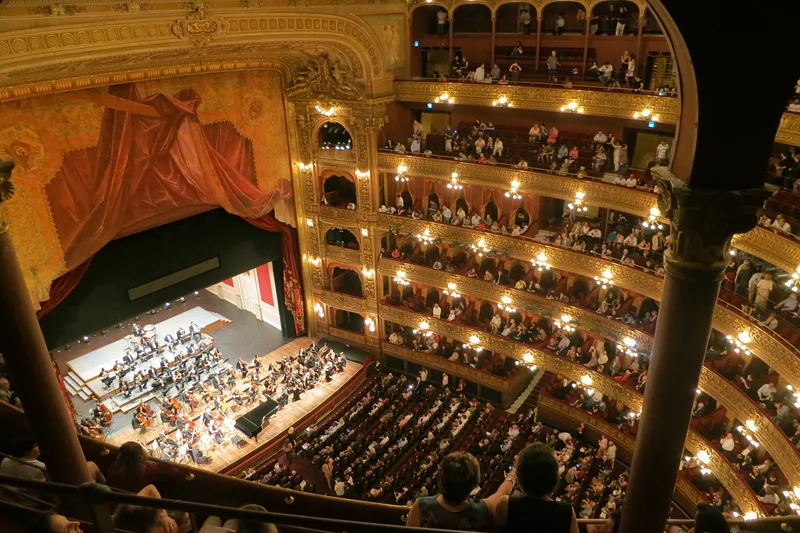
In the heart of the Microcentro, the Avenida 9 de Julio, the widest in the world at 140 meters, imposes its obélisque, erected to celebrate the 400th anniversary of the city. Plaza de Mayo concentrates the symbols of power. The candy-pink Casa Rosada recalls the famous speech of Evita, while the neoclassical cathédrale métropolitaine impresses with its baroque altar. Do not miss the Teatro Colón, an opera house with exceptional acoustics whose backstage tours are worth the detour.
For architecture enthusiasts
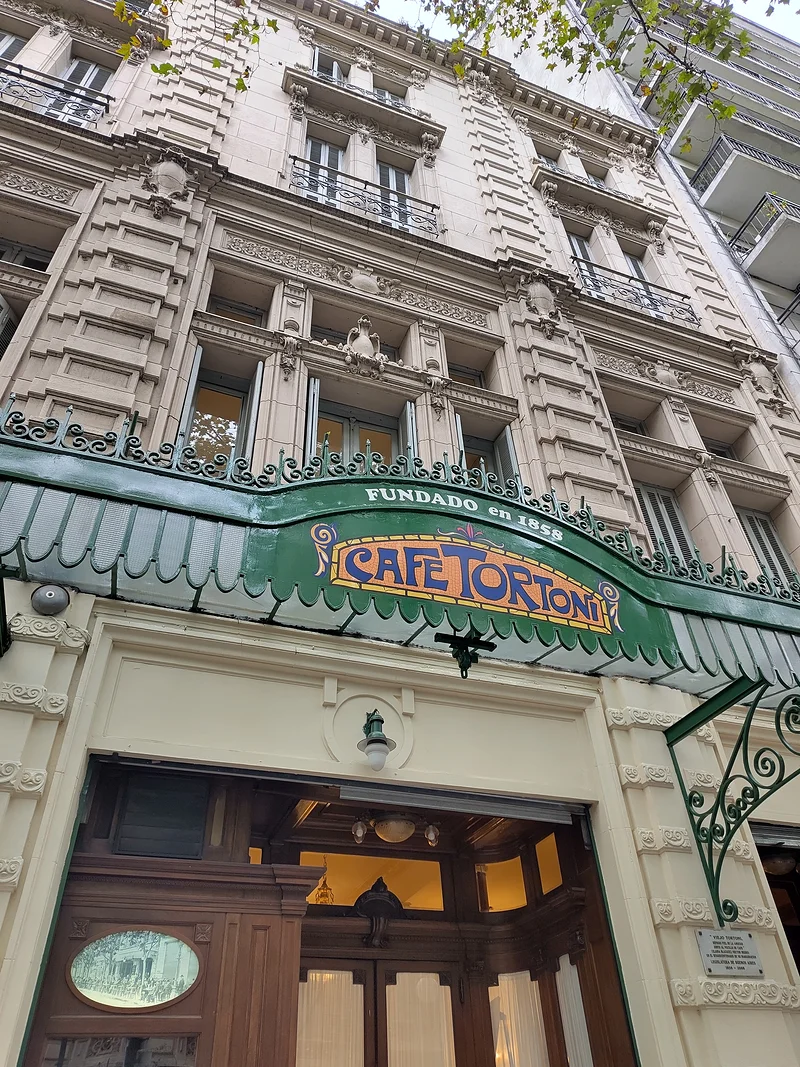
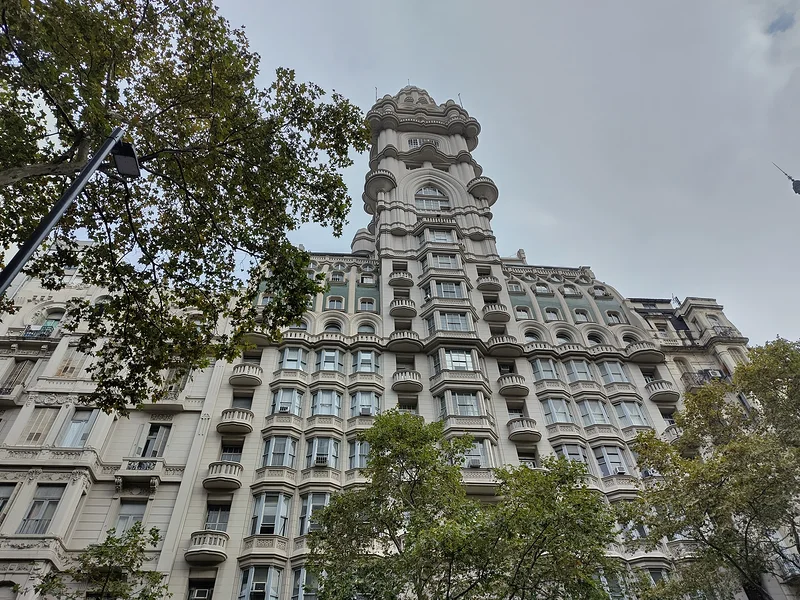
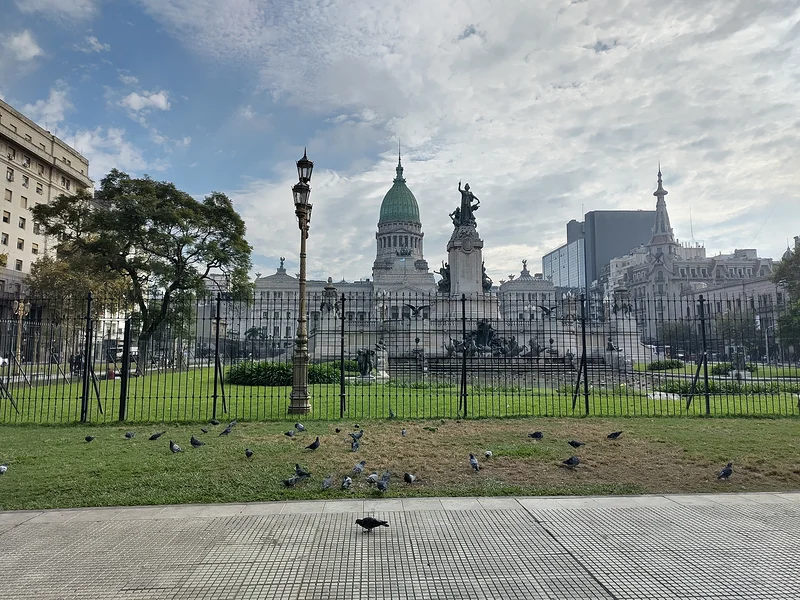
Avenida de Mayo sports architecture with Parisian and Madrilenian inspiration. Take a break at Café Tortoni, the city's oldest Belle Époque-style cafe, to sip mate from a gourd equipped with a metal bombilla. The Congreso de la Nación and its statue of Rodin's The Thinker are also worth a look.
Friendly advice: Take a guided tour of the Teatro Colón in the morning to avoid the crowds and fully enjoy the magic of the venue.
Where to eat and drink in Buenos Aires?
The capital's culinary scene revolves around one obsession: meat. The asado, the Argentine barbecue ritual, is available in countless parrillas. At Don Julio in Palermo, recently awarded a Michelin star, they serve exceptional dry-aged meat in a sophisticated atmosphere. For a more authentic and affordable experience, local bodegones offer generous portions accompanied by a Malbec from Mendoza.
But the city is not just about meat. Italian influence has left its mark. Fresh pasta and thick-crust pizza rival the best tables in Italy. Empanadas, those turnovers filled with meat, cheese, or seafood, are the perfect snack at any hour. On the sweet side, alfajores, biscuits filled with dulce de leche, are a national addiction. And it is impossible to miss the ritual of mate: this bitter tea is shared at all hours, from the office to the park.
Friendly advice: Book Don Julio several weeks in advance. For an improvised meal, test El Pobre Luis and its Uruguayan pamplonas, or Sarkis in Villa Crespo for a surprising Armenian stopover.
Where to sleep in Buenos Aires and its surroundings?
Palermo Soho and Palermo Hollywood concentrate the most diverse accommodation options, from trendy youth hostels to design boutique hotels. The atmosphere is relaxed, restaurants are just steps away, and the area is safe. Recoleta stands out as the high-end choice with its luxurious hotels and French-style elegance, but prices climb accordingly.
San Telmo seduces travelers looking for authenticity and bohemian charm, but be careful: the neighborhood can be noisy and requires more vigilance at night. Puerto Madero offers comfort and modernity with water views, ideal for a romantic stay, even if the atmosphere is less authentic. Avoid the Microcentro for sleeping; very lively during the day, it empties completely at night.
How to get there and get around Buenos Aires?
From Paris, Air France provides a daily direct flight to the international airport of Ezeiza, located 35 km from the center. Expect about 13 hours of flight time. Alternatives with a layover in Madrid exist via Air Europa and Iberia, which are often more economical.
Once you arrive at Ezeiza, several options are available to you: the line 8 city bus (about 6 dollars, but expect a 2-hour journey), Tienda León shuttles (about 260 dollars to reach the center in 1 hour), or private taxis, among which Transfer Express offers the most competitive rates.
Within the city, the subway network, the metrovias, covers most tourist neighborhoods. Get a Sube rechargeable card (25 dollars) which gives you a 50% discount on each trip (about 3-4 dollars). Walking remains the best way to grasp the soul of the neighborhoods.
When to go?
The best weather windows are in the austral spring (September to November) and autumn (March to May), when temperatures oscillate between 18 and 24°C (64-75°F) and the humidity remains bearable. Summer (December-February) can climb up to 40°C (104°F) with crushing mugginess, so avoid it if you struggle with heat. Winter (June-August) remains mild with averages around 15°C (59°F), but on July 9, the country celebrates Independence Day in an explosion of festivities that is worth the trip.
Avoid January and February absolutely if you do not like stifling heat and the high tourist season that drives up prices.
Tout à fait, d'ailleurs, beaucoup d'Argentins ont des origines italiennes :)