
Visiting the Caminito Museum
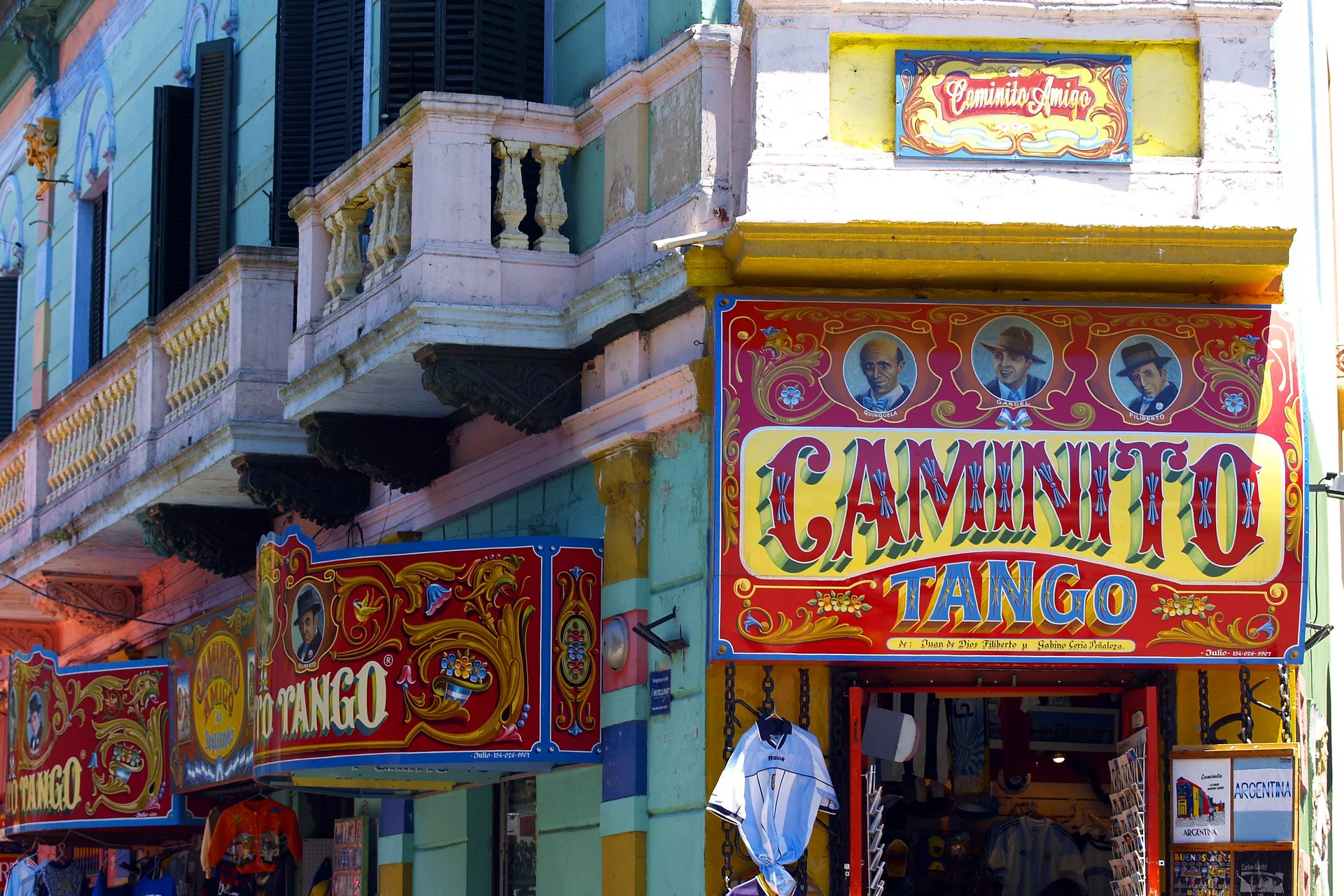
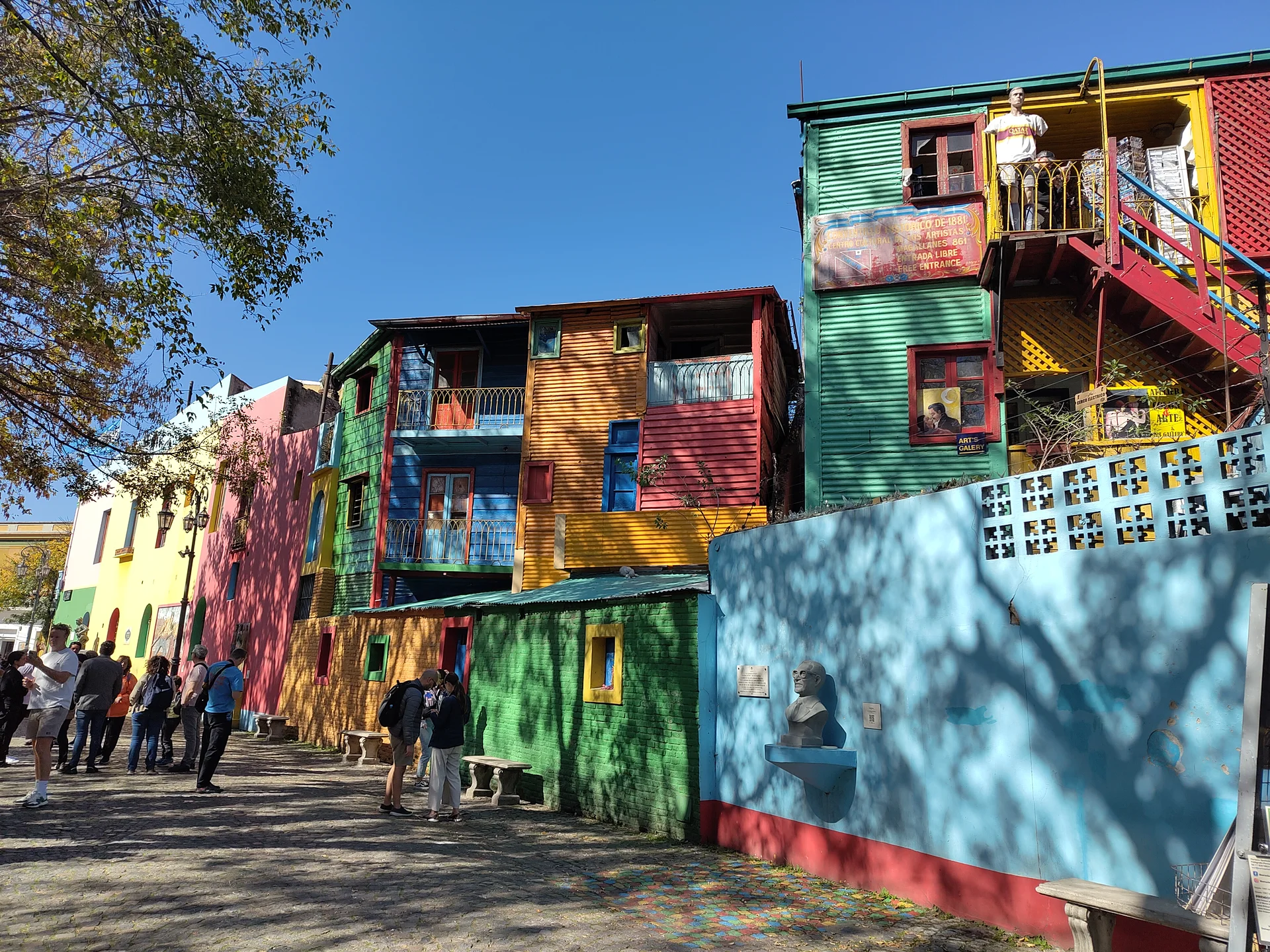
Pinks, yellows, blues. The walls of the houses along the Caminito (meaning "little path" in Spanish) are enough to dazzle anyone wandering through the area. There is more to see, too. Laundry lines strung between buildings add a layer of authenticity to the surroundings, alongside other picturesque details. This spot in the capital is a tribute to the version of Buenos Aires imagined by nostalgic locals and travelers looking for a change of scenery. You will frequently see performers in costume dancing the tango, while most nearby bars and restaurants play the music, all set against a backdrop where statues and figurines of dancers seem to watch the passersby.
The spirit of the city
The neighborhood of La Boca, where the famous soccer club of the same name was born, once served as the heart of Buenos Aires. Populated by many Italian families who arrived in the late 19th century, the area functioned like a multicolored puzzle. It was a place where makeshift homes were constructed from odds and ends, using scrap metal salvaged from the city shipyard. Over time, those colorful structures were replaced by housing that was more sanitary, yet significantly duller. For that reason, starting in the 1950s, the Caminito was developed to honor that inimitable porteña (local) atmosphere that was unfortunately beginning to fade. Located in the district it represents and situated not far from the Riachuelo river, the street is the ideal place to step back in time and visit a version of Buenos Aires as it existed a few decades ago.
Opening hours
Open 24/7

A museum street with houses in bright, varied colors, plus musicians and tango dancers performing right in the street.
An experience that only Buenos Aires can offer you.