
Visiting the Palacio Barolo
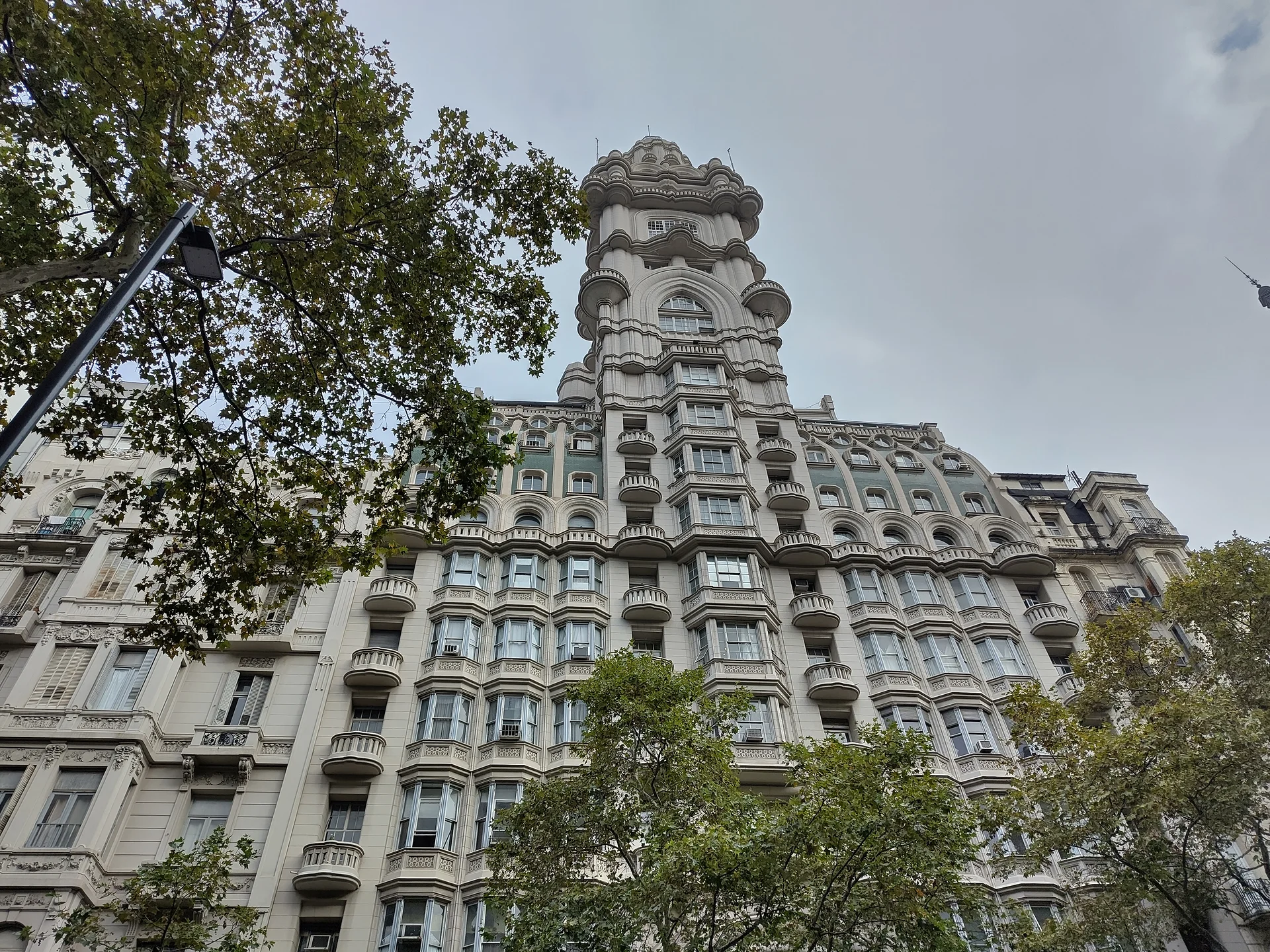
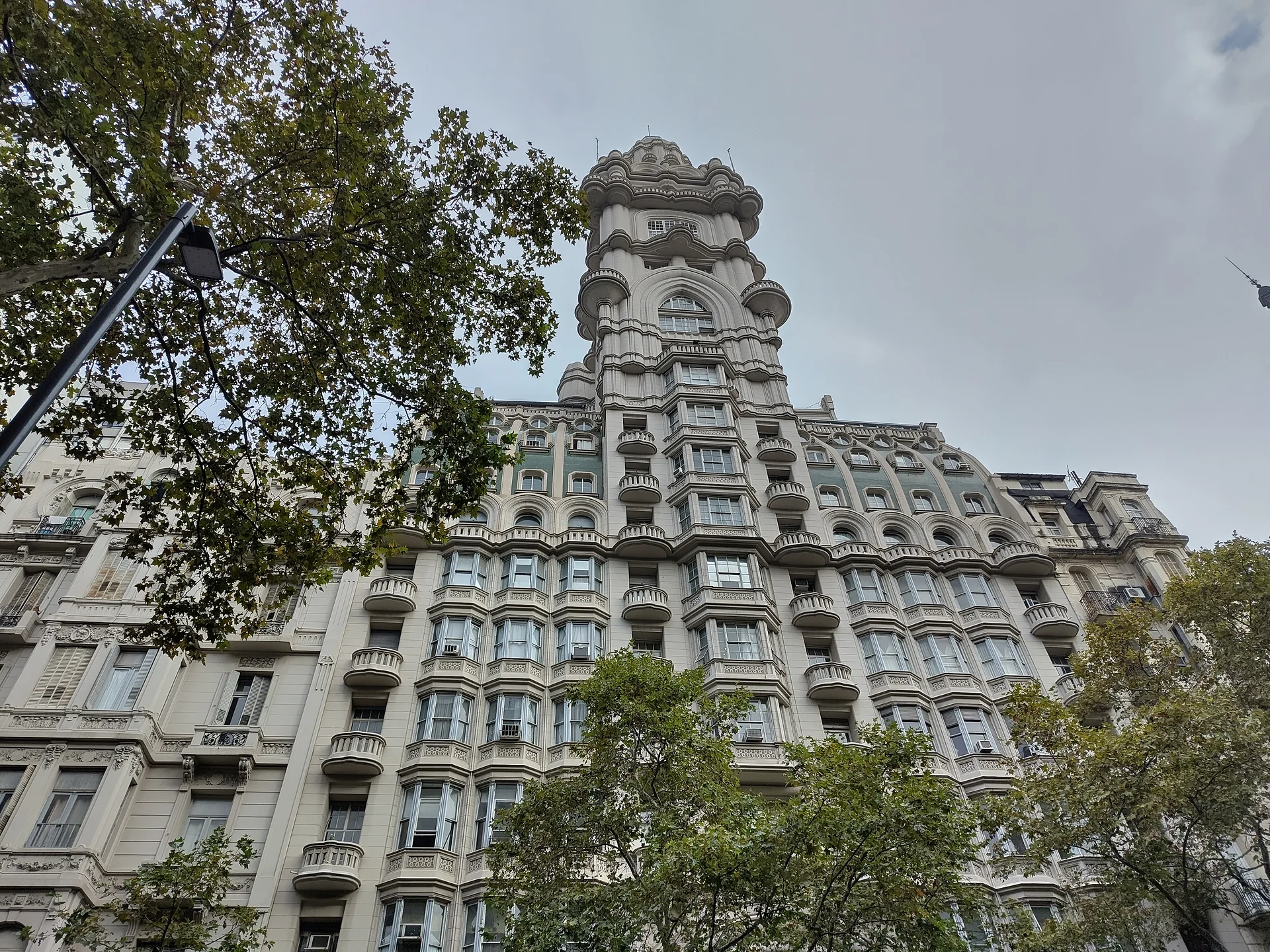
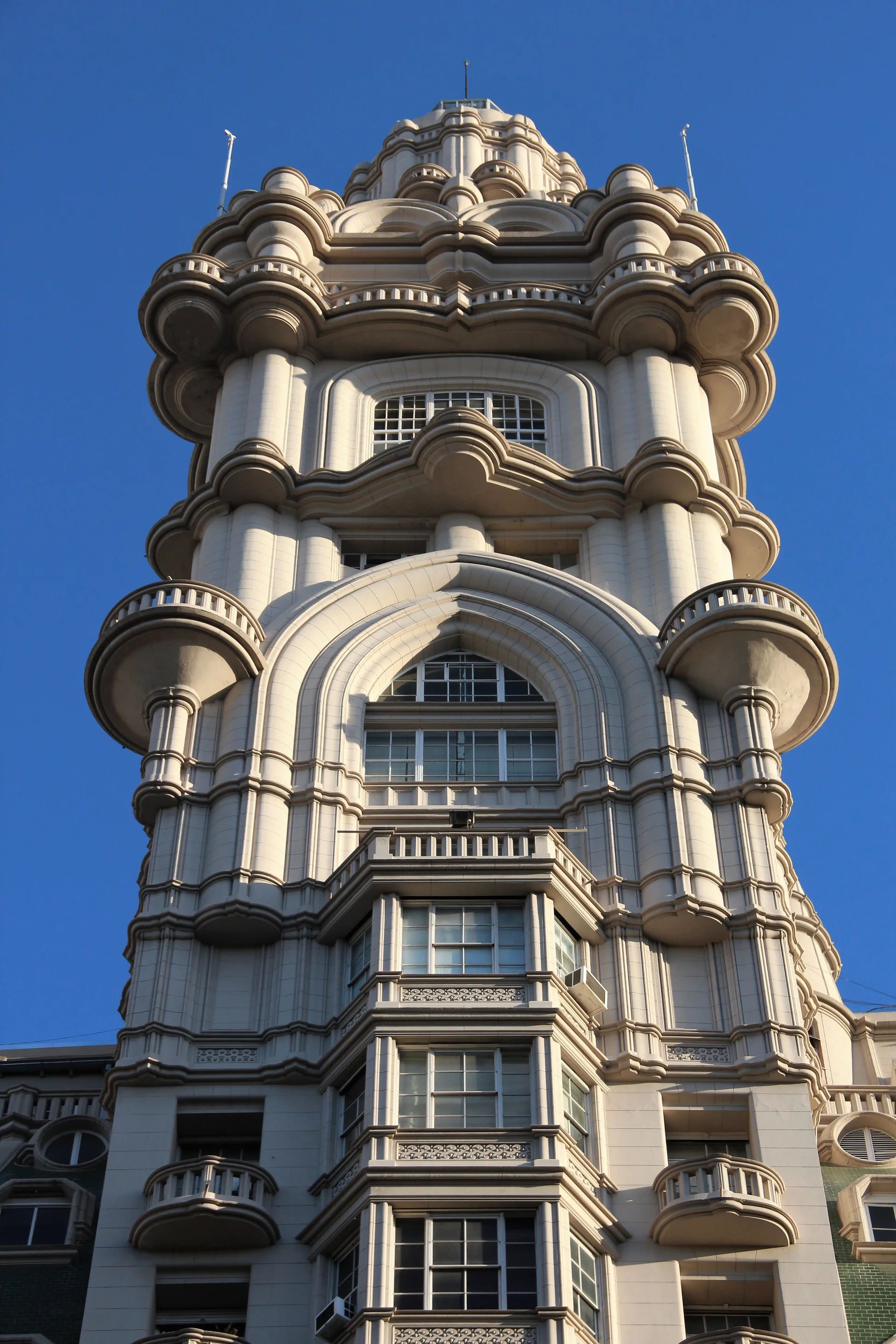
The story of the Palacio Barolo dates back to the early 20th century. Specifically, Italian architect Mario Palanti oversaw the construction of this extraordinary building between 1919 and 1923, carrying out a commission from a local textile magnate named Luis Barolo. Rising to an impressive height of 100 meters, the tower stood as the tallest building in South America until the completion of the Kavanagh building (an apartment tower constructed in 1935 in the Retiro neighborhood of Buenos Aires). Beyond its sheer scale, the building surprises visitors with its unconventional architecture. This design was entirely intentional, as Mario Palanti drew direct inspiration from Dante's Divine Comedy to set his creation apart from the rest of the city.
A Divine Inspiration
In practice, the building's 100 meters of height represented the 100 cantos of the medieval poem. Following the same theme, the Palacio Barolo is split into three distinct sections corresponding to the three books of the Italian masterpiece: Hell, Purgatory, and Paradise. The symbolism continues right at the entrance hall, which features nine vaulted ceilings representing the nine circles of hell described in detail throughout the legendary work. Furthermore, each floor contains either 11 or 22 offices, figures chosen to match the number of strophes making up the cantos of the Divine Comedy. As a final architectural quirk, the rooftop is crowned by a lighthouse. Originally, this beacon was meant to exchange signals with its architectural twin, the Palacio Salvo de Montevideo, built by the same architect in 1925 across the river. It stands as an extraordinary example of architectural obsession.
Opening hours
| Monday | 10:00-18:00 |
|---|---|
| Tuesday | 10:00-18:00 |
| Wednesday | 10:00-21:00 |
| Thursday | 10:00-21:00 |
| Friday | 10:00-22:00 |
| Saturday | 11:00-22:00 |
| Sunday | 11:00-21:00 |

A very pretty building and a beautiful lighthouse at the same time. However, the price to access the lighthouse is quite expensive, maybe that is due to the economic crisis?