
Visiting the Metropolitan Cathedral of Buenos Aires
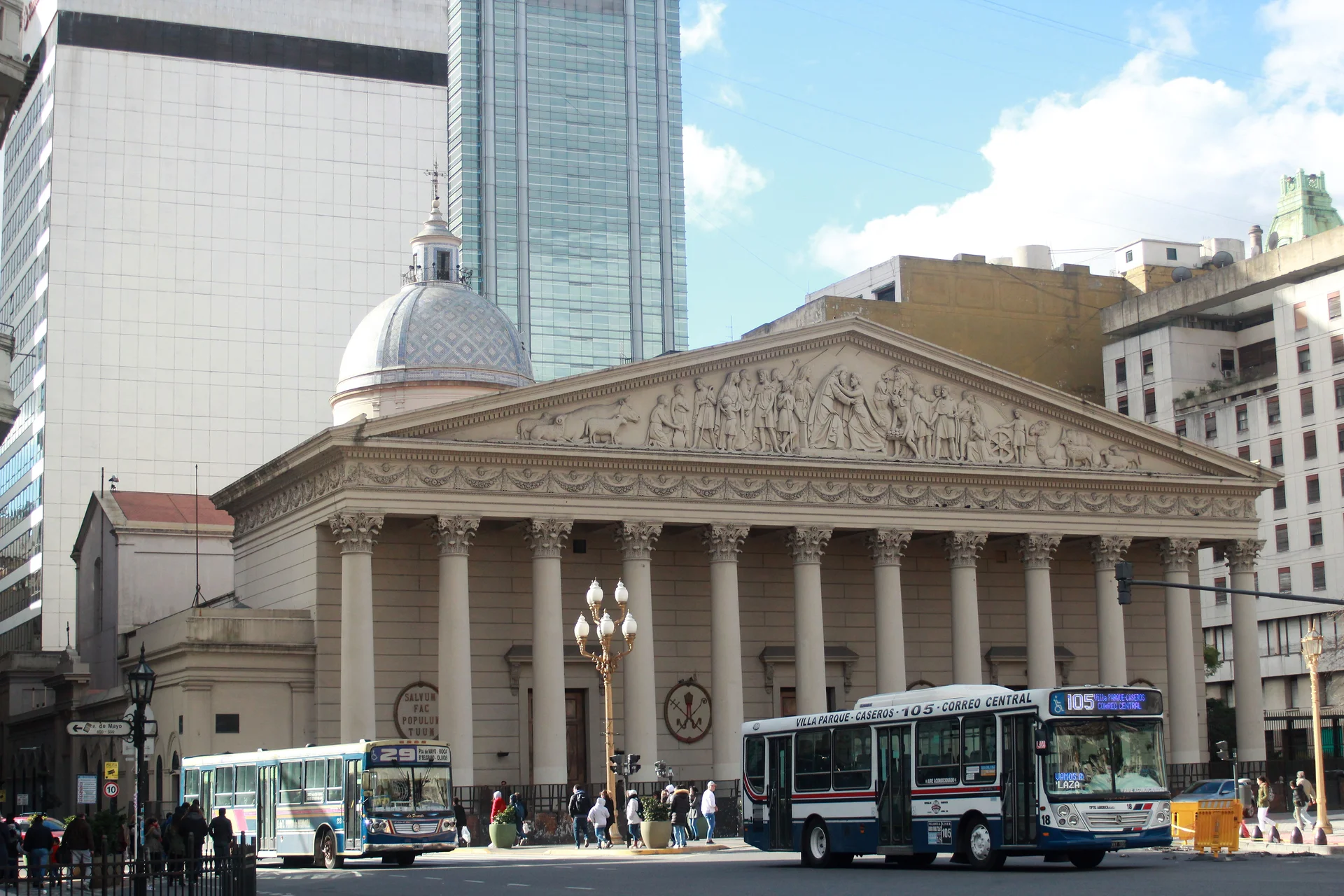
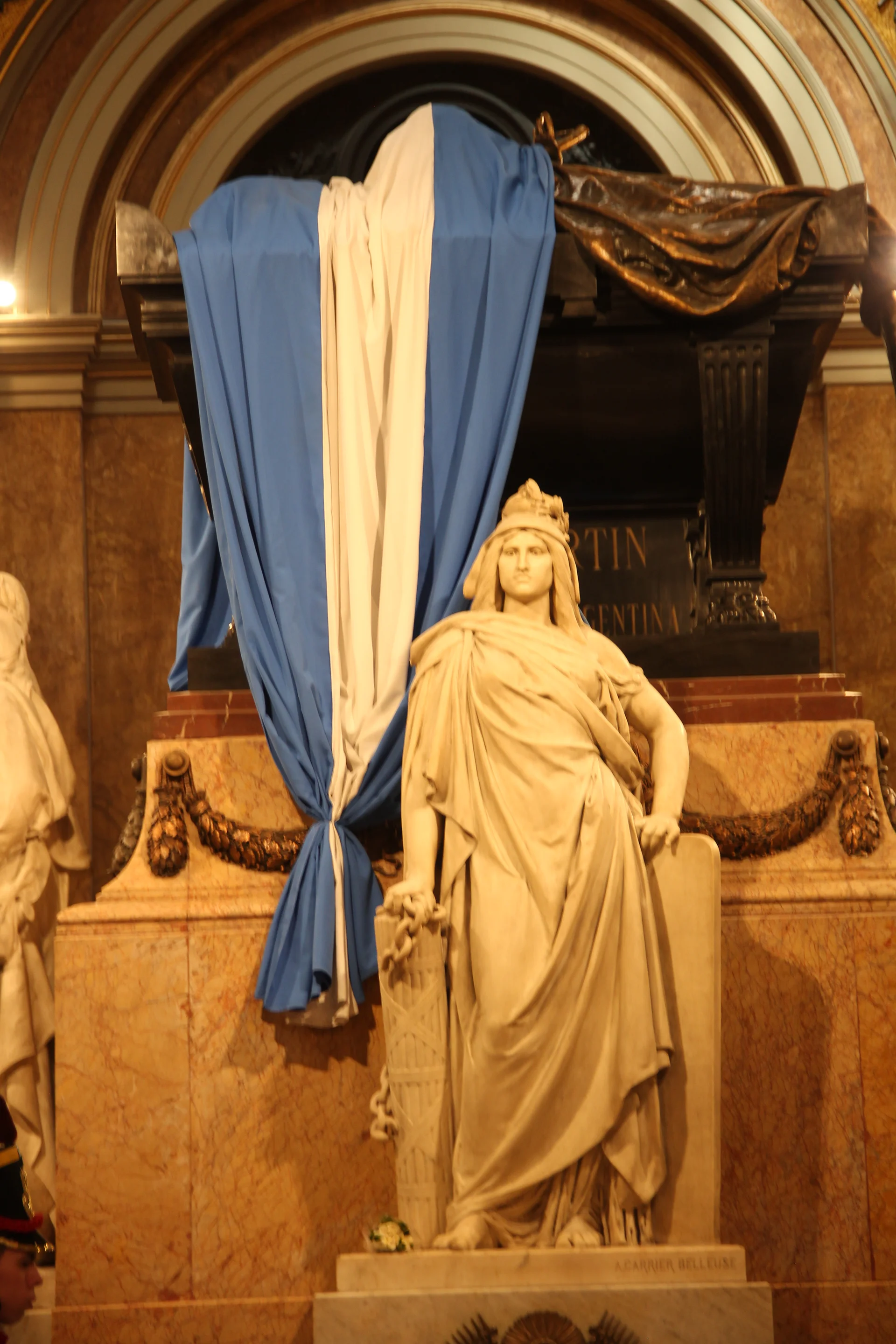
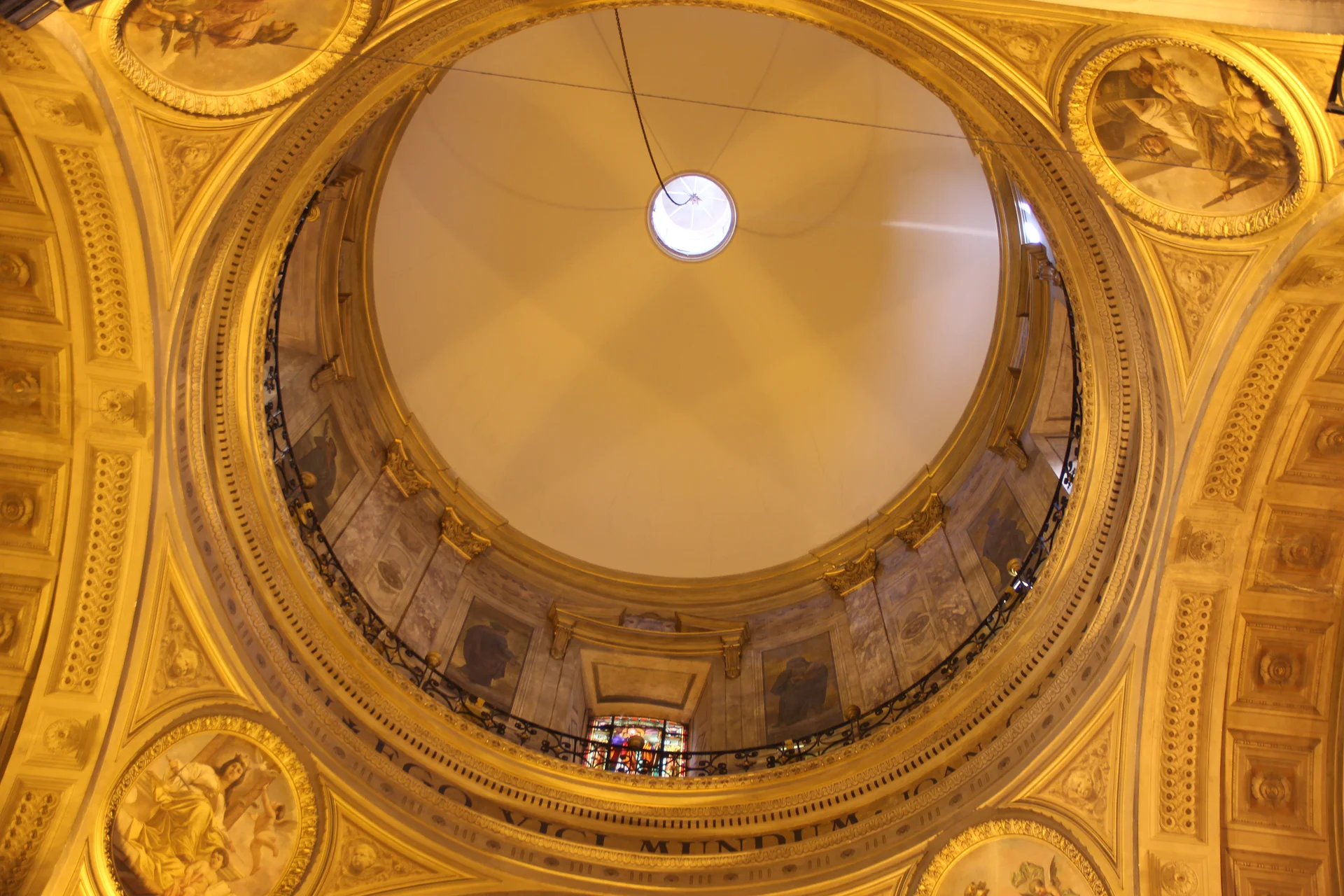
The origins of the Metropolitan Cathedral of Buenos Aires date back to the late 16th century. In 1580, Juan de Garay, the founder of the Argentine capital, decided to build the first major church in the newly conquered territory, which had only been discovered at the beginning of the century. Over time, the original building evolved into the cathedral we see today. The cathedral owes its unique style to European architects who combined 18th- and 19th-century influences with much older foundations, particularly drawing from Greco-Roman antiquity. The gilded wood altar in the main chapel, dating from 1785, stands as a striking colonial relic from the earliest days of the original church. Today, the cathedral is distinguished by twelve classical columns on its facade, symbolizing the twelve apostles of Jesus Christ. Placed above these columns, engravings depict the reunion of Joseph with his brothers and his father Jacob. Other features are well worth a short visit, including the side aisles, tombs, frescoes, and several antique furnishings inside the cathedral.
Sacred Art
Beyond its deep religious significance, the Metropolitan Cathedral of Buenos Aires holds plenty of appeal for art lovers. Visitors can admire the paintings of the Via Crucis (Stations of the Cross) created by Italian painter Francesco Domenighini. Multiple guided tours offer deeper insight into every section of the cathedral, from the workshop and mausoleum to the main hall, crypt, and church choir. One event stands out above all others for a truly immersive and meditative atmosphere: Nochebuena, the country's largest midnight mass held on Christmas Eve.
Opening hours
| Monday | 09:00-19:00 |
|---|---|
| Tuesday | 09:00-19:00 |
| Wednesday | 09:00-19:00 |
| Thursday | 09:00-19:00 |
| Friday | 09:00-19:00 |
| Saturday | 09:00-19:30 |
| Sunday | 09:00-19:30 |

A colonial-style cathedral that is worth visiting.