Argentina: Big Country, Even Bigger Contrasts
Argentina spans more of the planet than most people realize. From the Andean peaks in the west to the endless flatlands of the Pampas, from Patagonian glaciers in the deep south to the European-flavored cities of the north, this is a country that genuinely rewards travelers willing to cover some ground. The distances are real, but so is the payoff.
Buenos Aires: Europe Meets South America
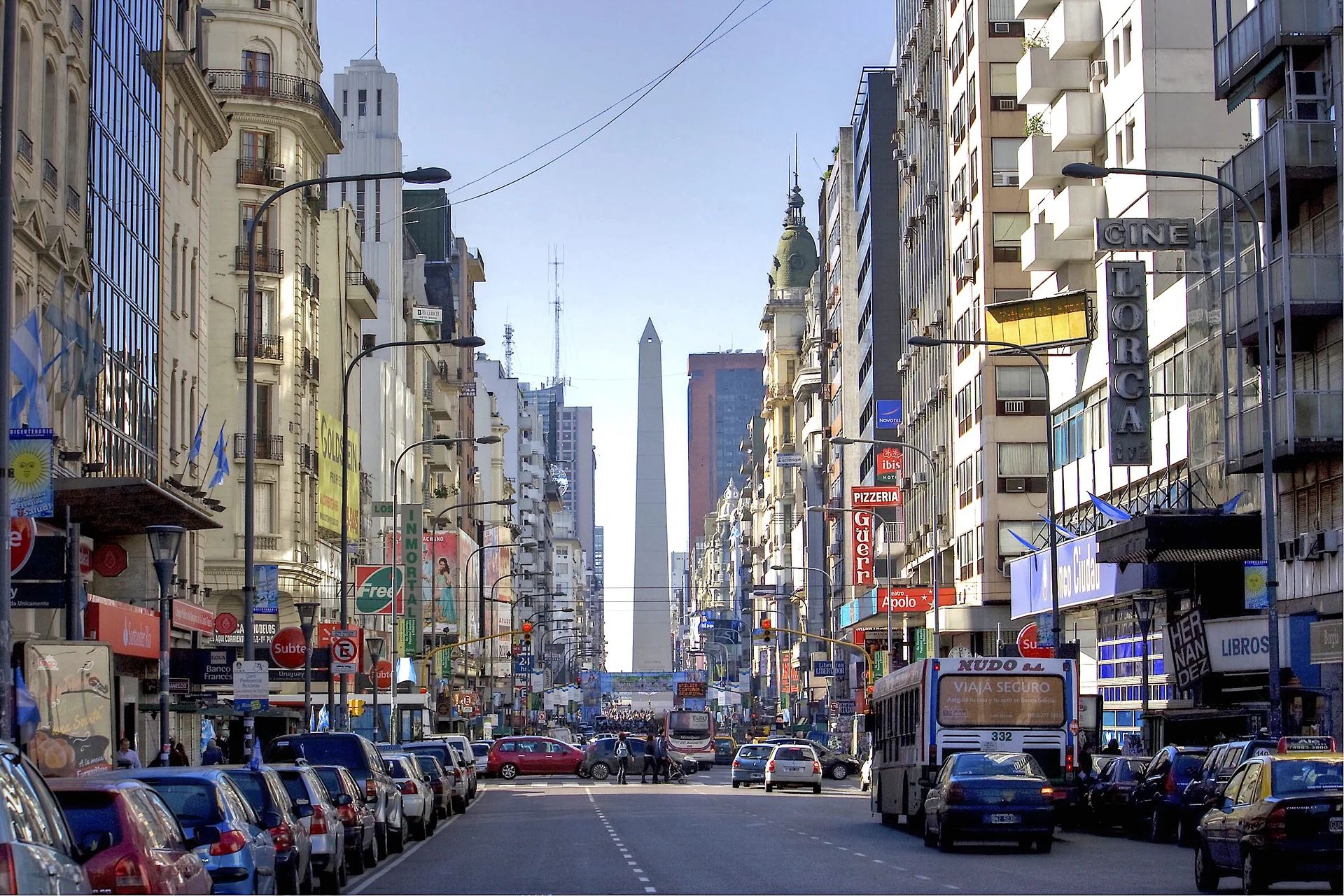
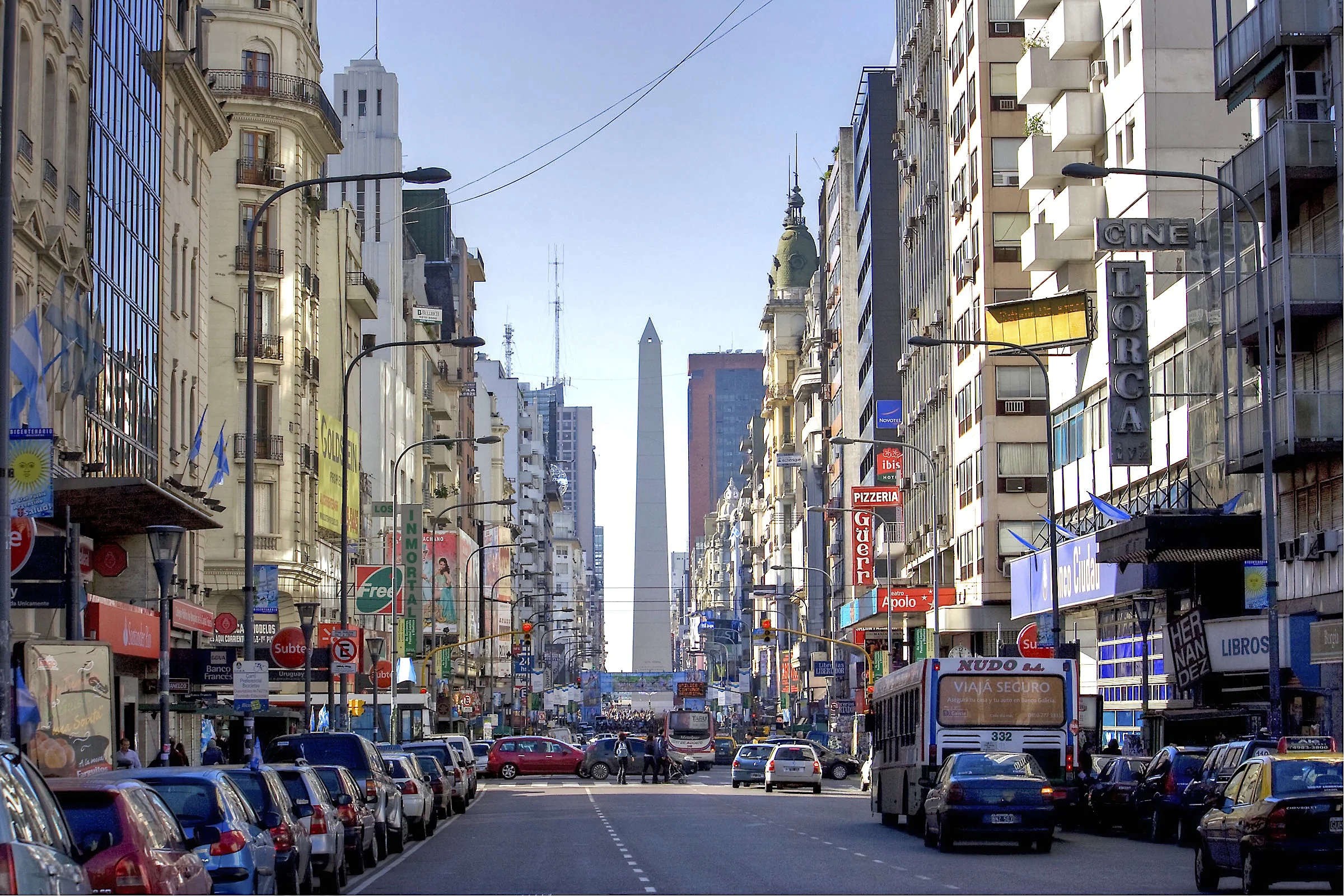
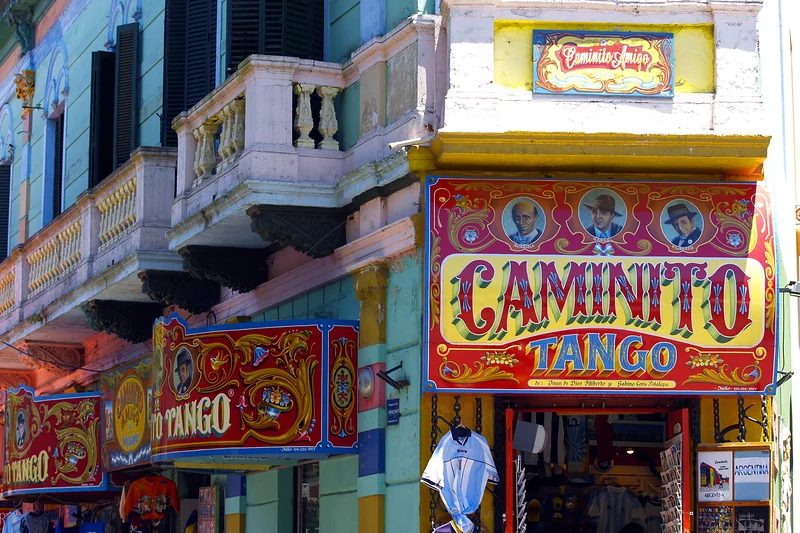
Buenos Aires runs on a different energy than any other South American capital. The city's heavy Italian and Spanish immigrant heritage shows up in the architecture, the food, and the way porteños (locals) carry themselves. San Telmo is where you want to be on a Sunday, when the cobblestone streets fill up with antique markets and impromptu tango performances. Palermo, a few miles north, has the street art, the cocktail bars, and the restaurant scene. Make time for Plaza de Mayo and the iconic pink facade of the Casa Rosada, the square is essentially where Argentine history has been written, over and over again.
Patagonia: The Edge of the World, Literally
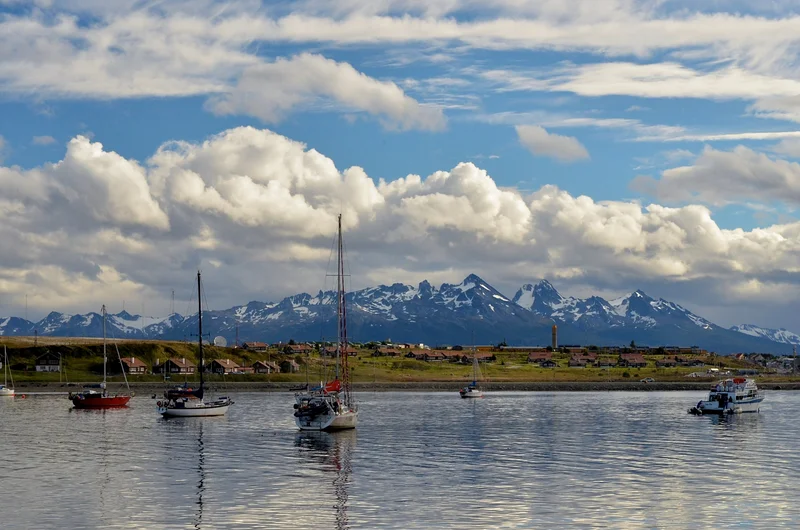
Head south far enough and you hit Patagonia, one of the most remote landscapes on earth. The Los Glaciares National Park is home to Perito Moreno, a glacier so active you can hear it calving from the viewing platforms, massive slabs of blue ice cracking off into the lake below. Further south, Ushuaia, the southernmost city on the planet, sits at the end of the road and serves as the main departure point for Beagle Channel cruises and Antarctic expeditions. If hiking is your thing, the Fitz Roy massif near El Chaltén offers some of the best trekking routes in the Western Hemisphere, think Patagonia-brand-logo dramatic, because that is literally what it is.
Iguazú Falls: 270 Waterfalls and Counting
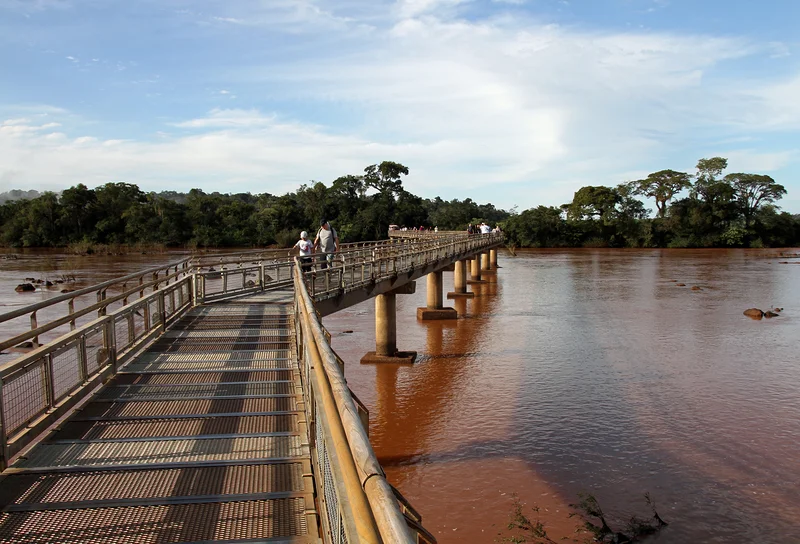
Up in the northeast, on the border with Brazil, Iguazú Falls puts Niagara to shame in terms of sheer volume and scale. The system stretches across nearly two miles of jungle, with more than 270 individual cascades. The centerpiece, the Devil's Throat, is the tallest drop on the site and generates so much mist and noise that you feel it before you see it. The surrounding national park is dense with wildlife, toucans and coatis are common sightings along the trails.
Mendoza: Malbec Country, with a Mountain Backdrop
Argentina's wine country sits in the western province of Mendoza, in the shadow of the Andes. This is where malbec, the grape that put Argentine wine on the global map, grows best, at high altitude with intense sun and cool nights. Dozens of bodegas (wineries) offer tastings and tours, often with the snow-capped Andes visible from the vineyard. For climbers, the region is also the base camp for Aconcagua, the highest peak in the Americas at 22,838 feet (6,961 meters).
The Food: Beef Is Not a Side Dish Here
Argentine food culture centers on the asado, a slow-grilled barbecue where beef cuts are cooked over wood embers for hours. It is less a meal and more a social ritual. Beyond the asado, empanadas (small baked or fried pastries stuffed with meat, cheese, or vegetables) are everywhere and cheap. The milanesa, a breaded and pan-fried beef or chicken cutlet with Italian roots, is the go-to weekday meal. For drinks, mate, a bitter herbal infusion sipped through a metal straw from a gourd, is less a beverage and more a way of life, Argentines carry their mate kits everywhere. Pair your meals with a Mendoza red and you are set.
When to Go
Argentina's climate varies dramatically by region. The Southern Hemisphere summer (December through February) is the best window for Patagonia, when trails are open and daylight is long. March and April bring fall foliage to the Mendoza wine region, making it one of the better times to visit the bodegas. Buenos Aires and the northern regions are most comfortable in spring (September-November) and fall (March-April). If you can time a visit to San Antonio de Areco in October, the Fiesta de la Tradición is the country's biggest gaucho cultural festival.
Getting There
From the US, most flights to Buenos Aires connect through Miami, Dallas, or another hub, with total travel times typically ranging from 11 to 14 hours depending on your origin city. Nonstop service from Miami and New York (JFK) to Buenos Aires Ezeiza International Airport (EZE) is available on several carriers. Round-trip fares generally run anywhere from $700 to $1,400 depending on the season and how far out you book. You can also fly into Córdoba or Mendoza with a connection in Buenos Aires or another South American hub. US citizens do not need a visa for Argentina and can enter with a valid US passport for stays up to 90 days.
Getting Around
Argentina is enormous, roughly the size of the continental US east of the Mississippi plus Texas, so domestic flights make sense for covering big distances quickly. Aerolineas Argentinas and LATAM both run frequent routes between major cities. That said, the long-distance bus network is genuinely impressive. Buses called colectivos connect virtually every city in the country, with reclining seats (some go nearly flat) and onboard meals on overnight routes, a solid option that costs a fraction of flying. In cities, Uber works in Buenos Aires and a few other major metros. For exploring wine country around Mendoza or remote Patagonian routes, renting a car is the practical choice.