
Carmelo, the city of wine and the river in far western Uruguay
At the southwestern tip of Uruguay, where the río Uruguay empties into the Río de la Plata estuary, Carmelo moves at its own pace. The dirt roads in the outer neighborhoods, the scent of grapevines after the rain, the sound of wooden skiffs passing beneath the country's oldest swing bridge: nothing here resembles Montevideo, nor even Colonia del Sacramento. This is a provincial town, proud and quiet, that has never tried to pander to tourists.
Is this destination right for you?
Carmelo suits travelers looking to slow down. Fans of tannat wine, cyclists wanting to pedal past car-free vineyards, and travelers seeking an Uruguay far off the beaten path will find something rare here.
On the other hand, if you need nightlife, a heavy cultural calendar, or polished tourist infrastructure, Carmelo might feel too quiet. The town is small, options are limited, and English is rarely spoken.
Good fit for:
- Wine lovers and those looking for intimate, human-scale vineyards
- Travelers wanting to experience Uruguay far from Montevideo
- Cyclists and river nature enthusiasts
- Couples seeking peace and open landscapes
- People transiting between Buenos Aires and Colonia who want an original stopover
Poor fit for:
- Travelers expecting an active nightlife or cultural scene
- Families with kids looking for structured activities
- Those who do not speak Spanish and need guided tourist support
- Rushed travelers with only a few days to spare
An accessible budget, especially compared to Buenos Aires
Carmelo remains a provincial Uruguayan town without the inflated prices of Punta del Este or Colonia. Lodging and meals are noticeably cheaper than in the country's major tourist spots.
| Expense | Estimated Range |
|---|---|
| Night in basic lodging (hostel, guesthouse) | $15 to $30* |
| Night in comfortable lodging (boutique hotel, lodge) | $60 to $120* |
| Quick bite (local parrilla, sandwich) | $5 to $10* |
| Restaurant meal | $15 to $25* |
| Winery tasting | $10 to $20* |
| Backpacker daily total | $35 to $60* |
| Comfort daily total | $100 to $170* |
Indicative rates subject to change
Practical realities
Carmelo is a working town rather than a resort city. Street signs are in Spanish, menus are in Spanish, and few shopkeepers or servers speak English or French. Knowing a few basic phrases in Spanish will completely change your experience.
The city is safe. Uruguay boasts one of the lowest crime rates in South America, and Carmelo is no exception as a quiet country town. Standard travel precautions are more than enough.
The climate is temperate, featuring hot and humid summers from December to February and mild but windy winters from June to August. Southern spring, running from September to November, is the ideal time for visiting the vineyards.
The vineyards, the main reason to come
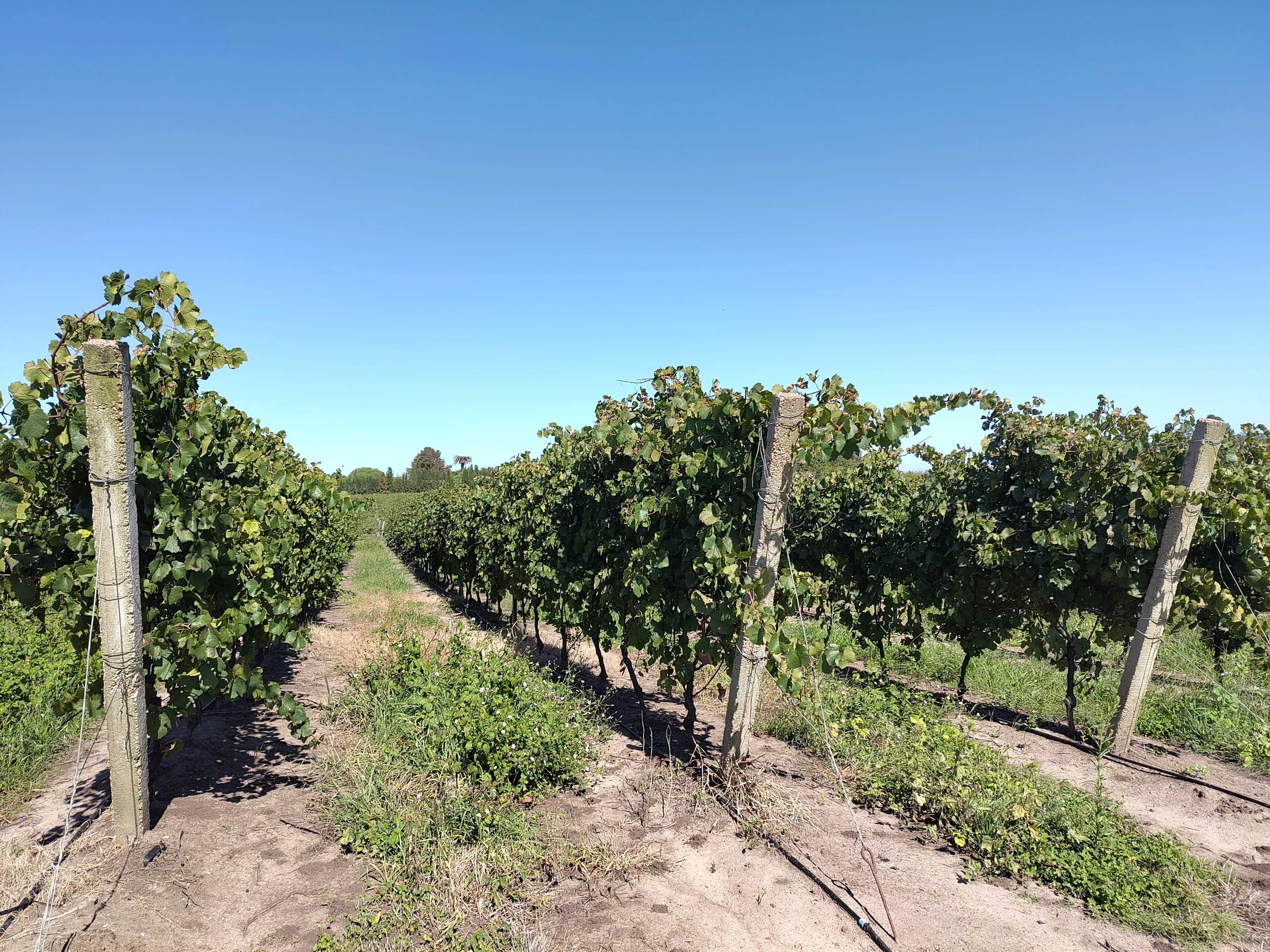
The Carmelo region is one of the oldest winemaking areas in Uruguay. The star grape is tannat, brought over from the French Basque Country in the 19th century and now the symbol of Uruguayan wine. The vineyards surrounding town offer visits and tastings in an unpretentious setting, far from mass wine tourism.
Among the accessible estates, Bodega Narbona stands out as a benchmark with its historic cellar, gourmet restaurant, and on-site lodging. Bodega Irurtia is also among the producers rooted in the area for generations.
Friendly tip: most vineyards sit a few miles outside the center. Renting a bike in Carmelo and planning a full day is the best way to get around without relying on a taxi. Check tour schedules directly with the estates before heading out, as hours change by season.
The river and waterfront life
The Arroyo de las Vacas, a small stream joining the río Uruguay right at Carmelo, gives the town its marina and unique atmosphere. The swing bridge crossing it, built in 1912, is the oldest operating swing bridge in the country and is still turned by hand to let boats pass.
Along the riverbanks, people fish, swim in the freshwater beaches in the summer, and watch sailboats drift by. It is a slow pace of life, vastly different from the country's Atlantic ocean beaches.
Downtown and the main square
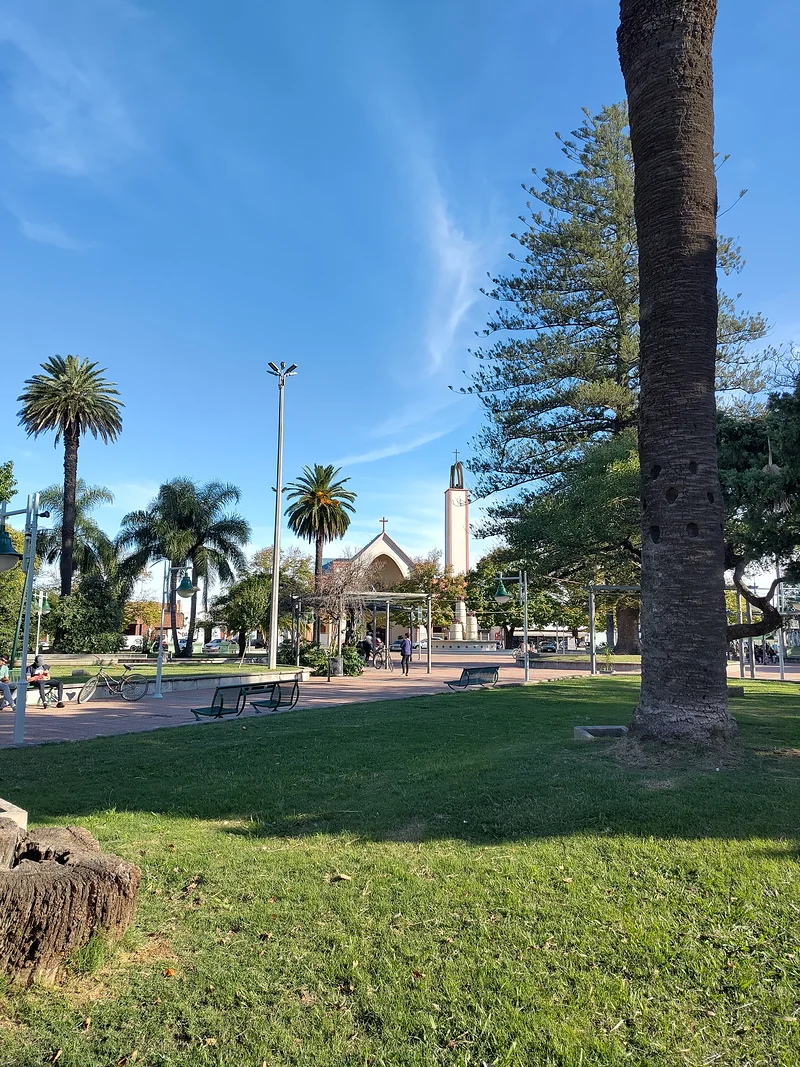
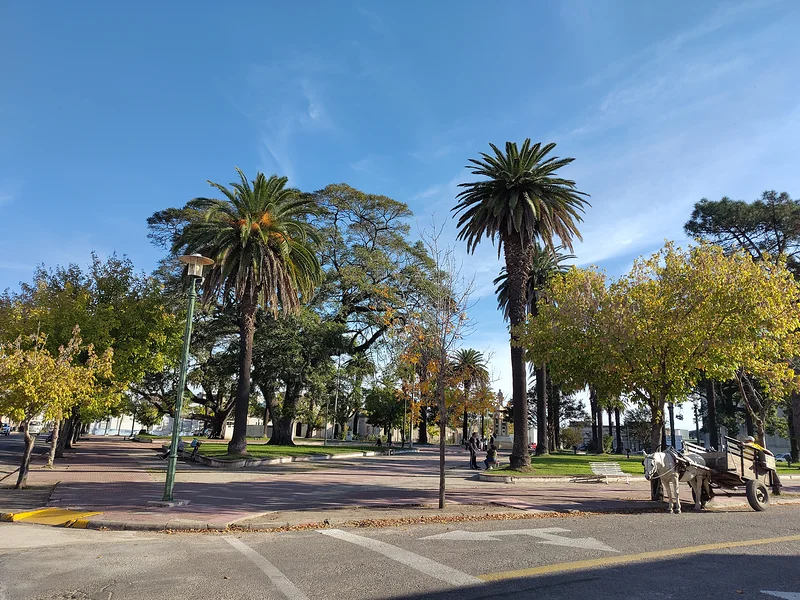
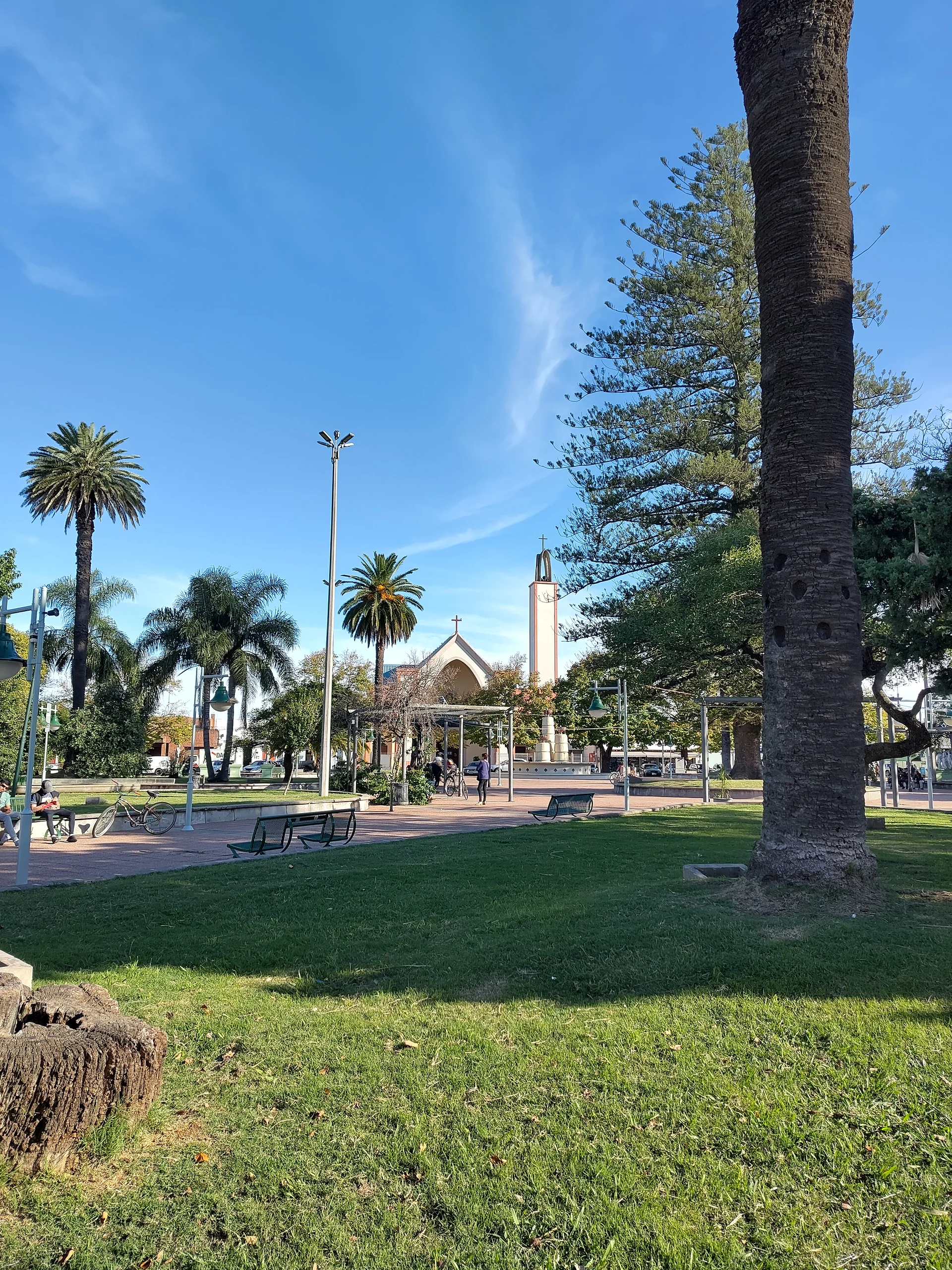
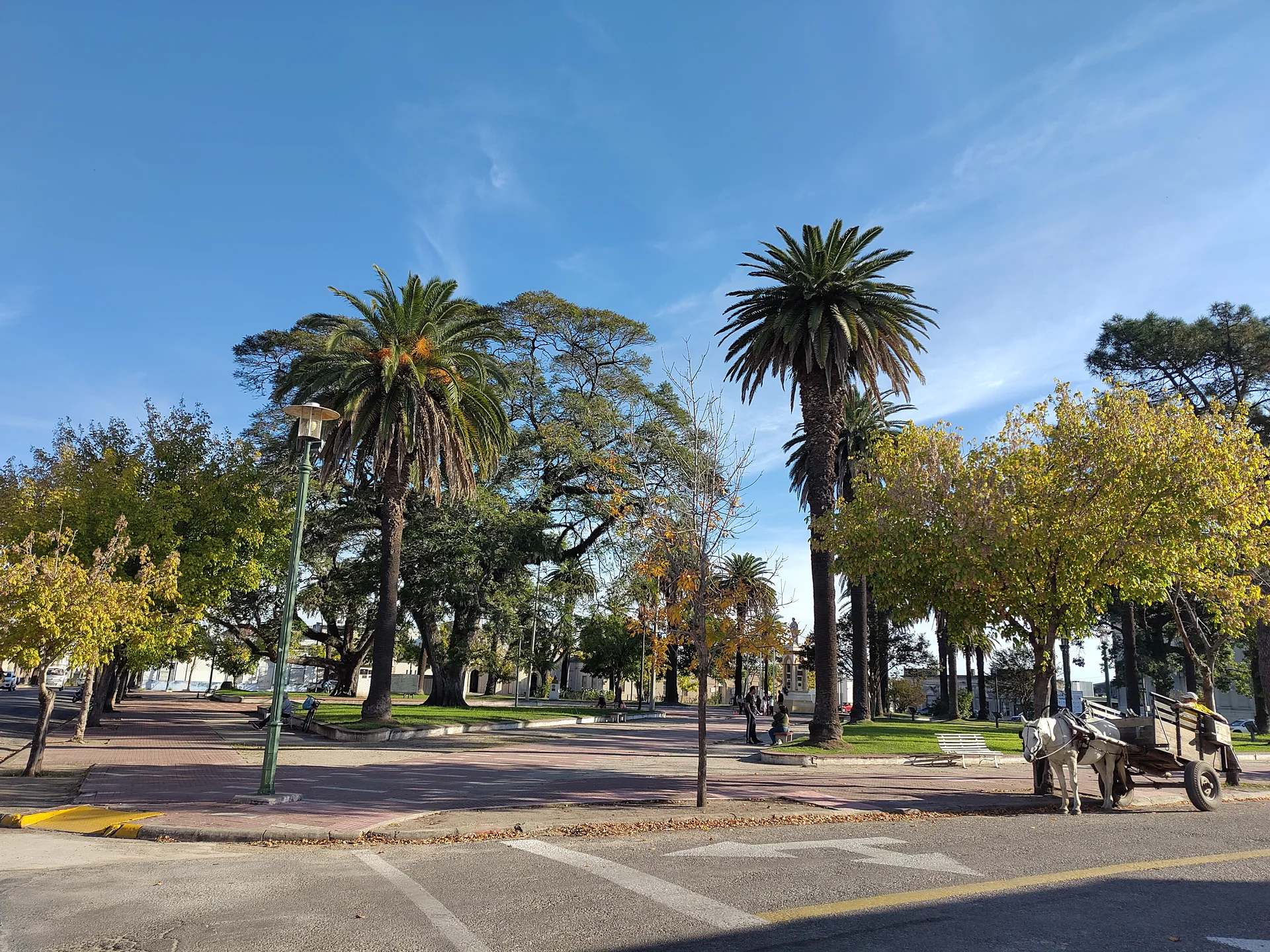
Plaza Artigas serves as the heart of the town. Surrounding it are the church, a few cafes, and everyday shops. It is nothing flashy, but it has the cohesive charm of an interior Uruguayan town.
The Casino de Carmelo, housed in a historic building facing the river, is one of the local landmarks. It mostly draws locals and Argentine visitors crossing the river by ferry from Tigre in the Paraná Delta.
Where to eat and drink in Carmelo?
Local dining revolves around parrilla, the quintessential Uruguayan grill. Beef cuts, chorizo, and blood sausage fill plates generously at reasonable prices. Local wine, served by the glass or bottle, pairs naturally with these meals.
For something more refined, the restaurant at Bodega Narbona serves regional ingredients in a polished setting among the vines. It is worth the trip even if you are not staying overnight.
Where to stay in Carmelo?
Lodging options concentrate in two zones: downtown, with accessible hotels and guesthouses, and rural lodges and bodegas outside town for an immersive vineyard experience. Bodega Narbona offers rooms and cottages right on its estate. For a more budget-friendly stay, downtown hotels are the most practical choice if you do not have a car.
How to get to Carmelo?
Carmelo has no international airport. The closest city with flights from Montevideo is Colonia del Sacramento, roughly 55 miles away. From Montevideo, buses connect to Carmelo in about 3 hours. From Buenos Aires, the most direct route uses the Cacciola ferry from Tigre directly to the port of Carmelo, a roughly 3-hour river crossing.
Friendly tip: if you are coming from Argentina, taking the ferry from Tigre is often more convenient and cheaper than routing through Montevideo. Check schedules ahead of time, as departures are limited and vary seasonally.
How to get around Carmelo?
Downtown is easy to explore on foot. For the vineyards and riverbanks, a bicycle is the best option because the town is flat, distances are short, and several guesthouses offer bike rentals. Taxis exist but are not always available on demand.
When to go?
Southern spring from September to November is the best time to visit, when the vines are in bloom, temperatures are pleasant, and crowds are thin. Summer from December to February is hot and can be humid. Avoid July and August if you are sensitive to the wind and chilly winter nights.
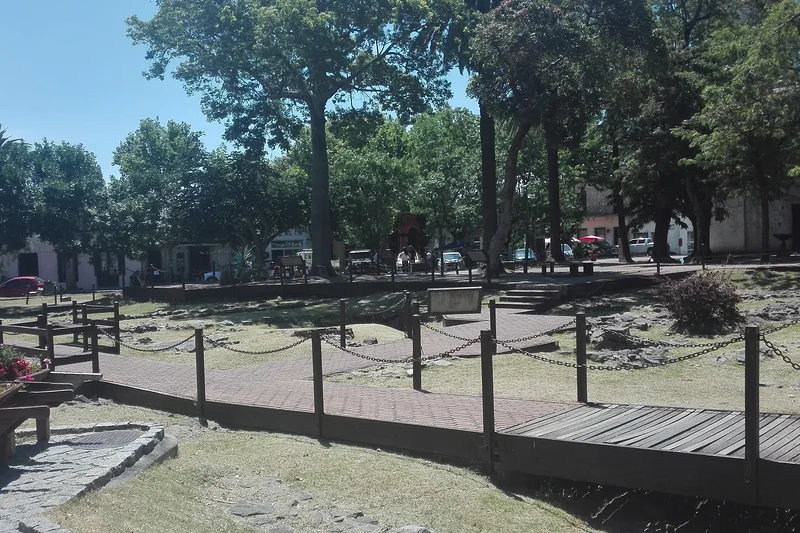
There isn't much to do or see in Carmelo, other than a walk along the Uruguay River, a visit to some wineries (this is the region where you find the best Tannats), or a trip to the Calera de las Huérfanas, an old Jesuit mission.