
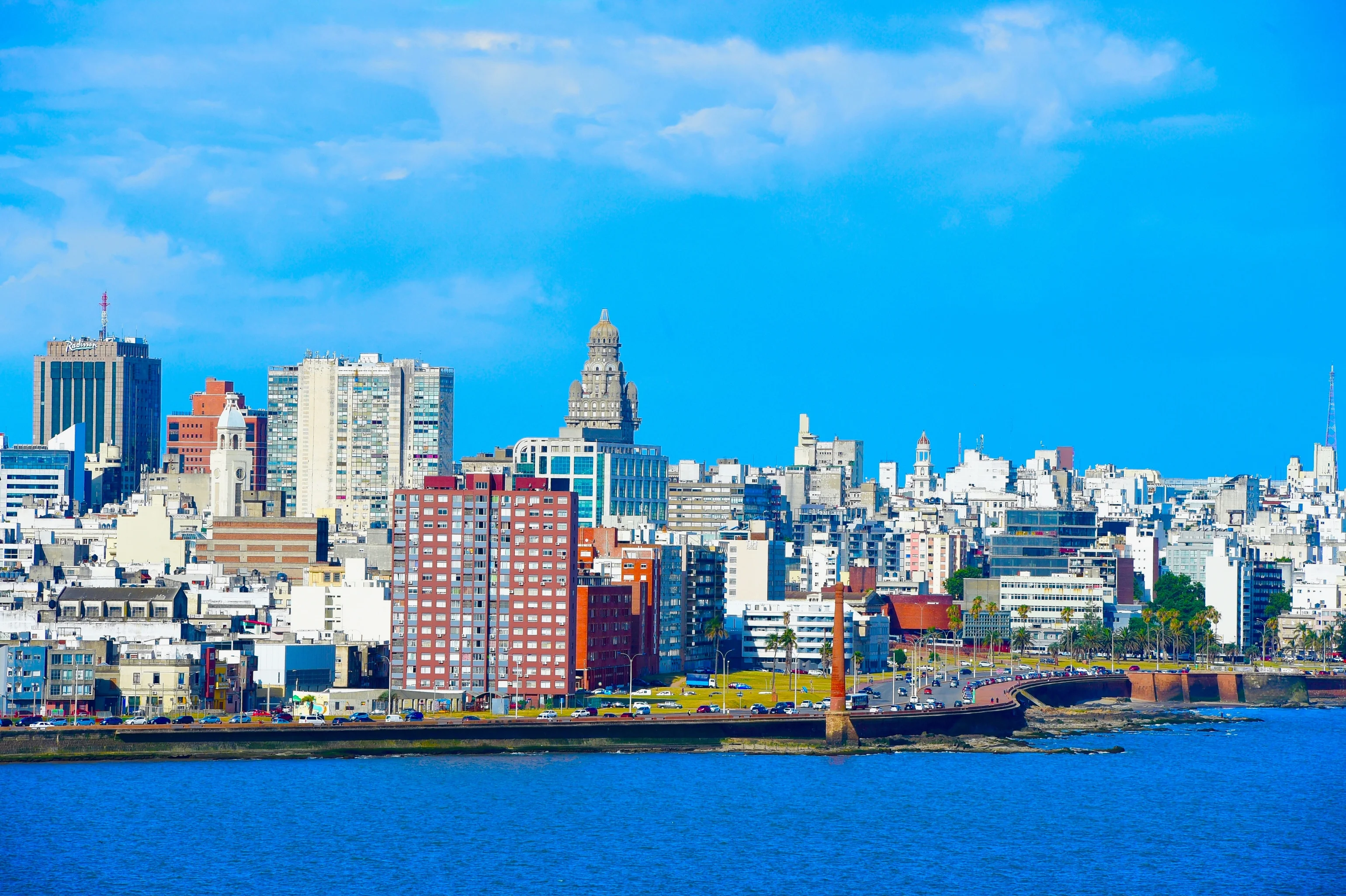
Montevideo, the capital that doesn't try to impress
It is 6 p.m. on a Saturday in February, and the Rambla is filling up, but never feeling crowded. Joggers move along the 14 miles of waterfront, a group of candombe percussionists tunes their drums in the distance, and on a nearby bench, a couple shares a mate while watching the sun drop into the Río de la Plata. There is no overwhelming skyline, and there are no suffocating crowds.
As the capital of Uruguay, Montevideo is home to nearly half the country's population, roughly 1.8 million people. Founded in 1726 by Spanish colonists, the city grew slowly and at its own pace, which is precisely the source of its charm. Here, you do not chase after attractions. You let yourself be swept up in a rhythm of life where tranquility is not just a slogan, but a way of existing.
Is this destination for you?
Montevideo is not a showy city. It will not take your breath away with a world-famous monument, and those searching for a nightlife scene comparable to Buenos Aires might find the pace lacking. However, if you appreciate human-scale capitals, long coastal walks, and high-level carnivore gastronomy, you will love it.
Best for:
- Lovers of grilled meat and Rioplatense cuisine
- Travelers seeking urban peace and accessible beaches
- Fans of colonial, Art Deco, and eclectic architecture
- Those combining Montevideo with Buenos Aires or the Uruguayan coast
- Soccer fans and sports history buffs
Not for:
- Party-goers looking for intense, varied nightlife
- Travelers who need "major" tourist attractions
- Strict low-budget travelers: Uruguay is expensive for South America
- Those who cannot stand red meat: it is difficult to avoid here
A higher budget than you might expect
Uruguay is not the bargain bin of South America. Prices are closer to those of an average European capital than to its neighbors. Food, in particular, will impact your wallet.
| Expense | Price Range |
|---|---|
| Hostel bed (dorm) | 370 to 825 UYU (about $9 to $20) |
| Comfortable hotel (3-star) | 1,650 to 4,100 UYU (about $40 to $100) |
| Quick meal (chivito, pizza, empanadas) | 205 to 410 UYU (about $5 to $10) |
| Restaurant meal | 490 to 1,230 UYU (about $12 to $30) |
| Daily transport and activities | 205 to 615 UYU (about $5 to $15) |
| Backpacker daily budget | 1,650 to 2,460 UYU (about $40 to $60) |
| Comfortable daily budget | 3,690 to 6,150 UYU (about $90 to $150) |
Practical info
Good news: Montevideo is easy to navigate. The city is compact in its tourist areas, the bus network is dense, and ride-share apps like Uber and DiDi work very well with reasonable rates. Spanish is the only language, and very few people speak English. A few words of Spanish will be your best allies.
Regarding weather, expect changing conditions. The austral summer brings heat and humidity, while winter can be cool and windy, with temperatures hovering around 50°F (10°C). Spring and autumn are pleasant but unpredictable, so always bring an extra layer.
Is Montevideo safe?
Uruguay is considered the safest country in Latin America, and Montevideo remains a capital where you generally feel secure. That said, petty crime exists. Bag snatching and pickpocketing happen in tourist areas, particularly around the Mercado del Puerto and Ciudad Vieja.
Friendly tip: Ciudad Vieja and Centro are very lively during the day but empty out at night. Avoid walking there alone after dark. The neighborhoods of Pocitos, Punta Carretas, and Carrasco are significantly safer for nightlife. Avoid the Casavalle and Cerro neighborhoods.
Ciudad Vieja, the historic heart
Every visit to Montevideo starts here. Plaza Independencia is the anchor for the old city. On one side, you have the unique silhouette of the Palacio Salvo, inaugurated in 1925, which was once the tallest skyscraper in South America. On the other, the Puerta de la Ciudadela, the last remnant of the 18th-century Spanish fortifications.
Under the plaza, the mausoleum of José Artigas, the father of Uruguayan independence, recalls the country's turbulent past. Another historic landmark is plaza Cagancha and its Peace Column, which marks the Kilometer 0 for the country's main highways.
The Sarandí pedestrian street stretches to the south, lined with craft stalls, bookstores, and cafes. Do not miss the beautiful Librería Puro Verso, housed in a former Art Nouveau building. The Solís Theatre, one of the oldest in Latin America, is worth at least a look from the outside for its imposing neoclassical facade.
The Museo Torres García and the Museo Gurvich, both dedicated to the pioneers of Uruguayan constructivism, are worth the trip if you appreciate modern art. The Palacio Taranco, a former bourgeois residence designed by Charles Louis Girault, the architect of the Petit Palais in Paris, displays a fine collection of French-Spanish furniture and decorative arts.
The Rambla and the beach neighborhoods
The Rambla is the soul of Montevideo. This ribbon of concrete and greenery runs along the Río de la Plata for over 14 miles, from Ciudad Vieja to the upscale neighborhood of Carrasco. The locals run, bike, sip their mate, and watch the sunsets here. We believe, at Avygeo, that this is one of the most beautiful coastal walks in South America.
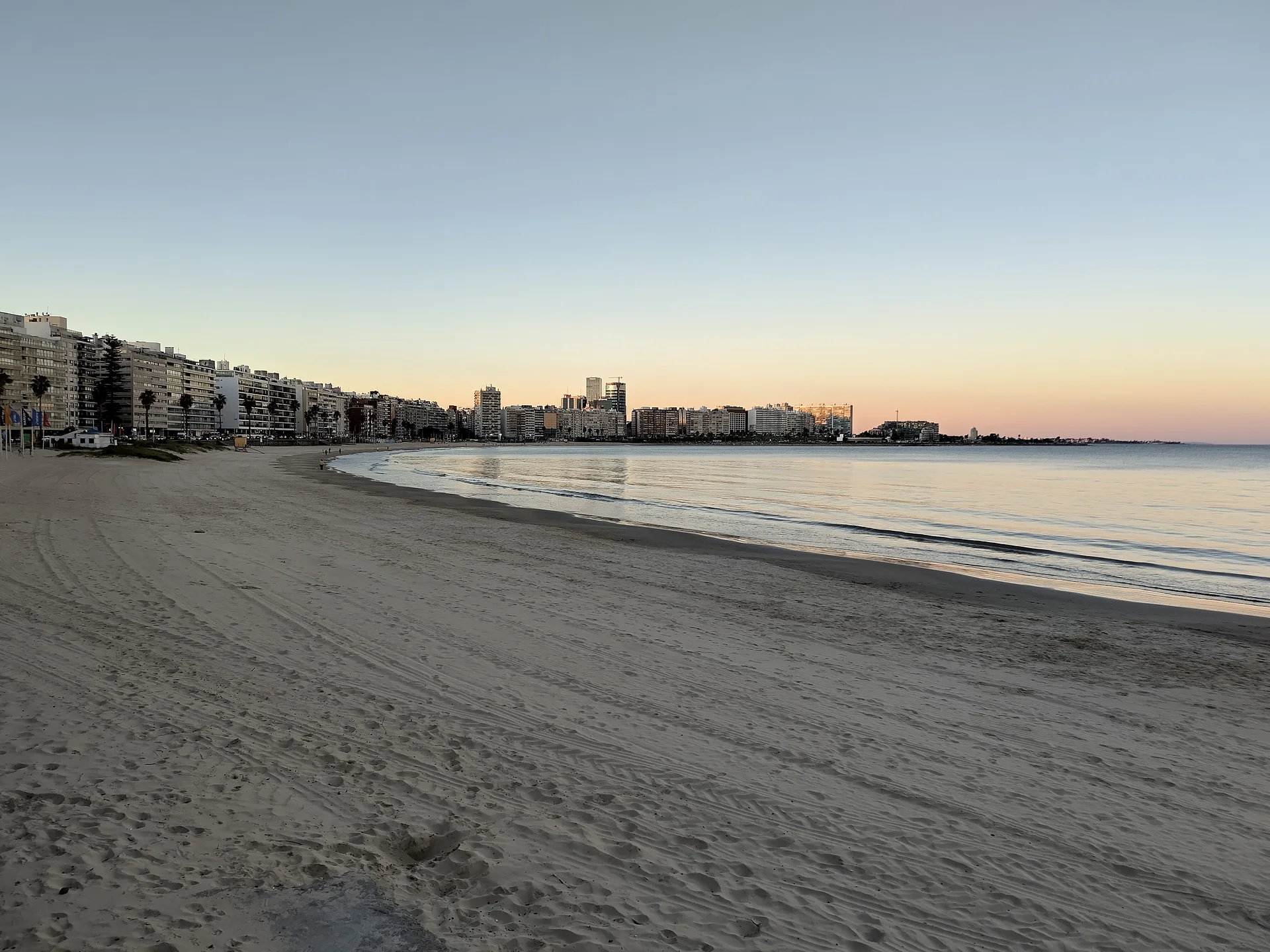
The Pocitos neighborhood offers the city's most frequented beach, complete with the famous giant "Montevideo" sign for your souvenir photo. A bit further, Punta Carretas attracts visitors with its restaurants, a shopping center built inside a former prison, and the curious Castillo Pittamiglio, built by an architect obsessed with alchemy.
Friendly tip: For a real beach day, head to Carrasco beach which stretches for nearly 6 miles. The water of the Río de la Plata is often dark and muddy, so do not expect turquoise water; it is an estuary. The enjoyment is found in the atmosphere and the setting.
Cordón, Palermo, and the alternative scene
Beyond the tourist window, the Cordón and Palermo neighborhoods reveal a younger, more creative Montevideo. The Mercado Ferrando, housed in a former furniture factory, functions as a gourmet food hall with long shared tables, craft beers, and international cuisine. It is the perfect place to dine affordably while tasting the local life.
Barrio Sur is the cradle of candombe, the percussive music of Afro-Uruguayan origin that is inscribed on the UNESCO Intangible Cultural Heritage list. On rehearsal nights, dozens of percussionists parade through the streets, and traffic stops to let them pass. It is a unique moment to experience if you are there at the right time.
On Sunday mornings, head to the feria de Tristán Narvaja, the largest open-air market in the city. Dozens of streets transform into a colorful bazaar where you can find vinyl records, antiques, fresh fruit, and all kinds of curiosities. The feria opens around 9 a.m. and ends around 3 p.m.
Parks and off-the-beaten-path museums
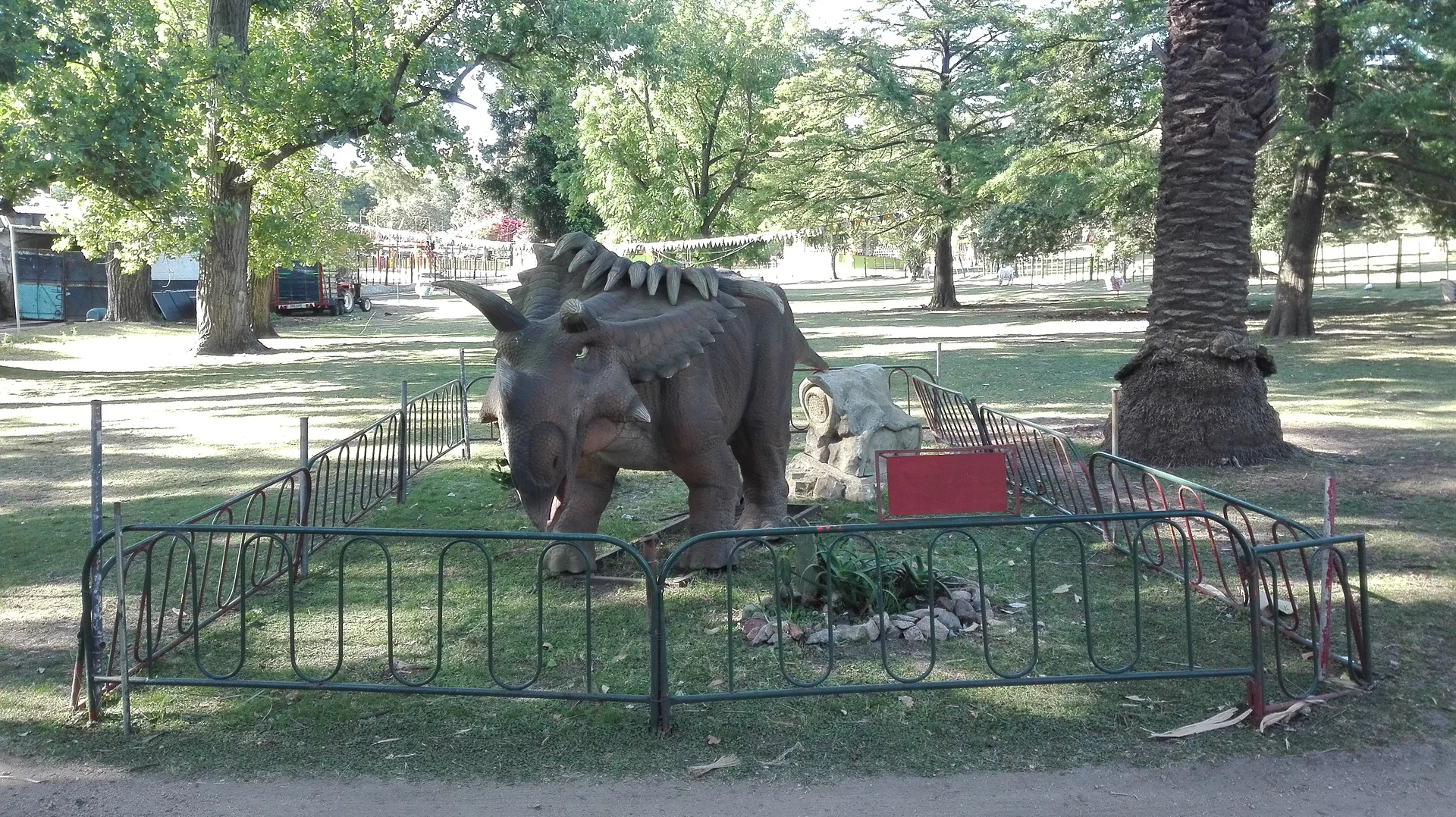
Parque Rodó is the green lung of Montevideo. Divided into three zones with an artificial lake, shaded green spaces, and a small permanent amusement park, it attracts families on weekends. The edges of the park host a regular craft market.
Further north, Parque Prado is a former 19th-century vacation spot. You will find a quiet botanical garden, old mansions in varying states of repair, and an atmosphere that contrasts with the rest of the city. The Museo Blanes, which is free, presents a collection of Uruguayan art through the ages.
For a memorable and atypical experience, the Museo Andes 1972 tells the story of the Andes plane crash made famous by the film. The museum is small but managed by a passionate expert who significantly enriches the visit. Entry is about $8.
Friendly tip: Wine lovers can visit Bodega Bouza, a winery accessible by taxi from the city center. You can taste Tannat, the iconic grape of Uruguay, in a bucolic setting with vintage cars on display.
Where to eat and drink in Montevideo?
Montevidean gastronomy revolves around meat, and denying that would be a lie. The national dish is the chivito, a gargantuan sandwich with steak, ham, cheese, egg, salad, and sometimes bacon. It is hearty, unrefined, and delicious. You can find it everywhere, from neighborhood joints to chic restaurants.
The Mercado del Puerto, inaugurated in 1868 under a wrought-iron structure imported from England, is the temple of the Uruguayan parrilla. The smell of wood-fired grilled meat greets you as soon as you enter. Order a medio y medio, the local cocktail that mixes white wine and sparkling wine. Be careful, as the restaurants closest to the entrance are often the most touristy and expensive.
A few specialties to try: fainá, a crispy chickpea flatbread often layered on top of a slice of pizza; fresh pasta with salsa Caruso, a creamy sauce invented in Uruguay with mushrooms, ham, and cream; and alfajores, those small cookies filled with dulce de leche that you find on every street corner.
For a trendier setting, try Mercado Ferrando in Cordón or Mercado Williman in Punta Carretas. Café Brasilero, the oldest cafe in the city, is the ideal spot for a cortado with fresh medialunas.
Where to sleep in Montevideo and the surrounding area?
Ciudad Vieja is the logical choice for a first stay, as you will find boutique hotels with character and walking access to the main sites. The neighborhood is quiet at night, however. Pocitos is a good alternative with a residential vibe, the beach nearby, and many restaurants and bars. It is also where you will find the most affordable prices for hostels.
Punta Carretas combines shopping, restaurants, and proximity to the Rambla. For total luxury, Carrasco houses the sumptuous Sofitel Montevideo Casino Carrasco & Spa, set in a 1920s palace. Budget travelers will find dorms starting from 370 to 500 UYU (about $9 to $12) per night in hostels like Viajero Montevideo Hostel or Destino26.
How to get to Montevideo?
There are no direct flights from the US. Connections are made via São Paulo, Madrid, or Buenos Aires, with total travel time ranging from 14 to 20 hours depending on the layover. Carrasco International Airport is about 12 miles from the city center, costing roughly 1,000 to 1,450 UYU (about $25 to $35) by taxi or Uber.
For those already traveling in Argentina, crossing the Río de la Plata by ferry is a classic move. Buquebus offers a direct Buenos Aires to Montevideo ferry in 2.5 hours, starting from about 2,450 UYU (about $60). The most economical option is the ferry plus bus combo via Colonia del Sacramento, which takes about 4.5 hours but often costs half as much.
How to get around Montevideo?
The historic center is easily explored on foot. For longer distances, the bus network is dense. Get an STM card for free at Abitab kiosks: the fare is about 50 pesos compared to 61 in cash. The buses are reliable but the network can be confusing for newcomers.
Uber and DiDi are the simplest ways to get around. Expect to pay between 80 and 330 UYU (about $2 to $8) for most trips in the city. Taxis use meters, so there is no need to negotiate. To explore the Rambla, a bike is ideal, and rentals are available in several neighborhoods.
When to go?
The austral summer, from December to March, is the ideal season to enjoy the beaches and long evenings on terraces. It is also the season of the Montevideo Carnival, the longest in the world, which runs from late January to early March with murga and candombe parades.
Spring and autumn offer mild temperatures and fewer crowds. Winter, from June to August, is cool and windy, with a quieter city that remains lively.
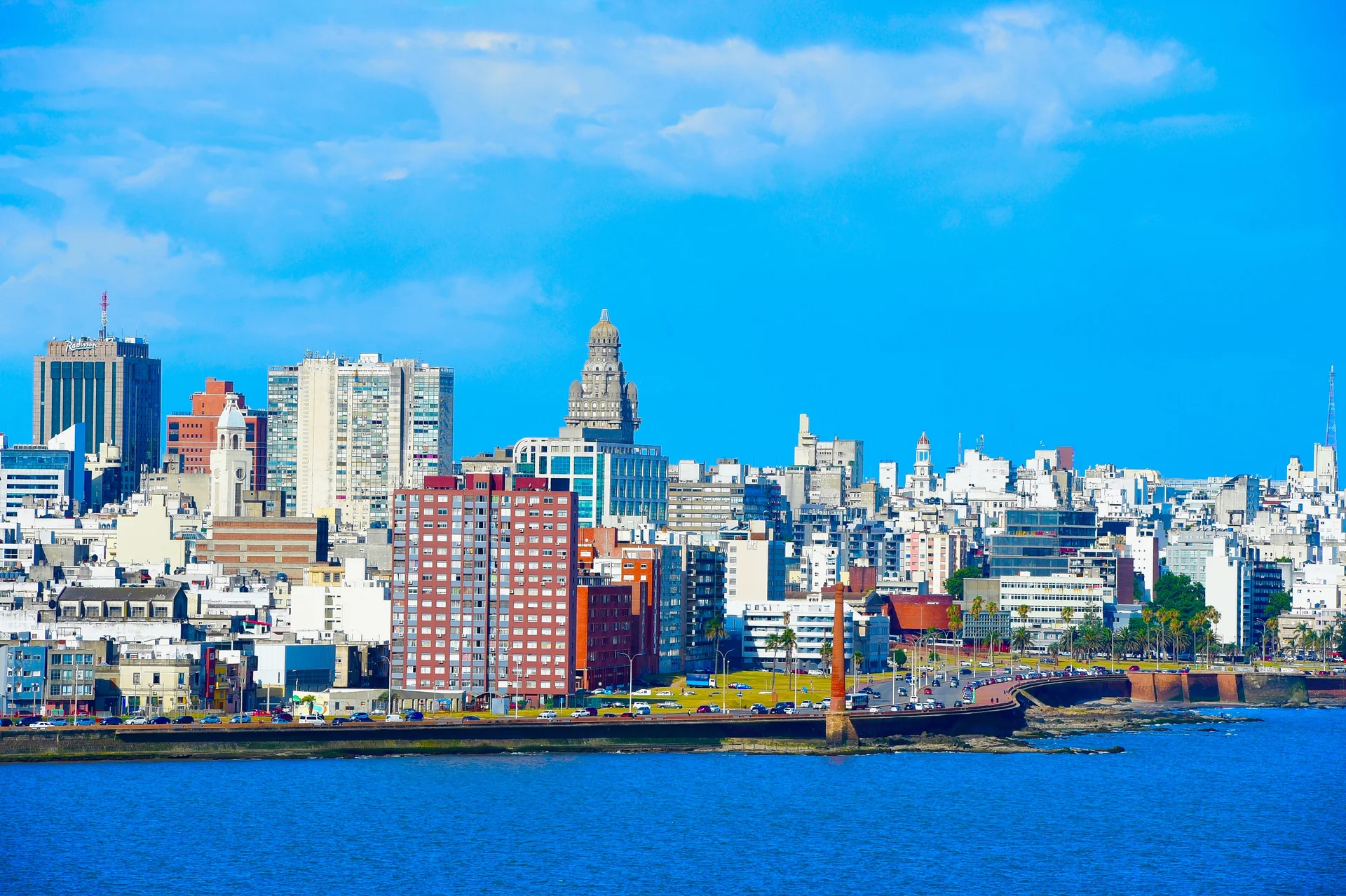
What could be more original than visiting Uruguay? Those who can name the capital without confusing it with Asunción in Paraguay earn some points! Montevideo is a very quiet city where you can visit almost everything on foot. There are plenty of museums to learn more about the history of the country. An old town that was once a citadel. And to top it all off, pleasant beaches, parks, and little cafes.