Uruguay: The Small Country That Does Everything Its Own Way
There are four cows for every person in Uruguay. People walk down the street with a thermos under one arm and a gourd of maté in hand. Sandwiched between two South American giants, this country operates on its own frequency entirely. The capital, Montevideo, has just 1.3 million people. For context, Greater Buenos Aires, right across the Río de la Plata, has 18 million.
The Right Destination for the Right Traveler
Uruguay rewards people who want quiet, good beef, horseback riding through open country, and beaches with actual elbow room. Families will find a level of safety that's genuinely rare in Latin America. Couples get low-key romance without the crowds. If you're after wild nightlife, ancient ruins, or tropical jungle, Brazil or Argentina will serve you better.
You don't rush Uruguay. The country stretches 660 km (410 miles) of Atlantic coastline, dotted with working cattle ranches and Tannat vineyards that hold their own against Argentine bottles. This is a place you settle into, not tick off.
Outside the beach towns, tourist infrastructure is basic. Spanish is essentially mandatory everywhere except Punta del Este. The roads are good, but distances catch impatient travelers off guard. The drive from Montevideo to Cabo Polonio, the village with no electrical grid, takes a solid 4 hours.
Budget Reality Check
Uruguay is the most expensive country in South America, and that surprises a lot of visitors. Budget travelers should plan on roughly 2,100 to 3,400 UYU per day (about $50 to $80 USD). Mid-range comfort runs 4,200 to 6,300 UYU ($100 to $150 USD). A basic hotel room starts around 1,700 UYU ($40 USD) and a decent four-star property runs 6,300 UYU ($150 USD) or more. In Punta del Este in January, prices can literally double overnight.
Montevideo and Colonia: Two Cities, One River
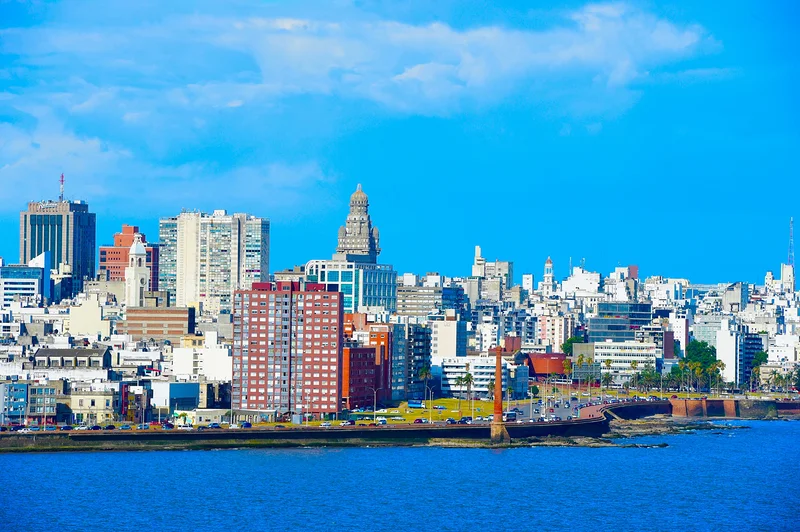
Montevideo throws off anyone expecting a typical Latin American capital. The Ciudad Vieja (Old City) is lined with weathered Art Deco buildings, cafés where the waiter knows every regular by name, and shaded plazas where you can still hear tango drifting out of open doors. The Mercado del Puerto is the city's food epicenter: a 19th-century iron market hall where parrillas (grills) sizzle all afternoon and candombe drummers keep the rhythm going.
The Rambla, a 30 km (19-mile) waterfront promenade, is where Montevideo shows its personality. Morning joggers, families out on Sundays, parakeets cutting between the trees, hummingbirds working the hibiscus flowers. The vibe is somewhere between southern Spain and a laid-back beach town, but more relaxed than either.
Colonia del Sacramento
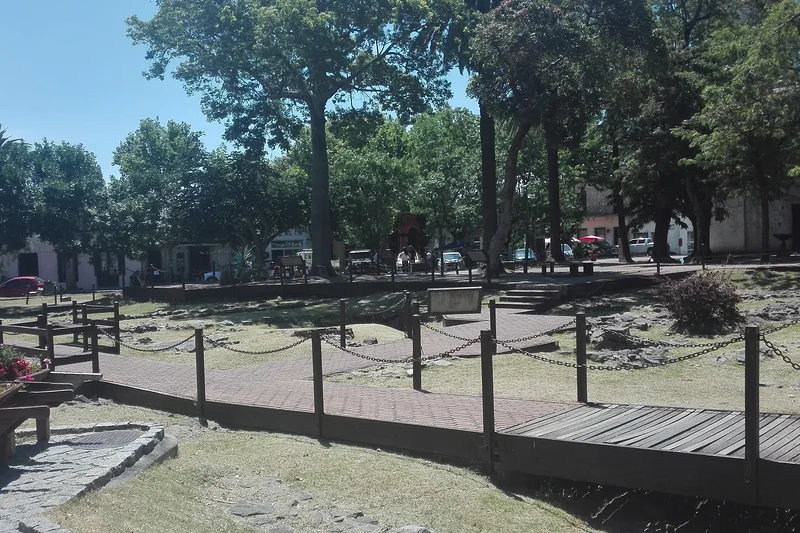
About 2.5 hours west by road, Colonia del Sacramento feels frozen in another century. Its historic quarter, a UNESCO World Heritage Site, winds through cobblestone streets lined with Portuguese colonial houses and Spanish-era ruins. The Calle de los Suspiros (Street of Sighs) earns its name. Climb the 19th-century lighthouse for a view over the Río de la Plata, which stretches so wide you'd swear you were looking at the ocean. Vintage cars parked on the corners complete the scene.
Insider tip: Colonia works as a day trip from Buenos Aires by ferry. But staying one night lets you catch the legendary sunsets once the day-trippers have cleared out.
The Atlantic Coast: From Glam to the Edge of the World
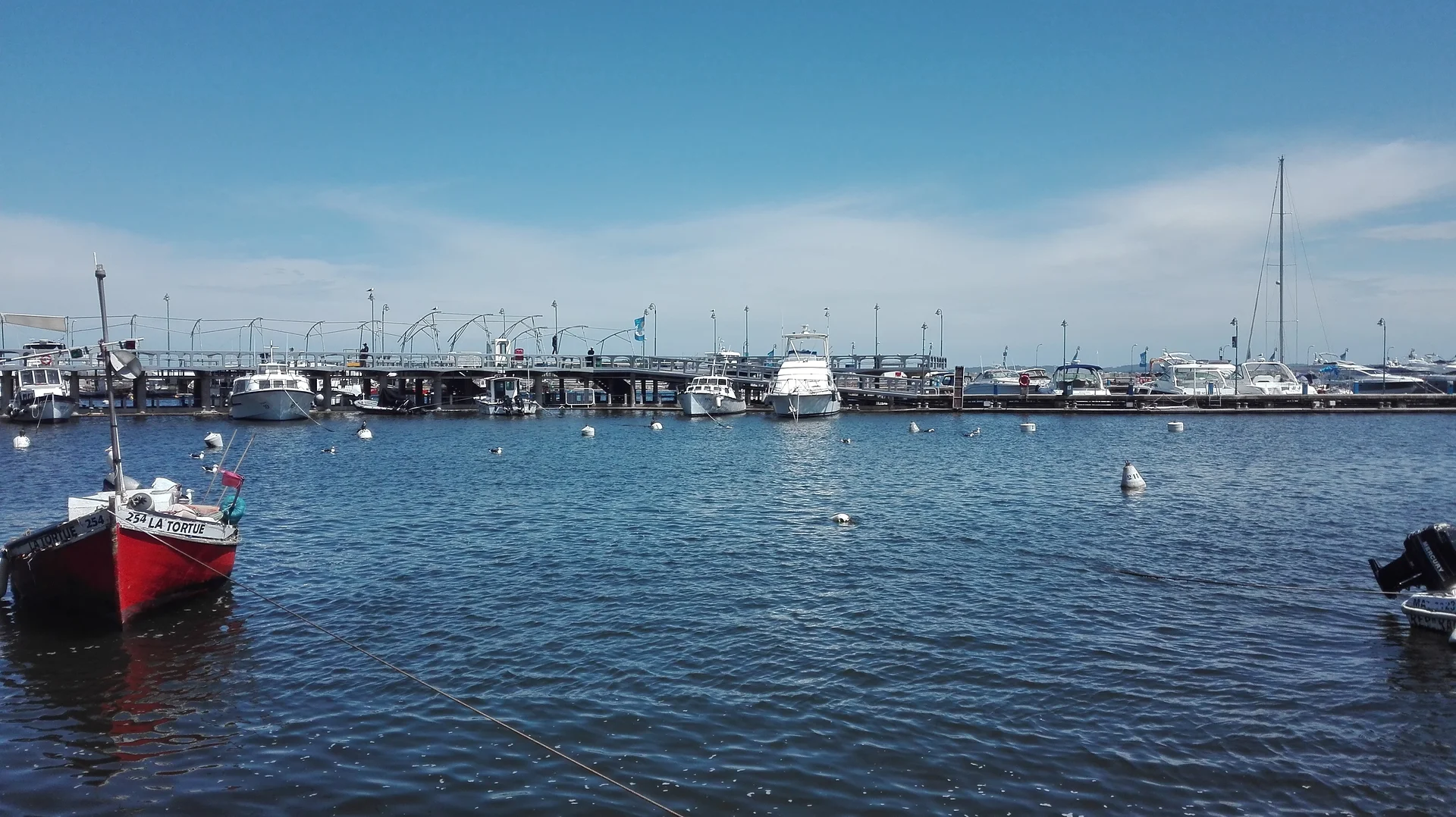
Punta del Este is Uruguay's answer to the Hamptons, with a South American twist. Yachts, high-end restaurants, glass towers facing the ocean: every Southern Hemisphere summer, wealthy Argentines and Brazilians pour in. The iconic Dedos sculpture, a set of giant fingers emerging from the sand, has become the country's most photographed image. A few kilometers away, Casapueblo, a white sculptural building by artist Carlos Páez Vilaró, cascades down a cliff like something out of a Mediterranean fever dream.
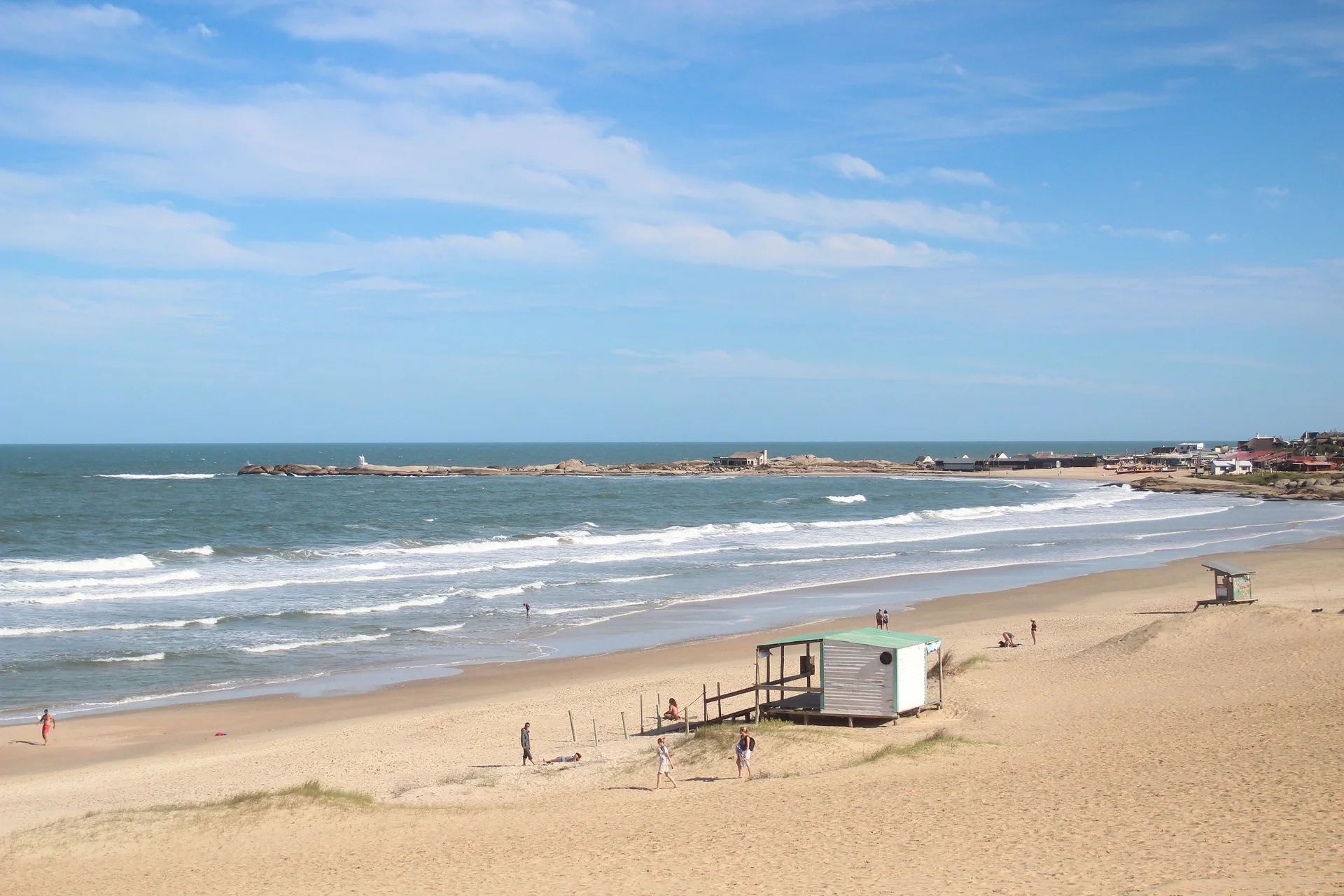
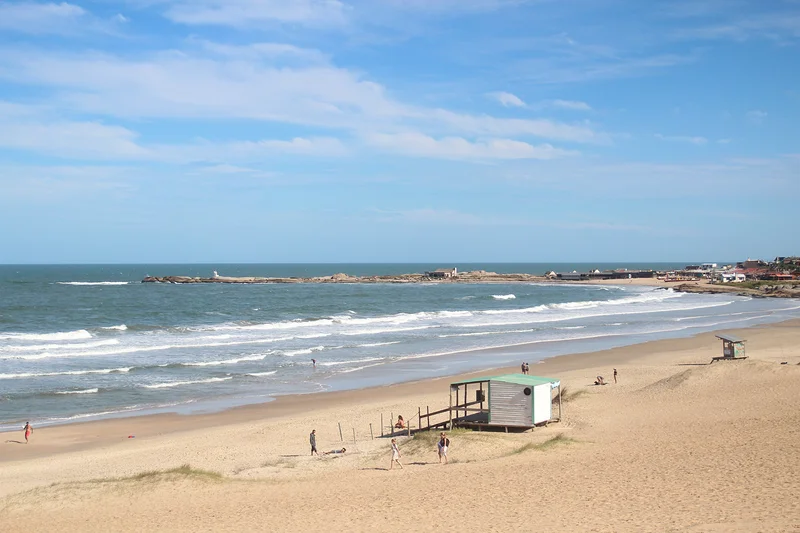
Head further east and the tone shifts completely. José Ignacio still feels like a fishing village despite the influx of celebrities and name-chef restaurants. Golden sand beaches, cool beach bars, and Atlantic sunsets that deliver every time. Surfers gravitate toward La Paloma or Punta del Diablo, a village of colorful wooden shacks where the main street is still unpaved dirt.
Cabo Polonio: Off the Grid for Real
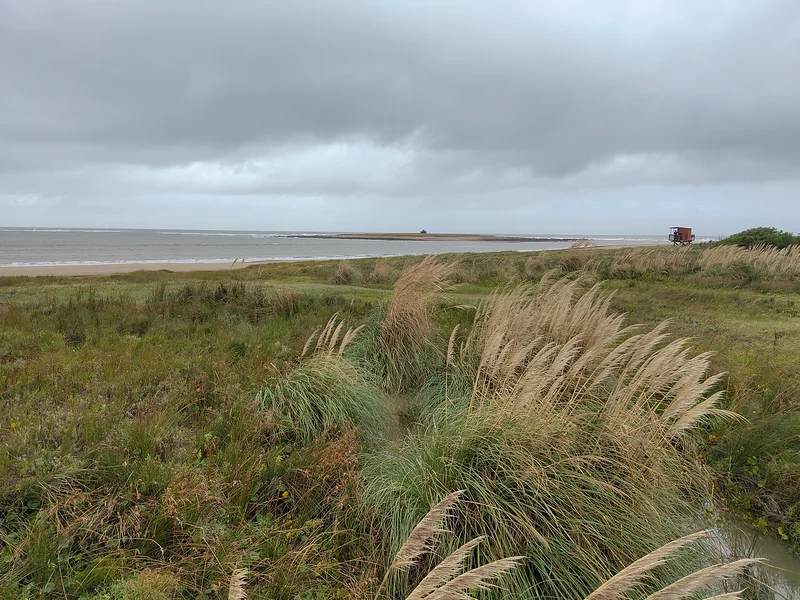
Cabo Polonio deserves its own chapter. This settlement of barely 95 permanent residents sits behind 7 km (4.3 miles) of sand dunes, reachable only by 4x4 truck or on foot. No electrical grid. No running water. No paved roads. Houses run on solar panels and small wind turbines. Candles light some of the darkest, starriest nights on the Uruguayan coast.
Thousands of sea lions haul out on the rocks below the lighthouse. The vibe is part hippie commune, part traditional fishing village. In summer, bonfires go late, hammocks sway in front of ramshackle cabins painted every color of the rainbow. This is not for everyone. If you need comfort, skip it. If you want a real digital detox, it's hard to find anywhere more committed to the concept.
Insider tip: Bring cash. There is no ATM in Cabo Polonio. The village's one small grocery store opens a few hours a day and operates counter-service style, where you ask for each item one at a time.
The Interior: Estancias and Gaucho Country
Uruguay's interior is cattle country. The country has 12 million head of cattle for 3.5 million people. Gauchos (South American cowboys) still work the land across the rolling hills of the Lavalleja department and the plains of Tacuarembó, keeping traditions alive that go back centuries.
A growing number of estancias (ranches) now take in guests. San Pedro de Timote, with 200 years of history, offers 31 rooms and three pools in a setting that's genuinely luxurious without feeling fussy. Estancia Los Plátanos is more rustic and intimate, with just three rooms and full immersion in daily gaucho life: cattle vaccination, sheep shearing, and long rides through groves of ancient palms that nobody can quite explain the origin of.
Evenings stretch out around the fire while the asado cooks low and slow for hours. Honey grappa closes the meal. You wake up when the lapwings start calling, not when your phone alarm goes off.
Wine Country Few People Know About
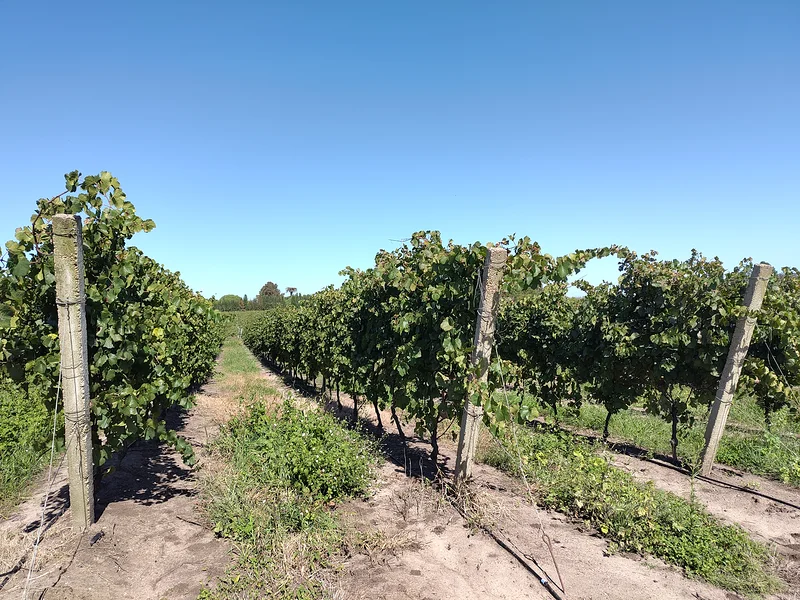
Uruguay's wine scene lives unfairly in the shadow of Argentina and Chile. The Tannat grape, originally from southwest France, has found a genuine second home here and thrives in the local climate. Most vineyards cluster around Carmelo, in the west, and in the hills near Montevideo.
The Carmelo region combines winery visits, tastings, and lodge stays right among the vines. Properties like Finca Narbona pair winemaking with farm-to-table cooking and comfortable rooms. Unlike the packed wine routes around Mendoza, you're often tasting small-production bottles with just a handful of other visitors.
For hikers, the Valle del Lunarejo in the north offers canyon scenery and subtropical forest that looks nothing like the rest of Uruguay, with wildlife that most visitors never know exists.
Eating in Uruguay: Meat, Fire, and Maté
Uruguayan food is not subtle, and it makes no apologies for that. Meat runs the show, and the asado is the main event. This is not a backyard cookout situation. Cuts of beef cook for two to three hours over wood embers (never charcoal). The tira de asado, beef ribs sliced lengthwise, melts apart when it's done right. Local chorizo, morcilla (blood sausage sweetened with orange zest), and chinchulines (grilled small intestines) round out a serious carnivore's spread.
The chivito sounds like it might involve goat (chivo means goat in Spanish), but there's not a trace of it. This is a towering sandwich: grilled beef tenderloin, ham, melted cheese, a fried egg, tomato, lettuce, and mayo stacked between two slices of bread. The chivito canadiense adds bacon and olives. It's a full meal in itself, which helps explain why Uruguayans rank among the world's top beef consumers per capita.
Maté is in a category of its own. This bitter herbal infusion is drunk from a hollowed gourd through a metal straw, refilled constantly from a thermos that goes everywhere. Uruguayans drink it walking down the street, at the office, on the beach. Turning down a maté someone offers you is roughly equivalent to refusing a handshake. The flavor is earthy and quite bitter. It doesn't win everyone over on the first sip, but it grows on you.
Best Time to Visit Uruguay
The Southern Hemisphere summer, December through March, is peak beach season. Temperatures run between 77°F and 86°F (25 to 30°C), sometimes higher. January brings the biggest crowds, mostly Argentine and Brazilian vacationers. Prices spike, and accommodations in Punta del Este and José Ignacio book up weeks in advance.
Spring (September through November) hits a sweet spot: the countryside is green and flowering, temperatures are mild, and rates are reasonable. Estancias are busy with sheep shearing and lambing season. Fall (March through May) suits anyone who wants the coast to themselves, with warm golden light and nearly empty beaches.
Winter (June through August) is mild but damp. Montevideo is still worth visiting. In the northwest, the hot springs of Salto and Paysandú make a lot more sense this time of year, with their natural thermal pools.
The Montevideo Carnival, the longest in the world at six weeks running from January into March, is worth planning around. The murgas, satirical performance troupes with Afro-Uruguayan percussion roots, are unlike anything you'll see anywhere else.
Getting to Uruguay
There are no nonstop flights from the US to Montevideo, though connections through São Paulo with LATAM, or through Buenos Aires, are the most common routing options. Total travel time typically runs 15 to 20 hours depending on your layover. Round-trip fares generally fall between 21,000 and 50,000 UYU (roughly $500 to $1,200 USD), with the best deals in the shoulder seasons around March and September.
A solid alternative: fly into Buenos Aires and cross the Río de la Plata by ferry. The company Buquebus runs Buenos Aires to Colonia in 1 hour, and Buenos Aires to Montevideo in 3 hours. Fares run roughly 1,260 to 5,250 UYU ($30 to $125 USD) depending on speed and season. This option lets you combine both capitals in one trip without backtracking.
US citizens traveling to Uruguay for tourism do not need a visa. A valid US passport is all you need for stays up to 90 days.
Getting Around Uruguay
Renting a car gives you the most flexibility in a country with excellent roads and light traffic. Budget around 2,100 to 2,940 UYU per day (about $50 to $70 USD) for a standard vehicle. Gas runs roughly 63 UYU per liter (about $1.50 USD). International rental agencies operate at Carrasco Airport in Montevideo. Driving is on the right, the road network is well-maintained, and the distances are manageable: Montevideo to Punta del Este is 270 km (168 miles), and Montevideo to Colonia is 180 km (112 miles).
The intercity bus network is reliable and cheap. Montevideo to Punta del Este costs around 250 UYU (about $6 USD). Montevideo to Colonia runs about 295 UYU ($7 USD). Companies like COT, COPSA, and Turil run comfortable coaches on the main routes. The URUBUS website lets you compare schedules and prices.
Cabo Polonio has no road access at all. 4x4 trucks known locally as "los camiones" haul passengers across the dunes from the national park entrance. Hanging on in the truck bed while the dunes roll past is part of the experience.
Domestic flights are rare and expensive in a country where everything is reachable by road in a few hours. Taxis and Uber both operate in Montevideo and Punta del Este at reasonable rates.