
Visiting Punta del Diablo: A village between dunes, waves, and simplicity
Perched on the Atlantic coast of Uruguay, just a few miles from the Santa Teresa National Park, Punta del Diablo has long drawn independent travelers, surfers, and nature enthusiasts. This lightly developed fishing village maintains an alternative, unpolished vibe that appeals to anyone tired of sterile resort towns.
Wild beaches and quiet surf
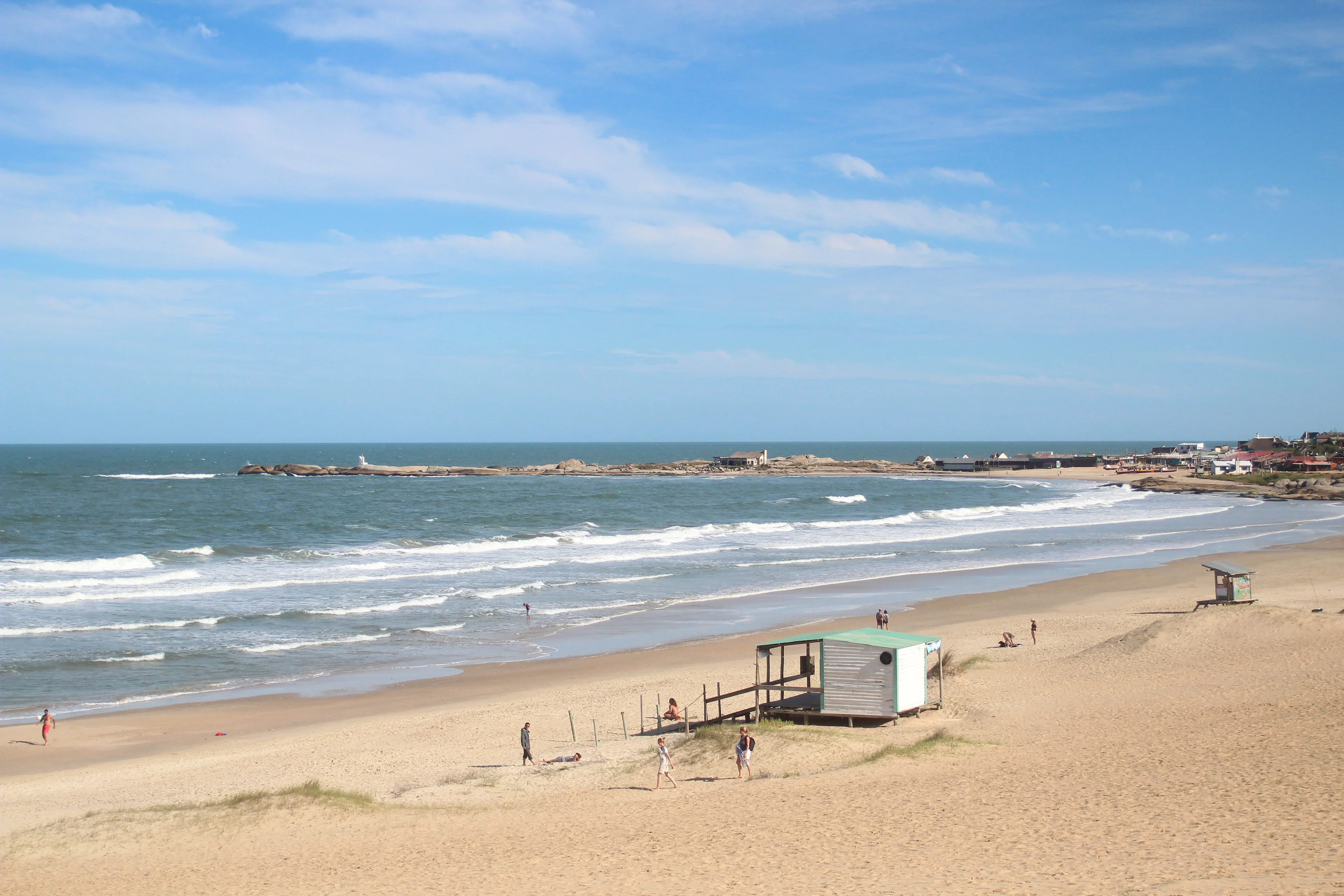
The town features several beaches, each with its own character. Playa de los Pescadores sits right in the center, bustling with activity and lined with colorful shacks. Playa del Rivero, to the east, is favored for its moderate waves, perfect for learning to surf. On the other side, Playa Grande draws travelers looking for solitude or wanting to walk all the way to the national park forest. The sand is fine, the waves are consistent, and the sunsets are remarkable.
An unpretentious atmosphere
Punta del Diablo is no open-air museum: the streets are often unpaved, the urban planning is completely spontaneous, and that is precisely where its charm lies. You will find painted wooden houses, local art galleries, and a lively social scene after dark. The peak season, running from Christmas through late February, also brings plenty of young Uruguayans and families looking for laid-back beach getaways.
Hiking and nature close at hand
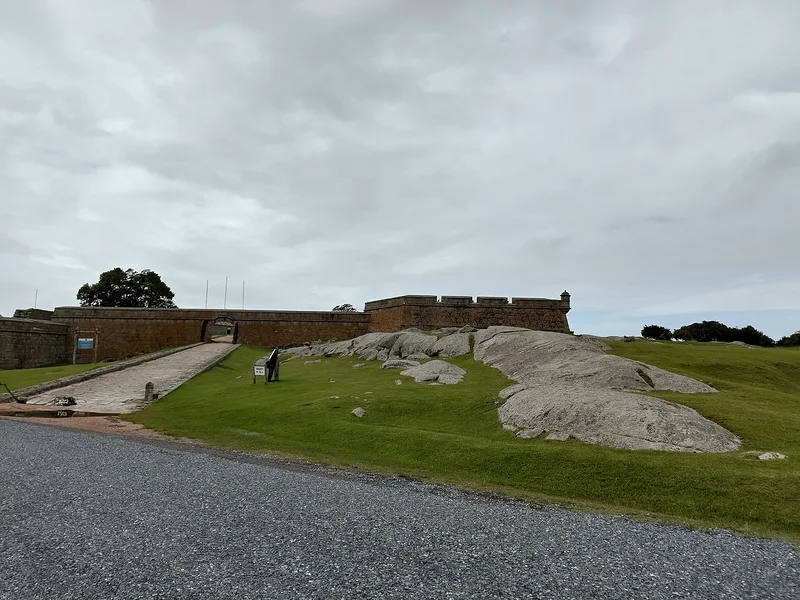
The Santa Teresa National Park, reachable on foot or by bike from the center, offers numerous marked trails winding through a forest planted in the 20th century. You might spot armadillos or capybaras along the way, tour the Santa Teresa fortress, and reach more secluded stretches of sand. Park entry is free, though motorized vehicles must pay an access fee.
Markets, crafts, and a slow pace
The small artisanal market in the village center opens in the late afternoon during the summer months. Stalls offer handmade jewelry, leather goods, and locally woven clothing. While it is not a high-end crafts hub, the atmosphere makes for a pleasant evening stroll. During the off-season, most businesses shut their doors, transforming Punta del Diablo into a semi-ghost town reserved for travelers seeking true solitude.
Coastal cuisine between sea and countryside
Dining in Punta del Diablo is simple yet hearty. pescados a la plancha (grilled fish) typically comes with roasted vegetables or rice. empanadas de frutos del mar (seafood empanadas) are also common and inexpensive. For drinks, cerveza artesanal (craft beer) is frequently brewed nearby, and mate remains a constant fixture in locals' thermoses.
Where to eat?
- Il Tano Cucina (center): Italo-Uruguayan cooking, homemade pasta, and seafood depending on the daily catch.
- Franca (center): A small family-run spot serving simple, well-executed grilled fish.
- La Gaviota (near Playa del Rivero): Good value, an ocean-view terrace, and local beers on tap.
Where to stay?
- El Diablo y el Mar (center): A charming family-run boutique hotel featuring balcony rooms and a warm welcome.
- Mar y Arte (center): A colorful, artistic guesthouse ideal for mid-budget travelers.
- Hostel de la Viuda (La Viuda neighborhood): A popular hostel with a pool, shared kitchen, and clean dorms geared toward backpackers.
When to go?
- Mid-December through February marks the peak season, bringing heavy crowds but ideal weather.
- November or March offers the best compromise between mild weather and smaller crowds.
- The southern winter brings a quiet, sometimes deserted village atmosphere.
How to get there?
From Montevideo, several bus lines including COT and Rutas del Sol connect to Punta del Diablo in 5 to 6 hours for about $17*. From Chuy on the Brazilian border, the trip takes about 1 hour and 30 minutes. Roads are in good condition but lack street lighting at night.
How to get around?
The village is entirely walkable. A bicycle is enough to reach the Santa Teresa park or outlying beaches. A car is only necessary if you plan to explore the broader coast.
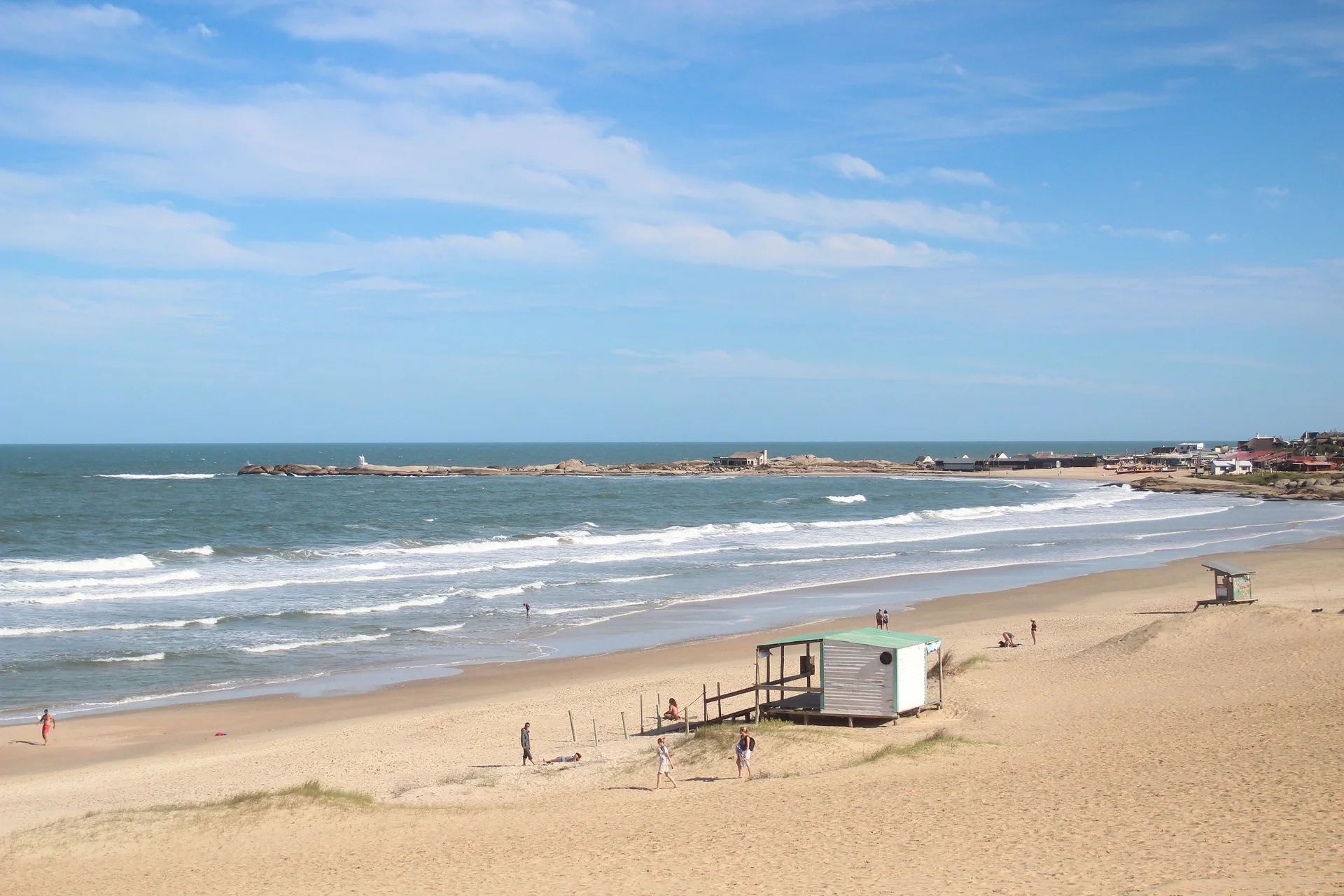
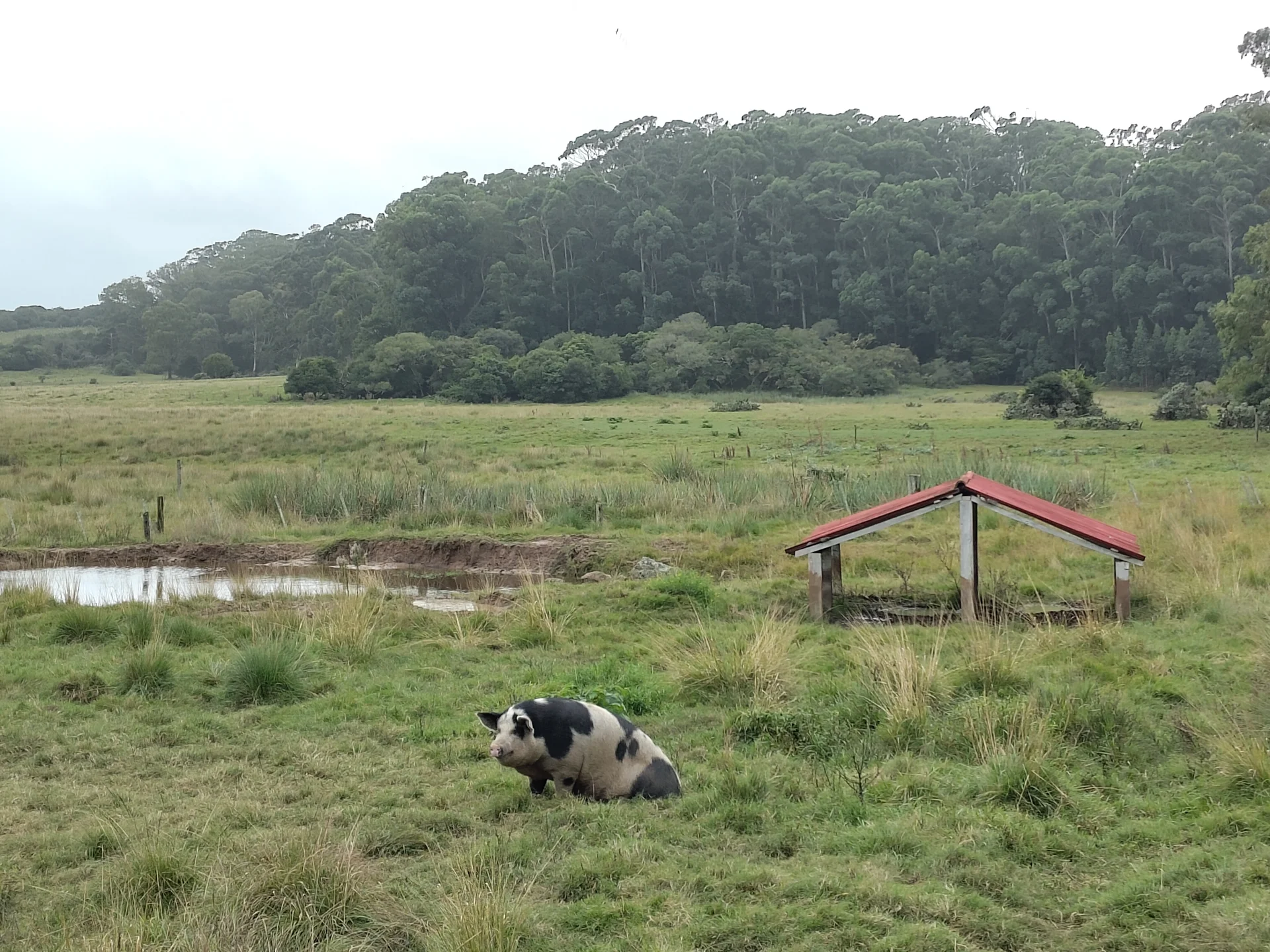
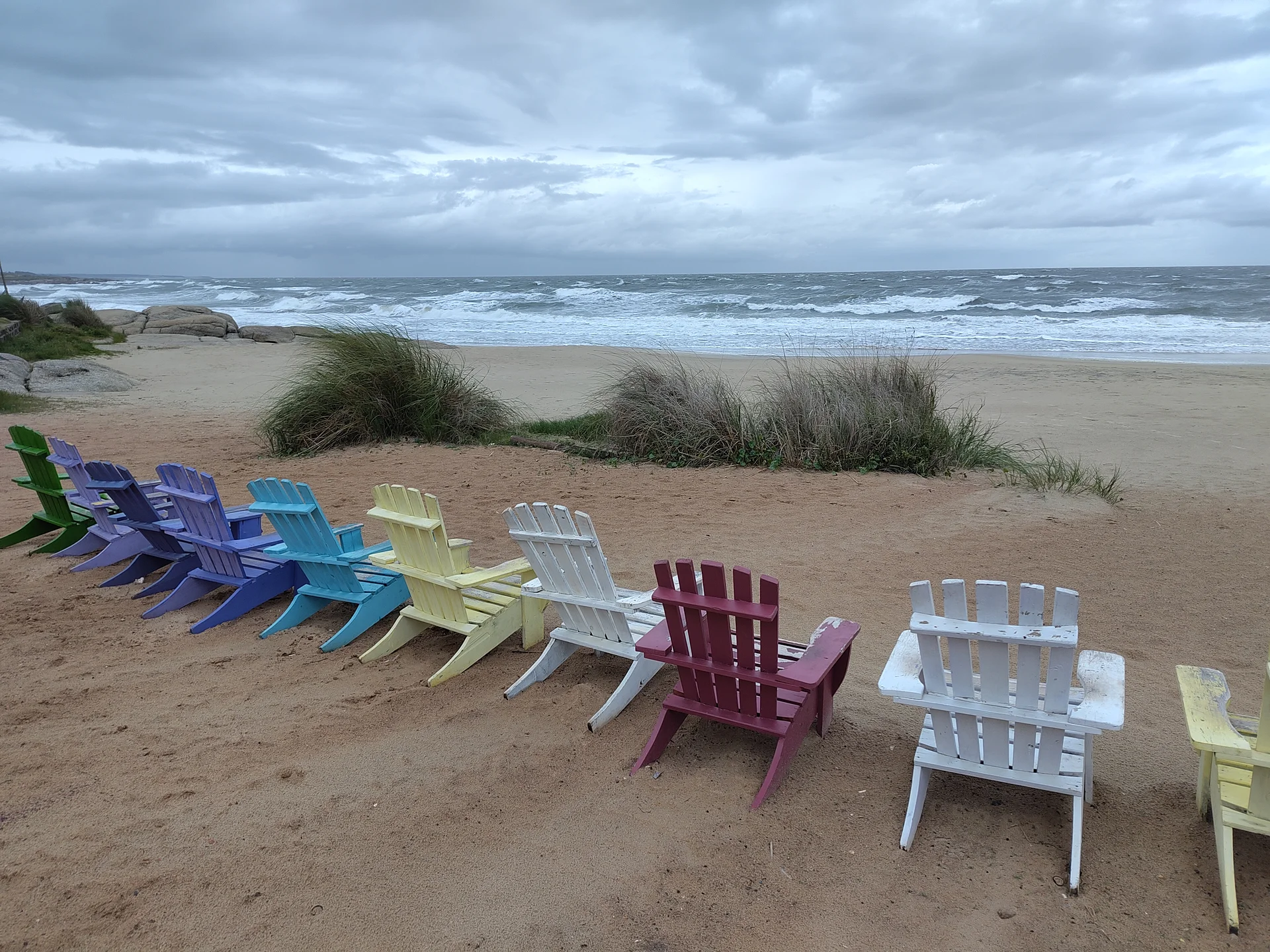
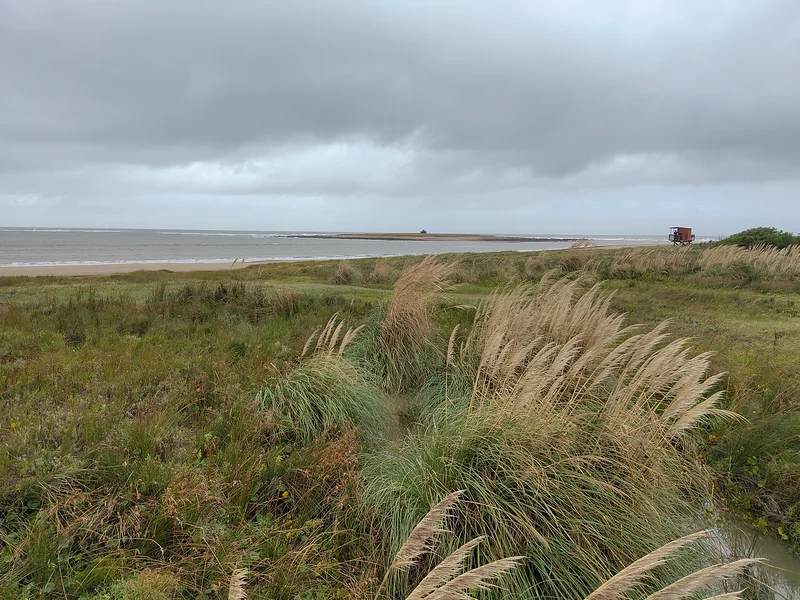
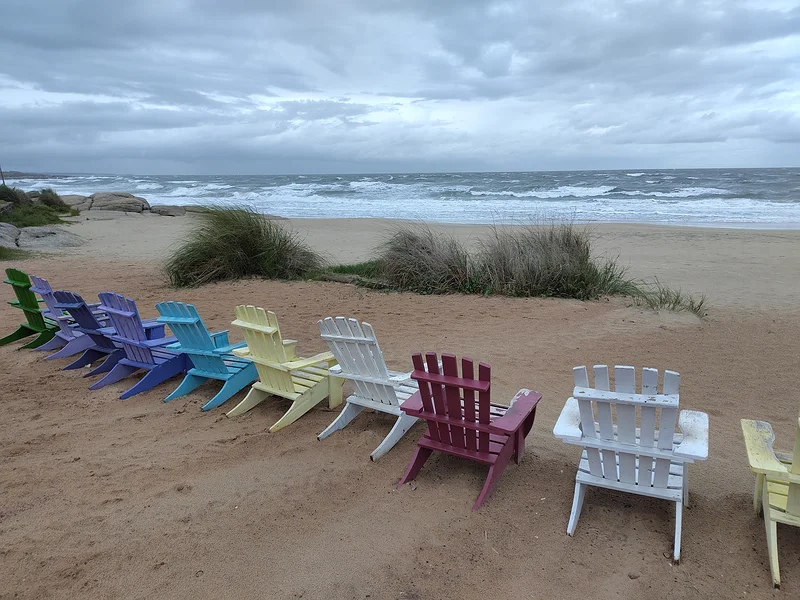
I loved walking on the deserted beaches that stretch on forever, with the wind whistling and the thundering waves in my ears. It was freezing cold in early April, with stinging rain showers that paralyze the whole village in the off-season. You are at the edge of the little Uruguayan world!