
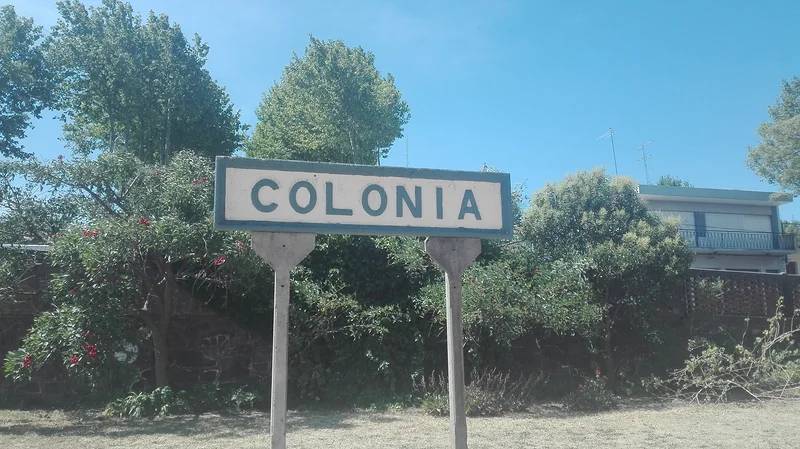
Visiting Colonia del Sacramento, a town frozen in time
Just across the Buenos Aires skyline over the wide expanse of the Rio de la Plata, Colonia del Sacramento stands as one of the oldest settlements in Uruguay. This former Portuguese colonial outpost preserves a quiet, exceptionally photogenic historic core. Rather than trying to compete with South America's sprawling metropolises, it pulls in travelers looking to downshift and experience a different side of the continent.
A UNESCO-listed historic district
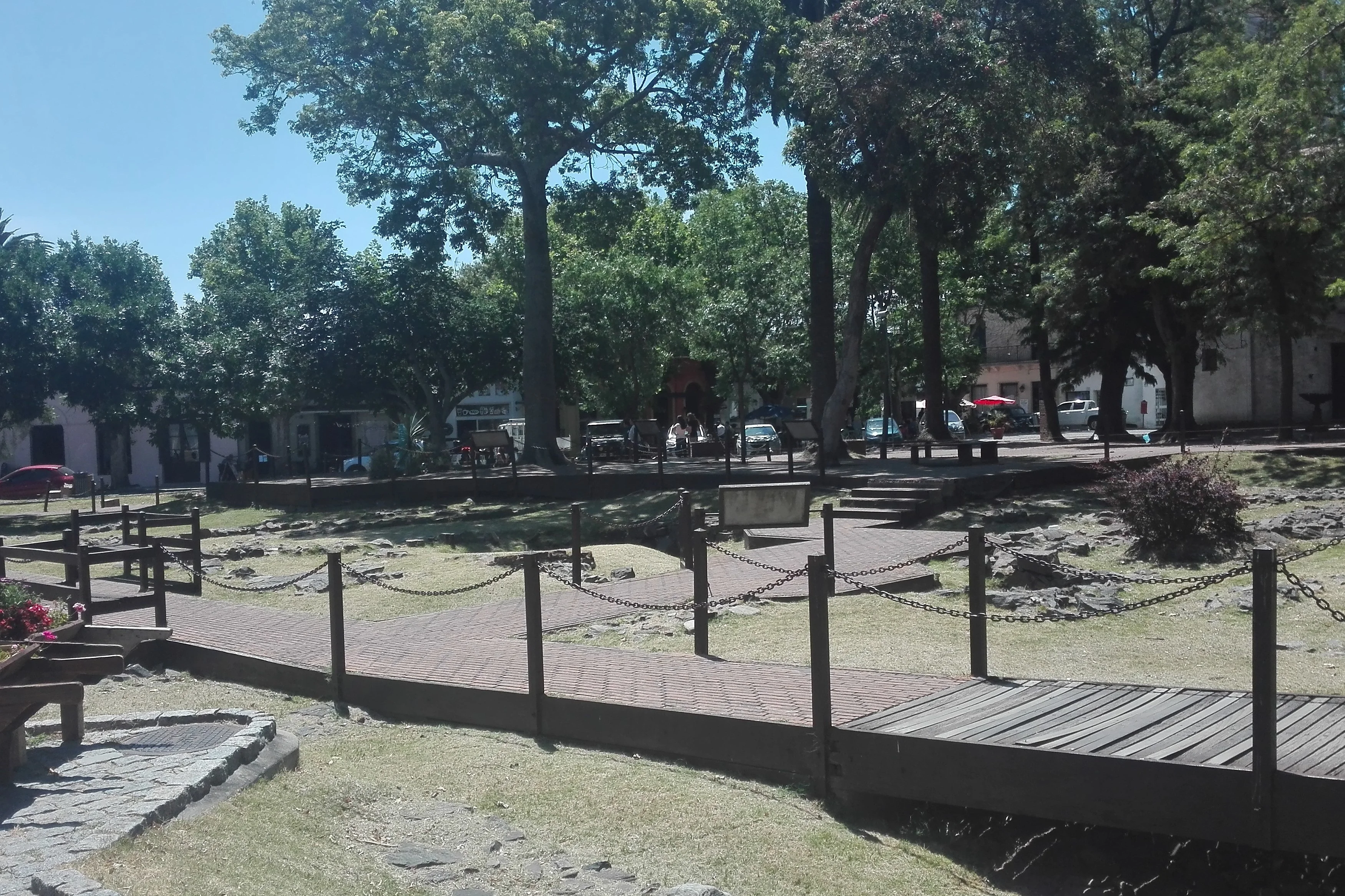
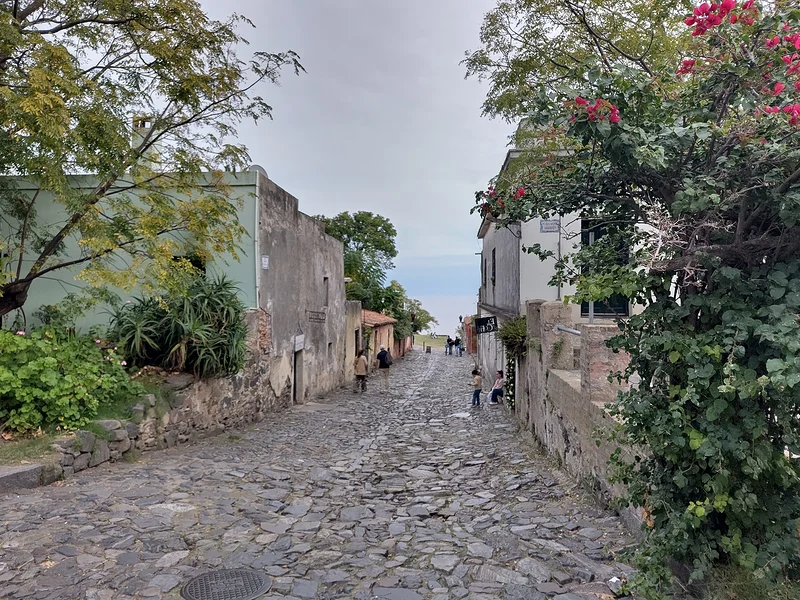
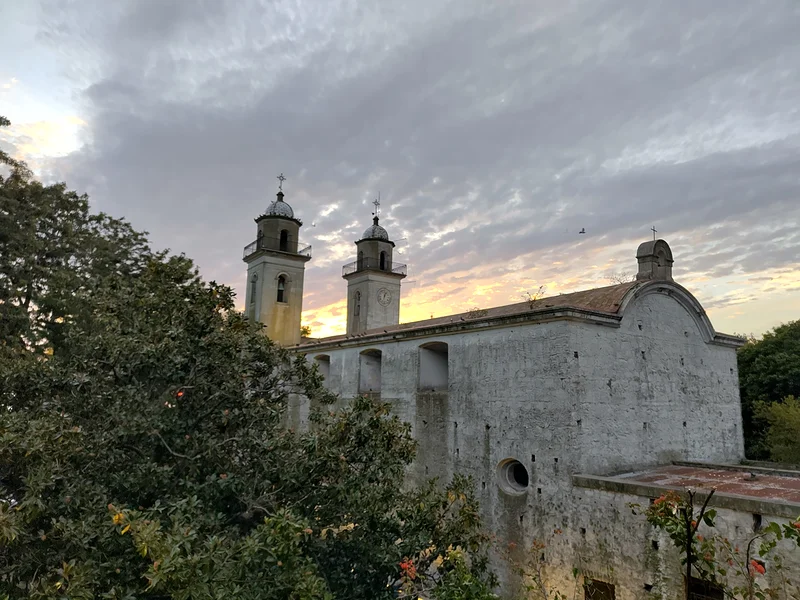
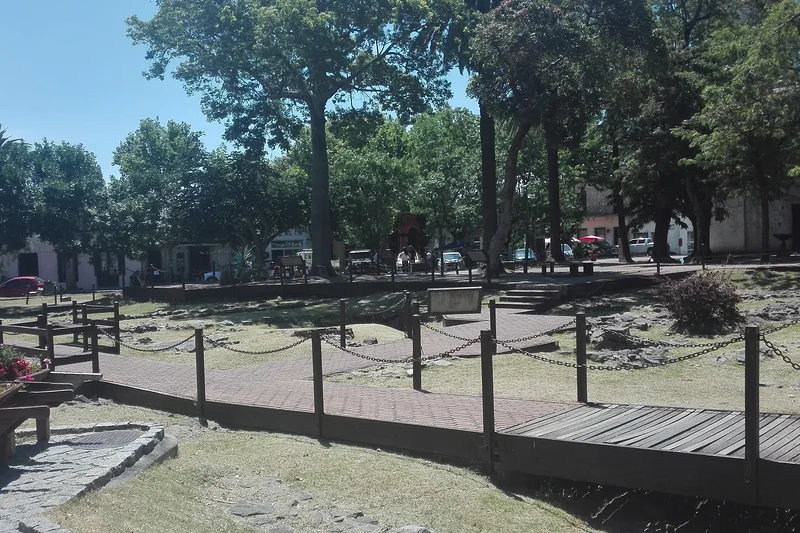
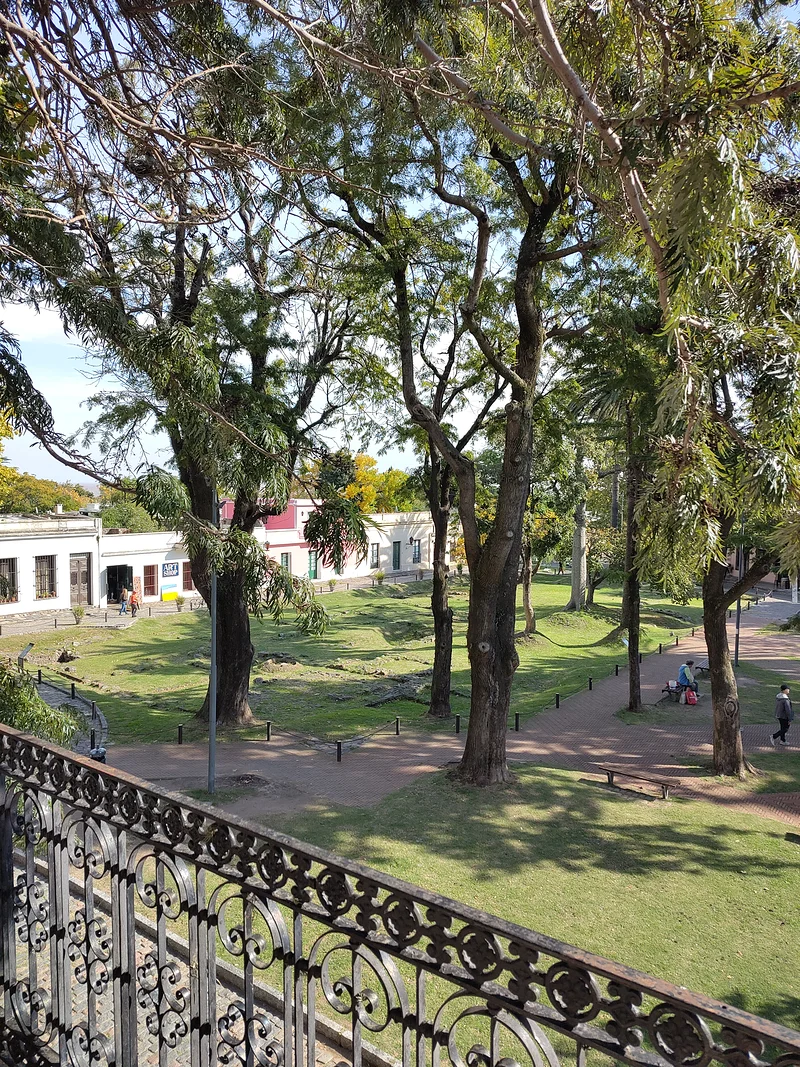
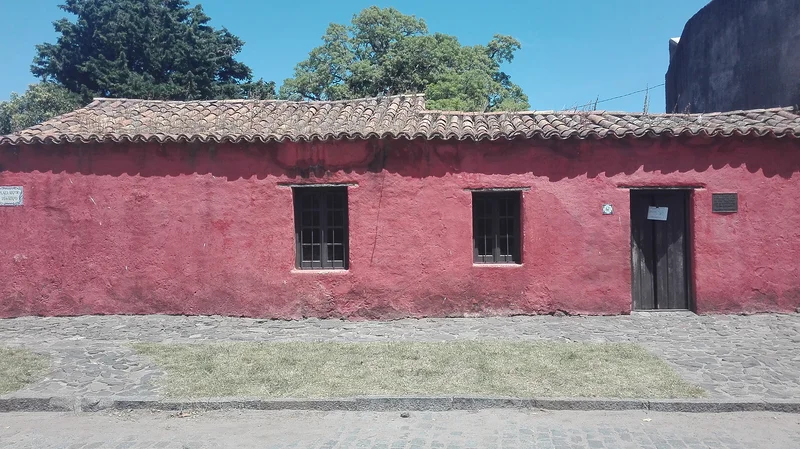
The main draw of Colonia is its Barrio Histórico, protected as a UNESCO World Heritage site. Uneven cobblestones, weathered pastel walls, and wrought-iron streetlamps make the whole area feel like a living film set. You can spend hours wandering the narrow lanes on foot, turning down the famous Calle de los Suspiros (Street of Sighs), or checking out the remnants of the old Portuguese fortification.
Modest local museums
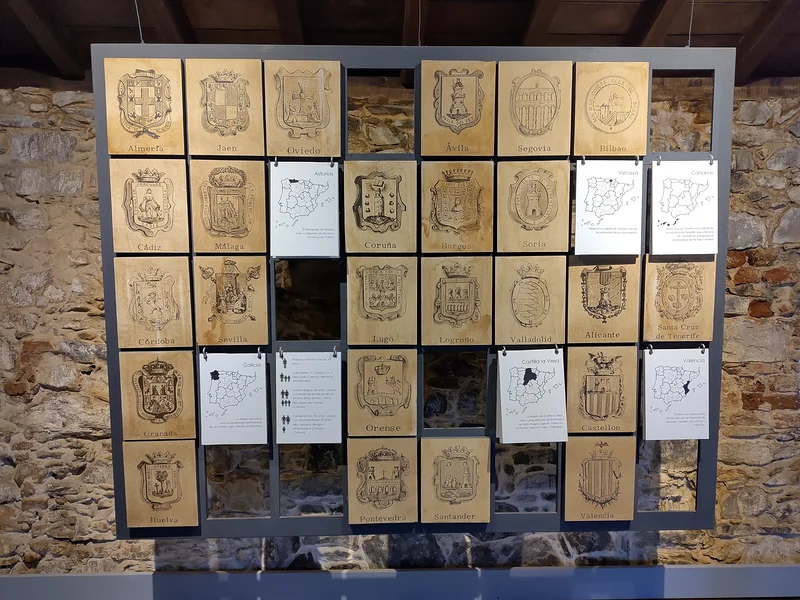
The historic quarter houses several small museums, usually accessible with a single combined ticket. The Municipal Museum, the Portuguese Museum, and the Spanish Museum offer a quiet, straightforward look at the area's back-and-forth colonial past between the Spanish and Portuguese. Keep in mind that hours can be limited in the off-season, so check with the tourist office right by the Plaza Mayor before you go.
A relaxing waterfront
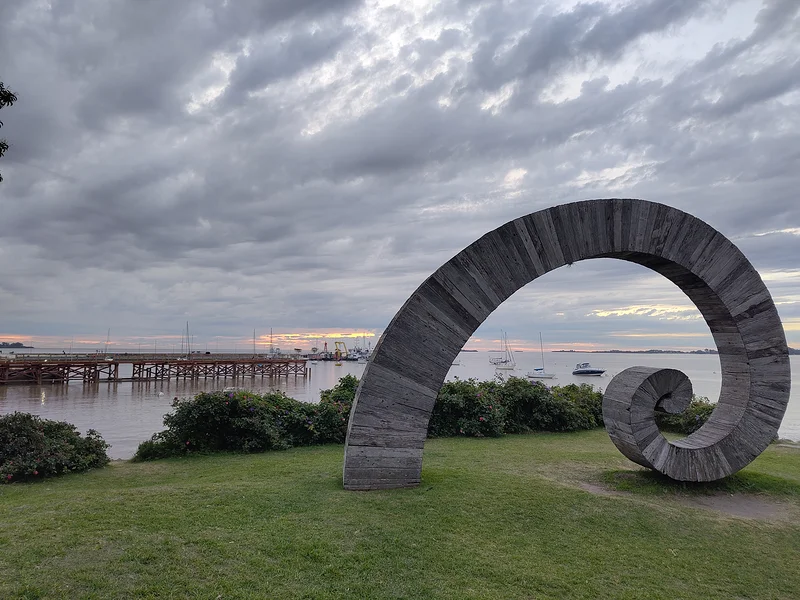
The riverfront makes for easy strolling, especially right before sundown. The Puerto de Yates marina is a quiet spot to watch the light change over the water. A bit further north, Playa Ferrando draws swimmers during the warmer months, though the Rio de la Plata water tends to run on the murky side. The slow pace of the shoreline and the broad open skies are often reason enough to make the stop.
An easy escape from Buenos Aires
Colonia is a favorite quick trip for travelers based in Argentina looking to get away for a day or a weekend. The ferry crossing takes about an hour, dropping you far from the city noise. It also works well as a stepping stone if you are heading east toward Montevideo or the Atlantic coast, serving as a peaceful entry point to the country.
Simple, hearty flavors from grilled meats to colonial sweets
Food in Colonia revolves around grilled meats (asado) served up with chimichurri or simple roasted vegetables. You will also see chivitos on every menu, a stacked local sandwich loaded with beef, cheese, ham, and egg. For dessert, dulce de leche shows up in just about every bakery. To drink, order a mate to sip on a park bench or pour yourself a glass of local, full-bodied Tannat wine.
Where to eat?
- El Buen Suspiro (Barrio Histórico): A rustic cellar pouring local wines and craft cheeses alongside cured regional meats.
- Mesón de la Plaza (downtown): Traditional Uruguayan comfort food served inside a lovingly restored colonial home.
- Charco Bistro (riverfront): A slightly upscale spot right on the Rio de la Plata with a thoughtful menu and water views.
When to go?
The shoulder seasons of March to April and October to November bring pleasant daytime temperatures and thinner crowds. Summer runs from December to February, bringing heat, heavy crowds, and a livelier social scene. Autumn brings particularly dramatic sunsets out over the river.
How to get there?
From Buenos Aires, several ferry operators run daily crossings taking 1 hour to 1.5 hours, starting around $45* one-way. If you are coming from Montevideo, plan on about 2.5 hours by car or bus (roughly $12-$17*) to reach Colonia.
How to get around?
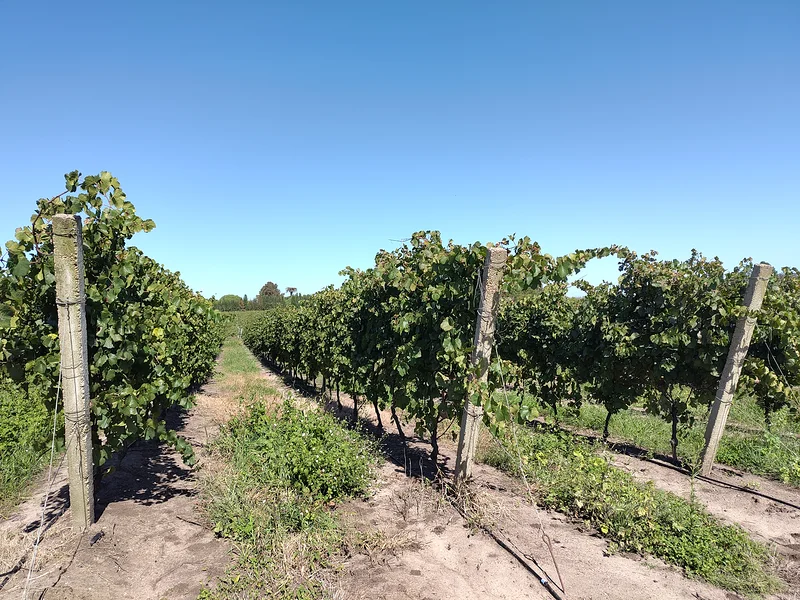
The historic center is compact enough to explore entirely on foot. If you want to head out toward the local beaches or nearby wineries, renting a bicycle or a scooter is your best bet.
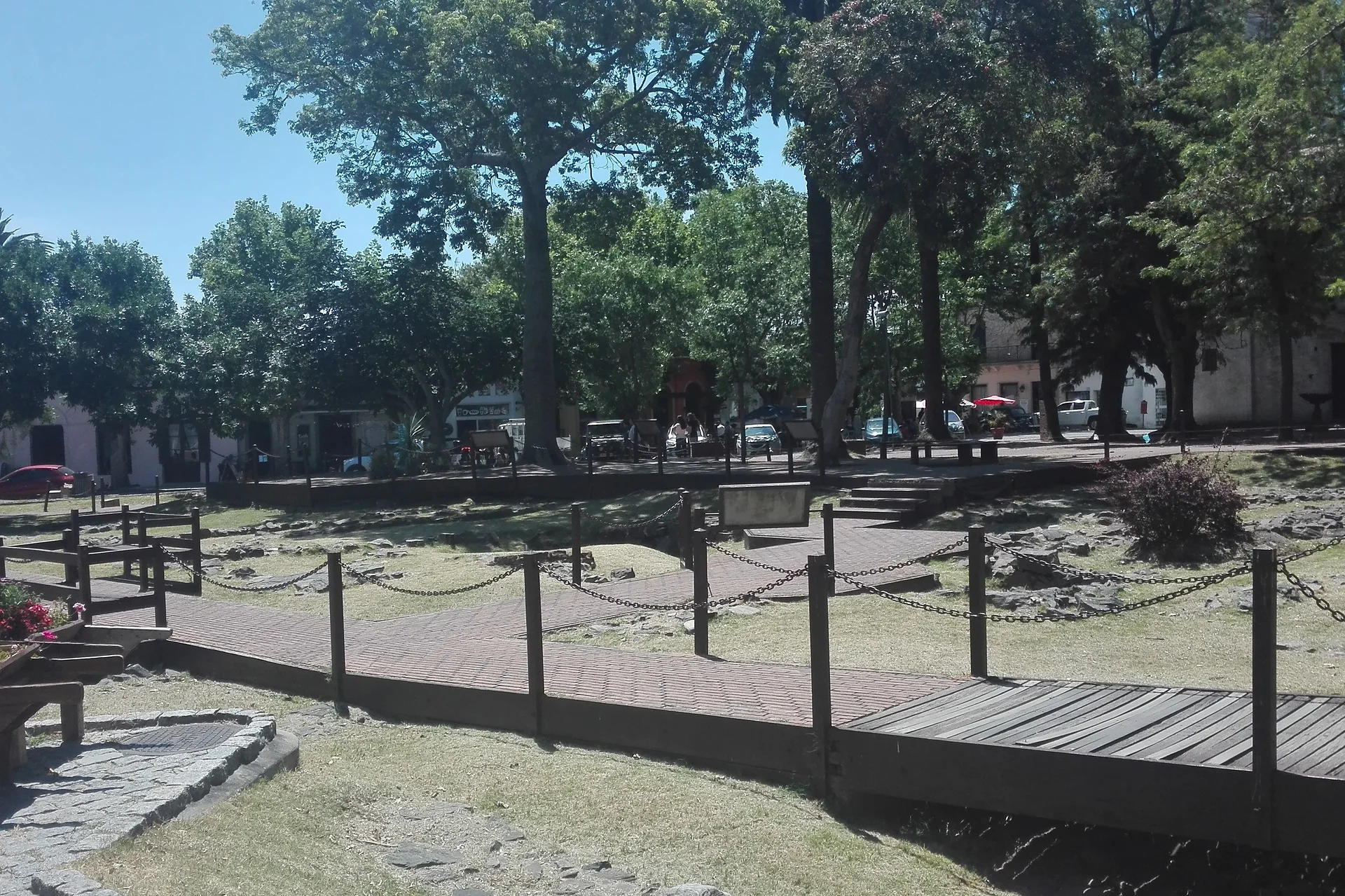
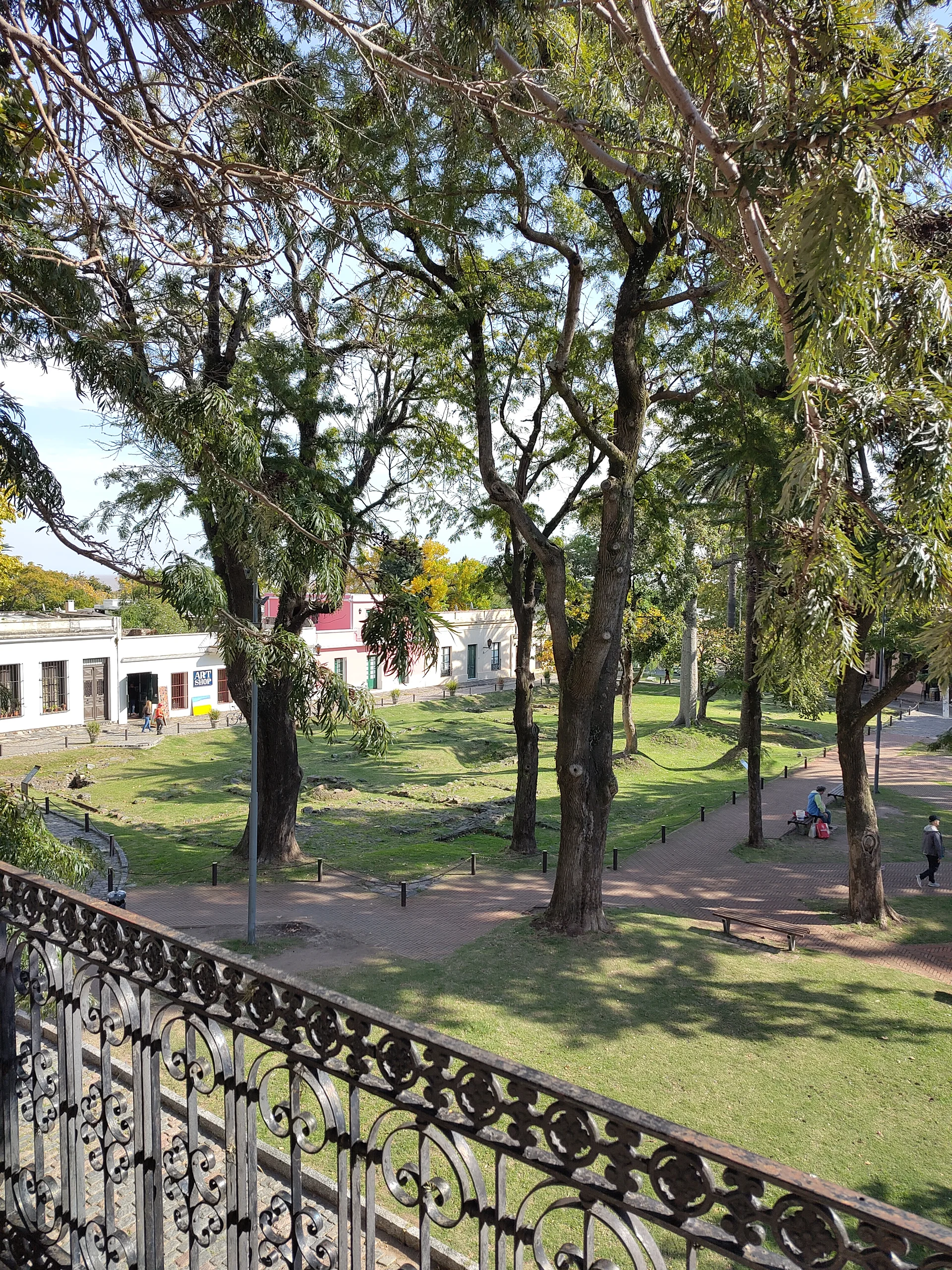
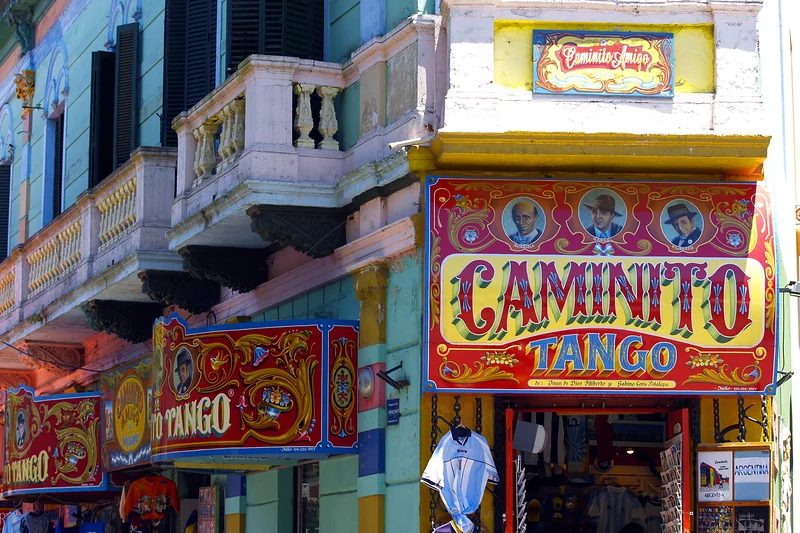
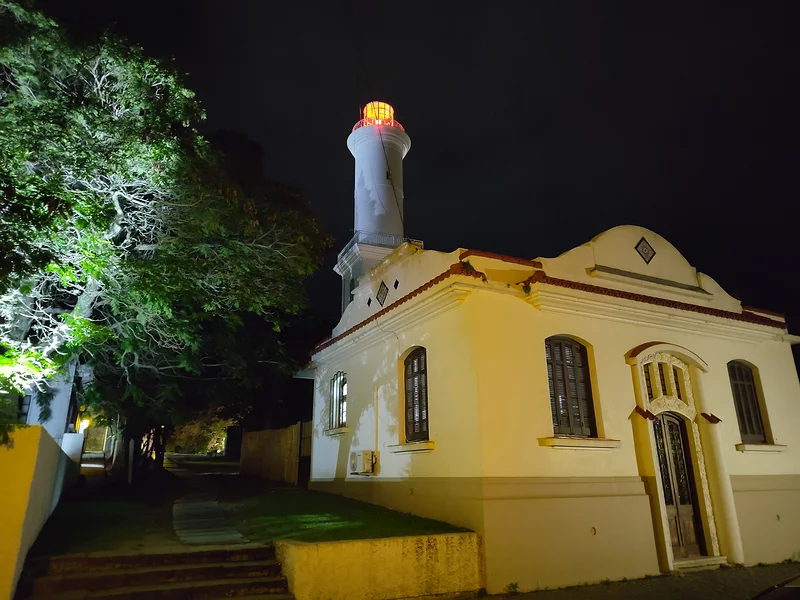
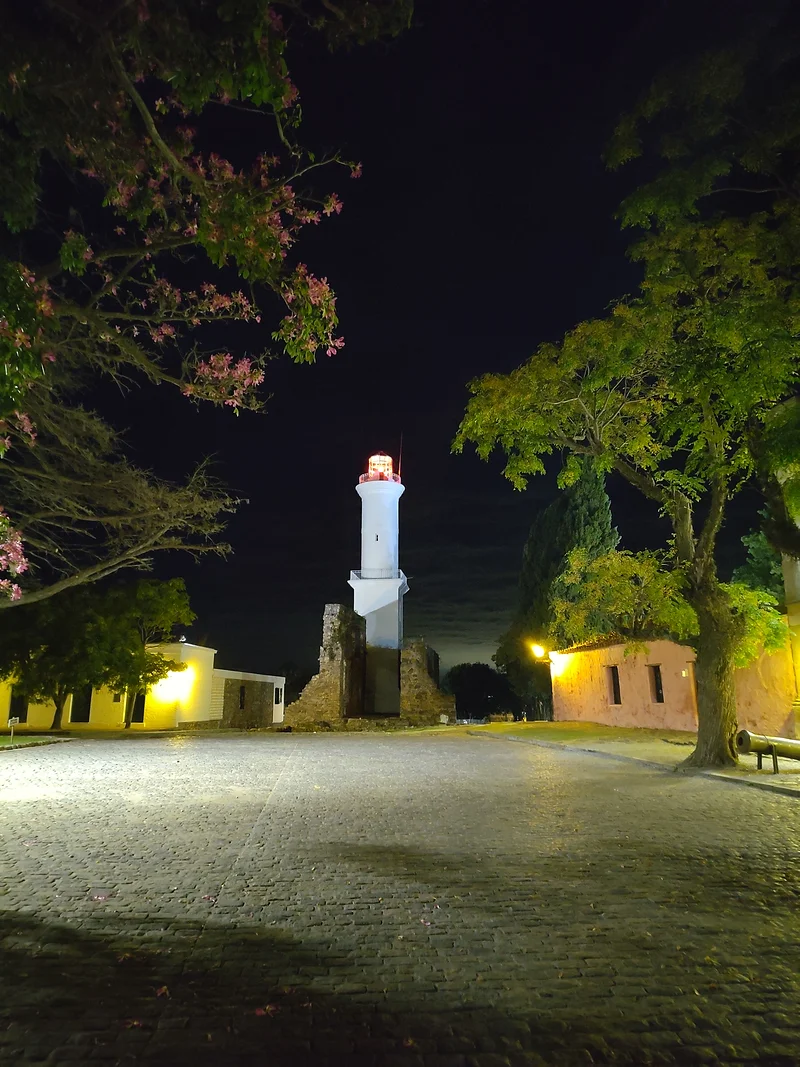
A superb colonial town that is nice and quiet, with its small cobblestone streets, colorful houses, pretty lighthouse right in the center, wall ruins, and banks overlooking the Río de la Plata. In the distance, there are islands. Even further out, you can make out the skyscrapers of Buenos Aires.