Visiting Canada: Glaciers, Metropolises, and Mind-Bending Scale
Ten million square kilometers. The scale alone is dizzying. Canada stretches across six time zones, which makes any attempt at a whistle-stop cross-country tour in two weeks entirely impossible. This is a country where distances are measured in driving hours, where certain lakes are the size of Rhode Island, and where raw wilderness sets the rules. From sleek, cosmopolitan cities to virtually untouched Arctic frontiers, the country plays on two completely different stages.
Canada: Who is it for exactly?
This trip suits lovers of big skies and wide-open spaces who do not mind logging serious hours behind the wheel. If you are chasing tropical beaches or a dense, walkable European cultural itinerary, look elsewhere. Canada appeals to hikers, landscape photographers, road trip fans, and anyone dreaming of spotting a grizzly or a moose in the wild. For US travelers, logistics are seamless: no language barrier, no currency confusion beyond the exchange rate, and a familiar North American travel rhythm.
On the practical side, the infrastructure is top-notch. Well-maintained highways, efficient city transit systems, and lodging for every budget. Be prepared for steep domestic airfares, however, and keep in mind that remote regions stay isolated. The climate shifts dramatically depending on the season and region. Fall foliage puts on a legendary show, but winters routinely bring brutal subzero temperatures.
Heads Up: A Serious Investment
Canada ranks as one of North America's pricier destinations. Budget around 100 to 200 Canadian dollars per day ($71-$141*) for a moderate travel style. Accommodation ranges from 35-60 CAD ($25-$43*) for a campsite, 100-200 CAD ($71-$141*) for a hostel bed or Airbnb, and 200-300 CAD ($141-$220*) for a standard hotel. A casual restaurant meal runs 20-30 CAD ($15-$22*), though cooking your own food cuts that bill down fast. National parks charge admission fees, and renting a car remains non-negotiable for exploring the backcountry.
The Canadian Rockies: Extreme Landscapes in High Definition
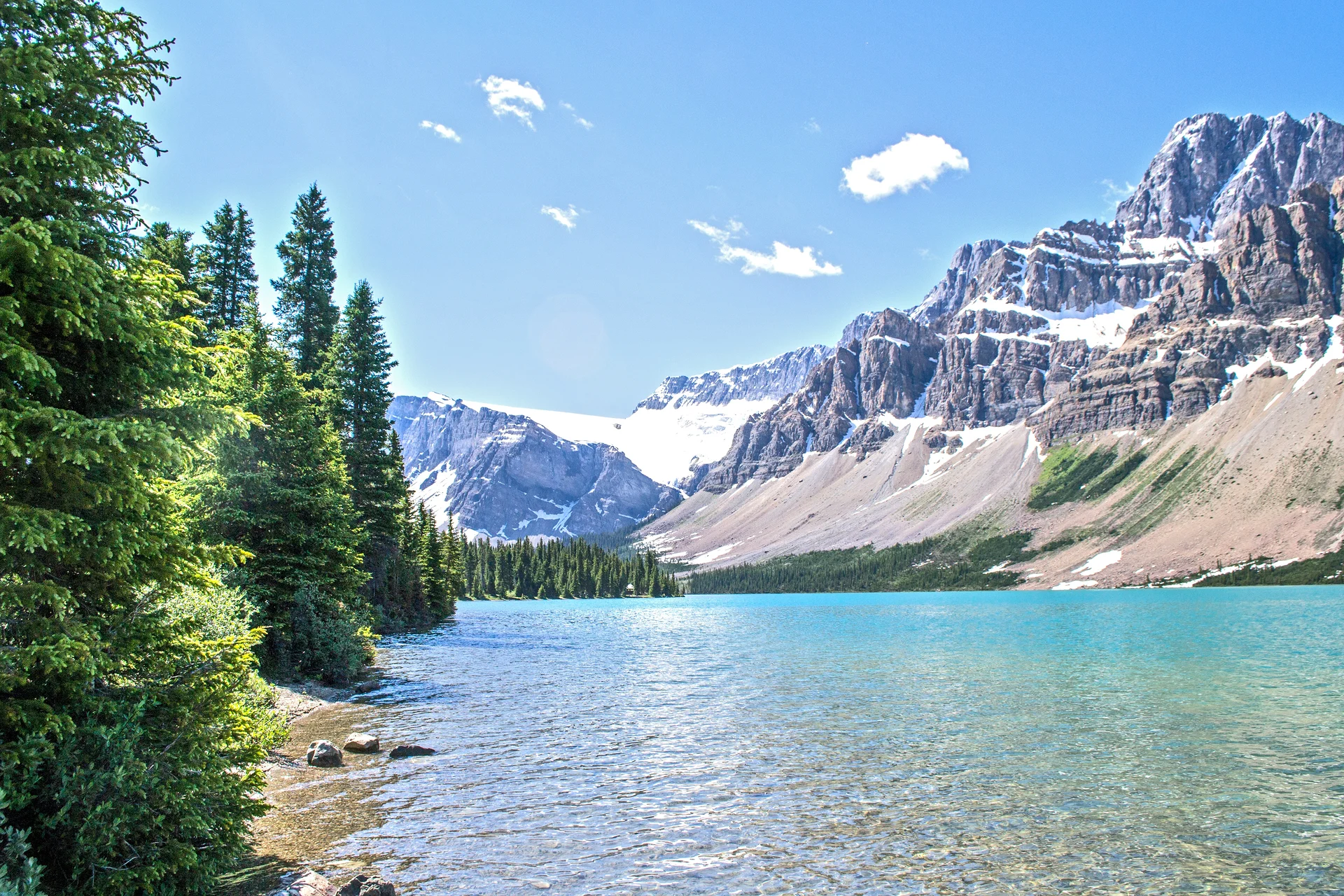
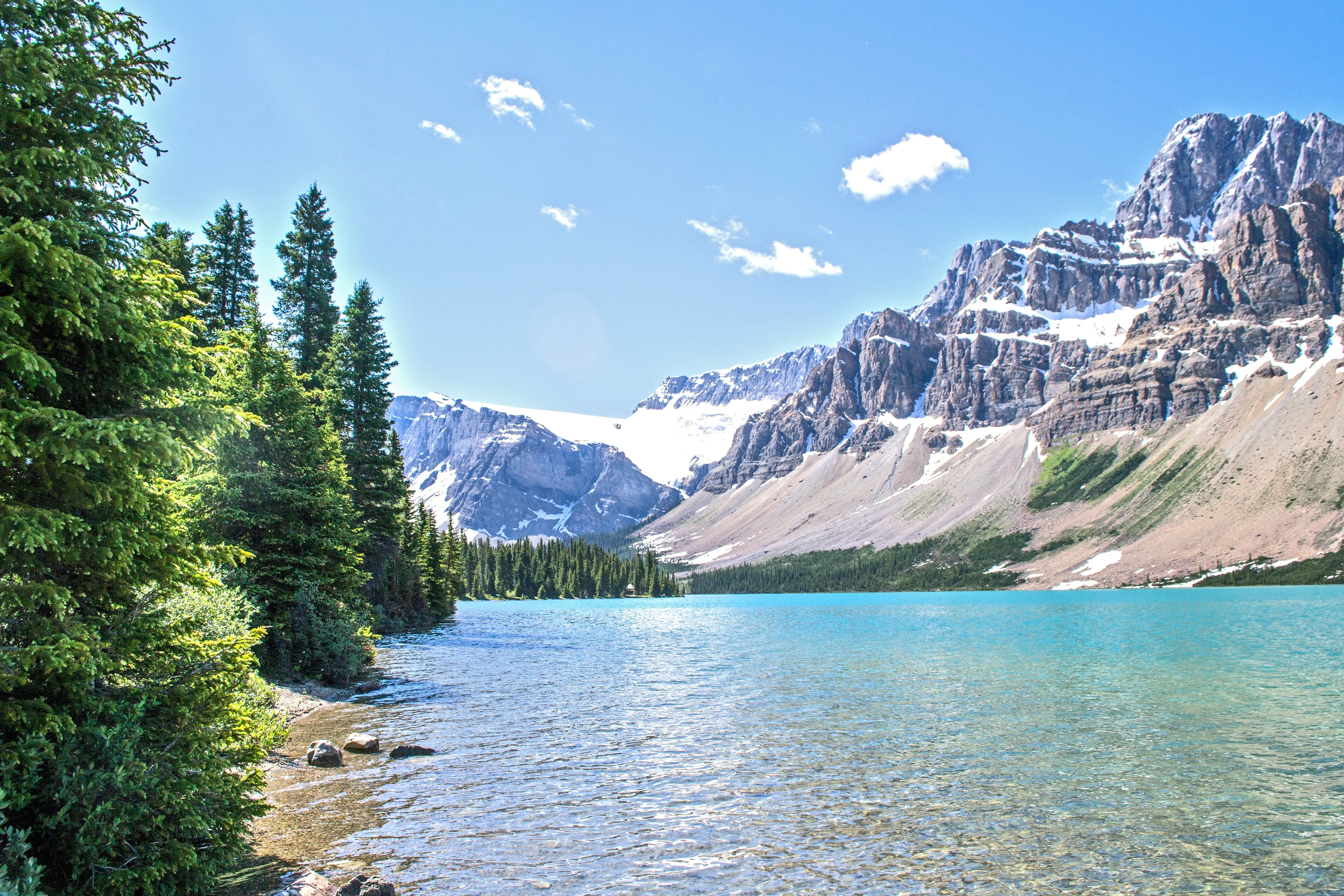
Let us start with the obvious hits: Banff and its neon-turquoise lakes draw major crowds. Lake Louise and Moraine Lake fill up their parking lots before dawn during peak season. You will want to book shuttle buses or parking well in advance, or roll in before 6:00 AM. These spots earn every bit of their reputation, but the sheer volume of visitors can test your patience.
The fix? Head north into Jasper National Park, which feels wilder and less congested while remaining just as dramatic. Maligne Lake and its tree-studded islets are well worth the drive. Connecting Banff and Jasper, the Icefields Parkway runs 232 kilometers of high-altitude alpine highway. Every single curve drops you in front of a glacier, a roaring waterfall, or a jagged snow-capped peak. Give yourself a full day, maybe two, to handle photo stops and short hikes. The Athabasca Glacier even lets you strap on crampons and walk right out onto the ice with a guide.
Friendly tip: Yoho National Park, sitting right next to Banff across the continental divide, flies under most travelers' radar. Emerald Lake serves up mirror-like mountain reflections with a fraction of the foot traffic.
Western Canada Beyond the Rockies
Vancouver pairs a gleaming urban skyline with immediate access to the outdoors. Stanley Park lets you pedal seawall paths with mountain views, Granville Island is packed with food stalls, and Kitsilano Beach fills up the second the sun breaks. The city serves as the primary jump-off point for Vancouver Island and its temperate rainforests. Tofino, sitting on the island's wild western edge, draws surfers and storm-watchers alike.
Farther north, the Yukon serves up stark wilderness and prime aurora viewing between September and March. Dawson City, a preserved relic of the Klondike Gold Rush, holds onto its historic boardwalks and frontier saloons. You can drive up via the Alaska Highway, but the distances are no joke: figure on a 20-hour drive from Vancouver just to reach the territory's southern gateway.
Eastern Canada: Historic Francophone Cities and Monumental Falls
Montreal fuses European stone architecture with North American energy. Old Montreal charms visitors with cobblestone streets and 18th-century facades. The city hums through summer festival season, from the International Jazz Festival to massive comedy lineups. Quebec City, more compact and restrained, feels like a piece of provincial France dropped onto the St. Lawrence River. Its stone ramparts are the only fortified city walls left north of Mexico, encircling a UNESCO-listed old town where the landmark Château Frontenac looms over the cliffs.
Toronto leans hard into its identity as a multicultural powerhouse. You get high-rise density, world-class museums, and distinct ethnic neighborhoods rolling back-to-back. The CN Tower offers a dizzying view from the observation deck, but Kensington Market and the Distillery District capture more of the city's actual grit and character. Just 90 minutes away, Niagara Falls unleashes thousands of cubic meters of water per second with a roar you can feel in your chest. Tour boats plow right into the mist at the base of the horseshoe, soaking everyone on deck.
Friendly tip: The Gaspé Peninsula in eastern Quebec remains largely overlooked by international visitors. Forillon National Park features dramatic coastal hiking trails, and the offshore Percé Rock makes for world-class photography at high tide.
The Northern Territories: The Ultimate Frontier
Nunavut and the Northwest Territories call to self-reliant adventurers hunting total isolation. Travelers head north here to track polar bears, kayak among sea ice, or sleep beneath intense winter displays of the northern lights. Iqaluit, the capital of Nunavut, is accessible only by air from southern hubs like Ottawa or Montreal, with one-way flights regularly running 1000-1500 CAD ($710-$1,060*).
These regions demand serious preparation. Infrastructure is sparse, winter air temperatures plummet, and the warm season is fleeting. The payoff is absolute: walking across untouched tundra, spotting migrating caribou, or visiting remote northern communities. Auyuittuq National Park protects deep glacial fjords that easily rival anything found in Scandinavia or Alaska.
Wildlife: Where to Spot Bears, Whales, and Elk
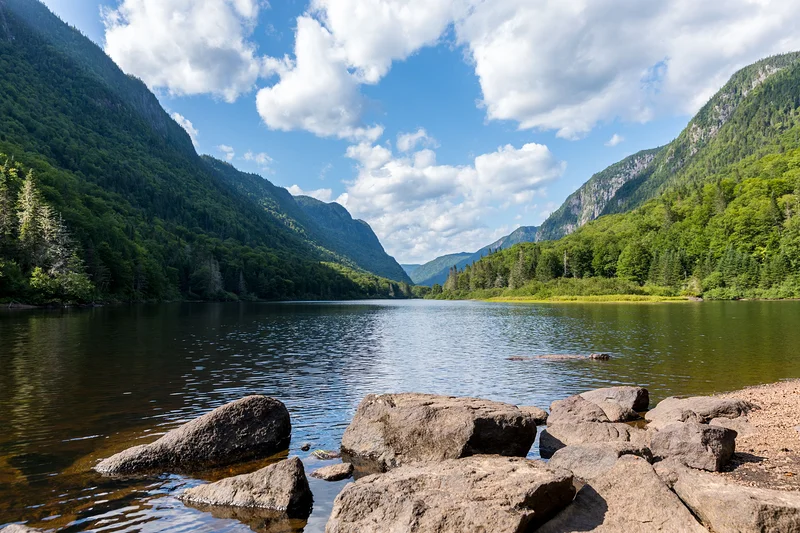
Canada supports massive wildlife populations, though sightings always require a mix of luck and caution. In the mountain parks, grizzlies and black bears emerge during spring and summer. Keep your bear spray handy, know how to use it, and make noise on wooded trails. Elk and moose show up more frequently in Quebec and British Columbia, often grazing near lakes at dawn.
For whale watching, set your sights on Tadoussac along the St. Lawrence estuary between June and October, where belugas, minkes, and massive blue whales feed in the deep channel. On the Pacific Coast, operators out of Tofino and Telegraph Cove put you on the water to spot pods of orcas and gray whales. Excursion rates generally hover around 100-150 CAD ($71-$106*) per person.
Canadian Comfort Food: Hearty and Generous
Canadian cooking embraces rich, comforting fuel. Poutine, the Quebecois staple, piles french fries and fresh cheese curds under a heavy ladle of hot gravy. It is simple, indulgent, and hits the spot after a day on ski slopes. Modern kitchens riff on the original with pulled pork, duck confit, or bison brisket. On the sweet side, maple syrup reigns supreme. Canada accounts for the vast majority of global production, mostly centered in Quebec. You will find it drizzled over pancakes, worked into glazes, or baked into traditional desserts like pouding chômeur.
Coastal regions deliver exceptional seafood. Think wild Atlantic lobster in Nova Scotia, Pacific salmon in British Columbia, and fresh-shucked oysters on Prince Edward Island. Montreal bagels, boiled in honey-sweetened water before baking in wood-fired ovens, spark a perpetual rivalry with New York styles. Denser and sweeter, the Montreal version has a fiercely loyal following. Tourtière, a spiced minced-meat pie from Quebec, warms up deep winter evenings. Across the country, an explosion of craft beer means independent microbreweries anchor almost every neighborhood and small town.
When to Visit Canada?
Your timing depends entirely on your travel goals. Summer (June through September) guarantees warm weather and full access to every national park trail. It is also peak season, meaning heavy crowds, inflated lodging rates, and mandatory advance reservations. Temperatures hover comfortably in the 70s and 80s Fahrenheit across most regions, ideal for long day hikes.
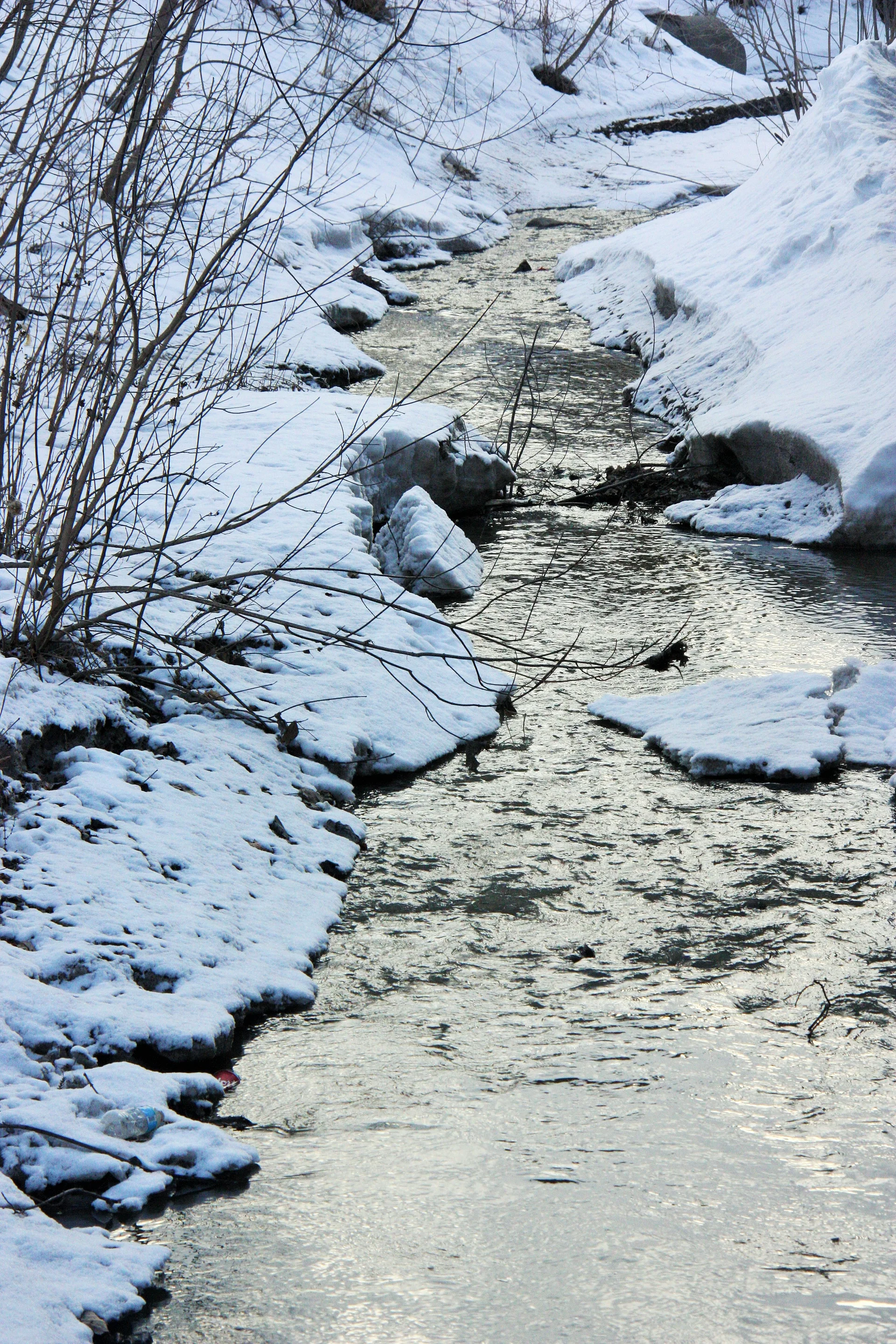
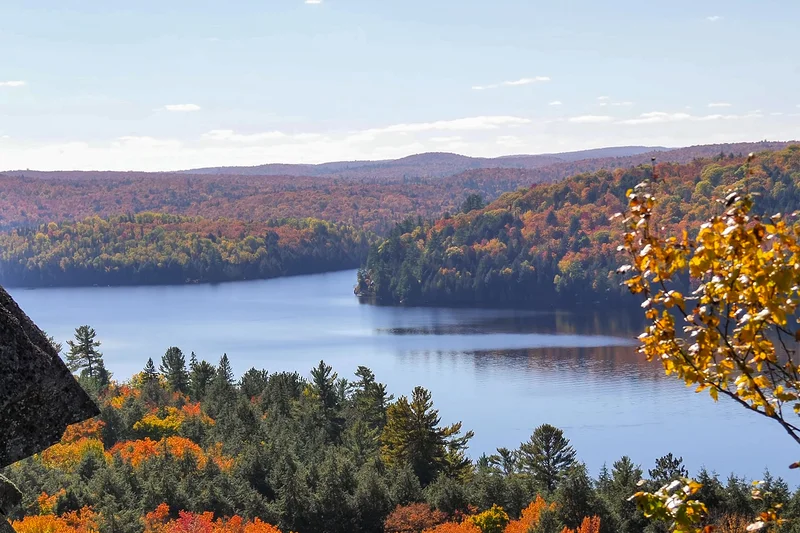
Fall (September and October) turns eastern Canada into a landscape painting. The hardwood forests of Quebec and Ontario flare up in brilliant reds, oranges, and golds. The shoulder season draws crowds eager to catch the foliage, though crisp autumn air makes for stellar hiking. Winter (December through March) suits downhill skiers and winter wilderness explorers. Resorts like Whistler and Mont-Tremblant rank among the continent's best. Prepare for deep freezes across the prairies and eastern provinces. Spring offers the lowest tourist numbers and softer prices, though weather remains notoriously unpredictable.
How to Get to Canada?
Nonstop flights from major US hubs connect directly to Toronto, Montreal, Vancouver, and Calgary, with flight times ranging from a quick one-hour hop across the northern border to six hours from the West Coast. Major carriers like Air Canada, Delta, United, and WestJet run heavy schedules year-round.
US citizens do not need a visa for tourist stays under six months, though you will need a valid US passport. (If you are traveling on a passport from another country, check whether you require an eTA, Electronic Travel Authorization, before booking your flights.)
How to Get Around Canada?
Canadian geography demands a smart transit strategy. Domestic flights connect distant hubs quickly, such as Toronto to Vancouver in under five hours, but expect to pay 300-500 CAD ($220-$360*) per leg unless you catch budget carriers like Flair or WestJet. Passenger train travel is limited outside the Windsor-Quebec City corridor, where VIA Rail runs regular departures. The Montreal-to-Toronto train takes about five hours and costs 80-150 CAD ($57-$106*).
Car rental is essential for exploring provincial parks and remote backcountry. Daily rates start around 50-80 CAD ($36-$57*) before gas and insurance. Fuel is sold by the liter and generally runs higher than US averages. Highways are well-paved and straightforward to navigate, but distances are fatiguing: Vancouver to Banff takes about ten hours behind the wheel, while Montreal to Toronto is a steady five-hour highway run. In major cities, urban public transit works smoothly, with efficient subway networks in Montreal, Toronto, and Vancouver.