
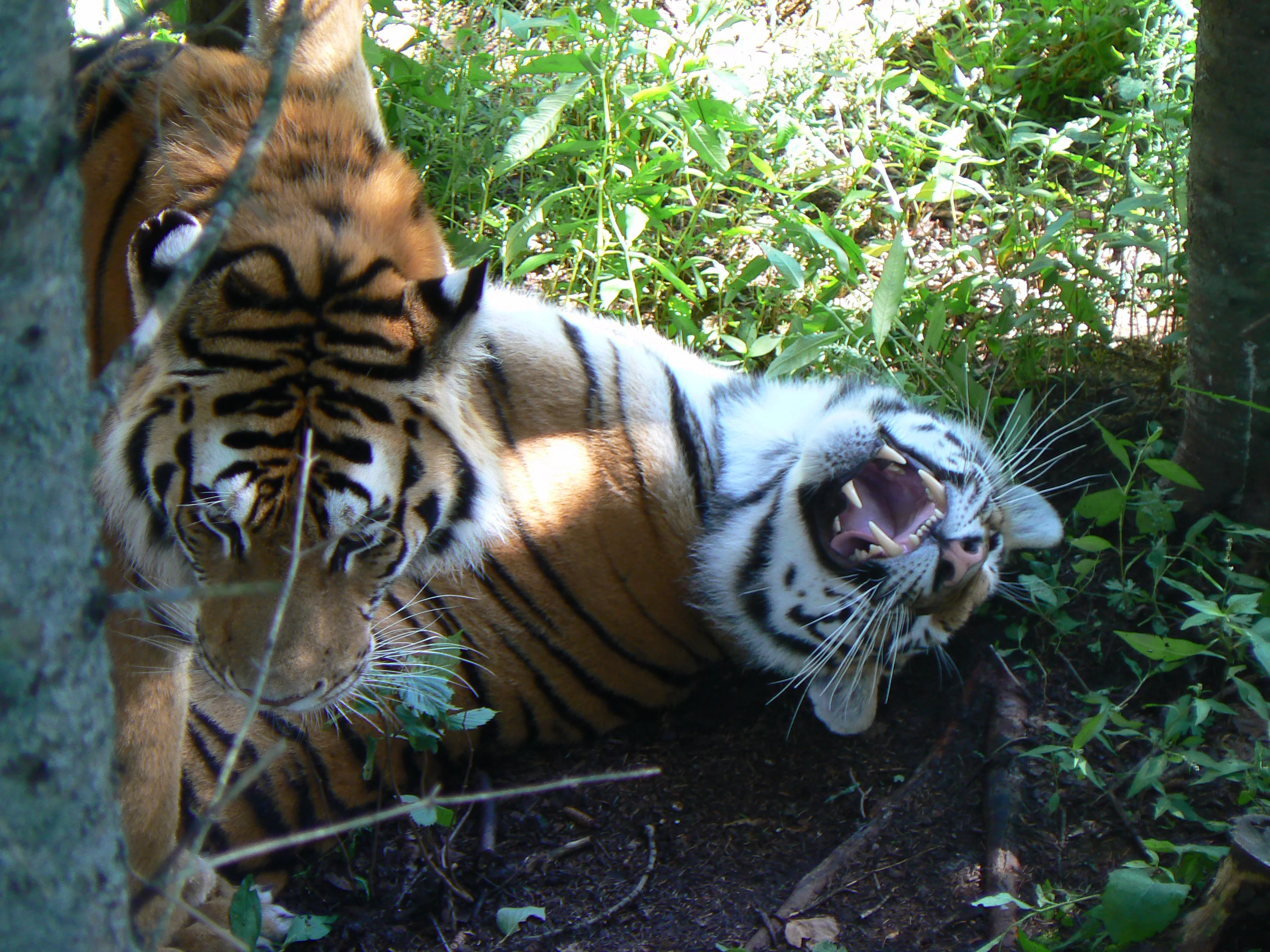
Saint-Félicien, Where Animals Roam Free and Humans Stay in Cages
The small screened-in train rolls slowly into a boreal forest where bison graze just feet away from your window. Here, the traditional zoo concept flips on its head: visitors ride in protective cages while black bears, caribou, and wolves roam across 485 hectares.
This role reversal defines Saint-Félicien, a town of 8,000 residents sitting where three rivers meet at the edge of an inland sea that locals simply call "the Lake."
A Destination for Nature Lovers and Wide-Open Spaces
This town suits families looking for accessible adventures, cyclists of all skill levels tackling the famous Véloroute des Bleuets, and anyone dreaming of encountering boreal wildlife without heading deep into the backcountry. Food enthusiasts will also find plenty to love here, from craft beers to award-winning cheeses.
On the flip side, anyone seeking urban buzz, trendy boutiques, or nightlife will not find it here. Saint-Félicien moves to the rhythm of the seasons and the natural world. The change of scenery is absolute, though services remain those of a small Quebec town. Practically speaking, having a car is practically mandatory for exploring the surrounding area, and weather conditions can turn harsh from November through April.
Reasonable Pricing for Quebec
Plan on spending between 100 and 150 Canadian dollars a day for a couple, which covers decent lodging, meals, and an activity. Admission to the Zoo sauvage runs around 40 dollars per adult, but the full day easily justifies the cost. Campgrounds and guesthouses provide wallet-friendly alternatives to traditional hotels.
The Wild Zoo: A Boreal Immersion
The Zoo sauvage de Saint-Félicien is far from a standard zoo. Founded in 1960, it specializes in cold-climate wildlife and houses nearly 1,000 animals across 80 species. The main draw is the Nature Trail Park, accessible only via a screened train that crosses 7 kilometres of semi-natural habitats where bison, elk, black bears, and caribou live.
The walking section features 4.5 kilometres of trails where you can spot Amur tigers, Japanese macaques, and the famous polar bears Aisaqvak and Milak in their glass-fronted pool. Daily feeding sessions break up the schedule and offer prime viewing opportunities.
Friendly tip: Plan for at least 4 to 5 hours on-site, or ideally a full day. Arrive right at opening to dodge the summer crowds and catch the late afternoon bear feedings.
The Véloroute des Bleuets: 256 Kilometres Around an Inland Sea
The Véloroute des Bleuets loops around Lake Saint-Jean for 256 kilometres, passing through 15 municipalities and the Innu community of Mashteuiatsh. This route stands as North America's first electrified bike path thanks to charging stations for e-bikes, and riders typically complete it in 3 to 5 days at a relaxed pace.
Saint-Félicien makes a strategic stop along this trail. The stretch between town and Alma delivers the best views of the lake, a massive body of water spanning over 1,000 km² where the opposite shore often vanishes into the horizon. Luggage shuttles and certified "Bienvenue cyclistes" lodgings line the route.
For less intense riders, family outings lasting a few hours let you sample the experience without committing to the full loop. The trails in Pointe-Taillon National Park, accessible directly from the route, add 48 extra kilometres of protected wilderness.
Four-Season Activities at Tobo-Ski
The Club Tobo-Ski showcases the versatility of Saint-Félicien. In winter, this family resort offers downhill skiing on a 70-metre vertical drop, cross-country skiing across 20 kilometres of trails, snowshoeing, snow tubing, and fat biking. Nothing extreme here, just a playground built for families and beginners.
As the snow melts, those same slopes transition to over 65 kilometres of mountain bike trails and obstacle courses. The area benefits from heavy snowfall, ensuring reliable conditions from December through March.
Nearby, the Parc de la Chute-à-Michel provides an easy stroll along the Ashuapmushuan River with prime sunset views. Experienced kayakers test their skills in the rapids, which spectators can watch directly from the banks.
Blueberry Heritage: Local Flavor and Regional Pride
Residents of the Lac-Saint-Jean region have worn the nickname "Bleuets" (Blueberries) since the great forest fire of 1870, which cleared the land and allowed wild blueberry fields to spread across the territory. This small blue fruit remains a staple of local cooking, showing up in everything from traditional pies to modern plates.
The Fromagerie Perron in Saint-Prime, just a few kilometres from Saint-Félicien, has been crafting aged cheddar since 1895 that ranks among the finest in Quebec. Their museum traces the cheesemaking history of the area. Up in Dolbeau-Mistassini, the Chocolaterie des Pères Trappistes has kept monastic chocolate-making traditions alive since 1939.
Where to Eat and Drink in Saint-Félicien?
The La Chouape microbrewery, a pioneer among farm breweries in Quebec, grows its own organic grains to produce bottle-conditioned ales. Their downtown taproom features a patio overlooking the Ashuapmushuan River. The beers sport playful names like L'Égaré or Monstre du Lac, with labels designed by a local artist.
The Le Baumier restaurant inside the Hôtel du Jardin serves northern-influenced cuisine built on local ingredients. For casual meals, main street diners dish out poutine, burgers, and unfussy Quebec comfort food. Do not leave without trying the tourtière du Lac-Saint-Jean, a slow-cooked cubed meat pie that takes hours to bake and differs entirely from its ground-meat Montreal cousin.
Where to Stay in Saint-Félicien and Around?
The Hôtel du Jardin remains the top choice: a 4-star property featuring a pool, spa, and gourmet restaurant, conveniently close to the bike path and the zoo. The Auberge des Berges, set inside a former Marist Brothers residence right on the riverbank, offers a cozier vibe with just 19 rooms.
Local B&Bs and guesthouses round out options for tighter budgets. Several campsites let you pitch a tent or park an RV near the water. For a different stay, the Roberval area offers accommodations with direct access to the sandy beaches of Lake Saint-Jean.
How to Get to and Around Saint-Félicien?
Saint-Félicien sits roughly 280 kilometres north of Quebec City and 500 kilometres from Montreal. By car, plan for about 3.5 hours from Quebec City via Route 175 and then Route 169, or 5 to 6 hours from Montreal. Driving in via Route 155 along the Saint-Maurice River reveals stunning views of the lake.
The Intercar bus line runs coach service from Quebec City and Montreal with departures 4 days a week. The trip takes about 4.5 hours from Quebec City and costs between 50 and 65 dollars. The closest airport, Saguenay-Bagotville, sits about 100 kilometres away.
Once you arrive, a car is essential for getting around. A local taxibus service connects Roberval and Saint-Félicien for 4 dollars a ride, though schedules stay restricted.
When to go?
Summer, running from June through September, is the prime season for cycling, water sports, and exploring the open-air zoo. July and August bring larger crowds, so book lodgings and zoo tickets ahead of time. Late September brings brilliant fall foliage and fewer tourists. Winter turns the region into a snowy playground for snowmobiling, skiing, and ice fishing, and the zoo stays open year-round with a completely different atmosphere.
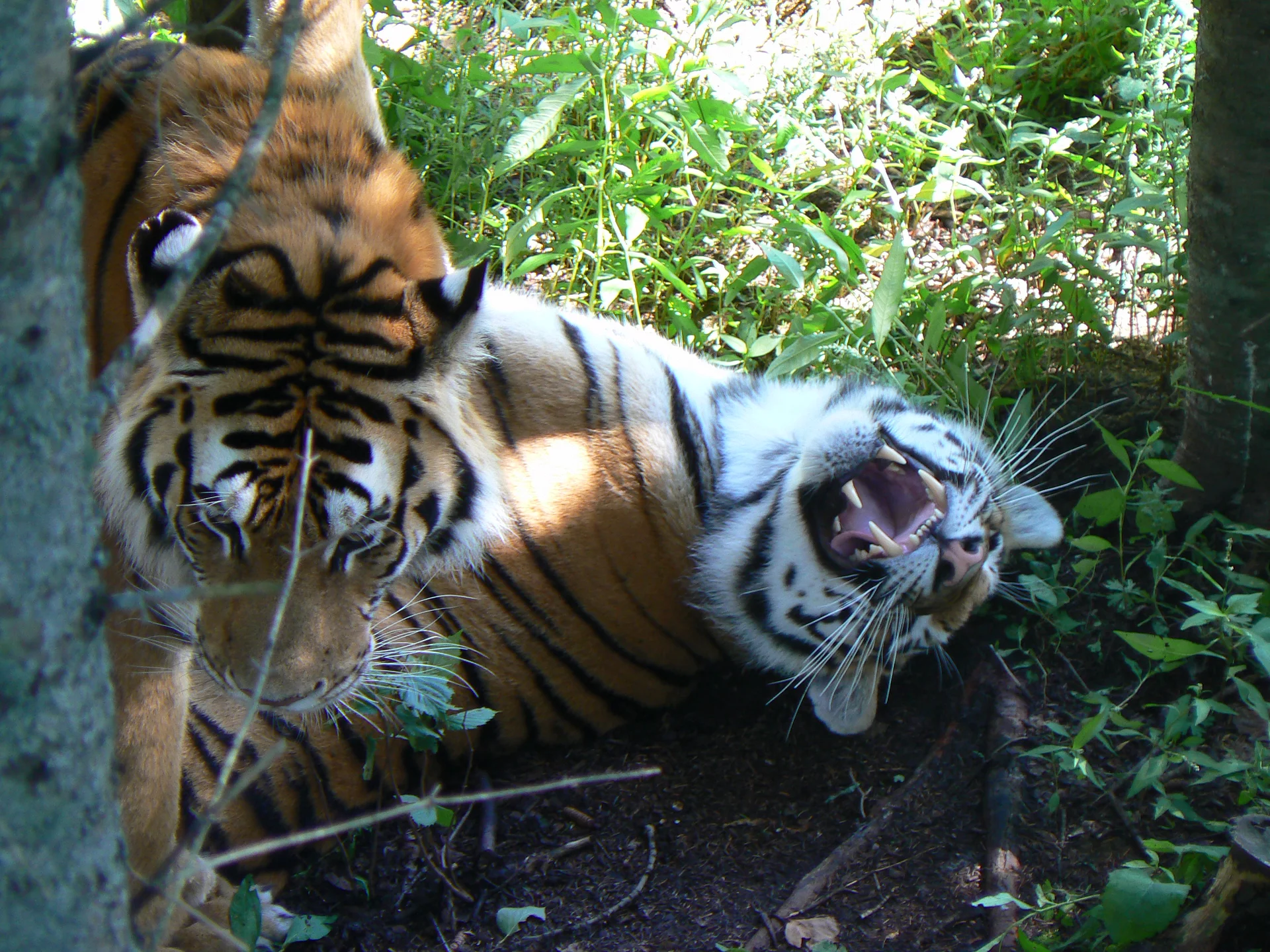
Saint-Félicien isn't really worth the trip if you aren't visiting its wild zoo, but it remains a very nice little town (anyway, all towns in Quebec are nice!). The natural environment is beautiful though, since the town is in the heart of the Saguenay region.