
Visiting Quebec City, where North America speaks French
When the crisp January air bites at your cheeks and snow crunches under your boots on cobblestone streets, the only fortified city north of Mexico reveals its winter magic. But when July turns the terraces into extensions of daily life and the river glints under the summer sun, it is a completely different city that comes alive.
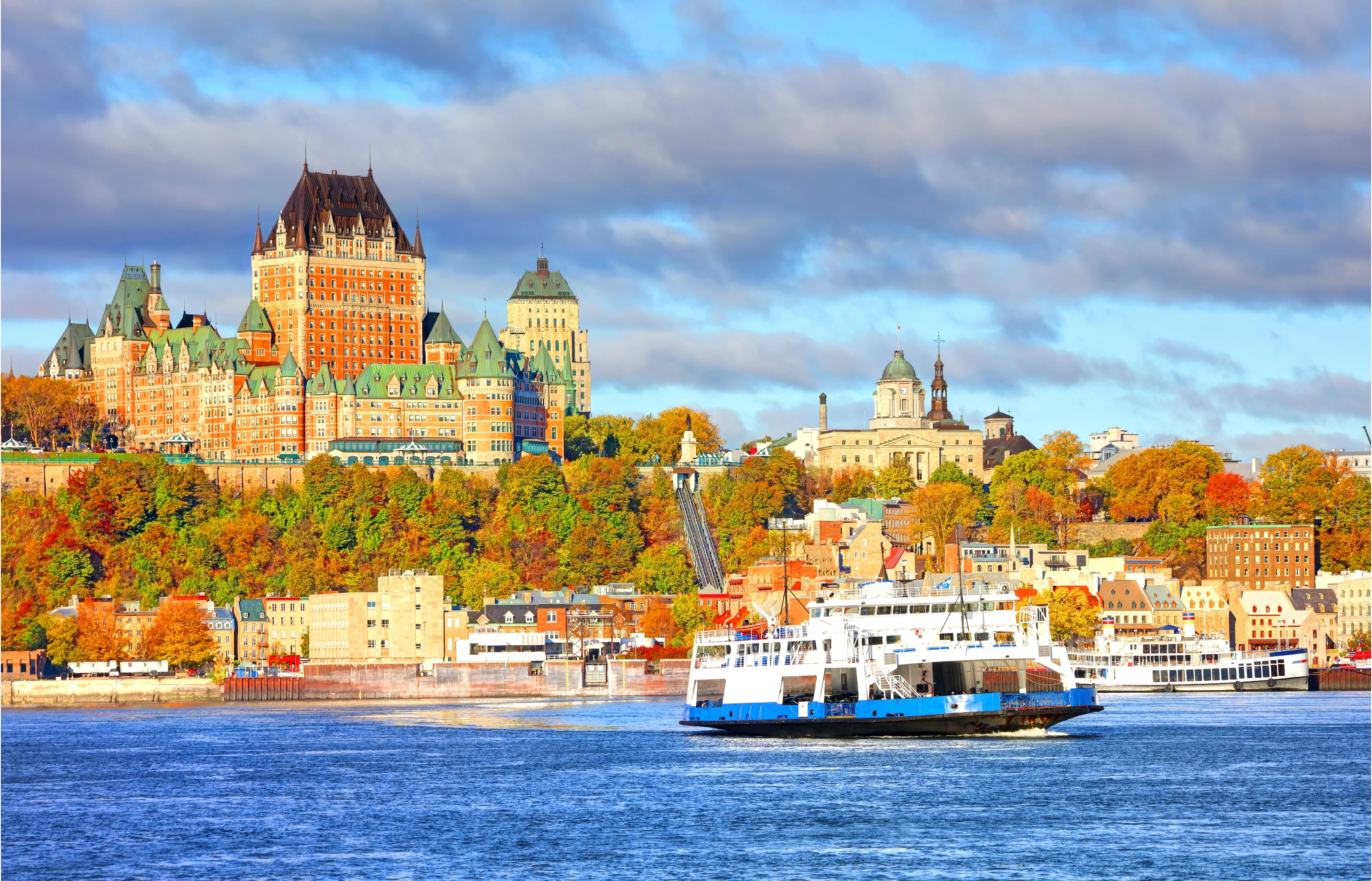
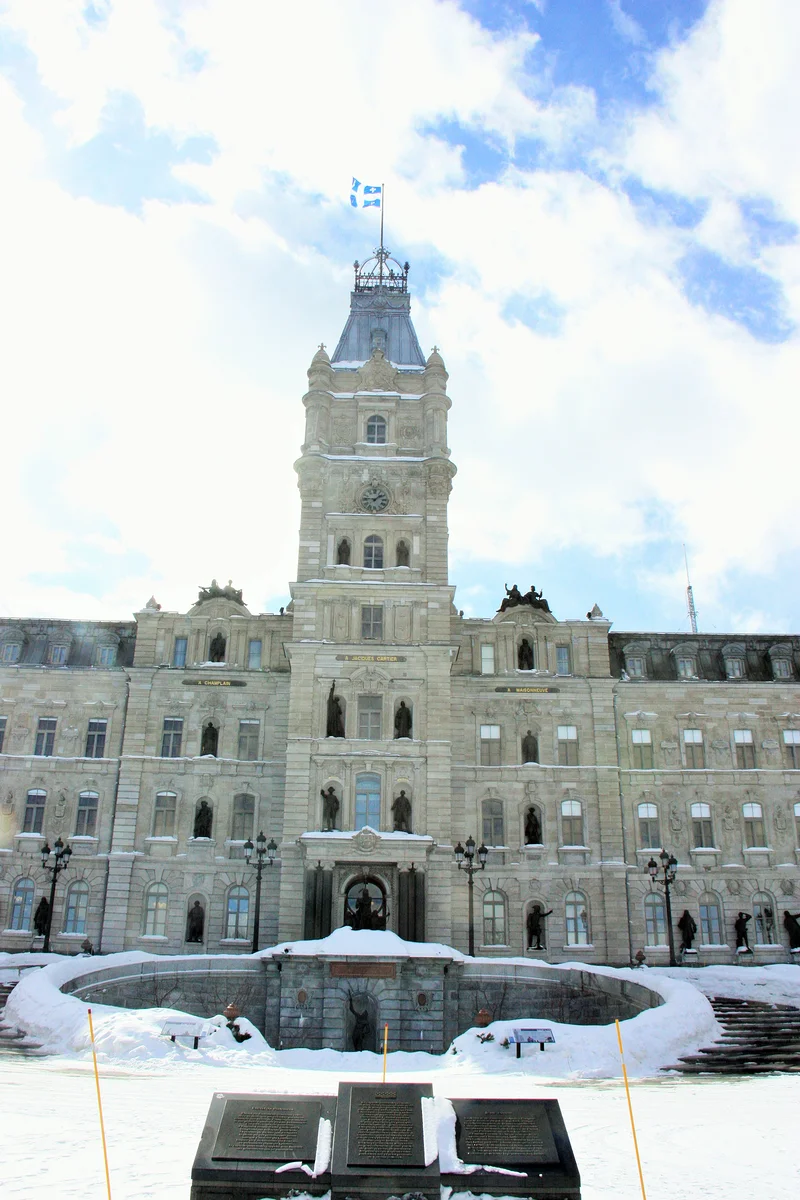
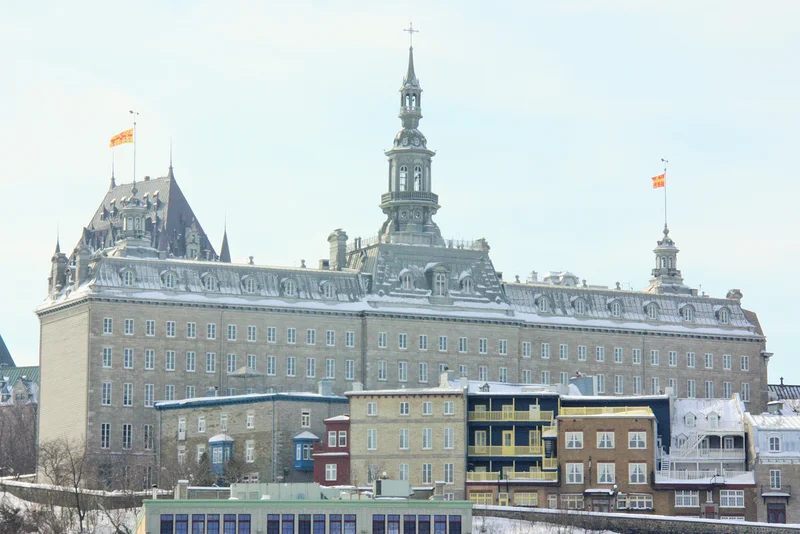
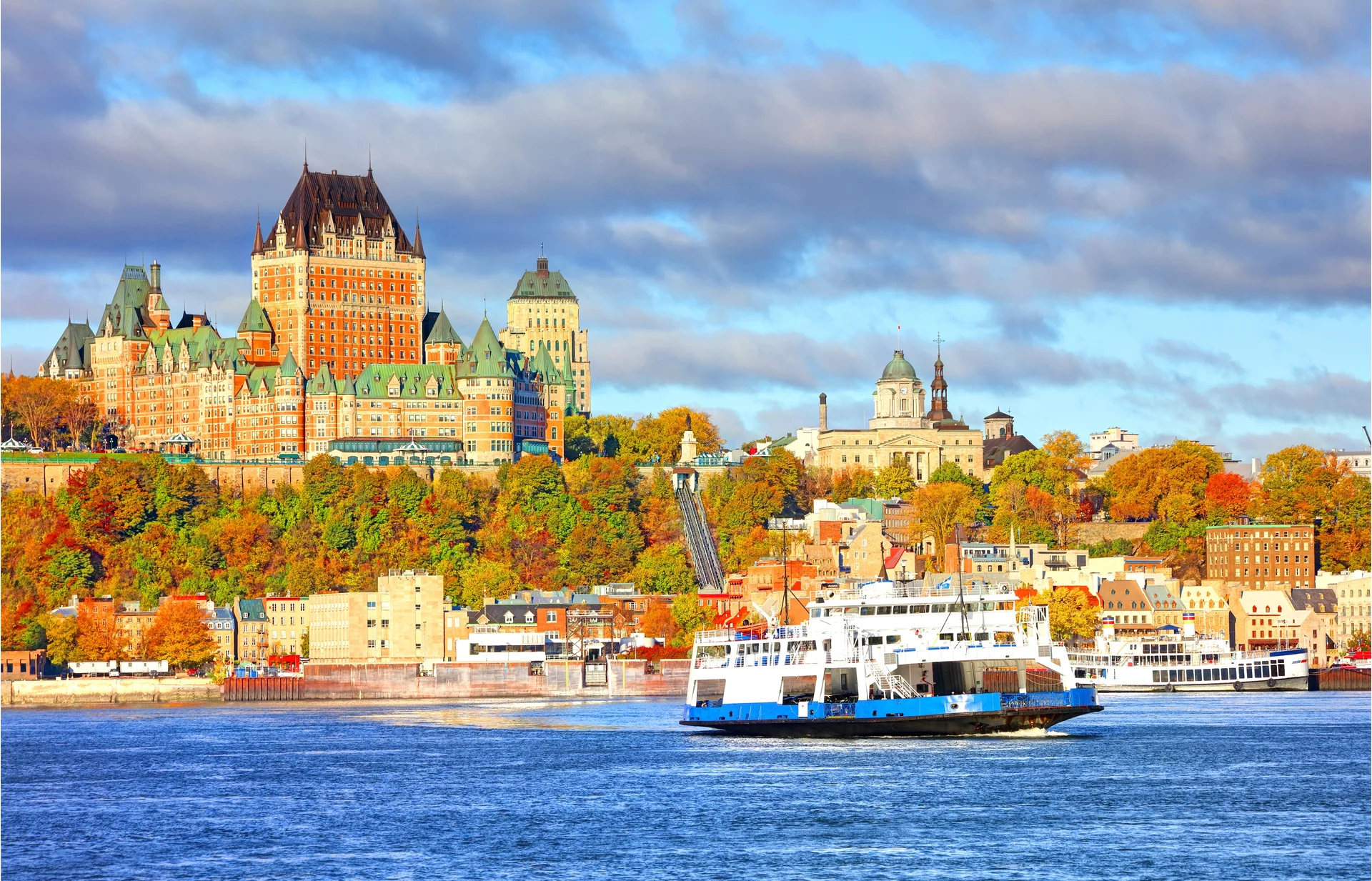
Between the Château Frontenac, the most photographed hotel in the world, which proudly dominates the cap Diamant, and the colorful facades of the Petit-Champlain district, this provincial capital plays it both ways: that of carefully preserved heritage and that of a culinary scene in full swing.
A destination that embraces its dual identity
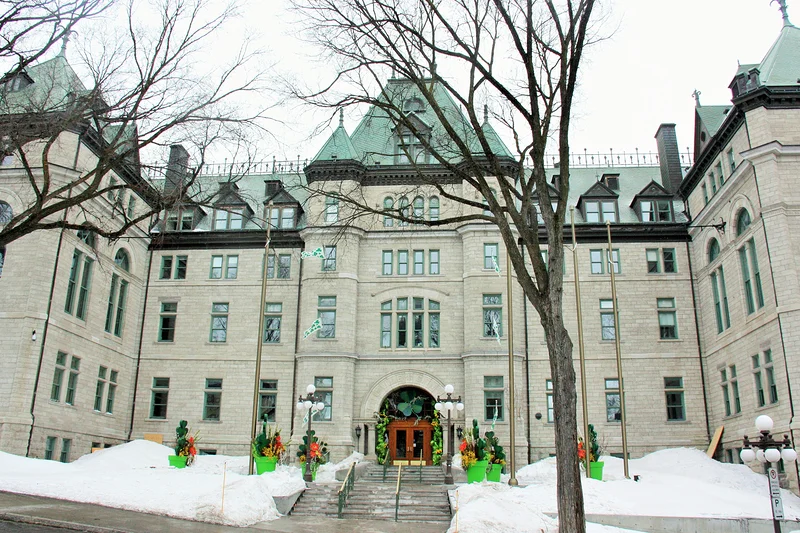
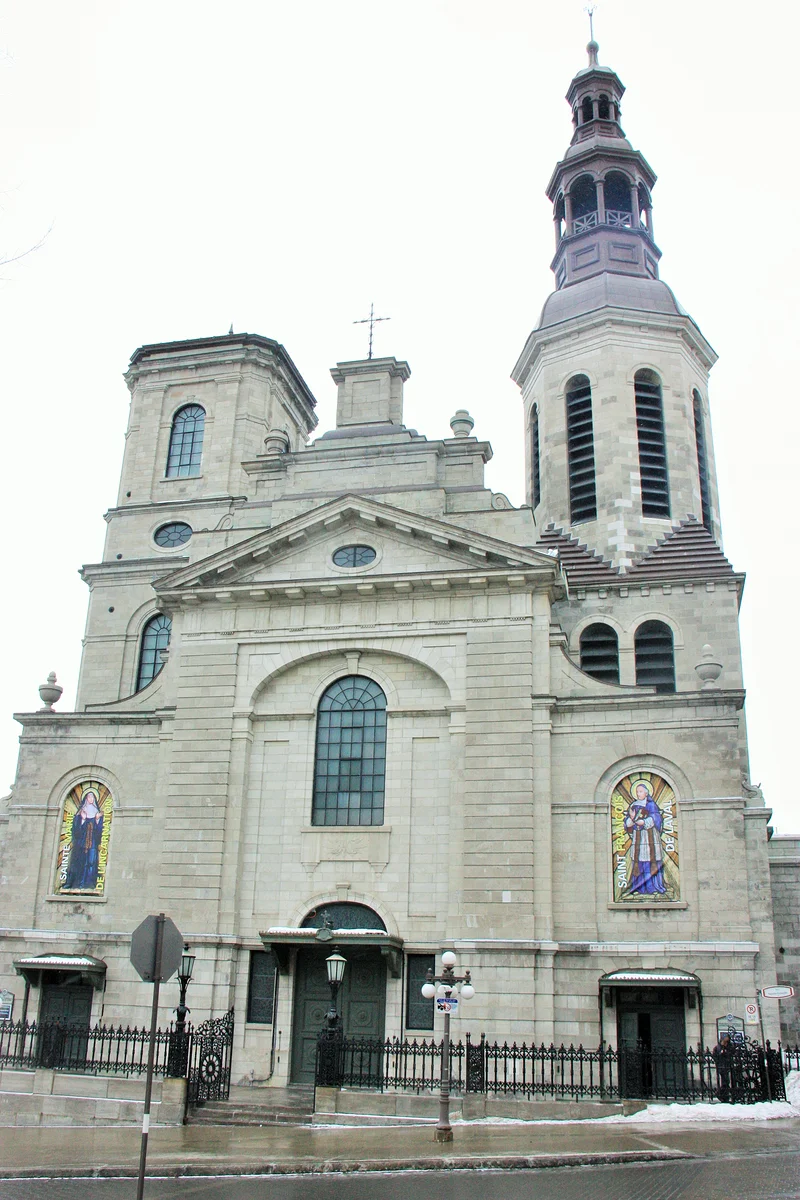
Quebec City is primarily for history and heritage buffs. A UNESCO World Heritage site since 1985, the city appeals to those seeking a European charm that is unique in North America. Couples find their niche with its romantic narrow streets and refined dining, while families appreciate the human scale of the city, which is easily explored on foot.
A word of caution: if you avoid crowds, steer clear of July and August when tourism is at its peak. Adventurers looking for wild nature will prefer the surrounding areas over the historic center.
The city is a perfect fit for those wanting to combine urban culture with nature escapes, thanks to its proximity to Île d'Orléans and the surrounding parks. Food lovers will be satisfied with the booming culinary scene, which blends French influences with local terroir. However, if you are looking for paradise beaches or a high-octane nightlife, look elsewhere.
A budget to plan for carefully
Quebec City is not an inexpensive destination. Count on 100-125 CAD (about $75-90) per day for a backpacker budget, 250 CAD for a mid-range budget, and over 350 CAD for comfort. Accommodations represent the biggest expense, with guest rooms starting at 90-100 CAD plus the 15% tax added to listed prices. Do not forget the 15% tip in restaurants, which is a standard expectation here.
Vieux-Québec: historic heart in the Upper and Lower Town
Exploring Vieux-Québec (Old Quebec) naturally splits into two distinct areas. The Haute-Ville (Upper Town), perched on cap Diamant, houses the most famous symbols. You cannot miss the terrasse Dufferin, an immense wooden boardwalk offering views of the river. Named in honor of Lord Dufferin, a governor general who loved the city, the terrace has been expanded twice. Take the time to stroll to the plaines d'Abraham (Plains of Abraham), a vast urban park where concerts and festivals take place in the summer.
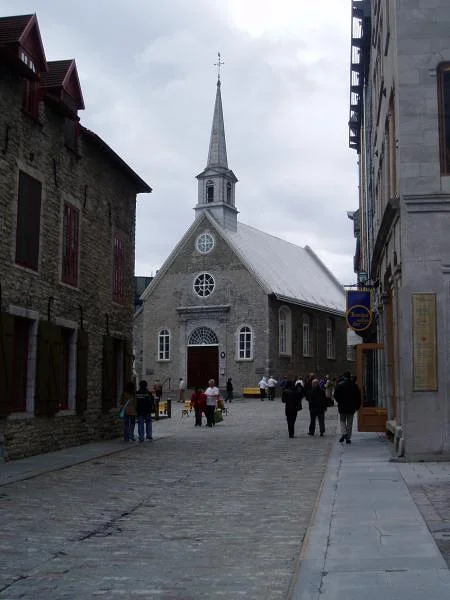
Below, the quartier Petit-Champlain plunges you into a postcard setting with its narrow cobblestone streets and 17th-century facades. Place Royale marks the spot where Samuel de Champlain founded the city in 1608. Early in the morning, before the tour buses arrive, the neighborhood reveals its authenticity. Artisans open their shops, and the smell of fresh bread mingles with that of coffee.
Friendly tip: take the funiculaire (funicular) on the way down rather than the way up. You will save your legs for the rest of the day and the view from the top is worth the minor effort of climbing the stairs.
Saint-Roch and Saint-Jean-Baptiste: the Quebec of today
The Saint-Roch neighborhood embodies a successful urban renaissance. Long neglected, it has transformed into a creative epicenter with trendy restaurants, microbreweries, and design shops. Rue Saint-Joseph concentrates most of the activity, while art galleries occupy the old warehouses. This is where the heartbeat of Quebec's nightlife is, far from the classic tourist circuits.
More residential, Saint-Jean-Baptiste appeals with its urban village atmosphere. Rue Saint-Jean, which runs through the neighborhood, lines up independent cafes and local restaurants where residents have their routines. The colorful Victorian facades and small parks create a relaxed vibe, perfect for observing the daily lives of locals.
Friendly tip: visit the marché public du Vieux-Port (Old Port market) on a Saturday morning. Local producers sell their goods there and the friendly atmosphere will give you an authentic glimpse of Quebec culture.
Nature escapes at the city gates
La chute Montmorency
A few minutes from the center, the chute Montmorency (Montmorency Falls) stands 83 meters tall, beating Niagara Falls by 30 meters. In summer, the mist cools visitors who venture onto the suspension bridge. In winter, the partially frozen falls create a fairy-tale setting and the sugar loaf, a mountain of ice formed by frozen spray, attracts climbers. The télécabine (gondola) allows access to the top without effort, though the more athletic will take the panoramic stairs.
Île d'Orléans
The cradle of French America, Île d'Orléans offers a rustic escape with its centuries-old villages, farms, and churches. The 67-kilometer loop around the island is best traveled by bike or car, with mandatory gourmet stops. Vineyards, cider houses, and chocolate shops line the road, offering tastings and direct sales. The island strawberries, harvested in June and July, are legendary and worth the detour alone.
Friendly tip: to avoid the crowds, arrive on the island before 10 a.m. or after 4 p.m. Producers are more available to chat and you will have the roads almost to yourself.
Wendake and Huron-Wendat heritage
Twenty minutes from the city center, the territory of Wendake preserves and keeps the culture of the Wendat Nation alive. The Musée Huron-Wendat traces the thousand-year history of this people through authentic objects and reconstructions. Craft shops offer traditional creations, from beadwork to handmade snowshoes. The dining experience at the restaurant La Traite blends ancestral recipes and contemporary techniques, highlighting game and boreal forest products.
Where to eat and drink in Quebec City?
The Quebec culinary scene values local terroir with French, British, and Indigenous influences. In Vieux-Québec, tables like Tanière³ offer an immersive dining experience in vaults dating back to 1686, using responsibly sourced ingredients. For a more accessible experience, La Bûche revisits traditional Quebec cuisine in a sugar-shack setting, with pouding chômeur (a rich cake) drizzled in maple syrup and topped with bacon.
Must-try specialties include poutine (fries, cheese curds, and gravy), cretons (spiced pork spread) for breakfast, and baked beans simmered in maple syrup. In the Saint-Roch neighborhood, spots like Alentours push the farm-to-table concept to the extreme, with all ingredients sourced within a 150-kilometer radius. For ice wine and ice cider, iconic Quebec products, head to Île d'Orléans where winemakers open their doors for tastings.
Friendly tip: book your fine-dining restaurants at least a week in advance during high season. For tighter budgets, look for lunch specials, which offer excellent value in most establishments.
How to get to and around Quebec City?
The aéroport international Jean-Lesage (Jean Lesage International Airport) is 20 minutes from the city center. The RTC route 80 connects the airport directly to the city center (Saint-Roch sector) with departures every 30 minutes for 4 CAD. Taxis have a flat rate of 41.40 CAD (about $30) to the center. For those arriving from Montréal, Orleans Express offers a motorcoach service between the two cities, a trip of about 3 hours.
Once there, Vieux-Québec is entirely walkable; in fact, walking is the best way to explore the old city. For peripheral neighborhoods, the Réseau de transport de la Capitale (RTC) efficiently serves the entire city with its bus lines and Metrobus routes. In summer, the Bixi system offers bike sharing. If you plan excursions (Île d'Orléans, chute Montmorency, Charlevoix), renting a car is necessary. Be careful with parking in Vieux-Québec: spaces are rare and expensive, so prioritize peripheral parking lots with shuttles.
When to go?
The period from May to September offers the best weather conditions, with temperatures between 17°C (63°F) and 25°C (77°F) and up to eight hours of sunshine.
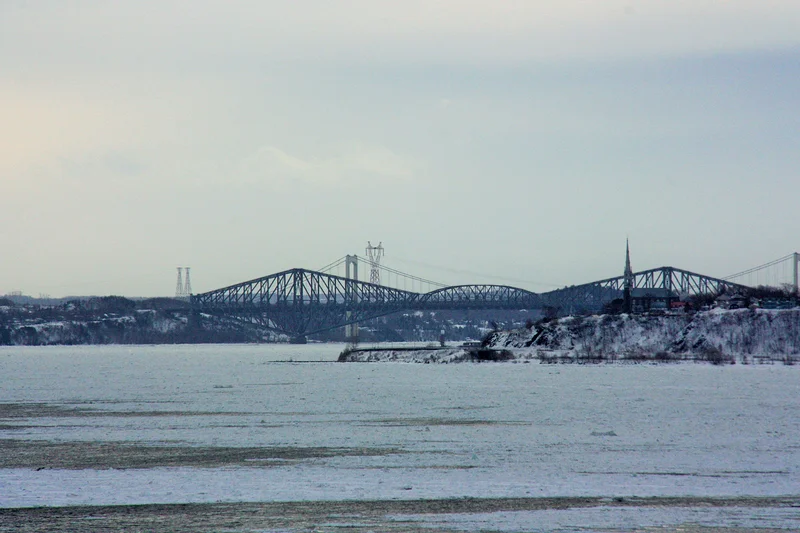
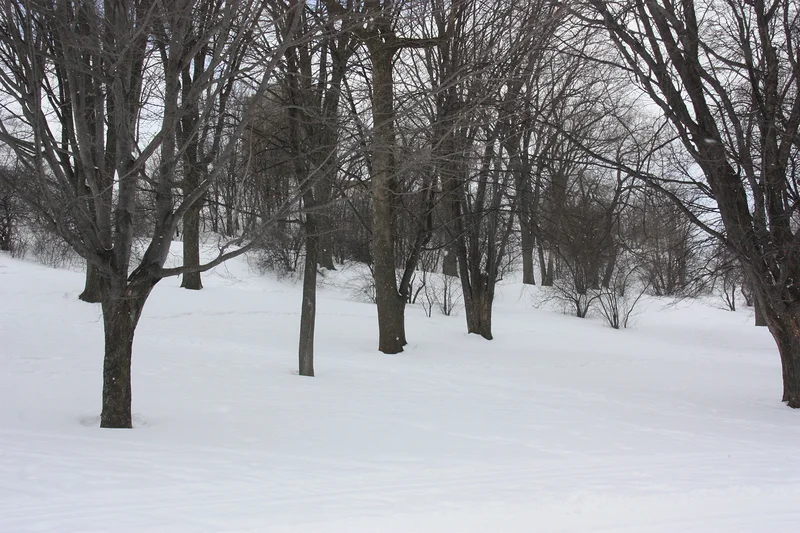
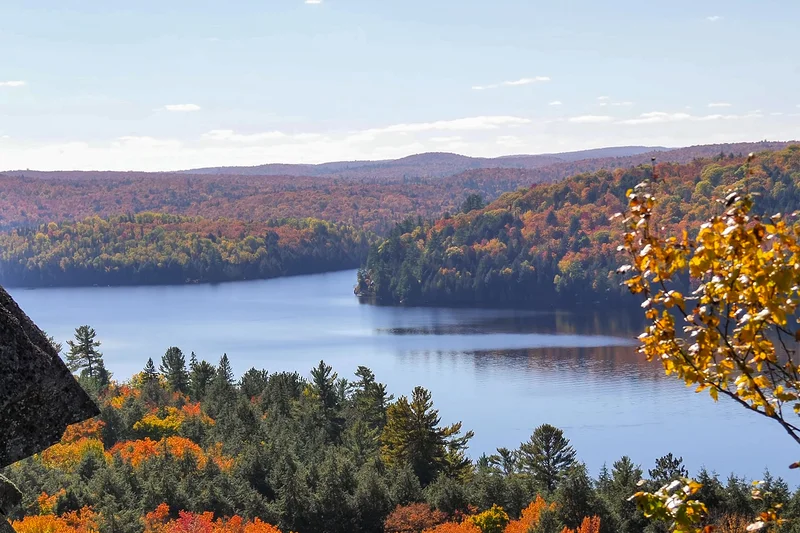
Indian summer (late September to early October) reveals the most beautiful autumn colors in the surrounding forests, a natural spectacle that attracts photographers from around the world. Winter (December to March) transforms the city into a storybook setting with Vieux-Québec covered in its magical white coat and activities like dog sledding or ice fishing.
Avoid April, an unappealing transition month with snowmelt and unstable temperatures. July and August concentrate the maximum tourist traffic and the highest prices, but also the Festival d'été de Québec, one of the most important music events in North America.
I really loved spending a few days in Quebec City, which I preferred over Montreal. I fell in love with the Old Quebec neighborhood, which is truly authentic. The old town is very classic with its historical buildings and small streets. There are also many museums, and I visited a few that I found very interesting.