
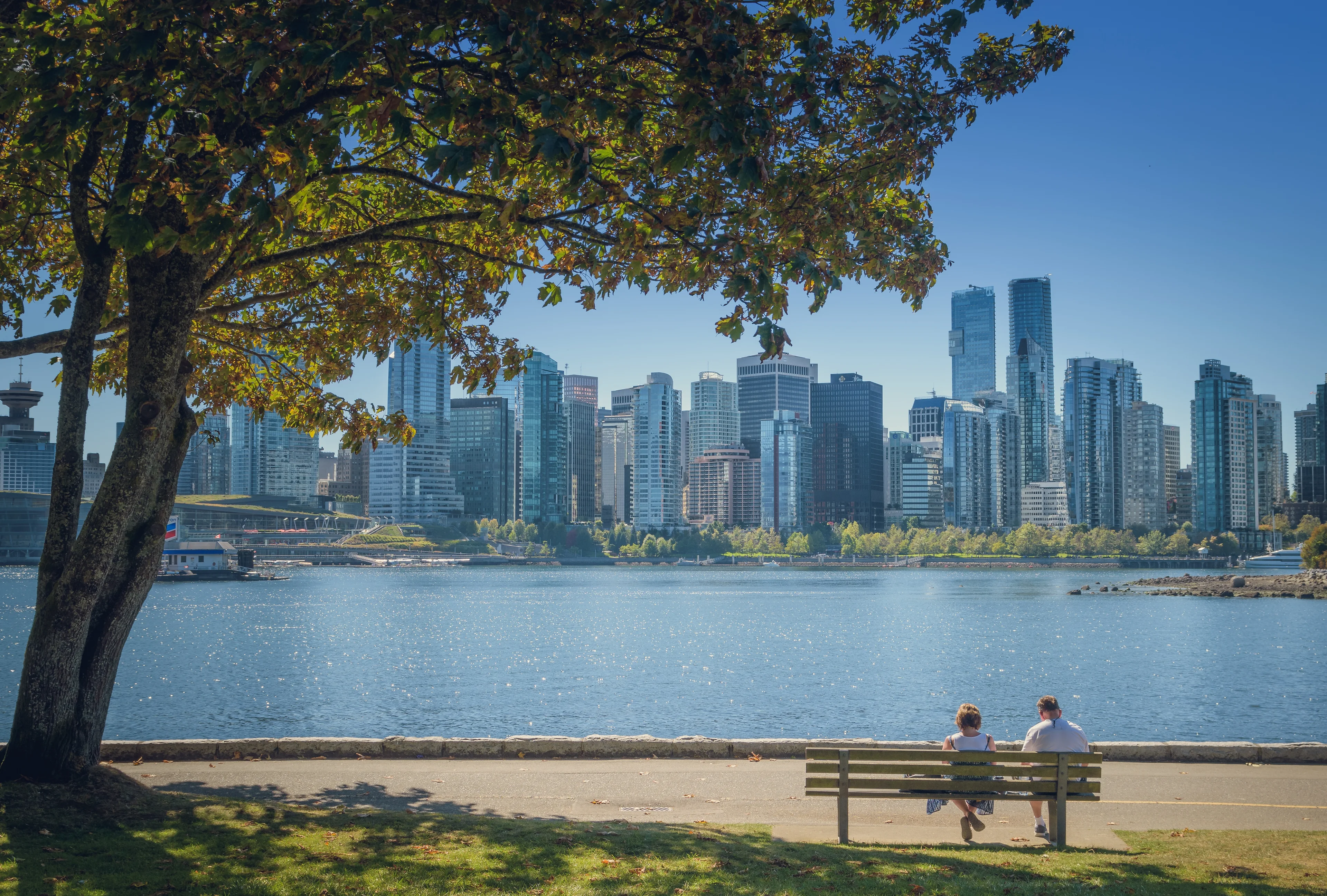
Visiting Vancouver, where ocean meets mountains
Situated on the west coast of Canada, Vancouver boasts a dramatic natural setting between the Pacific and snow-capped peaks. Cosmopolitan and fast-paced, the city blends modern high-rises, historic districts, and massive green spaces. Whether you want outdoor adventure or urban culture, it delivers a complete destination where every traveler finds their footing.
Downtown highlights
Downtown Vancouver serves as an easy starting point for exploring. Gastown, the city's oldest neighborhood, features cobblestone streets, Victorian brick buildings, and the iconic steam clock. Just a short walk away, Coal Harbour offers a scenic waterfront walkway with clear views of the surrounding mountains.
For a more contemporary scene, Robson Street acts as the city's retail core, packed with clothing stores and restaurants.
A city rooted in nature
You cannot visit Vancouver without spending time outdoors. Stanley Park, one of the largest urban parks in the world, spans miles of wooded trails, seawall paths, and Indigenous totem poles that reflect local heritage. Farther out, Grouse Mountain pulls you right into the wilderness with hiking trails overlooking the skyline and winter ski runs.
The Capilano Suspension Bridge, located about twenty minutes from downtown, draws crowds looking to cross a swaying footbridge suspended more than 70 meters above the canyon river.
A multicultural and lively city
Vancouver brings together distinct cultural enclaves. Chinatown, one of the oldest in North America, provides a rich historical and culinary walk. Granville Island, reached by a quick passenger ferry from downtown, draws crowds to its indoor public market and artisan workshops.
For art enthusiasts, the Vancouver Art Gallery displays rotating exhibitions ranging from Canadian painters to international contemporary works.
Day trips and nearby adventures
The areas surrounding Vancouver match the city's scenic appeal. Less than two hours away by car, Whistler operates as a major ski resort in the winter and a mountain biking and hiking hub in the summer. The coastal drive along the Sea-to-Sky Highway rewards drivers with views and mandatory stops like Shannon Falls.
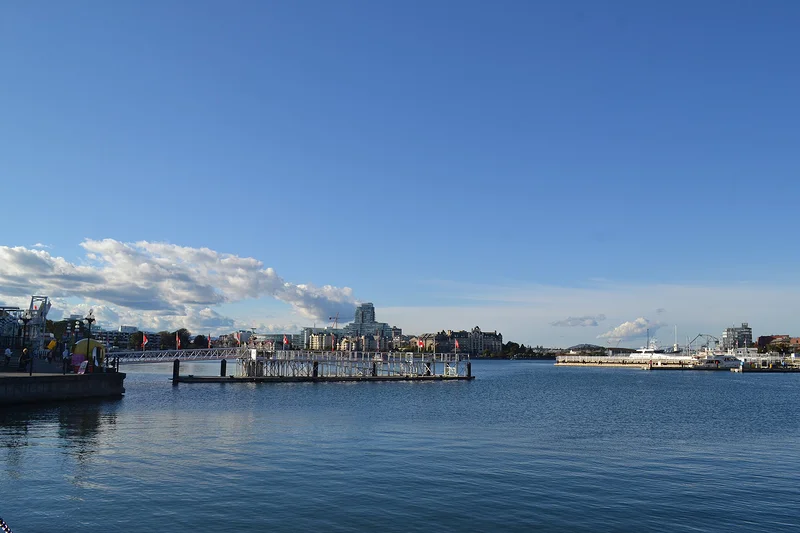
For a quieter pace, a BC Ferries crossing takes you to Victoria on Vancouver Island, where British colonial architecture and the Butchart Gardens make the journey worthwhile.
Seafood-forward dining
Vancouver's food scene highlights local catch and strong Asian influences. Wild salmon appears on menus in every possible preparation. Seafood lovers chase down seasonal spot prawns when local traps come in. For drinks, the city takes pride in its independent specialty coffee shops, where local roasters compete with major chains.
Where to eat?
- Blue Water Cafe (Yaletown) : a top spot for Pacific seafood and high-end sushi.
- Japadog (Downtown) : a local street-food operation serving hot dogs topped with Japanese ingredients.
- Granville Island Public Market (Granville Island) : the best spot to sample fresh regional produce and baked goods.
- Phnom Penh (Chinatown) : a Cambodian and Vietnamese favorite famous for its garlic chicken wings.
When to go?
Vancouver has a temperate marine climate, though rain is frequent through autumn and winter. The prime window for a trip runs from May to September, when long, dry days suit outdoor activities. Winter brings snow sports enthusiasts heading up to nearby ski hills.
Cultural events like the Vancouver International Film Festival in October also keep the city active during the shoulder season.
How to get there?
Vancouver International Airport (YVR) offers direct flights from major hubs across North America, Europe, and Asia. Nonstop flights land here from New York in about five and a half hours, from Toronto in five, from Chicago in four and a half and from Los Angeles in under three. Fares shift a lot by season. Air Canada and WestJet carry most of the traffic, alongside the major US carriers.
How to get around?
Vancouver features a reliable public transit network combining the SkyTrain rapid transit system, buses, and the SeaBus passenger ferry. Downtown is also easy to navigate on foot or by bike thanks to an extensive network of separated bike lanes.
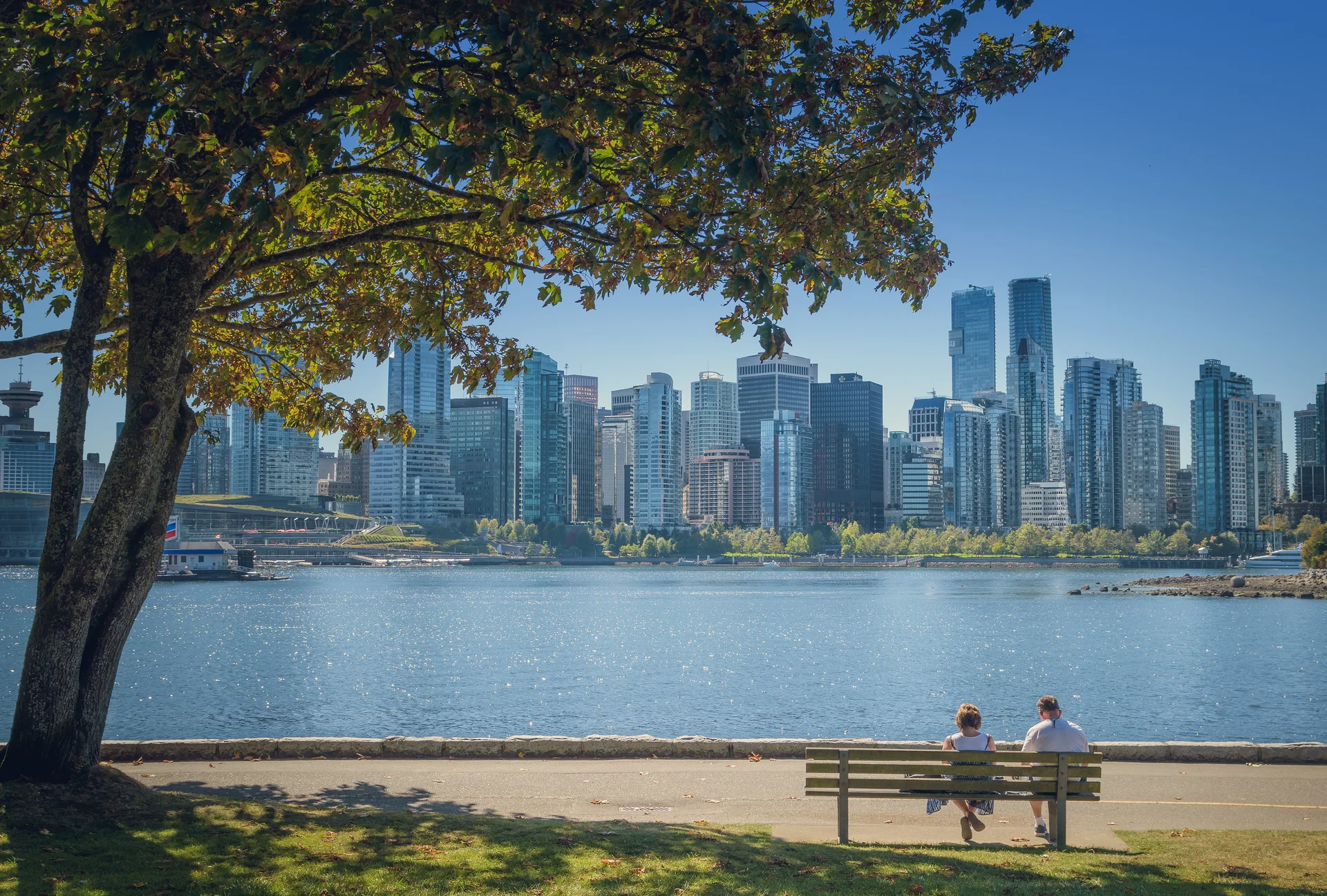
I lived in this city for a year and I recommend it as an expat, even if it won't give you an authentic "Canadian" experience but rather an international one, since the Asian influence is very present, just like that of the United States. That is the strength of this city, which also enjoys many green spaces, in addition to diverse nature activities (hiking, water sports...). Watch out, Vancouver is nicknamed "Raincouver," so don't forget your umbrella!