
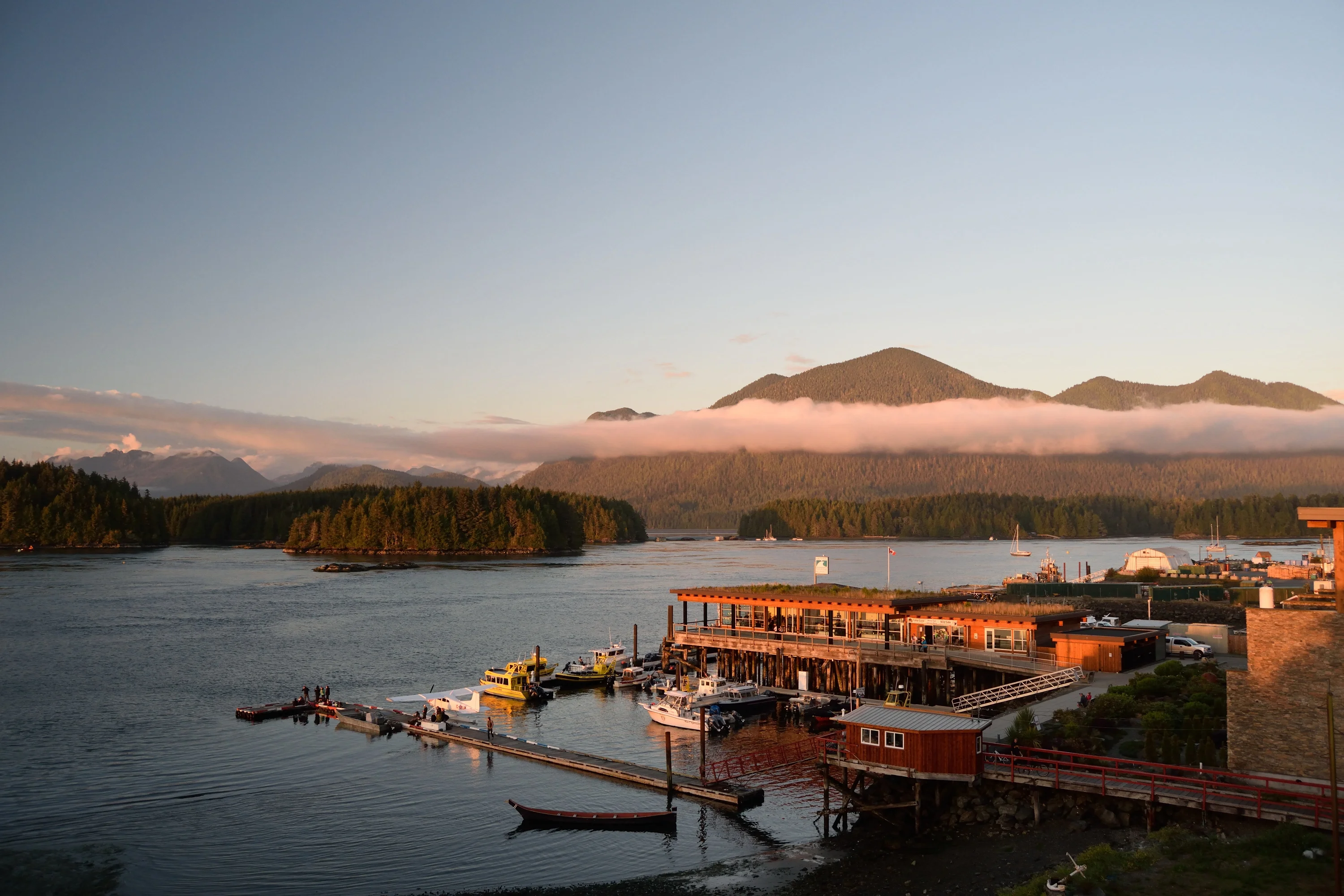
Tofino, where the road ends and the ocean begins
It is 6am, mist drapes the ancient cedar forest, and the first surfers are already pulling on their wetsuits at Cox Bay. The water is cold, 10 degrees in summer and 7 in winter. Nothing stops anyone here.
This village clinging to the edge of Vancouver Island is the western terminus of Highway 4. Beyond it lies over 7,000 kilometers of the Pacific stretching all the way to Japan. The Nuu-chah-nulth First Nations have lived here for millennia, long before 1970s hippies discovered this edge of the world.
A destination for those looking to truly unplug
Tofino suits wilderness lovers, surfers of all skill levels, and anyone searching for silence. The region is part of the Clayoquot Sound UNESCO Biosphere Reserve, a sanctuary where temperate rain forest meets the Pacific Ocean. Travelers looking for a lazy tropical beach stay will be disappointed: the water never rises above 14 degrees and the weather stays moody even in the dead of summer.
Prepare for isolation. The village has only 2,000 permanent residents. There is no public transit to Vancouver, no big-box stores, and a single taxi serves the entire town. Families with kids will love the beaches, but nightlife seekers will run out of things to do fast.
An unapologetic North American price tag
Tofino ranks among Canada's most expensive destinations. Expect to pay 200 to 400 Canadian dollars a night for oceanfront lodging, or 80 to 150 dollars for a simpler option. A meal at a good restaurant runs 50 to 80 dollars per person with drinks. Whale-watching boat tours cost between 100 and 150 dollars.
Beaches and surf: the heart of Tofino
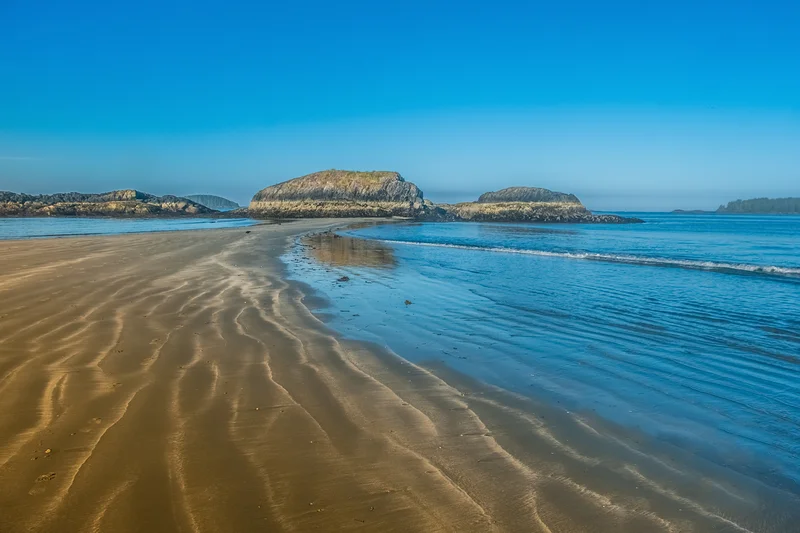
With 35 kilometers of sandy beaches, the region delivers consistent waves twelve months a year. Cox Bay draws most of the surfers and hosts national competitions. The waves here are usually the biggest in the area. Beginners prefer South Chesterman Beach, which is more sheltered and home to local surf schools.
Long Beach stretches for 16 kilometers and forms part of Pacific Rim National Park. Two iconic sea stacks, Incinerator Rock and Lovekin Rock, punctuate the landscape. The current near Lovekin can be tricky, so locals advise inexperienced swimmers to exercise caution.
Friendly tip: check the tide tables before heading out on the beaches. At high tide, parts of Chesterman Beach become impassable. The Tide Charts app or the Fisheries and Oceans Canada website provide exact schedules.
Wildlife viewing: whales, bears, and sea lions
From March to October, boat tours offer sightings of gray whales, orcas, and humpbacks in the Clayoquot Sound waters. The Pacific Rim Whale Festival in mid-March celebrates the migration of some 20,000 gray whales heading to Alaska. Departures leave from the Tofino harbor, and excursions last two to three hours.
Black bears show up mostly in spring and fall when they forage for fish and crabs along the shores of Meares Island. Kayak trips or Zodiac boat tours provide the best odds for spotting them. Sea otters are visible year-round, floating on their backs among the kelp beds.
Rain forest and hiking trails
The region receives nearly 3 meters of rain annually. This moisture feeds centuries-old old-growth forests of red cedar and Douglas fir. The Tonquin Trail, accessible right from downtown, winds through a mossy forest before opening onto an isolated beach. Allow about an hour round trip.
The Big Tree Trail on Meares Island immerses you in an ancient forest. Access is strictly by water taxi from the harbor. The elevated boardwalk winds between millennial trees, some reaching 20 meters in circumference. Further out, the Bomber Trail leads to the wreckage of a plane that crashed in 1945, an unofficial hike favored by locals.
Storm watching: a season of its own
From November to February, Pacific storms slam the coast with waves reaching 6 to 10 meters high. Storm watching has become an attraction in its own right, with special packages offered by oceanfront hotels. Prices drop in the low season and the atmosphere turns more intimate. Pack boots, a good rain jacket, and warm layers because umbrellas are useless against the wind.
Friendly tip: never turn your back on the ocean during storms. Sneaker waves roll in without warning and can sweep you away. Stay on marked trails and above the high-tide line.
Where to eat and drink in Tofino
Wolf in the Fog has led the local culinary scene since opening in 2014, when it was voted Canada's best new restaurant. Chef Nick Nutting works with fresh fish from local fishermen and mushrooms foraged from nearby forests. Their potato-crusted oysters have become a signature dish. Reservations are essential, especially in summer.
For a lighter budget, Tacofino serves fish tacos out of a cult-favorite orange food truck. Rhino Coffee House roasts its own beans and serves hearty breakfasts. Craft beer enthusiasts will find what they are looking for at the Tofino Brewing Company, located in an industrial warehouse on the edge of the village.
Where to stay in Tofino and around
The Wickaninnish Inn, affectionately called "The Wick," remains the legendary address, featuring ocean-facing bathtubs and a fine-dining restaurant. The Pacific Sands Beach Resort offers cabins right on Cox Bay, ideal for surfers. Tighter budgets can check into Hostelling International Tofino, just steps from the harbor.
The neighboring town of Ucluelet, 40 minutes south, offers cheaper lodging and a more local vibe. The campsites at Surf Grove Campground let you pitch a tent right facing the Cox Bay waves. Book several months ahead for summer visits because everything fills up fast.
How to get to and around Tofino
From Vancouver, plan for a 5 to 6 hour journey. Take the BC Ferries vessel from Horseshoe Bay to Nanaimo, then drive 3 hours along Highway 4 through the mountains. Having a car is essential once you arrive unless you stay downtown and stick to walkable beaches. The ferry costs roughly 50 to 200 Canadian dollars depending on vehicle size.
For international travelers, flying into Vancouver and spending a night in Nanaimo before hitting the road makes for the most comfortable trip. Domestic flights connect Vancouver to the Tofino airport in 45 minutes, but tickets are pricey. Heads up: Highway 4 crosses a mountain pass that can get snowy in winter. Winter tires or chains are mandatory from October 1 to April 30.
When to go
Summer, from June to September, brings the best weather for surfing, boat tours, and hiking. September is a local favorite with fewer crowds, the warmest water temperatures of the year, and golden light. Spring draws fans of migrating gray whales. Winter appeals to storm watchers and those seeking solitude, with hotel rates dropping by 25 to 40 percent.
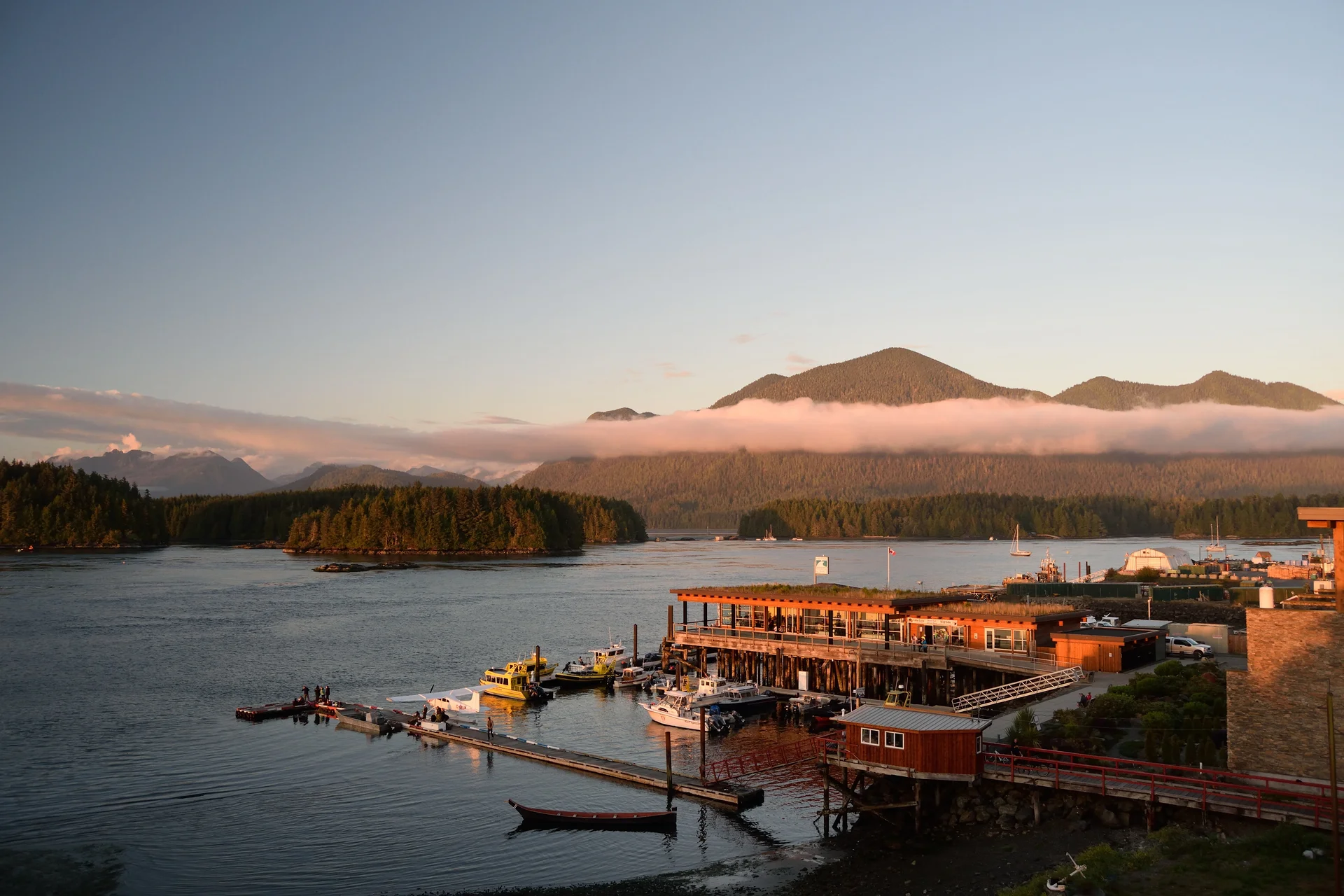
When I arrived here, I had the feeling of being at the end of the world!
Located on the west coast of Vancouver Island, Tofino is a pleasant fishing port.
From the village, I was able to go on a guided tour to watch black bears, which are numerous in the area!
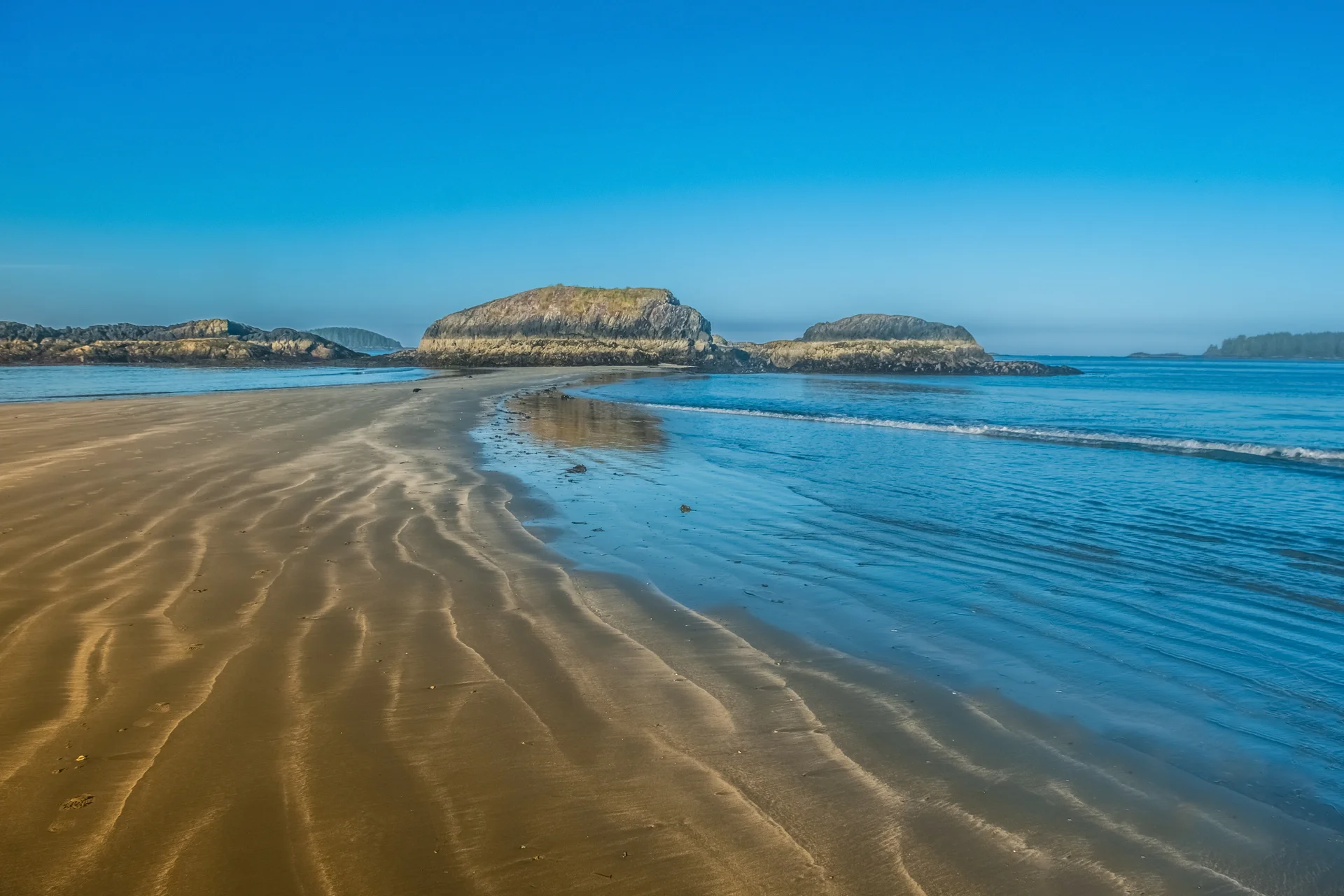
Nature is truly at the city's doorstep with its beaches and deep forests.