
Arrival in Colombo
When you first step off the plane in Sri Lanka, landing at the airport in Negombo, just a few miles from the capital, Colombo, you’re immediately hit by that thick, humid heat, the vibrant chorus of birds, the stunning colors of beautiful saris, and the radiant smiles of the Sri Lankan people. You’ll likely hop into a tuk-tuk, the local mode of transport (a cross between a motorcycle, a moped, and a golf cart), and hold on tight. It’s survival of the fittest on the road here. Drivers navigate these rough, often unpaved routes with no road signs like they’re in a race. While there’s a 60 km/h speed limit, you’ll quickly understand why when you find yourself dodging a cow, a stray dog, or a local Tata bus barreling down the road.
Here are some must-see highlights for a 2-week trip.

The Cultural Triangle
As you travel along the winding roads, you’ll see locals living and working right out in the open. The small shops and eclectic roadside stalls are fascinating and leave you wondering what you might find next. These lush, green routes lead to some of the most impressive cultural sites you’ll ever see, many of which are designated UNESCO World Heritage sites.
Anuradhapura

As the island’s first historical capital, Anuradhapura is now one of the country’s most sacred sites. It is home to a precious cutting from a fig tree brought over from India. Planted here, that tree has grown into the oldest sacred tree in Sri Lanka.
Polonnaruwa

Next is Polonnaruwa, the second capital from the 11th to the 13th century, featuring an impressive 122-hectare archaeological site. You’ll find remarkably well-preserved ruins of temples, palaces, and ancient frescoes.
Kandy

Kandy is now considered the cultural capital of Sri Lanka, home to the Temple of the Tooth and its precious relic: the Sacred Tooth of Buddha.
These three destinations are all UNESCO World Heritage sites. They are the absolute must-sees of the cultural triangle, truly sublime.
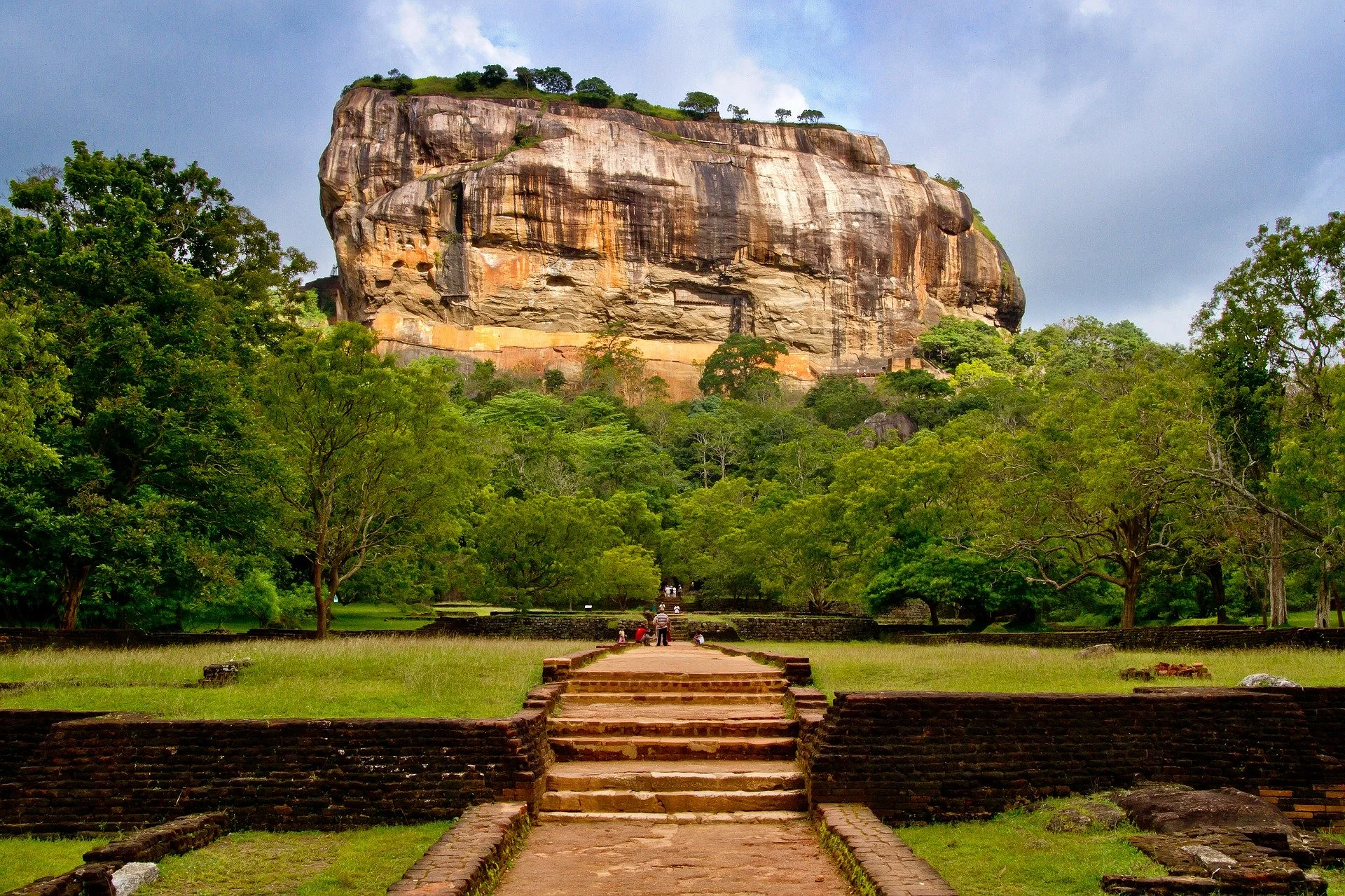
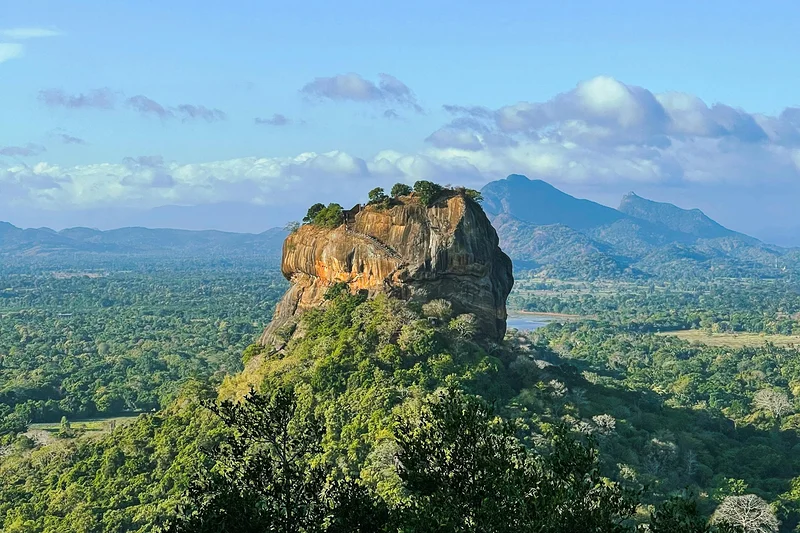
Lion Rock and Dambulla
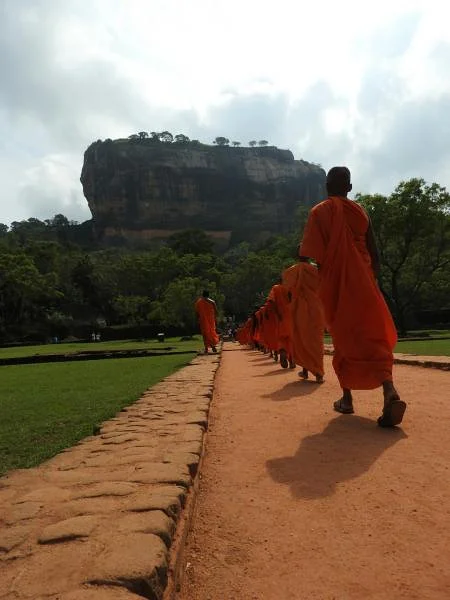
We highly recommend climbing the famous Lion Rock in Sigiriya. This extraordinary natural site, a massive rock formation that once served as a royal palace, is accessible after a fair few steps! At the summit, the 360-degree view of the jungle will leave you speechless. Not far from there, the impressive, richly decorated Dambulla Cave Temple houses no fewer than 157 statues. The Golden Temple, a UNESCO World Heritage site, is also an essential stop.
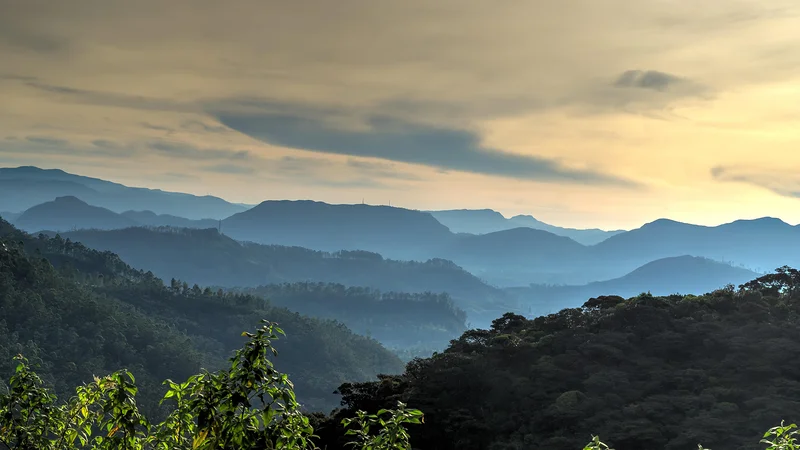
Tea Plantations

As we continue our journey, lush, diverse landscapes roll by, from coconut palms to waterfalls, until we reach the famous tea plantations. These are the pride of the island, formerly known as Ceylon, established by the British colonizers who replaced the original coffee crops. If you get the chance, stop at the Lipton’s Seat lookout, where Sir Thomas Lipton, the British tea tycoon, loved to sit and take in the view.
Other Plantations and Gardens
You’ll also discover magnificent spice gardens filled with powerful scents, including one of the island's most famous exports: cinnamon. In the past, Sri Lanka was the world’s leading exporter.
Take a walk through the massive 65-hectare Peradeniya Botanical Garden near Kandy, which dates back to 1370. This former royal park is home to giant bamboo, rubber trees, Ayurvedic plants, and a stunning collection of orchids, a true haven of peace.
Visiting Galle and the Sri Lankan Coast

Our trip takes us from north to south, east to west. From Colombo, you can take the highway that opened a few months ago and head down to Galle. This southern colonial city offers a completely different vibe, with its fort and distinctive houses left behind by the Dutch and later the British.
If you have the time, drive along the coast between the capital and Galle, stopping at small seaside towns like Bentota and Hikkaduwa. From Galle, continue exploring the coastline by slowly making your way toward Mirissa, Matara, and Tangalle. The south coast is very popular with tourists. The east and southeast coasts, from Batticaloa to Trincomalee, offer their own unique charms and a variety of water sports, depending on what you’re looking for.

Natural Treasures
Adam's Peak
Sri Lanka is packed with plains, national parks, and rugged terrain, making for surprising and sometimes challenging hikes. One such spot is Adam’s Peak. You’ll need a good level of fitness to tackle the 5,200 steps to reach this natural wonder at an altitude of over 2,243 meters. It’s the country’s most important pilgrimage site, bringing together followers of four different religions.
Wildlife Parks

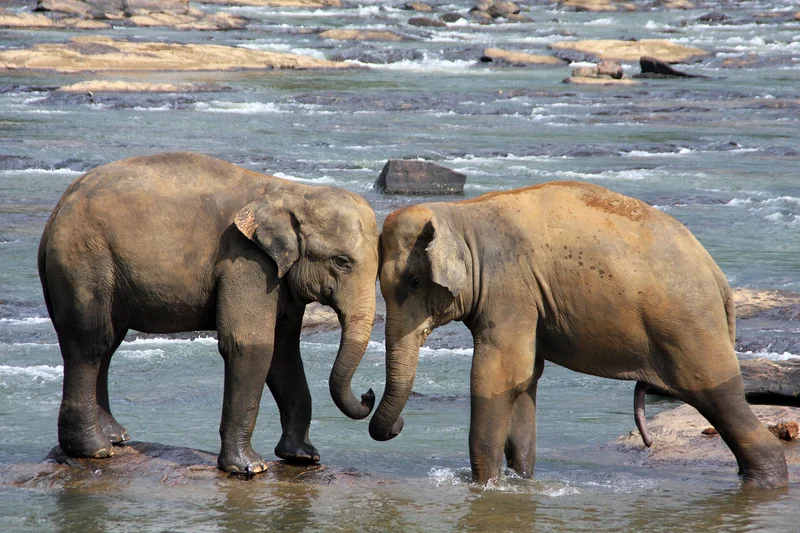
As for wildlife, there are no fewer than 14 parks across the country, including the Wilpattu Reserve in the northwest, Uda Walawe in the south, and Yala National Park, among the most famous. Here, various mammal species, elephants, of course, along with deer, leopards, and crocodiles, coexist with flocks of magnificent birds. You can visit these parks for a day or even go on multi-day safaris.
Return to Colombo and Negombo

We leave these wonders behind to head back to Colombo, a bustling capital that is by turns welcoming and intimidating. The country gained independence in 1948 after British colonial rule. It’s a fascinating city that still bears many traces of the British presence but has forged its own identity with an eclectic urban landscape, mixing traditional housing with ultra-modern towers. The capital is home to a major port, lively markets, and cultural sites, best explored by tuk-tuk, which is an experience in itself.

We head back to Negombo before leaving the island. We’re filled with nostalgia but also plenty of wonderful memories. We take a detour to the waterfront, the fishing port, and the fish market, where the catch is left to dry in the sun on the sand. This mid-sized city is predominantly Catholic, earning it the nickname Little Rome for its many churches.
If you have a little time before heading to the airport, take a boat trip on the lagoon to the nature reserve, where you can spot monkeys, birds, and monitor lizards in the marshlands. You’ll leave thinking that next time, you’ll visit the north of the country, Jaffna, a region that is still relatively unknown but holds no secrets for our French-speaking travel agency.

This is just a glimpse of what’s in store, from culture and nature to wildlife, the sea, and the food. It’s all there to be enjoyed, along with the warm welcome and smiles of the Sri Lankan people. An island with charms at every turn, enchanting and resplendent. There are many ways to describe Sri Lanka, including the "teardrop of India."

Comments (0)
No comments yet. Be the first!