Sri Lanka, the island where every kilometer tells a story
The metallic clatter of steel blades on a hot griddle echoes through roadside shops across the country at sundown. That unmistakable rhythm marks the preparation of the kottu, an iconic dish that embodies the pure energy of this island. Sri Lanka does not just charm you; it captivates anyone willing to lean into its organized chaos and heavy tropical air.
Is this thousand-faced island right for you?
Sri Lanka draws a wide mix of travelers. History and culture buffs find plenty to explore among the ancient ruins of the Cultural Triangle. Surfers track down breaks on the south or east coast depending on the season. Photographers fall for the terraced tea plantations and golden temples, while travelers chasing genuine human connections remember Sri Lankan hospitality long after they leave.
Still, the country requires some adjustment. The heat is relentless: Colombo regularly hits 37°C with over 90% humidity. Travel times are long, buses run packed, and trains are rarely on time. If you expect Swiss efficiency or constant air-conditioned comfort, Sri Lanka will test your patience. Solo female travelers should also expect lingering stares in less touristy pockets, even though the country remains generally safe overall.
A manageable budget for Asia
Sri Lanka delivers strong value for your money. Expect to spend between $29 and $47* per day for a comfortable trip covering guesthouse lodging, local meals, and transit. Major sites like Sigiriya run around $32* to enter, which adds up quickly if you tour several monuments in the Cultural Triangle.
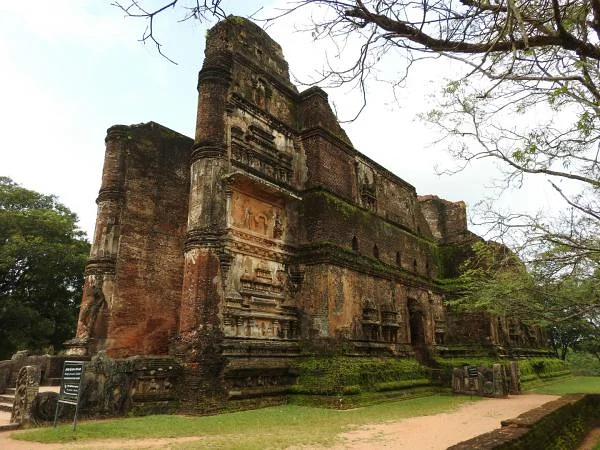
Temples and ruins: 3,000 years of open-air history
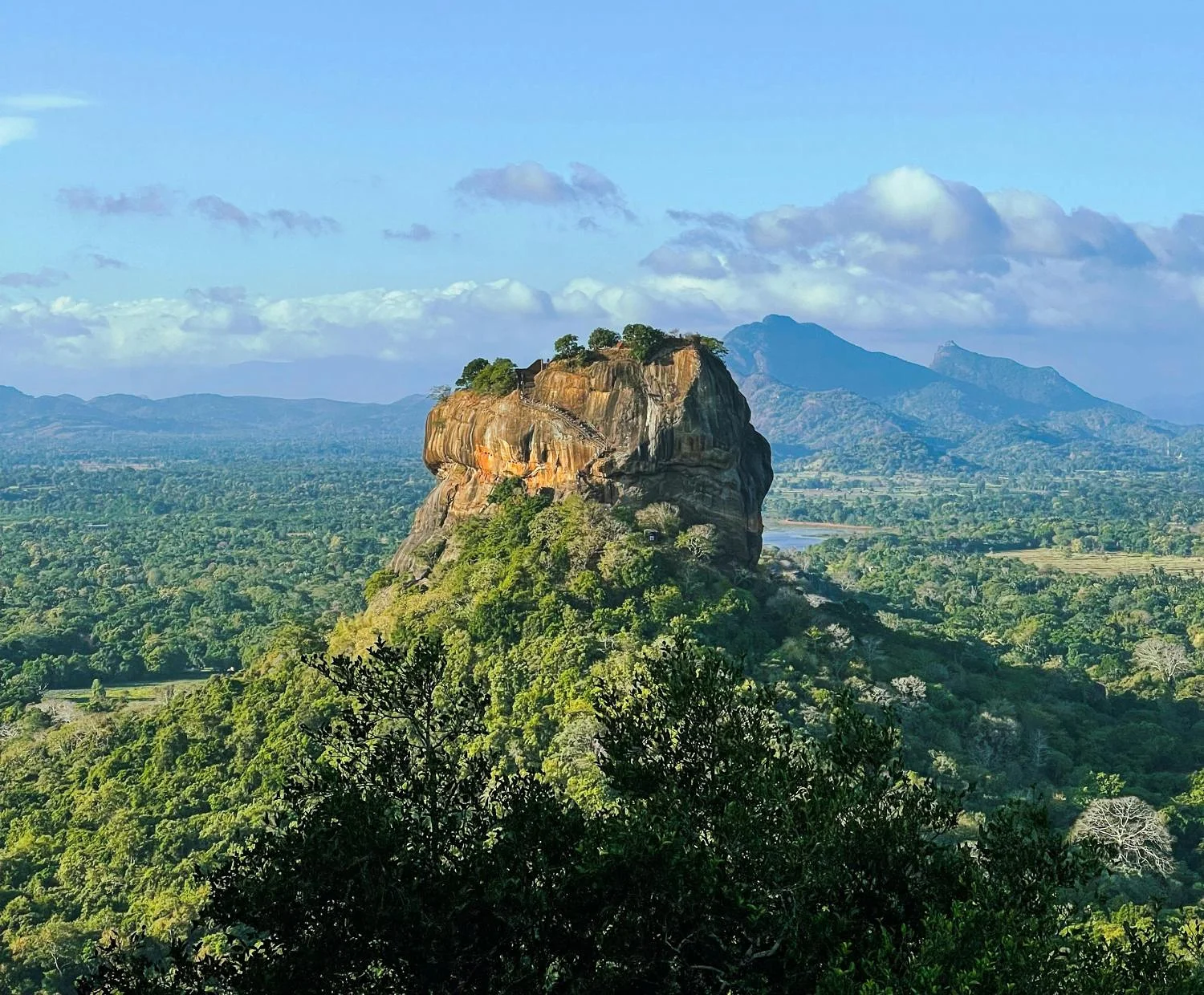
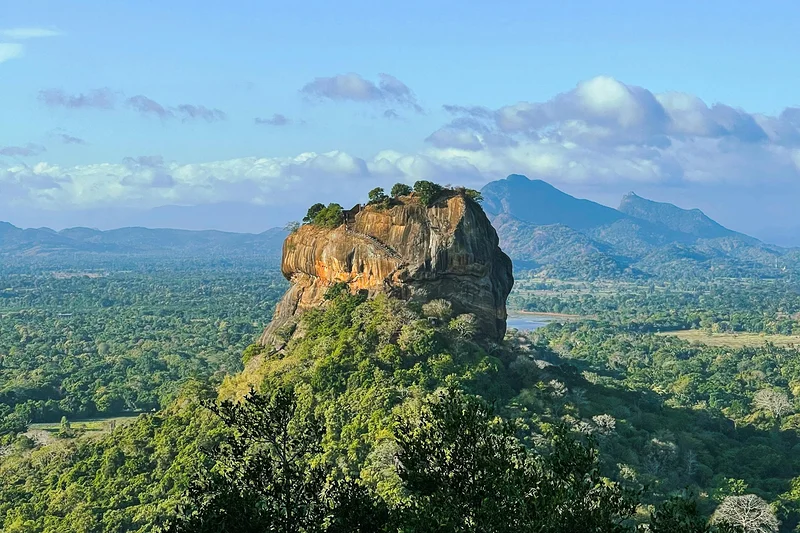
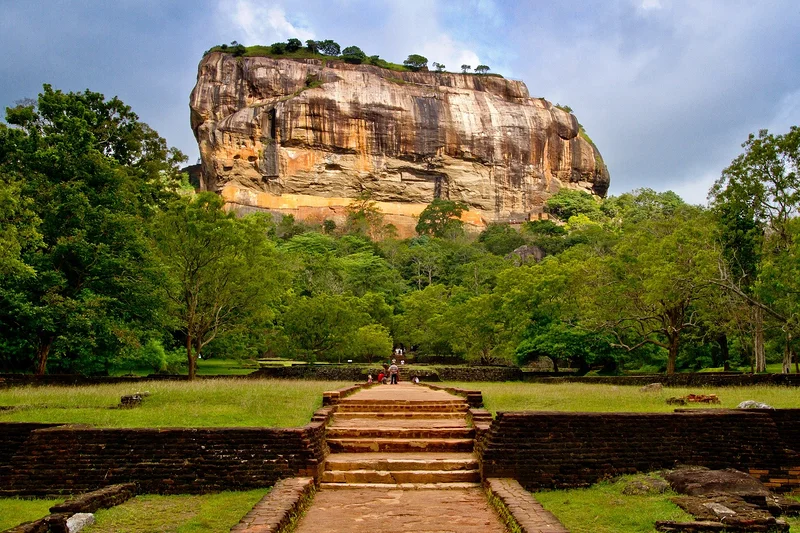
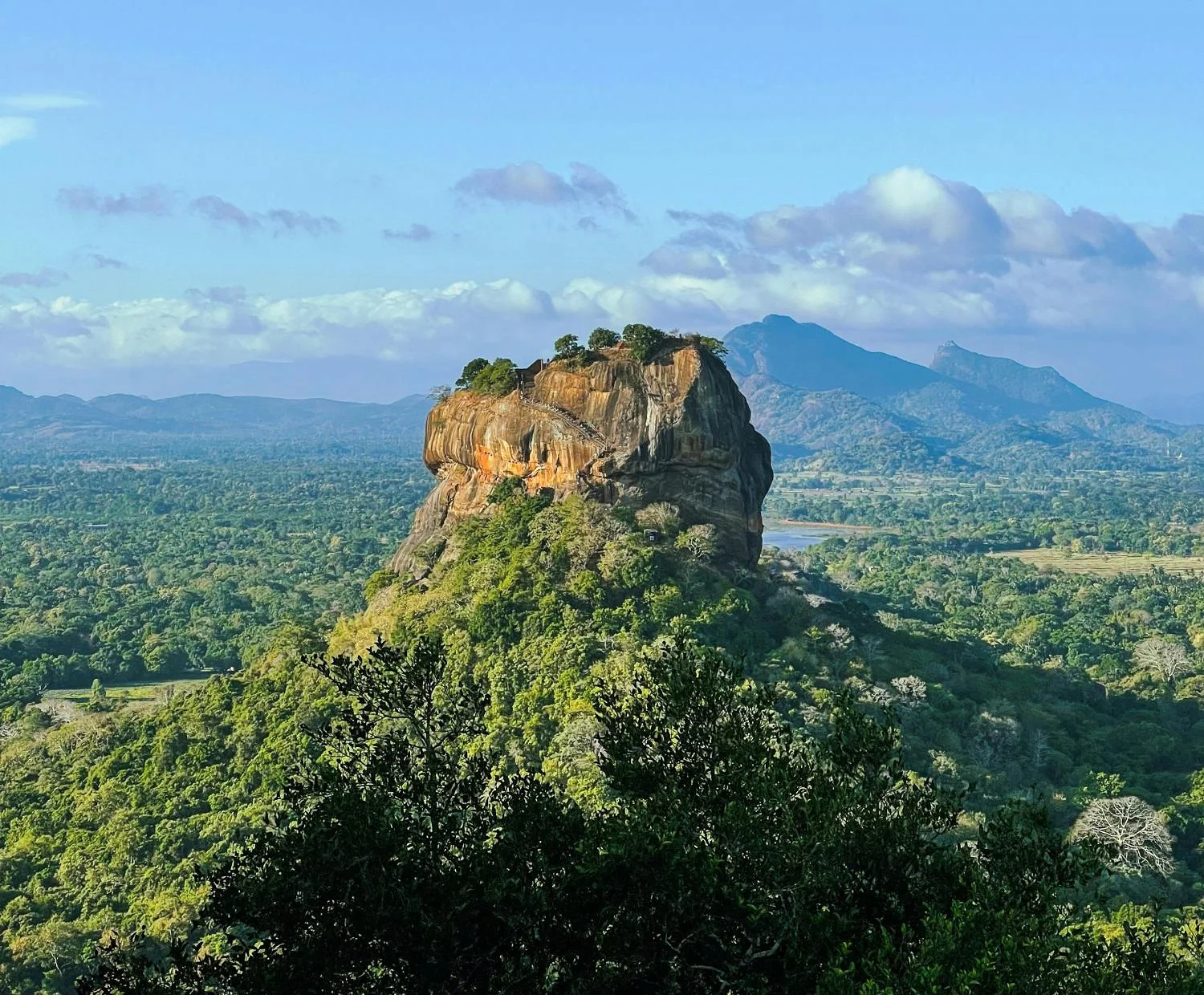
Sri Lanka is home to eight UNESCO World Heritage sites. The fortress of Sigiriya looms over the flatlands from its 200-meter rock perch. Its frescoes of the celestial maidens and ancient water gardens showcase the architectural ambition of King Kassapa back in the 5th century. The climb takes about 1h30 and rewards you with sweeping views over the surrounding jungle.
Just a few kilometers away, Pidurangala offers a quieter alternative. For just 500 rupees, you scale a neighboring rock that hands you the absolute best angle for viewing Sigiriya itself. Head up at dawn to beat the heat and catch the sunrise.
Friendly tip: book your train tickets for the Kandy-Ella route at least 30 days ahead through the official Sri Lankan Railways website. Second-class seats sell out in a matter of hours.
The cave temples of Dambulla hold the largest rock-carved shrine complex in the country. Five connected caverns shelter hundreds of Buddha statues and centuries-old murals. Meanwhile, the Temple of the Tooth in Kandy guards the most sacred relic in Sri Lankan Buddhism.
The highlands: tea, mist, and dizzying panoramas
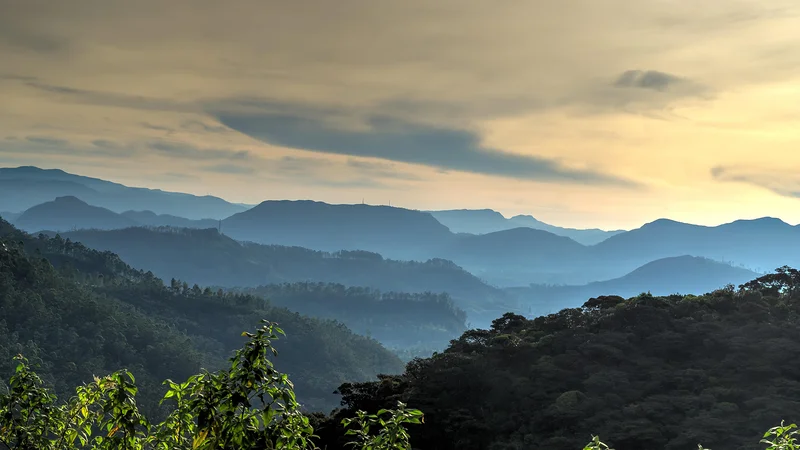
Ella has established itself as a mountain favorite for travelers. This village perched at over 1,000 meters elevation offers a welcome break from the humid coast. The hike up to Little Adam's Peak takes an hour and reveals a valley of green ridges. The Nine Arch Bridge, built entirely from brick in the 1920s, has become one of the defining visual symbols of Sri Lanka.
Hikers looking for tougher terrain head toward the Knuckles range. This UNESCO-listed area stays mostly off the standard tourist radar. Trails cut through cloud forests that shelter endemic reptile and bird species. Riverston and its overlook known as Mini World's End are well worth the detour.
Nuwara Eliya, little England
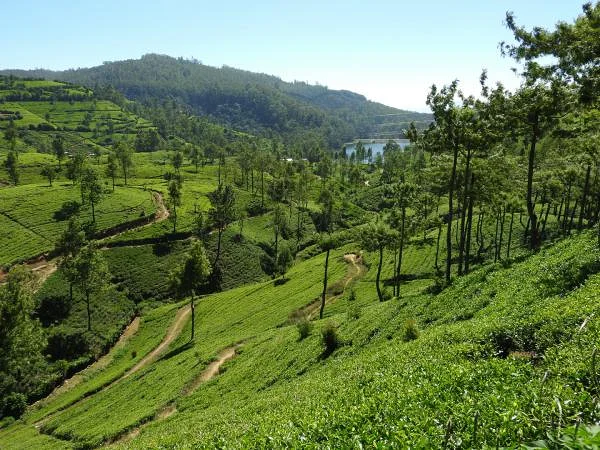
Nuwara Eliya stands out with its colonial buildings and crisp mountain air. Nights can dip below 10°C here. Tea estates grid the rolling hillsides. Tour a working factory to trace how raw leaves become Ceylon tea, the nation's third-largest export.
Coasts and lagoons: beaches for every travel style
The southern shore packs in the most developed beach towns. Mirissa pulls in visitors with golden sand strips, beach bars, and blue whale watching excursions running from November through April. Unawatuna and Weligama suit beginner surfers with consistent, manageable waves.
For more quiet shores, head toward the east coast. Trincomalee along with the beaches of Nilaveli and Uppuveli remain shielded from heavy mass tourism. Arugam Bay on the southeast coast draws experienced surfers from May to September for its famed reef breaks.
Friendly tip: the Kalpitiya peninsula in the northwest flies under the radar. You can spot hundreds of spinner dolphins on early morning boat outings, and the kitesurfing conditions are top-notch.
The reclaimed north: Jaffna and Tamil culture
Cut off to travelers for years during the civil conflict, the Jaffna region is opening back up. This northern city carries a distinctly different vibe from the rest of the country. Tamil culture leads here, Hindu temples outnumber Buddhist stupas, and the food packs more spice and punch.
The Nallur Kandaswamy temple makes an impression with its colorful ceremonies. The island of Nainativu, reached by boat, hosts both a major Hindu temple and Nagadeepa, one of the most sacred Buddhist sites in the country. Jaffna's regional cooking alone justifies the trip: the local crab curry rivals the finest dining across Asia.
Sri Lanka on the plate: spices, coconut, and bold flavors
Sri Lankan cooking rests on three pillars: rice, coconut, and spices. A classic meal centers on a heap of rice flanked by five to eight small side dishes. Each curry carries its own distinct profile: creamy dhal, simmered jackfruit, spiced beetroots, and a fiery coconut sambol sparked with chili.
Kottu roti remains the ultimate street food. This chopped flatbread tossed with vegetables and grilled meat on the grill throws off irresistible aromas. Hoppers, bowl-shaped crepes with crisp edges, show up at breakfast with an egg baked right in the middle. The pol sambol, a condiment built from grated coconut, lime, and chili, rides shotgun at almost every meal. Vegetarians find a goldmine here since most currys are meat-free.
When to visit Sri Lanka?
Sri Lanka welcomes visitors all year, but the monsoons dictate your route. From December to March, focus on the west coast, the south, and the central mountains. From May to September, the east coast and the north catch the best weather. February and March deliver solid sunshine across the entire island.
Peak tourist season runs from December to February along the southern beaches. Lodging rates can double and the shoreline fills up. To dodge the crowds, target March, April, or September and October.
How to get to Sri Lanka?
No direct flights connect France to Sri Lanka. Layovers typically run through Dubai on Emirates or Doha with Qatar Airways. Expect between $760 and $990* for a round-trip economy ticket depending on the season and how early you book.
The electronic travel authorization costs about 50 dollars and requires an online application before departure. It grants a 30-day stay that can be extended once you arrive. All international flights land at Bandaranaike International Airport, sitting 35 km north of Colombo.
How to get around Sri Lanka?
The train stands out as the most scenic way to move around. The run between Kandy and Ella cuts right through tea country and crosses the famous Nine Arch Bridge. Second-class tickets range between $2.40 and $14* depending on the distance. Buses cover the whole island for pennies per kilometer, but comfort is basic and rides run long.
Tuk-tuks handle local hops. Use the PickMe app to skip fare negotiations. Hiring a private car with a driver runs about $58-$81* per day and provides welcome comfort for families. Driving yourself takes steady nerves since traffic laws tend to be treated as friendly suggestions.