Sri Jayawardenepura Kotte, a forgotten capital with royal roots
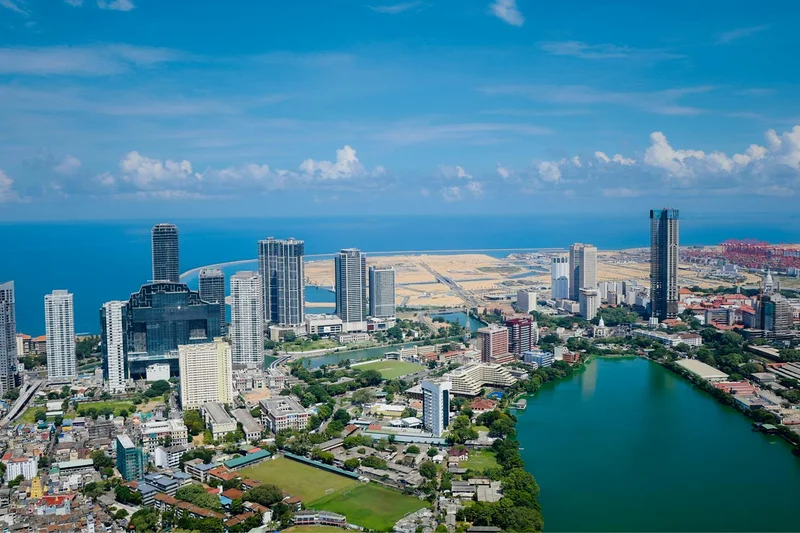
The rhythmic sound of metal choppers striking steel echoes through the alleyways at dusk. That is the cue that kottu roti is being made, a national dish born in the streets of this region. Beneath the concrete and traffic of this Colombo suburb lies a dormant royal city. The last unified Sinhalese kingdom, ruled by Parakramabahu VI, who reigned from 1412 to 1467, held court here, and his capital remained the seat of power into the 16th century.
History played an ironic trick by turning this medieval capital into the seat of the modern Sri Lankan Parliament five centuries later.
A destination for the curious, not for rushed travelers
Let us be frank. If you only have three days in Sri Lanka, Kotte should not sit at the top of your itinerary. The city lacks beaches and dramatic temples you can photograph in half an hour. Instead, it appeals to travelers looking to understand the island's overlooked history, those wanting to spot migratory birds ten minutes from Colombo, or simply anyone who enjoys evening markets where locals gather.
Tourist infrastructure remains limited. Visitors typically come as a day trip from Colombo, since Kotte sits just 8 kilometres away. Archaeological ruins are scattered, poorly signed, and occasionally overgrown. That exact rawness gives the area its appeal for anyone willing to play urban explorer.
A very accessible budget
Plan on about $29 to $45* per day for decent lodging, three meals, and local transit. A plate of kottu roti costs between 300 and 600 rupees depending on the venue. Admission to the Beddegana Wetland Park is nominal for locals and higher for foreigners.
The buried remnants of the Kotte kingdom
The Kotte Raja Maha Viharaya preserves fifteenth-century frescoes where you can still spot Kotte kings alongside early Portuguese visitors. This Buddhist temple, founded by Parakramabahu VI himself, remains an active place of worship. The monks willingly show the murals to respectful visitors.
The ruins of Alakeshwara Palace and the stupas of Veherakanda bear witness to past grandeur. A popular Sri Lankan saying goes "parangiya Kotte giya vage", literally meaning "like the Portuguese went to Kotte". It describes someone taking a roundabout route. Legend says local guides led the Portuguese down winding roads to trick them into thinking the capital sat far from the coast. The roar of Portuguese cannons from the port gave away the ruse.
Friendly tip: The Kotte Museum in Ethul Kotte displays artifacts recovered during excavations and maps out the layout of the ancient city. Start there before heading out to explore the ruins scattered across the modern town.
Nature and birdwatching right outside Colombo
The Beddegana Wetland Park spans 18 hectares of protected marshland. Over 80 bird species have been recorded here, including migratory visitors like the Indian Pitta, barn swallows, and various sandpipers. The migration peak runs from August to April. Wooden boardwalks wind between lotus ponds and patches of vegetation where cormorants and herons nest.
The park opened in 2016 as part of an urban wetland conservation project. An observation tower lets you scan the canopy without disturbing the wildlife. Come early in the morning, between 6 AM and 8 AM, when birds are most active and the heat remains manageable. Plastic bottles are banned at the entrance.
Diyatha Uyana: Kotte's recreational lung
This park along the edge of Lake Diyawanna Oya draws Sri Lankan families on the weekend. Around a hundred colorful stalls sell plants, crafts, traditional sweets, and street food. On Thursdays, the Good Market features organic and local goods, a rare find in this area.
The atmosphere shifts at night. Floating restaurants light up, live music drifts across the terraces, and kottu stands start their metallic percussion. The park stays open late, until at least 10 PM, and serves as a popular walking spot for couples and joggers after sunset.
The Parliament, a modern architectural gem
Designed by Geoffrey Bawa, Sri Lanka's most celebrated architect, the parliamentary complex opened in 1982. It rises from an artificial island in the middle of Lake Diyawanna. Interior access is restricted, but views from the lakefront let you appreciate the elegance of this tropical modernist design interacting with water and light.
Where to eat and drink in Sri Jayawardenepura Kotte?
The culinary scene in Kotte centers on popular Sri Lankan comfort food. The stalls at Diyatha Uyana serve kottu roti, crispy bowl-shaped hoppers, and string hoppers paired with spicy currys. Thuna Paha, located at Waters Edge, offers a more refined take on local cooking.
For breakfast, look for pol roti, coconut flatbreads served with fiery pol sambol. When evening hits, do not miss the kottu. Watching chefs chop ingredients at high speed is part of the experience. The food stalls near Diyatha Park stay open late into the night.
Where to stay in and around Sri Jayawardenepura Kotte?
Hotel options directly in Kotte are modest. Waters Edge overlooks the lake with panoramic views and a fine-dining restaurant. For tighter budgets, guesthouses and homestays dot the residential neighborhoods of Rajagiriya and Battaramulla. Most travelers choose to base themselves in Colombo and reach Kotte in about fifteen minutes.
How to get to and around Sri Jayawardenepura Kotte?
From Bandaranaike International Airport, plan for roughly a one-hour drive and 3,500 to 5,000 rupees by taxi. Buses 171, 177, 190, and 174 connect Colombo Fort to Kotte and Battaramulla for a few dozen rupees. Once you arrive, tuk-tuks are the most practical option. Negotiate the fare before getting in or use the PickMe or Uber apps, which work across the region.
Flights from the US typically require a connection in Europe or the Middle East (such as Dubai, Doha, or Istanbul) before flying into Colombo.
When to go?
The dry season, lasting from December to March, offers the best conditions. Temperatures hover around 28-32°C with minimal rain. The southwest monsoon hits from May to September, making outdoor exploration less pleasant. For cultural immersion, target April for the Sinhalese and Tamil New Year, or May for Vesak Poya and its dramatic light displays.