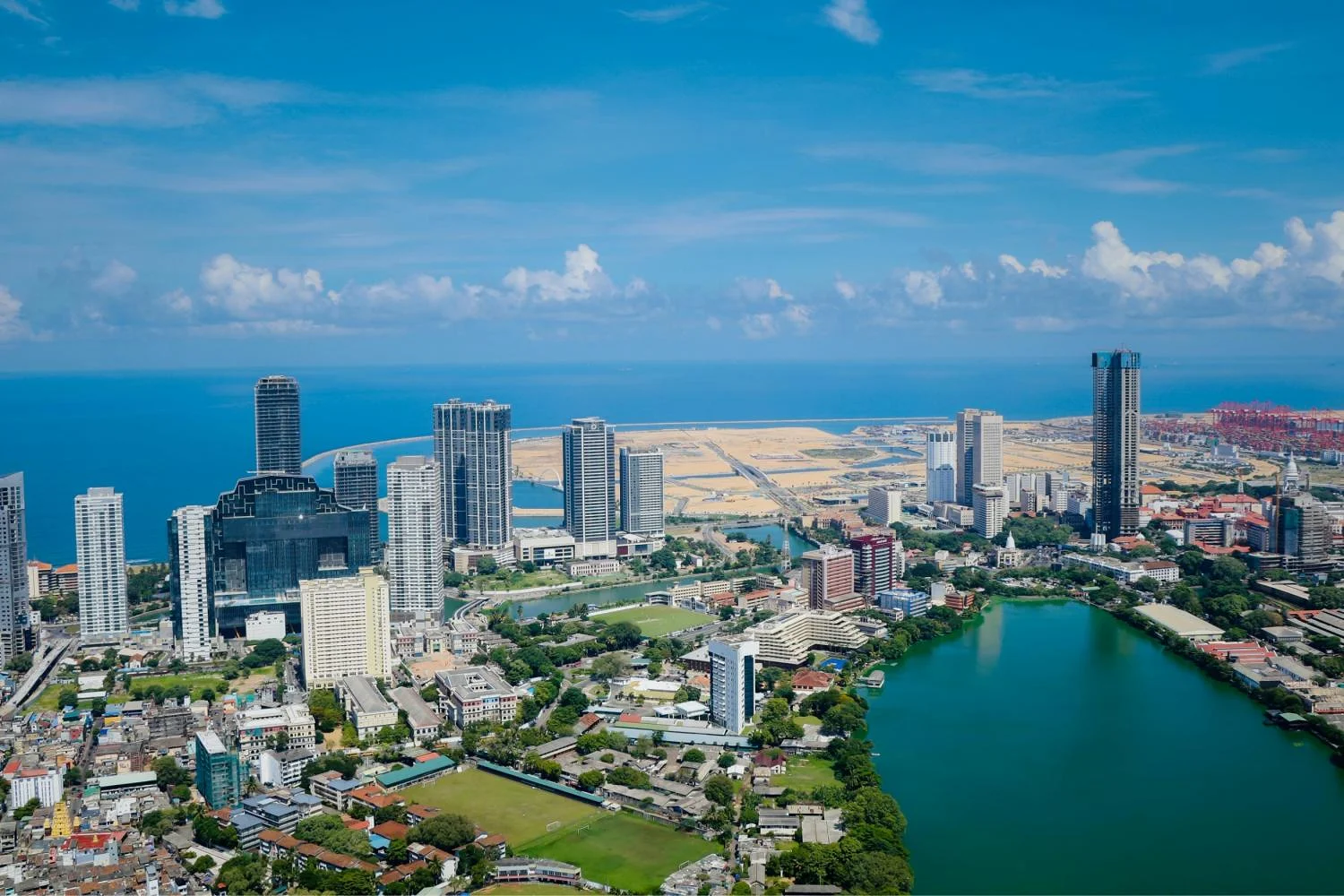
Colombo, where tuk-tuk chaos meets cinnamon gardens
The metallic clatter rings out from across the street. Two steel blades strike rhythmically against a hot griddle, finely chopping flatbread mixed with vegetables and spices. This is the sound of kottu roti, a national dish born in the city's working-class neighborhoods that echoes every evening as a call to dinner.
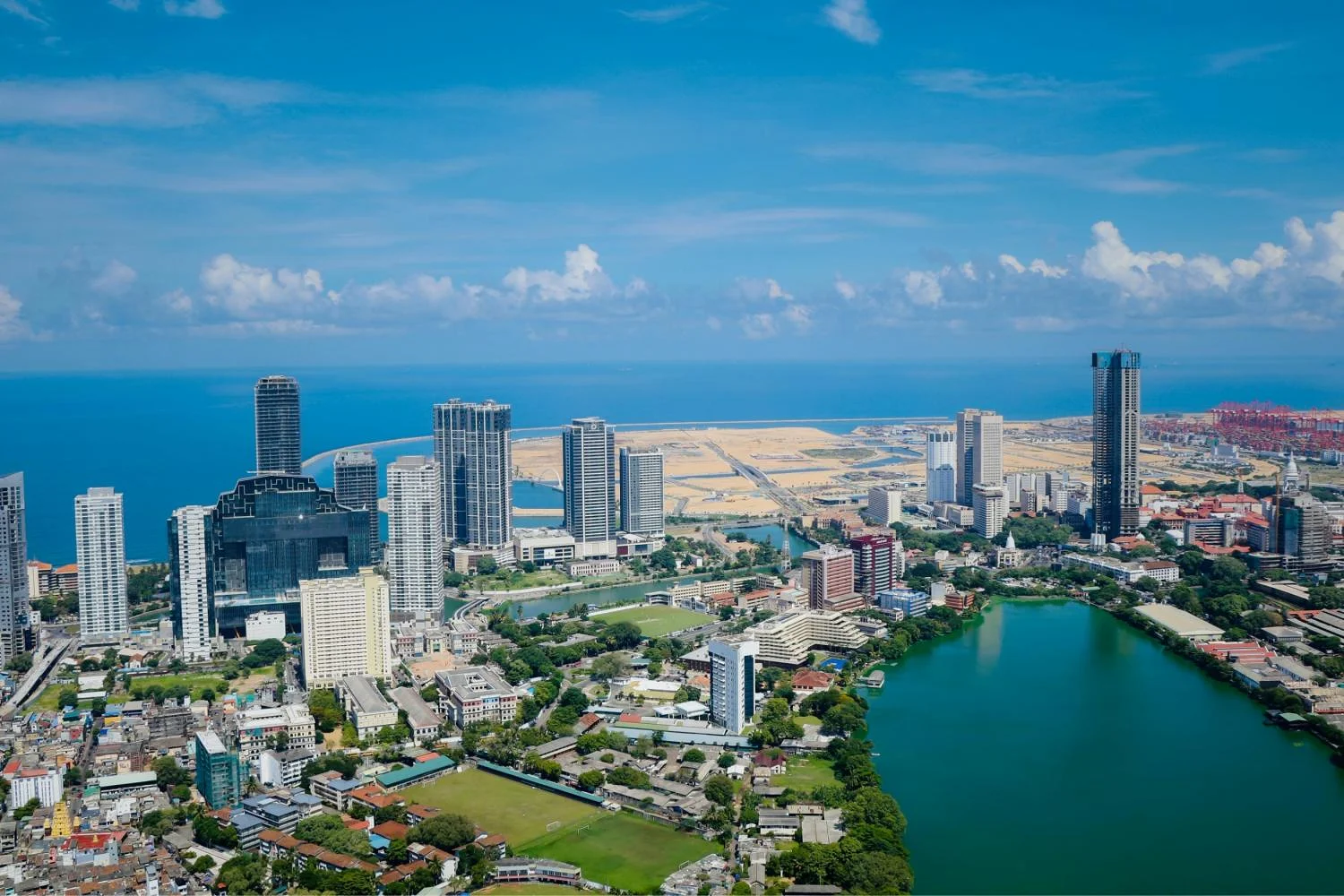
Serving as the economic capital of Sri Lanka for two millennia thanks to its natural harbor, the city has welcomed Arab merchants, Portuguese colonizers, Dutch settlers, and the British. Each left their mark on this metropolis of 5.6 million people, which packs in nearly a quarter of the entire Sri Lankan population.
An unloved city that deserves a stop
Most travelers rush right through the capital, eager to reach the tea plantations or southern beaches. That is a mistake. Beneath the traffic jams and apparent chaos lies a city that is surprisingly clean, safe, and full of contrasts. Fans of architecture, food, and urban life will find plenty to keep them busy. Anyone looking exclusively for ancient temples or wild elephants would do better to head straight inland.
The city stretches for miles along the Indian Ocean. Finding your bearings can feel tricky at first, but the neighborhoods are numbered: Fort is Colombo 1, Slave Island is Colombo 2, Kollupitiya is Colombo 3. Ride-hailing apps like PickMe and Uber work seamlessly, making tuk-tuk travel much more predictable. English is widely understood.
A very approachable budget for Asia
Plan on roughly $40 to $57* a day if you are backpacking, staying in guesthouses, eating local meals, and taking public transit. A dinner of rice and curry with sides costs around $2.30* at a local neighborhood joint. For a more comfortable trip with a four or five-star hotel, upscale dining, and a private driver, budget $169 to $290* per day.
Fort and the colonial district
The Fort neighborhood is a misnomer, as almost nothing remains of the actual fortifications. What survives, however, is the colonial atmosphere along Chatham Street and York Street. Buildings with red-and-white brick arcades recall its past as the nerve center of British administration. The Clock Tower, a former lighthouse converted into a monument, marks the central intersection.
The Old Dutch Hospital, built by the Dutch in the seventeenth century, has been beautifully restored. Today, it houses restaurants, cafes, and boutiques within an airy setting around shaded courtyards. It is the ideal spot to kick off your visit over a cup of Ceylon tea and local pastries.
Friendly tip: The Cargill's and Miller's department store on York Street occupies a red-brick building that has never been renovated since the colonial era. The architecture is well worth a look, even if the merchandise inside is basic.
Pettah, the beating heart of the city
The Pettah market is not for everyone. It is gritty, loud, and packed with tuk-tuks and elbowing crowds. But if you want to see raw local life, this is where it happens. Skip the idea of finding genuine souvenirs here, as most products come from China. Come instead to observe, sip an iced faluda, and grab some fried pastries on the go.
The Jami Ul-Alfar Mosque pops up suddenly down a crowded alleyway. Built in 1908, its red-and-white candy stripes make it one of the most photogenic structures in the city. Visitors of all faiths are welcome outside of prayer times. The Wolvendaal Church, a Dutch church dating back to 1749, hides a few streets away. Its interior has not been renovated in nearly 250 years.
Galle Face Green and the oceanfront promenade
This half-mile stretch of lawn runs alongside the Indian Ocean in front of the grand hotels. Every evening, Sri Lankan families gather here to fly kites, picnic, and watch the sun drop into the sea. Street vendors sell isso vade, which are spicy, crispy shrimp and lentil fritters best enjoyed while sitting right on the grass.
The Galle Face Hotel, opened in 1864, is one of the oldest continuously operating hotels in Asia. Even if you are not staying overnight, grab a drink on the veranda to soak in the views and the faded charm of this colonial relic.
The legacy of Geoffrey Bawa
It is impossible to talk about architecture in Colombo without mentioning Geoffrey Bawa, the father of tropical modernism. His personal residence, Number 11, is tucked away at the end of a dead end in the residential neighborhood of Bagatalle Road. Bawa spent forty years turning four adjacent row houses into a maze of small courtyards, terraces, and shifting light. Visits are by appointment only, and photography is prohibited in most rooms.
Friendly tip: Just steps from Number 11, the Gallery Cafe occupies Bawa's former office. The setting is stunning and the food is refined. It is a great spot to pause after your visit, though prices run higher than average.
Temples, parks, and museums
The Gangaramaya Temple is the city's most visited Buddhist temple. Its eclectic architecture blends Sri Lankan, Thai, Indian, and Chinese influences. The adjoining museum holds a fascinating mix of vintage cars, an elephant skeleton, and thousands of statuettes. In February, during the full moon, the temple hosts a nighttime procession featuring decorated elephants.
Nearby, the Seema Malakaya floats on Beira Lake. Designed by Geoffrey Bawa, this meditation center offers a quiet bubble right in the middle of urban rush. Viharamahadevi Park, the largest park in town, features a 4.5-meter golden bronze Buddha statue. Families head there on Sundays to enjoy the playgrounds and shaded pathways.
The National Museum, founded in 1877 inside an imposing colonial building, traces Sri Lankan history from the Stone Age through the colonial era. The crown and throne of the Kandyan kings, along with an impressive collection of demon masks, easily justify a two-hour visit.
Where to eat and drink in Colombo?
The city's food scene swings between humble neighborhood canteens and high-end dining rooms. For a traditional rice and curry served with half a dozen side dishes, Upali's is a safe bet loved by locals and travelers alike. Make reservations for lunch, as tables fill up fast.
Seafood fans have to try the Ministry of Crab, located inside the Old Dutch Hospital. The Garlic Chilli Crab and the Jaffna-style Crab Curry regularly land on lists of Asia's best restaurants. Prices are steep, but the experience makes it worth the splurge. Nuga Gama, at the Cinnamon Grand Hotel, serves a local buffet under a 200-year-old banyan tree designed to look like a traditional village.
For hoppers, bowl-shaped rice flour crepes with soft centers and crispy edges, the Palmyrah restaurant at the Renuka Hotel is a top pick. Its coconut milk hoppers are tough to find anywhere else in town.
Where to stay in and around Colombo?
The neighborhoods of Kollupitiya and Bambalapitiya hold most of the accessible hotel options. You will find reasonably priced guesthouses there with easy access to major sights. Cinnamon Gardens, which is quieter and more residential, is home to upscale addresses and foreign embassies.
If your flight arrives late or departs early, Negombo, located ten minutes from the airport, offers a quieter beach alternative to downtown. The beach at Mount Lavinia, twenty-five minutes south, combines a coastal vibe with easy access to the capital.
How to get to and around Colombo?
Bandaranaike International Airport sits 32 kilometers north of the city. Plan on a good hour-long taxi ride depending on traffic. Official counters offer flat rates that tend to run high. Ride-sharing apps like PickMe and Uber let you book a car for a fixed price, often costing half as much.
Flights from the US generally require at least one connection in Europe or the Middle East, with total travel time starting around 18 to 22 hours depending on your departure city. Gulf carriers frequently offer competitive fares with layovers in Dubai, Doha, or Abu Dhabi. Expect $680 to $1,130* in the low season.
Colombo Fort railway station is the departure point for trains heading to Galle, Kandy, and Ella. The southern coastal rail line runs right along the ocean, offering spectacular views out the open windows. Once in the city, stick to ride-hailing tuk-tuks to skip endless fare negotiations.
When to go?
The best time to visit runs from December to March during the dry season. The climate stays hot and humid year-round, but rain showers are rare and brief during these months. The southwest monsoon hits from May to September, bringing heavy downpours that can put a damper on outdoor sightseeing.