Brazil hits you before you even leave the airport
The humid heat wraps around you the moment you step off the plane in Rio de Janeiro. Taxis lean on their horns, samba drifts out of a passing car, and a street vendor calls out to you in Portuguese. This country is roughly the size of the continental US and it does nothing halfway: beaches stretch for miles, the Amazon covers a third of the territory, and the parties run for days.
A trip to Brazil takes real preparation and honest expectations

Let's be straight about it: Brazil works best for travelers who can roll with a certain level of chaos and aren't expecting US-hotel consistency everywhere. Infrastructure varies enormously by region. Rio and São Paulo have metros, solid restaurants, and modern hotels. Once you leave the major cities, roads can get rough and schedules become more of a suggestion than a guarantee.
Portuguese is the language, full stop. Fewer than 10% of Brazilians speak English. Downloading Google Translate or learning a handful of basic phrases makes a real difference out there.
Is Brazil safe to travel?
Safety deserves an honest conversation. Crime statistics are high, particularly in Rio and certain neighborhoods of other major cities. That doesn't mean you'll automatically have problems, but you need to stay aware at all times. Leave the jewelry at home, keep your phone in your pocket, and skip the late-night walks through empty streets. Apps like Uber and 99 are far better options than hailing a cab off the street. Tourist areas like Copacabana and Ipanema are generally fine during the day, with a visible police presence. Steer clear of the favelas entirely, even with a guide, because the situation on the ground can shift without warning.
Budget depends entirely on how you travel
Budget travelers sleeping in hostels, eating at pay-by-weight restaurants, and taking buses can get by on roughly 200 to 300 BRL per day (about $40 to $60). A mid-range trip with a decent hotel and some activities runs 400 to 600 BRL per day (around $80 to $120). Domestic flights on Gol, Azul, or LATAM add up fast, but the distances are so large that flying sometimes becomes unavoidable. Amazon or Pantanal expeditions run easily 1,500 BRL or more for three days (around $300).
Rio: between the postcard version and the real city
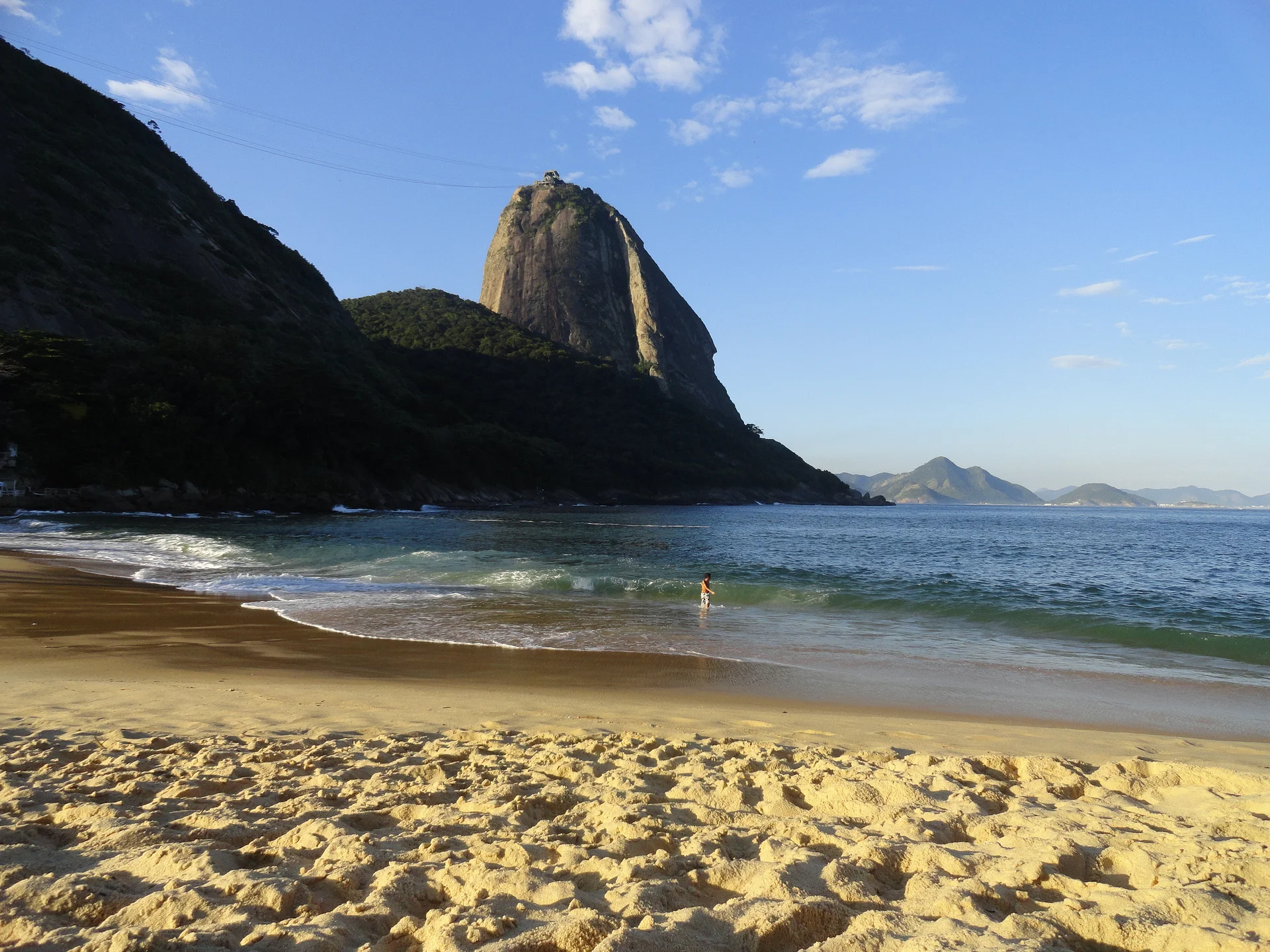
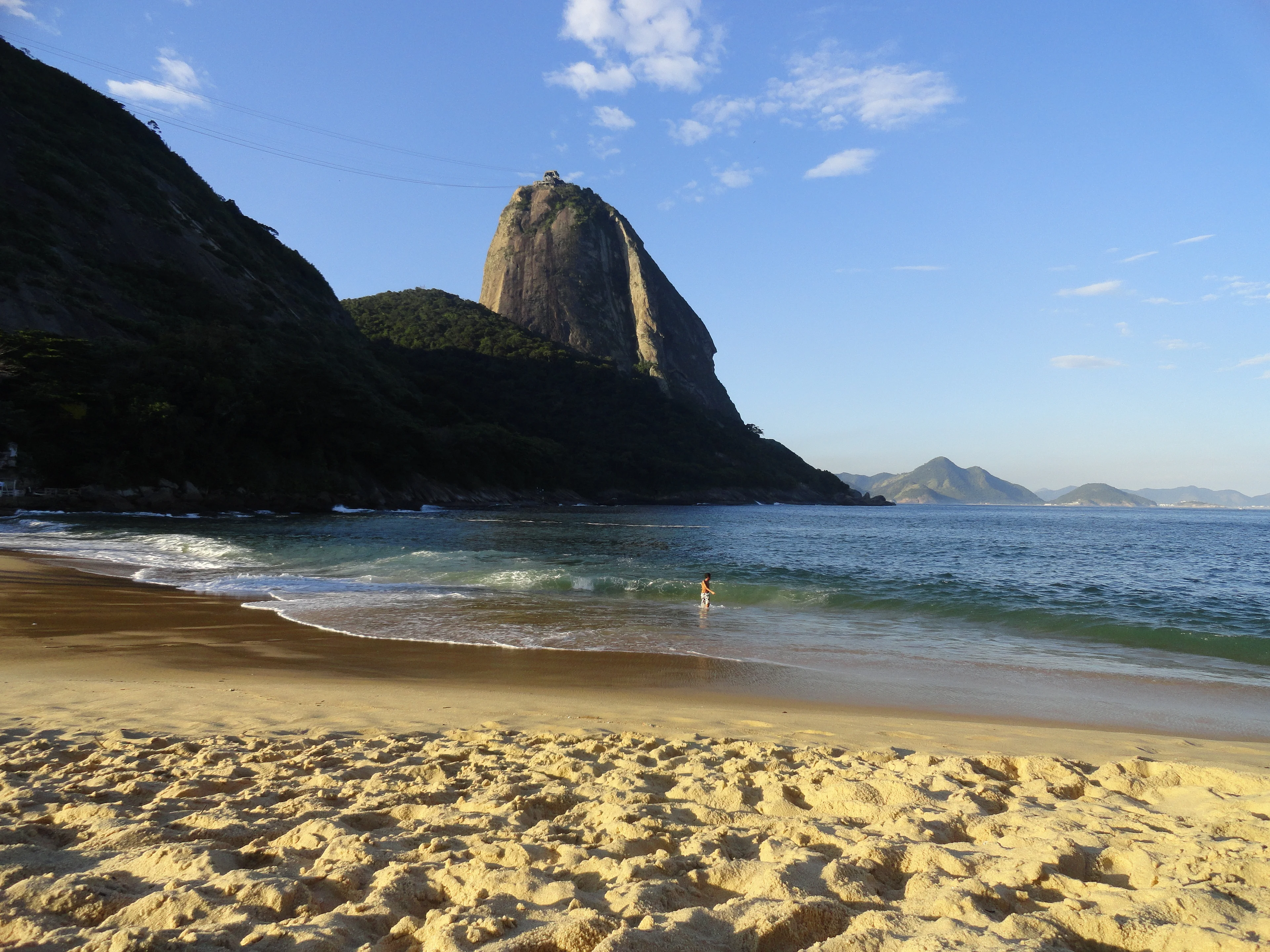
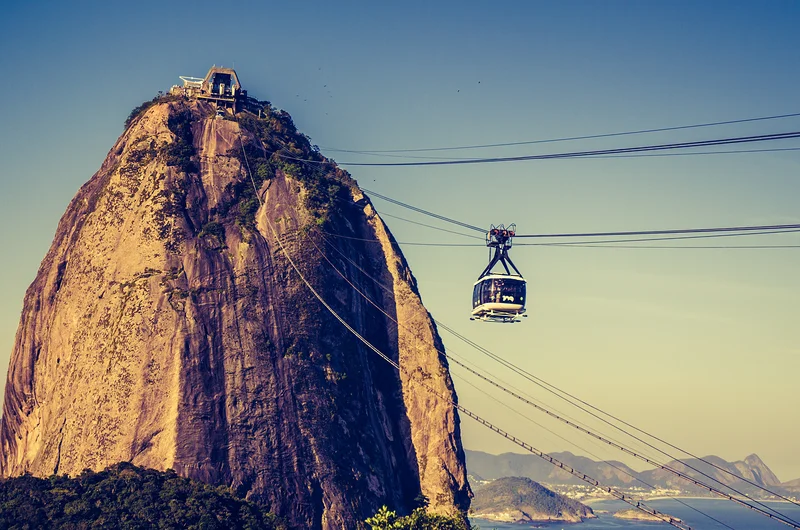
The "Marvelous City" earns its nickname when you ride the cable car up Sugarloaf Mountain. The bay glitters below, the mountains drop straight into the ocean, and the Christ the Redeemer statue looks down from the top of Corcovado. Both sites are worth hitting early in the morning to beat the crowds and get better light. Booking tickets online saves you at least an hour in line, especially during high season.
Copacabana and Ipanema beaches are institutions, but don't expect a secluded tropical paradise. The sand is packed with cariocas playing soccer, drinking beers, and blasting music. The vibe is festive, loud, and relentless. Swim with caution since the currents can catch you off guard. Vendors pass by every five minutes offering cold beers, sarongs, or peanuts. Always leave someone watching your stuff, even for a quick dip.
The Lapa neighborhood comes alive at night with samba bars and clubs, but it's also one of the spots where you need to be most alert. The Arcos da Lapa aqueduct and the Escadaria Selarón (a staircase covered in roughly 2,000 colorful tiles) are best photographed during the day. Santa Teresa, a bohemian hillside neighborhood above the city, has cobblestone streets lined with artists' studios and good restaurants. The historic yellow tram crawls up the steep slopes for a slow, scenic ride.
Insider tip: pay-by-weight restaurants (restaurantes a quilo) are the best way to eat local without overspending. Plates run 15 to 25 BRL (about $3 to $5). You pick what you want, put it on the scale, and pay by weight. Perfect for sampling a bunch of dishes without committing to a single order.
The Amazon and the Pantanal for wildlife

The Amazon takes effort. You fly into Manaus or Belém, then board a boat or head to a jungle lodge. You need at least three days to get far enough in to spot caimans, pink river dolphins, howler monkeys, and an overwhelming number of bird species. The humidity drains you, the mosquitoes are relentless no matter how much repellent you use, and sleeping in a hammock under a mosquito net isn't for everyone. But drifting down an Amazon tributary at sunrise with the forest going full volume around you is the kind of thing you don't forget.
Local guides know the forest cold and spot animals you'd walk right past on your own. Some lodges offer canopy-level nights or visits to indigenous communities. The best window to visit is July through September, during the dry season. April through June brings muddy trails and limits certain activities.
The Pantanal, a massive wetland on the border with Paraguay and Bolivia, actually gives you better odds of seeing wildlife than the Amazon. Jaguars, capybaras, anacondas, hyacinth macaws, and hundreds of bird species live across these flooded plains. Think of it as Brazil's version of the Serengeti, but with a South American cast. Former cattle ranches converted into lodges run 4x4 safaris, nighttime boat excursions, and horseback rides. All-inclusive rates start around 500 BRL per day (roughly $100), which is a solid investment if wildlife is your main reason for coming.
Natural wonders that are genuinely hard to picture until you're there

Iguaçu Falls on the Argentine border defies any description you've read. All 275 cascades roar at once, throwing up walls of mist that produce near-constant rainbows. If you've been to Niagara Falls, multiply that by several times in sheer width and raw force. The Brazilian side gives you the panoramic view; the Argentine side gets you up close on walkways that hang right over the water. Budget a full day on each side and bring a rain jacket because you will get soaked. The city of Foz do Iguaçu is a functional base with no particular charm.

The Lençóis Maranhenses in the Northeast look like a scene from another planet. White sand dunes stretch across 380,000 acres, dotted with turquoise lagoons that form after the rainy season. From June to September, these natural pools are at their fullest. Access is through Barreirinhas, a small town that's been growing fast on the back of tourism. The 4x4 excursions followed by hikes across the dunes under full sun require decent physical shape.
Salvador and the Northeast coast

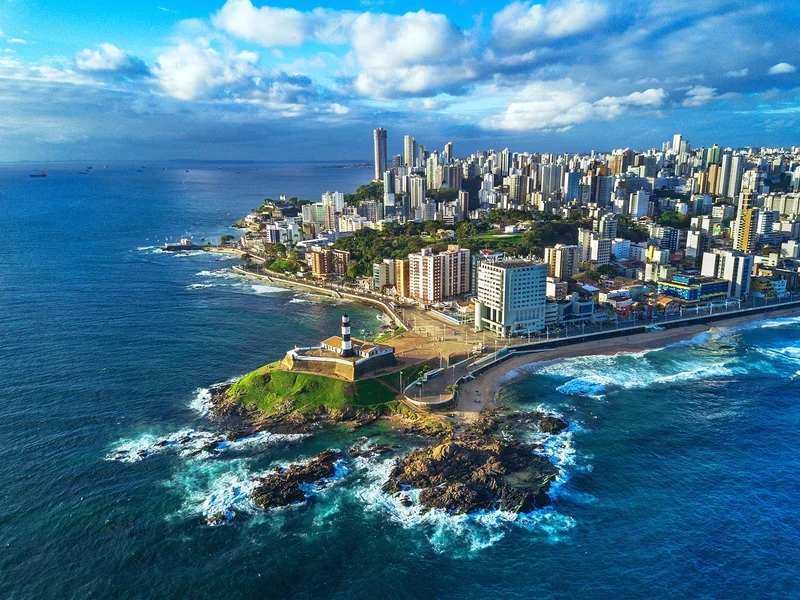
Salvador de Bahia runs on its Afro-Brazilian roots. The Pelourinho, the colonial historic center with its brightly painted facades, packs in baroque churches, art galleries, and restaurants serving Bahian cuisine. Capoeira demonstrations fill the plazas, and drum rhythms echo through the cobblestone streets. The city has a character entirely its own, different from anything you'll find in Rio or São Paulo. On Sundays, the Bonfim church draws thousands for candomblé ceremonies, a syncretic religion that blends West African beliefs with Catholicism.
Down the coast, the beaches at Morro de São Paulo, Itacaré, and Trancoso deliver fine sand, palm trees, and a relaxed pace. Jericoacoara in Ceará pulls in kitesurfers and a party crowd. Fernando de Noronha, a protected archipelago about 220 miles offshore, has some of the clearest water and best marine life in the South Atlantic, comparable to the top dive spots in the Caribbean but with fewer crowds. The daily environmental fee of 100 BRL (about $20) plus high accommodation prices keeps the numbers down.
São Paulo and Brasília: two completely different cities
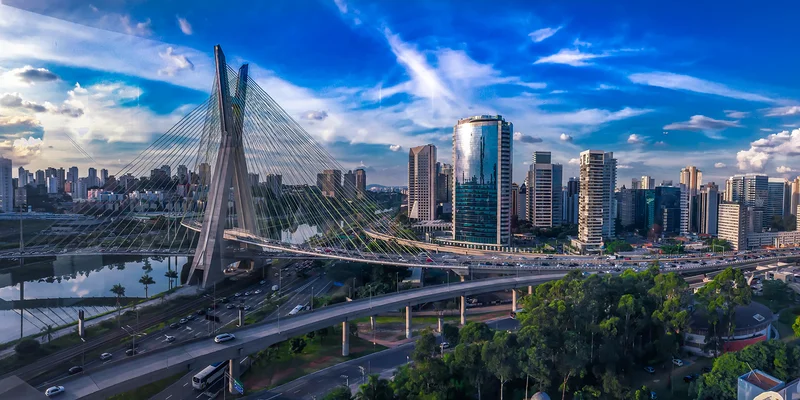
São Paulo operates at a scale that takes a moment to absorb. Twelve million people, 30,000 restaurants, and a cultural scene with theaters, museums, and nightlife that genuinely doesn't stop. The Vila Madalena neighborhood is covered floor to ceiling in street art. Liberdade is home to the largest Japanese community outside Japan. Avenida Paulista concentrates shops and museums along its length. São Paulo isn't a traditional tourist city and doesn't try to be. You come for the energy and the food, which pulls from every corner of the world.
Brasília, the federal capital designed by Oscar Niemeyer and built in just four years in the late 1950s, is an open-air architecture museum. The Metropolitan Cathedral with its hyperboloid structure, the National Congress with its twin towers, and the Palácio da Alvorada are bold even by today's standards. The absence of a traditional downtown and the enormous distances between districts make it a slightly disorienting place to explore on foot.
Brazilian food: generous, layered, and unlike anything back home

Feijoada, the national dish, slow-cooks black beans with several cuts of pork for hours. Restaurants traditionally serve it on Wednesdays and Saturdays, alongside rice, orange slices, and farofa (toasted cassava flour that adds a crunchy texture). Wash it down with a caipirinha, a cocktail made from cachaça (Brazilian sugarcane spirit), lime, and sugar. It goes down easy and sneaks up on you fast.
Pão de queijo, small cheese bread rolls, are eaten at any hour of the day. Coxinhas, teardrop-shaped fried dough stuffed with shredded chicken, are sold at bakeries and street stalls throughout the country. Moqueca, a Bahian stew of fish or shrimp cooked in coconut milk and palm oil, arrives steaming in a clay pot. At a churrascaria, you pay a fixed price and servers keep bringing skewers of grilled meat to your table until you signal them to stop.
Tropical fruit juices are everywhere and genuinely refreshing: açaí, cupuaçu, maracujá (passion fruit), caju (cashew fruit). Açaí is served as a thick bowl topped with granola and banana slices, especially popular after a beach session. Markets carry fruit you won't find back in the US. Brigadeiros, chocolate truffles made from condensed milk and cocoa powder, are the standard way to end a meal.
When to go: southern summer or dry season
High season runs December through March, during the Brazilian summer. Temperatures hit 95°F with high humidity, beaches are packed, and prices jump 30 to 50%. Carnival in February or early March turns Rio into a four-day nonstop celebration. Tickets to the samba school parades at the Sambadrome need to be booked months in advance. The energy is electric, but the city is at maximum capacity.
May through September brings cooler temperatures to the south of the country, making it the right time for São Paulo, Foz do Iguaçu, and the colonial towns. The Northeast stays warm year-round. This stretch is also the best window for the Amazon and the Pantanal, with less rain and better wildlife visibility. The Lençóis Maranhenses lagoons are at their fullest from June to September.
The shoulder and low season from March to November brings lower prices and thinner crowds. Tropical rains from April to July can disrupt some activities, but they rarely last the whole day. Local festivals like the Festas Juninas in June celebrate popular saints with bonfires, folk dancing, and traditional food, particularly in the Northeast.
Getting to Brazil from the US
Direct flights from major US hubs (Miami, New York, Houston, Los Angeles) to Rio or São Paulo run roughly 9 to 11 hours. American, United, LATAM, and Azul all operate routes. Fares in low season typically start around $600 to $900 round-trip; expect to pay significantly more during the holidays or Carnival. Routing through Lisbon on TAP sometimes turns up competitive prices if you have flexibility.
US passport holders do not need a visa for tourist stays of up to 90 days. Your passport needs to be valid for at least six months beyond your entry date. The yellow fever vaccine is strongly recommended if you're visiting the Amazon or the Pantanal, and some areas require proof of vaccination. Get the shot at least ten days before departure.
Overland entry from Argentina, Paraguay, Uruguay, or Bolivia is an option if you're already traveling through South America. Long-distance buses cross the borders with all the standard checks. A Buenos Aires to Foz do Iguaçu bus run takes around 18 hours.
Getting around a country the size of a continent
Domestic flights become essential once you look at the distances. Rio to Manaus is about 1,750 miles; São Paulo to Salvador is close to 950 miles. Gol, Azul, and LATAM keep fares competitive if you book ahead, typically 400 to 750 BRL per domestic leg (roughly $80 to $150). Major airports connect to city centers by metro, bus, or rideshare app.
Long-distance buses are a solid budget option with semi-reclining seats that are reasonably comfortable. Companies like Gontijo, Itapemirim, and Cometa cover most of the country. A Rio to São Paulo ticket runs about 50 BRL ($10) and takes six hours. Overnight routes let you skip a night's accommodation. Bus terminals are usually on the outskirts of cities, so factor in an Uber to get to the center.
In the major cities, the metros in Rio and São Paulo are reliable and easy to use. Uber and 99 work everywhere and cost a fraction of what you'd pay back home, typically 10 to 25 BRL per ride (about $2 to $5) for an average city trip. Avoid street taxis except at regulated airport stands. Renting a car makes sense for exploring certain coastal areas or national parks, but aggressive local driving habits and inconsistent road signage require patience and a calm head.