Visiting Mexico: Ancient Civilizations Meet the Caribbean
The smell of corn roasting over an open flame, the deep green of a cenote hidden in the jungle, a Maya pyramid rising above the tree canopy. Mexico hits hard. This country of 130 million people has more UNESCO World Heritage Sites than any other nation in Latin America, and the sheer range of what's here makes one trip feel like five different countries.
From the turquoise coastline of the Yucatán to the snow-capped volcanoes of the central highlands, from Spanish colonial cities to the indigenous villages of Chiapas, you won't cover it all in a single visit. Plan accordingly.
A Destination That Rewards Preparation
Mexico works well for travelers willing to do a little homework. Tourist-heavy zones like the Yucatán, Campeche, and the Riviera Maya are generally safe with standard precautions. Other states, including Guerrero, Sinaloa, and Michoacán, carry active US State Department travel advisories, and you should check those before finalizing any itinerary. Outside resort areas and major cities, English is rarely spoken, so a few phrases of Spanish go a long way.
Three weeks lets you combine Mexico City, Maya ruins, and beach time. Two weeks is enough to go deep into one region. A week in Cancún or Tulum gives you a taste, but not the full picture.
Budget: What to Expect
Backpacker mode with hostels and street food runs roughly 400 to 800 MXN per day (about $20-40). A comfortable mid-range budget of 1,200 to 2,400 MXN ($60-120) covers decent hotels, sit-down restaurants, and day tours. All-inclusive resorts on the Riviera Maya regularly run 4,000 MXN or more per night ($200+).
Pre-Columbian Sites That Stay With You
- Chichén Itzá is the most visited Maya site in the country and one of the New Seven Wonders of the World. The Pyramid of Kukulcán is the centerpiece, and the crowds reflect that. Get there when it opens at 8 a.m. before the tour buses roll in from Cancún. Admission for foreign visitors runs about 600 pesos ($30).
- Palenque is a completely different experience. This Maya city rises out of the Chiapas jungle with a quiet intensity that Chichén Itzá can't match. The temples and palace show a level of architectural refinement that's genuinely impressive. The site opens at 8 a.m., and the humidity makes an early start non-negotiable.
- Teotihuacán, about an hour from Mexico City, predates both the Maya and Aztec civilizations. The Pyramids of the Sun and Moon anchor a ceremonial avenue stretching 2.5 kilometers. Buses leave from Mexico City's central bus station every 15 minutes for about 50 pesos ($2.50).
Insider tip: The site of Calakmul, deep in the Campeche jungle, offers a far more intimate experience than Chichén Itzá. The main pyramid tops out at 45 meters, and the view over the forest canopy is something else entirely. Budget a full day from Bacalar or Campeche to make it work.
Cenotes and Lagoons That Don't Look Real
The Yucatán has more than 6,000 cenotes, natural sinkholes filled with crystal-clear freshwater. Think of them as the region's version of Blue Hole diving, but accessible to anyone who can swim. Some have become crowded attractions; others are barely visited. Near Valladolid, cenotes Oxman, Suytun, and Ik Kil are easy to combine in a single day. Entry fees range from 100 to 250 pesos ($5-12) depending on the site.
Laguna Bacalar, nicknamed the Lake of Seven Colors, is a legitimate alternative to the overcrowded Riviera Maya beaches. The water shifts from pale turquoise to deep cobalt depending on depth. Bacalar draws mostly Mexican travelers and a smaller crowd of in-the-know visitors, and the pace is noticeably more relaxed than Tulum.
La Huasteca Potosina: Mexico's Best-Kept Secret
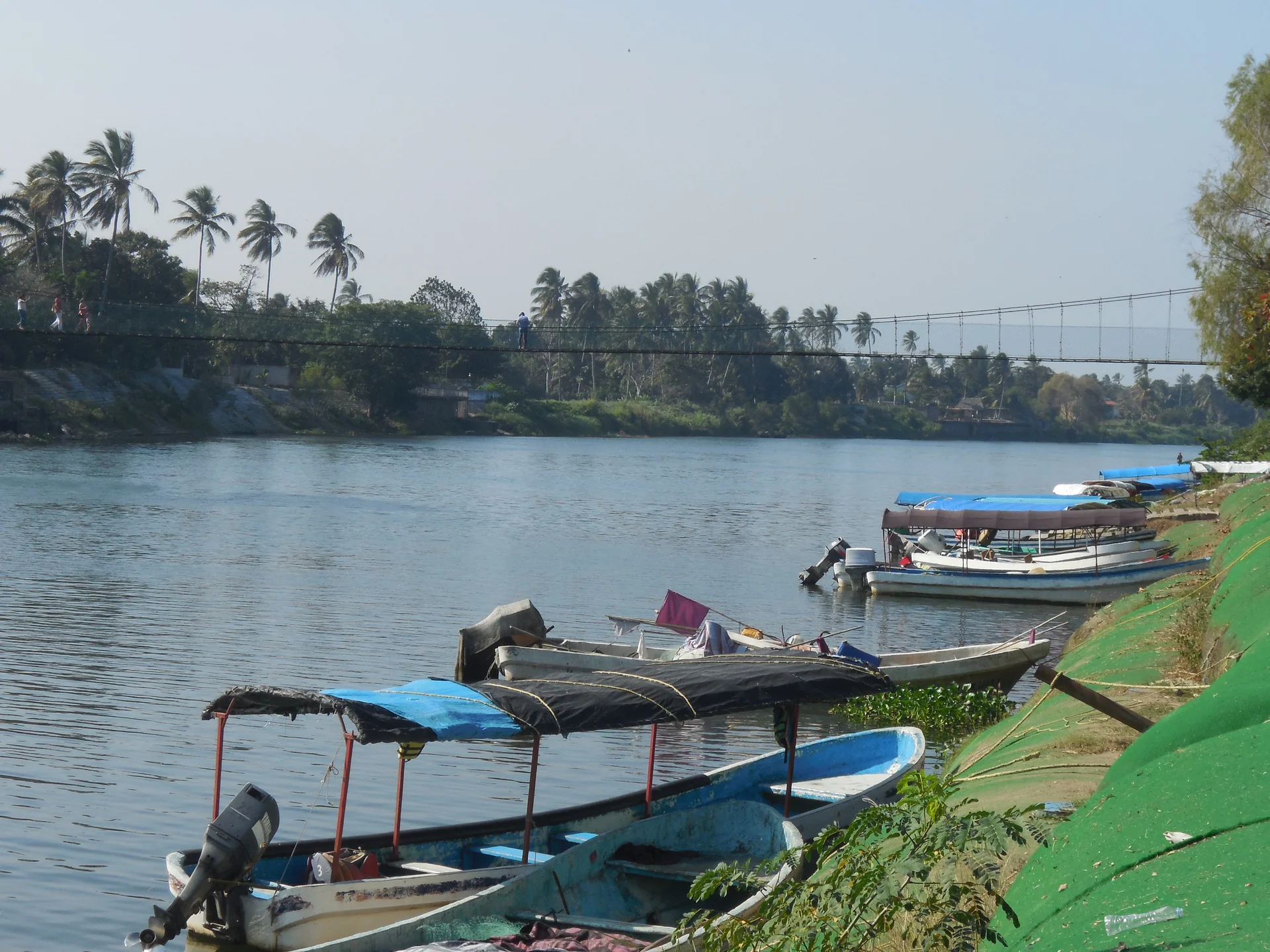
This region in north-central Mexico packs in waterfalls, turquoise rivers, and some genuinely surreal scenery. The Tamul waterfall, at 105 meters, is reached by dugout canoe along the river. Xilitla is home to the Edward James Sculpture Garden, a labyrinth of concrete surrealist structures built in the middle of the jungle by a British eccentric. Foreign tourists are rare here, and prices stay low across the board.
Colonial Cities Worth Slowing Down For
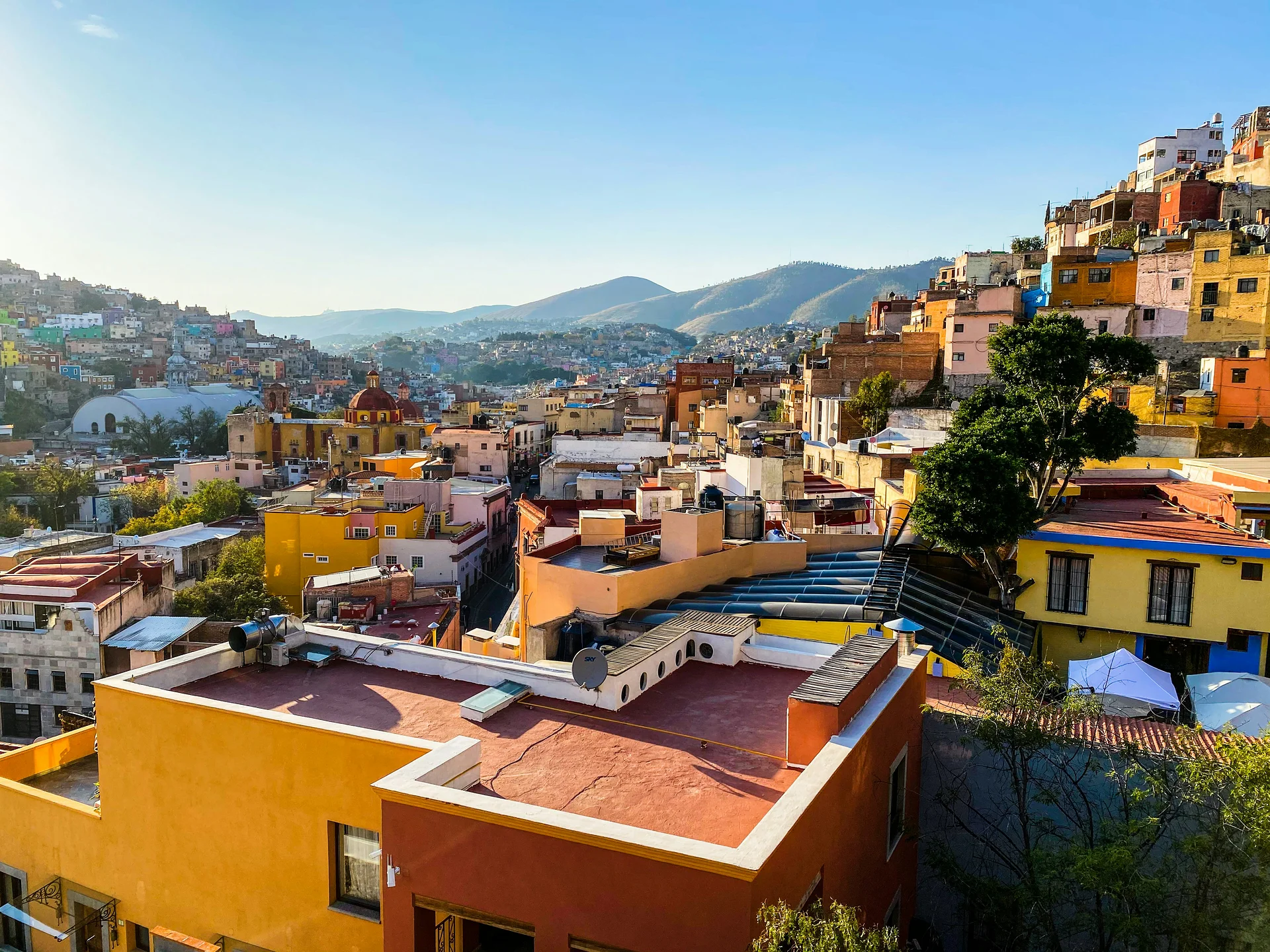
- Guanajuato spills across a narrow valley in a tangle of colorful alleyways. The city's underground tunnels, built on old dried-up riverbeds, now serve as the main traffic routes. The famous nighttime callejoneadas, where roving musicians lead crowds through the streets, are a genuine local tradition worth catching.
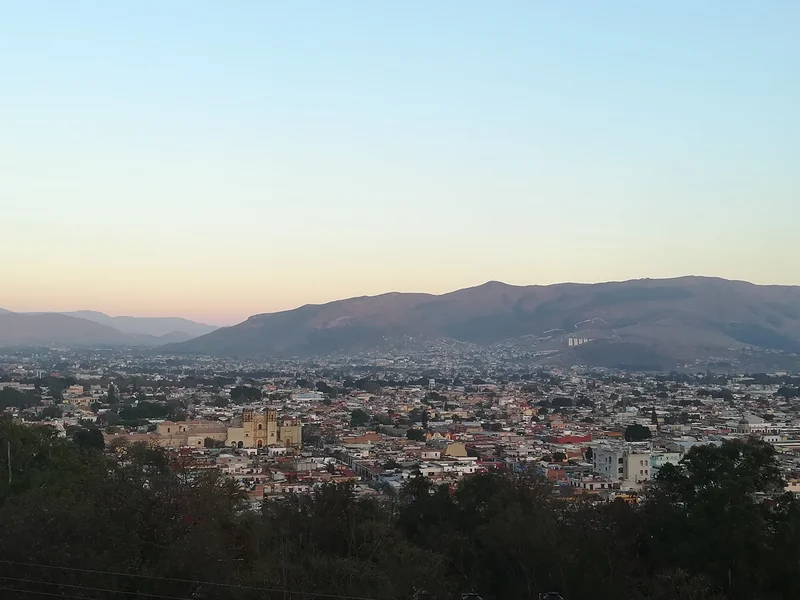
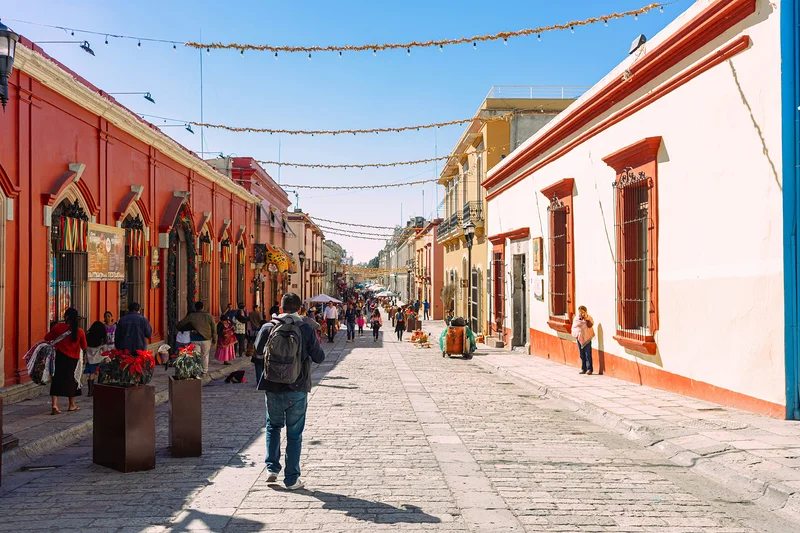
- Oaxaca has a slower pace that's easy to settle into. The markets overflow with Zapotec crafts, and the mezcalerias, bars specializing in artisanal mezcal made from agave, stock dozens of varieties that put standard tequila to shame. The archaeological site of Monte Albán, 20 minutes from the city center, overlooks the entire valley.
- San Cristóbal de las Casas, at 7,200 feet elevation in Chiapas, blends Spanish colonial architecture with living Tzotzil and Tzeltal indigenous cultures. The nearby villages of Zinacantán and San Juan Chamula maintain syncretic religious traditions unlike anything else in Mexico.
The Caribbean Coast
Playa del Carmen centers on its pedestrian Quinta Avenida, lined with restaurants and shops. Tulum pulls a trendy crowd with its beach clubs and cliff-top Maya ruins overlooking the sea, though prices have jumped sharply in recent years.
To get away from the crowds, consider Holbox, a car-free island off the northern tip of the Yucatán, or El Cuyo, a small fishing village that hasn't been discovered yet. The Pacific coast has its own appeal: Puerto Escondido for serious surf, Mazunte for quiet.
Insider tip: Mahahual, near the Belize border, has Caribbean-quality beaches without the Tulum scene. The village stays calm on most days; it only gets busy when cruise ships are in port.
Mexican Food: Way Beyond Tacos
Tacos vary dramatically by region. In Mexico City, tacos al pastor are shaved from a vertical spit, a technique brought by Lebanese immigrants in the early 20th century. In the Yucatán, tacos de cochinita pibil feature slow-cooked pork marinated in citrus and achiote paste. A street-stand order of three tacos runs 30 to 60 pesos ($1.50-3).
Oaxaca is the center of mole, the complex sauce built from cacao, dried chilies, and dozens of spices that can take days to prepare properly. Artisanal mezcal has largely replaced tequila among serious drinkers here. On both coasts, ceviche made with fresh fish and seafood is a market staple, available for a few dozen pesos a plate.
When to Go
The dry season from November through April is the best window for most of the country. The Riviera Maya and Yucatán are ideal from November to March, before the heat peaks and before hurricane season, which runs June through October. At higher elevations in central Mexico, nights get genuinely cold from December through February.
Día de los Muertos on November 1st and 2nd transforms the entire country. The most striking celebrations happen in Pátzcuaro and on the island of Janitzio in Michoacán. Book accommodations months in advance for this period.
Getting to Mexico
From most major US hubs, you can reach Mexico City or Cancún in roughly 3 to 5 hours on a direct flight. Airlines including United, American, Delta, and Aeroméxico operate frequent nonstop routes. Fares vary widely by season, but booking 6 to 8 weeks out typically gets you reasonable prices.
US citizens do not need a visa for tourist stays. You'll fill out a Forma Migratoria Múltiple (FMM) on arrival, either on paper or digitally, depending on your entry point. Hold onto it. You'll need to surrender it when you leave, and losing it means a fine of around 600 pesos ($30) at the border.
Getting Around
Long-distance bus lines ADO and ETN connect the major cities in comfort. The Cancún-to-Mérida run takes about 4 hours and costs around 400 pesos ($20). Domestic flights on budget carriers Volaris or Viva Aerobus get you from Mexico City to Cancún in 2 hours for roughly 1,000 to 3,000 pesos ($50-150) depending on how far in advance you book.
Renting a car makes real sense in the Yucatán, where the ruins, cenotes, and coastal towns are spread out. Budget around 600 to 1,000 MXN per day ($30-50) for a basic vehicle. Avoid driving after dark. In cities, Uber works reliably and saves you the hassle of negotiating fares with taxi drivers.