India Will Get Under Your Skin
Every morning in Varanasi, hundreds of people walk down the ghats to bathe in the Ganges at sunrise while funeral pyres burn just a few yards away. There is no other place on earth where life and death coexist this openly, this matter-of-factly. You don't "visit" India. You reckon with it.
India, for Travelers Who Are Ready to Be Challenged
India is not a comfort destination. It hits every sense at once, tests your patience constantly, and exceeds your expectations in both directions. Travelers who go in knowing that come back changed. Those who don't come back exhausted.
thumb_up Best suited for:
- Curious travelers looking for genuine cultural immersion
- Anyone drawn to spirituality, yoga, or meditation
- Architecture enthusiasts: Mughal palaces, forts, and temples are everywhere
- Food lovers: Indian cuisine is one of the most complex and varied on the planet
- Budget-conscious travelers: day-to-day costs in India are among the lowest in Asia
- Photographers and anyone who lives for color, festivals, and street life
- Trekkers and adventure travelers (Himalayas, Ladakh, Western Ghats)
warning Not the right fit for:
- Travelers who need comfort, quiet, and predictability
- Anyone who struggles with crowds, pollution, and urban chaos
- Solo women travelers who aren't prepared to deal with persistent unwanted attention in certain regions
- Anyone trying to "see everything" in 10 days: India is the size of a continent
- Travelers with sensitive stomachs or low tolerance for variable hygiene conditions
One of the Most Affordable Countries in Asia, With Huge Price Swings
India is one of the cheapest travel destinations in the world for US visitors. A full meal at a solid local restaurant rarely runs more than 250 to 420 INR (about $3 to $5). A decent guesthouse starts around 670 to 1,250 INR per night (about $8 to $15). That said, major tourist sites charge foreigners significantly more than locals, and boutique hotels in popular regions like Rajasthan or Goa can hit prices you'd see back home.
| Trip Type | Where | Duration | Budget (excl. flights) |
|---|---|---|---|
| Palaces and forts circuit | Rajasthan (Delhi, Jaipur, Jodhpur, Udaipur) | 2 weeks | 50,000 to 125,000 INR / person ($600 to $1,500) |
| Beach and relaxation | Goa (north and south beaches) | 1 week | 33,000 to 83,000 INR / person ($400 to $1,000) |
| Nature and backwaters | Kerala (Kochi, Munnar, Alleppey) | 10 to 12 days | 42,000 to 100,000 INR / person ($500 to $1,200) |
| Trekking and high altitude | Ladakh, Spiti Valley, or Himachal Pradesh | 2 to 3 weeks | 58,000 to 150,000 INR / person ($700 to $1,800) |
| Spirituality and yoga | Varanasi, Rishikesh | 10 days | 25,000 to 58,000 INR / person ($300 to $700) |
| Wildlife safari | Ranthambore, Bandhavgarh, Jim Corbett | 1 week | 50,000 to 125,000 INR / person ($600 to $1,500) |
Visa, Logistics, and a Few Realities to Plan Around
US passport holders need a visa to enter India. The good news: the e-Visa process is straightforward. Apply online through the official Indian government portal before you leave home. It covers stays up to 90 days, costs around 2,100 INR (about $25), and processing typically takes 3 to 5 business days. One thing first-timers often miss: pick up a local SIM card at the airport the moment you land. Nearly everything in India runs through WhatsApp, and most booking apps require a local number to complete OTP verification.
Distances here are serious. New Delhi to Mumbai is 870 miles. India is the size of a continent. Overloading your itinerary is the single most common mistake first-time visitors make. Two or three regions done properly will serve you far better than a rushed lap around the whole country in two weeks.
Is India Safe?
For tourists, India is generally safe when it comes to serious violence. Scams are a different story, especially in tourist zones: fake guides, fake government tourism offices, and rickshaw drivers who "happen to know" that your hotel burned down last night. The golden rule: ignore anyone who approaches you proactively near a tourist site, and verify everything yourself.
Traveling Solo as a Woman in India
This deserves a straight answer. Street harassment, persistent staring, and groping in crowded spaces are documented realities, particularly in northern India. Southern India, Kerala, Goa, and major cities like Bangalore and Mumbai tend to be considerably calmer. Solo female travel in India is absolutely doable, thousands of women do it every year, but it requires a higher level of awareness: use women-only train cars when available, dress modestly, and be prepared to assert yourself firmly when needed.
The Golden Triangle and Rajasthan: India's Palace Circuit
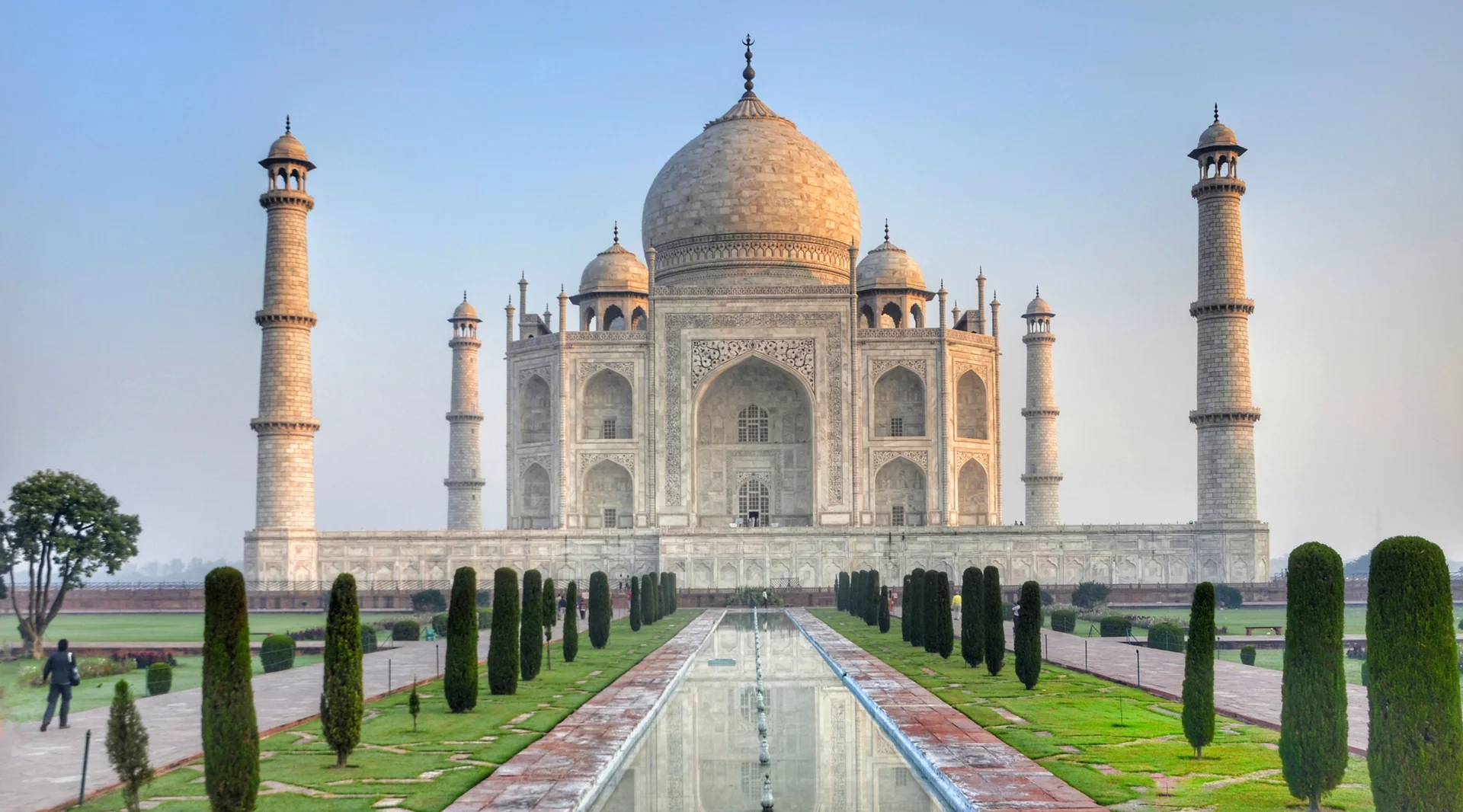
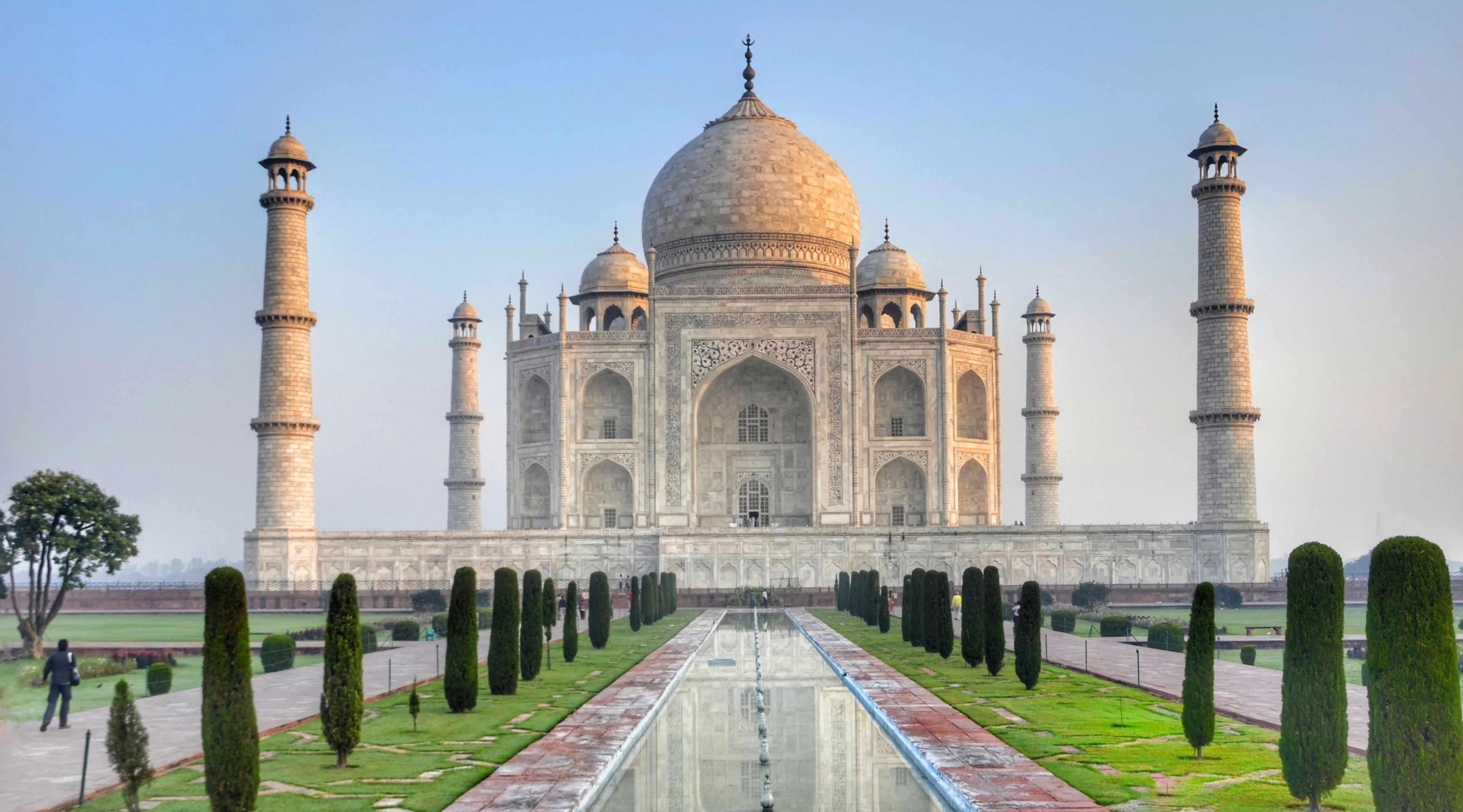
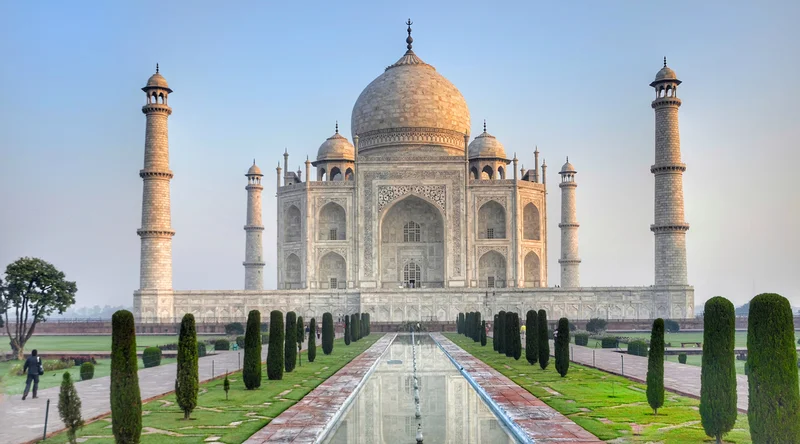
The Delhi-Agra-Jaipur loop, known as the "Golden Triangle," is the standard first-timer's route for good reason. The concentration of historical monuments is extraordinary: the Red Fort and the Chandni Chowk bazaar in Delhi, the Taj Mahal in Agra, and the pink forts and palaces of Jaipur. Three cities, two weeks minimum if you don't want to feel like you're sprinting.
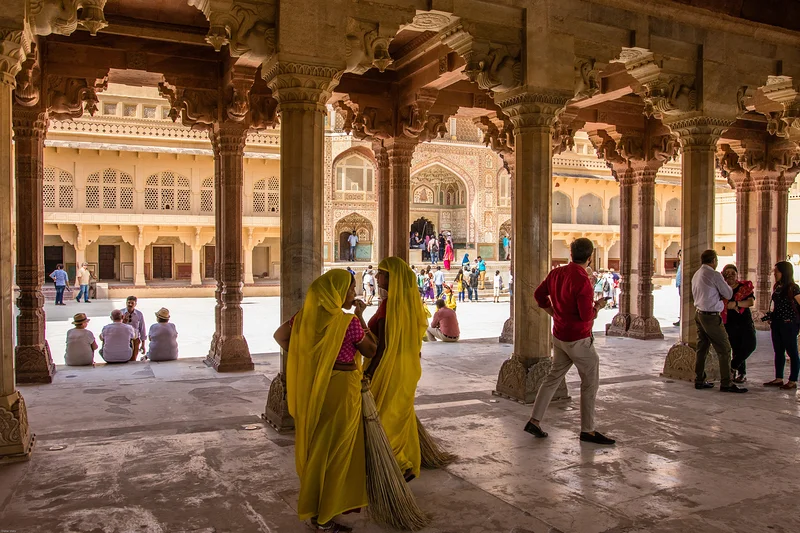
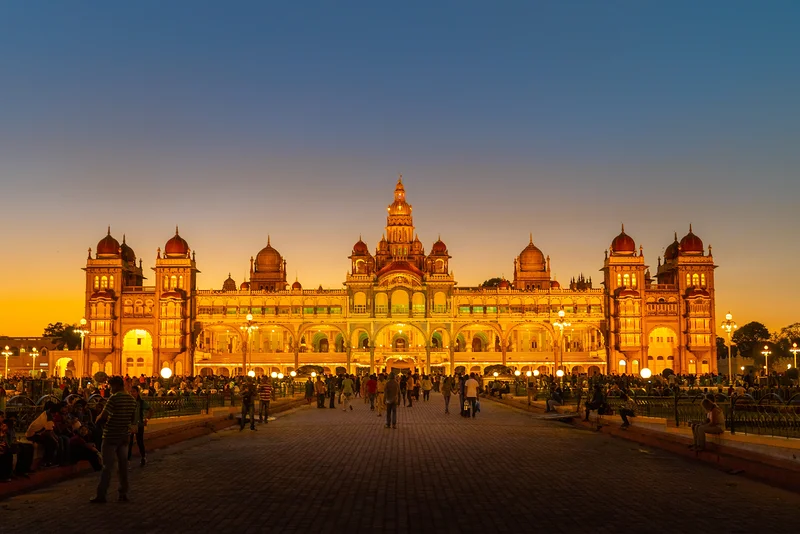
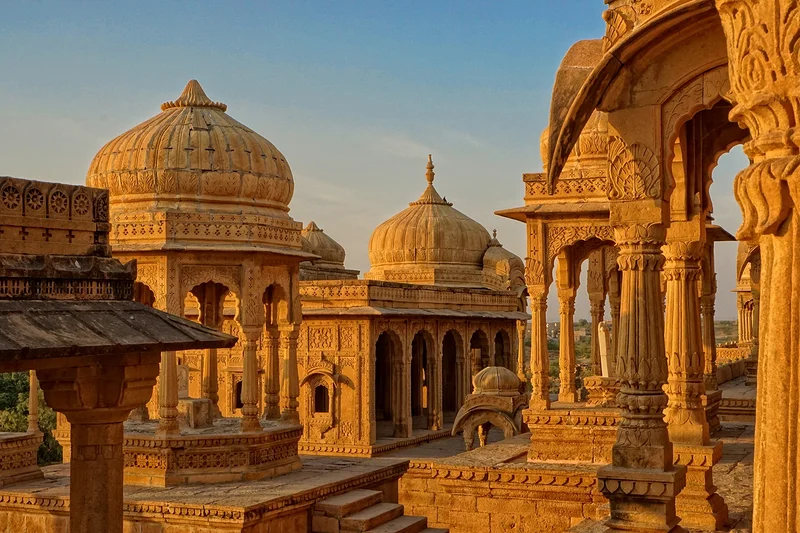
Push past Jaipur and Rajasthan delivers some of the most remarkable architecture anywhere. Jodhpur, the Blue City, anchored by the massive Mehrangarh Fort perched on a rocky ridge. Udaipur, with its lake palaces and marble-paved lanes. Jaisalmer, the golden sandstone citadel at the edge of the Thar Desert, where people still live inside the walls of a medieval fortress.
Insider tip: At the Taj Mahal, get there right when the gates open at dawn. Indian tour groups typically arrive two to three hours later. For roughly an hour you'll have the monument almost to yourself, in warm morning light. That is the only time the place fully lives up to its reputation.
Varanasi, Kerala, and South India: Two Countries in One
Varanasi, on the banks of the Ganges, is often described as the oldest continuously inhabited city in the world. It's also the most disorienting. The ghat ceremonies, the open-air cremations at Manikarnika Ghat, the crowds of pilgrims at sunrise: no photograph prepares you for it. One night in Varanasi stays with you for years.
South India feels like a separate country. Kerala is best explored from the backwaters, a network of palm-lined canals and rice paddies where houseboats anchor overnight. Think of it as the Florida Everglades, but greener and with better food. The Western Ghats, a mountain range blanketed in forest and tea plantations around Munnar, offer hiking well away from the chaos of the plains. Kochi, with its Chinese fishing nets along the waterfront and its contemporary art galleries, is the most cosmopolitan city in the south.
In Chennai and across Tamil Nadu, Dravidian temples topped with gopuram (towering pyramidal gateways covered in thousands of painted sculptures) represent an architectural tradition that has nothing in common with the north. The temple complex at Madurai, dedicated to the goddess Meenakshi, is one of the most impressive religious sites in all of Asia.
The Indian Himalayas: Ladakh, Spiti, and the Mountains at the Edge of the World
Ladakh, sitting above 11,500 feet, is a Buddhist enclave wedged between the Himalayan and Karakoram glaciers. Its clifftop monasteries, high-altitude desert landscapes in shades of ochre and violet, and altitude lakes like Pangong Tso (which extends into Tibet on its eastern end) produce scenery that looks more like the moon than India. Leh, the regional capital, is about an hour by air from Delhi.
The Spiti Valley in Himachal Pradesh sees even fewer visitors. It's only accessible from June through October, when the mountain passes clear. Villages like Kaza and Tabo (home to a 1,000-year-old monastery) offer a version of Himalayan India that feels completely untouched by time.
At Avygeo, we consider Ladakh the most spectacular and least predictable region in India. But altitude is not something to brush off: plan 2 to 3 days of acclimatization in Leh before any serious hiking. Altitude sickness at 11,500 feet is real, and it doesn't care how fit you are.
Insider tip: Across India, tourist sites charge foreigners significantly more than locals. Arriving before 8 a.m. not only beats the crowds, it also gives you the best light of the day. There is no comparison between seeing an Indian temple at 7 a.m. and seeing it at noon.
Off the Beaten Path: Northeast India, Goa, and Lesser-Known Routes
Northeast India (Assam, Meghalaya, Nagaland, and six neighboring states) is a region most travelers never reach. It looks and feels closer to Southeast Asia than to the rest of India: dense jungle, indigenous communities with living traditions, and landscapes of rolling hills and waterfalls. The gateway is Guwahati, reachable by air from Delhi, and some states require special entry permits.
Goa remains the go-to beach destination. The southern beaches around Palolem and Agonda are far quieter than the packed northern stretch. But Goa has more going for it than beach bars: the Portuguese colonial architecture of Panaji, and the UNESCO-listed baroque churches of Old Goa are worth a full day on their own.
Eating in India: A Continent of Flavors
Far More Varied Than You Think
The Indian food most Americans know, butter chicken, tikka masala, generic curry, represents a narrow slice of one region. The actual picture is far wider.
Every state has its own culinary identity, as distinct from its neighbors as Texas barbecue is from New England seafood. In the south, dosas (crispy fermented rice crepes filled with spiced potatoes) are a breakfast staple, served alongside lentil soup. In Rajasthan, dal baati churma (wheat dumplings baked over coals, served with lentil sauce and sweetened crumble) tells you everything about the desert nomad culture that shaped the region.
Street Food Worth Seeking Out
Street food is one of the great pleasures of India, as long as you're selective about where you eat it.
Stick to stalls that cook in front of you over live fire and draw a crowd of locals. Pani puri (hollow fried dough balls filled with spiced tamarind water) might be the best single bite on the subcontinent. The thali, a tray of small portions of several dishes, is the most economical and representative meal you can order: typically 170 to 500 INR (about $2 to $6) at a local restaurant.
Alcohol is available in tourist areas and throughout Goa, but restrictions vary significantly by state. Gujarat, Bihar, and Nagaland are completely dry. Chai (spiced milk tea with cardamom and ginger) is the national drink, served in small clay cups at train station platforms across the country.
When to Go to India
For most of the country, October through March is the sweet spot. Temperatures are manageable across the northern plains and the coast, and there's no rain. It's also peak season: prices go up and accommodation in popular areas like Rajasthan books out fast.
The monsoon (June through September) makes the north uncomfortable but turns Kerala into an intensely green landscape unlike anything else. Some travelers go to Kerala specifically during monsoon season for that atmosphere and for the Ayurvedic treatments traditionally practiced during those months. Ladakh and Spiti Valley are only accessible June through October, when the mountain passes are clear.
Factor festivals into your planning. Holi (March) and Diwali (October or November depending on the year) are extraordinary experiences visually and culturally, but they send prices surging. The Pushkar Camel Fair in November in Rajasthan is one of the most spectacular livestock markets in Asia.
Getting to India
The main entry airports are New Delhi (Indira Gandhi International) and Mumbai (Chhatrapati Shivaji Maharaj International). From major US hubs, expect a total travel time of roughly 16 to 20 hours depending on your connection. Most US travelers connect through Gulf hubs: Dubai with Emirates, Doha with Qatar Airways, or Abu Dhabi with Etihad. Round-trip fares typically run $700 to $1,400 depending on the season and how far in advance you book, with peak season (December and January) running about 30% higher.
The tourist e-Visa is required for US citizens and must be obtained online through the official Indian government portal before departure. It covers stays up to 90 days and costs around 2,100 INR (about $25). Processing takes 3 to 5 business days, so don't leave it to the last minute.
Getting Around India
India's rail network is one of the largest in the world, with over 13,000 trains running daily. For long distances, it's the most practical option. Book through IRCTC, the official reservation platform, which requires a local Indian phone number for verification (another reason to grab that SIM at the airport). For overnight trips, 3AC and 2AC class (air-conditioned sleeper cars) hit the right balance between comfort and cost.
Domestic flights are cheap and essential for covering the big gaps, think Delhi to Goa or Delhi to Kochi. Carriers like IndiGo, Air India, and SpiceJet run frequent routes starting around 2,500 to 6,700 INR one way (about $30 to $80) if you book ahead. For Rajasthan specifically, hiring a car with driver is the most flexible approach: typically 4,200 to 6,700 INR per day (about $50 to $80), with the freedom to stop wherever you want.
In cities, Ola and Uber both work well across most major metros and save you the hassle of negotiating fares with rickshaw drivers. Long-distance buses cover the whole country, with quality ranging from fine to rough depending on the state and the operator. For overnight bus routes, book through a reputable operator rather than buying a ticket off the street at the last minute.