

Where to stay in Martinique: the 4 areas to know in 2026
Seventy kilometers from north to south, a two-hour drive: it makes you think you can stay anywhere. That holds true on a map, but not during the morning commute. The beaches that draw travelers to Martinique are all in the south, and heading back means getting caught in rush hour traffic.
Four bases below, ranging from the resort-heavy far south to the Atlantic coast. A beachfront hotel runs $124 to $220*, while an apartment complex or guesthouse runs $73 to $124*. A rental car is not optional, so factor it in right from day one.
Compare hotel prices in Martinique
In a hurry? Find the best accommodation deals in 3 clicks.
Compare live deals from Booking, Expedia, Agoda and other partners.
You can easily consider renting a place there for a week and enjoying the Caribbean.
How many nights in each area?
The island crosses in two hours, so you can anchor yourself in one spot for the whole trip. The real trick is picking which base to start with, and figuring out when it actually makes sense to move.
- One week, 7 nights: Everything in the far south without moving around, plus two day trips up north. Bruno suggests this approach, which saves you from repacking just to shave an hour off your drive.
- Ten days: 5 nights in the south, followed by 3 in Saint-Pierre and 2 in Tartane. It is the only setup that lets you experience the volcano and the Atlantic without rushing through it.
- Four nights: Two bases at most: the south for the beaches, and the bay for the capital and its ferry. Trying to add the north to this timeframe means spending your entire day in the car.
- 2-night stopover: In Les Trois-Ilets, for the passenger ferry and the restaurant selection. You get the capital, a beach, and a garden without ever driving for more than twenty minutes.
At a glance: our picks by traveller type
Pick the profile that fits you and go straight to the recommended area.
Map of the areas in Martinique
See how the areas sit relative to one another before choosing your base. Click a name to jump to its description.
The deep south, around Sainte-Anne South
for a beach trip where you can park the car and leave it
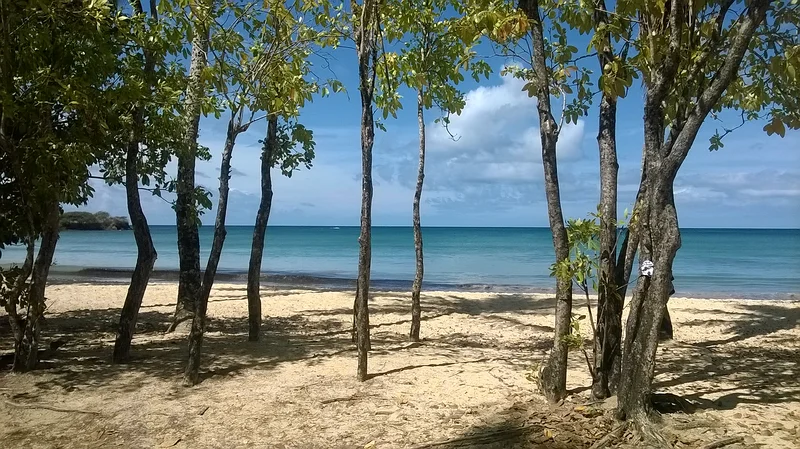
This is the area our community recommends most often. Bruno describes Sainte-Anne as a postcard village with narrow streets, quaint houses, and crystal-clear coves, and feels you can comfortably stay a full week. Plage des Salines is ten minutes away, and gplanchette puts it simply as a slice of paradise. The downside is its own popularity, meaning heavy crowds in season and steep prices to match.
Located on the southern tip of Martinique, Sainte-Anne is every bit the postcard village, with its picturesque alleys and houses, and beaches and coves with crystal-clear water.
The towns in this area
What to see and do in this area
Where to stay in this area
Hotel-Restaurant La Dunette Mid-range
Right on the water in the heart of town, six minutes from Pointe Marin beach. The only true beachfront hotel in the area, complete with an on-site restaurant so you can leave the car parked at night.
Les Orchidées Mid-range
A quiet little spot in Sainte-Anne, just minutes from the center of town. A reliable backup when La Dunette books up, which happens fast in high season.
Chambre d'hôte la Calebasse Budget
Renovated rooms near Pointe Marin, managed right on the property. A solid way to explore the deep south without breaking the bank, complete with local advice thrown in.
Pros
- The island's finest beaches are under fifteen minutes away
- A lively town center in the evenings with open-air dining and shops
- Plenty of options to stay a full week without needing to switch hotels
Cons
- Crowded from December through April, and you will see it in the rates
- Skip the north: the volcano and Saint-Pierre take a full day
Les Trois-Îlets and the bay West
for visiting Fort-de-France without staying overnight
This is the island's primary hotel hub, sitting right across the water from the capital, and its main advantage comes down to one word: the ferry shuttle. A twenty-minute boat ride beats an hour in gridlock, letting you experience Fort-de-France without dealing with the drawbacks Bruno points out, including « traffic jams, sluggish public transit, noise pollution ». Anse Mitan and Pointe du Bout feature restaurants open late, which is rare on the island. The beaches here are decent rather than spectacular, since the best ones sit further south.
As the main city in Martinique, Fort-de-France gives the impression that it wants to concentrate all the disadvantages of urban life: traffic jams, reckless drivers in cars or on two-wheelers putting others in danger, inefficient public transportation, noise pollution, smog, insecurity, exorbitant prices, dirty streets, and numerous dilapidated buildings.
The towns in this area
Where to stay in this area
La Pagerie - Tropical Garden Hotel Luxury
The benchmark hotel at Pointe du Bout, featuring a tropical garden, pool, and restaurant. The ferry dock is a few streets away, which is the main reason to stay on this shore.
L´Odyssée Des Anses Mid-range
In Les Anses-d'Arlets, ten minutes from the village beach. A step further south and significantly quieter than Pointe du Bout, ideal if you want the bay without the crowds.
Pros
- The ferry shuttle, which bypasses the highway and the bay traffic entirely
- More hotels and kitchens staying open late than anywhere else on the island
- A central location, an hour from both the north and the south
Cons
- Average beaches compared to what the island offers further south
- A heavily built-up area missing the charm of the coastal villages
Saint-Pierre and the Caribbean north North
for the history, the volcano, and the distilleries
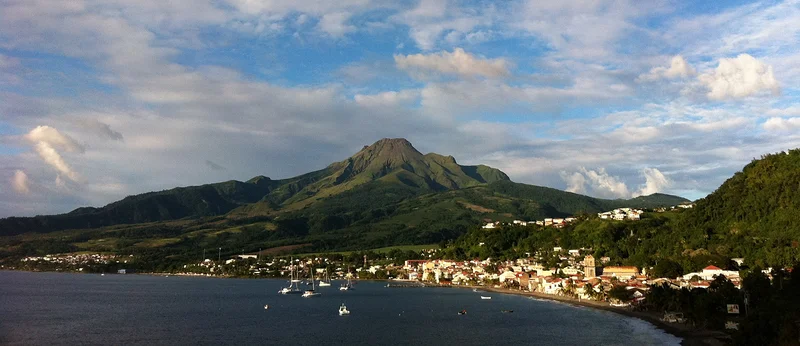
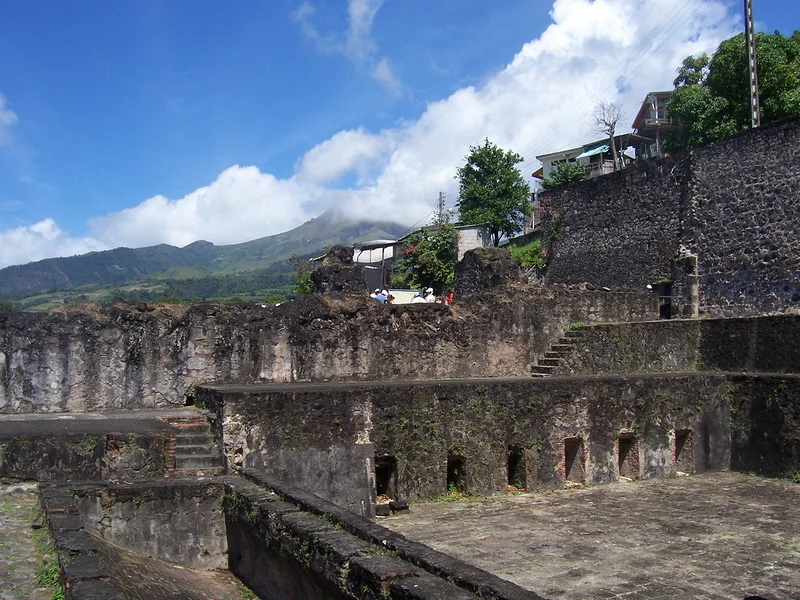
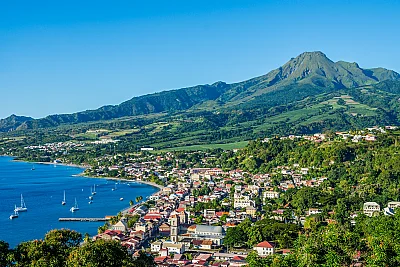
The former capital, destroyed by Mount Pelée in 1902, is the most history-heavy part of the island. gplanchette recommends the volcanology museum, the theater ruins, and the Cyparis dungeon, "one of the 2 survivors of the eruption," along with the Depaz distillery. It is also the base camp for hikers. Bruno warns that the volcano trails "take some effort," balancing steep climbs, heat, and humidity, so you need to pick your day carefully. Few hotels, darker water, and quiet evenings.
The volcano overlooking Martinique, offering lovely hiking trails that climb high. The views are sometimes spectacular, but be careful, between the elevation gain, the heat, and the humidity, you really have to earn them. Choose your day wisely, because in heavy rain, it is not the same experience at all.
The towns in this area
What to see and do in this area
Where to stay in this area
Chambre d'hôte à Saint-Pierre Budget
A renovated guesthouse sitting between the beach and the ruins. Sleep right at the foot of the volcano without blowing your lodging budget.
VILLA NONA, SAINT-PIERRE, MARTINIQUE Mid-range
A renovated villa with a garden and an outdoor soaking tub right in Saint-Pierre. A solid pick for couples or families who want to cook and stay a few nights.
Pros
- Staying here is noticeably cheaper than down south for the same level of comfort.
- Historic sites and rum distilleries within walking distance.
- Right at the trailhead, saving you an hour of driving first thing in the morning.
Cons
- Dark sand beaches that are less photogenic than the southern ones.
- Very few places to stay, and restaurant kitchens close early.
Tartane and the Atlantic Coast East
for the wind, surfing, and untouched nature
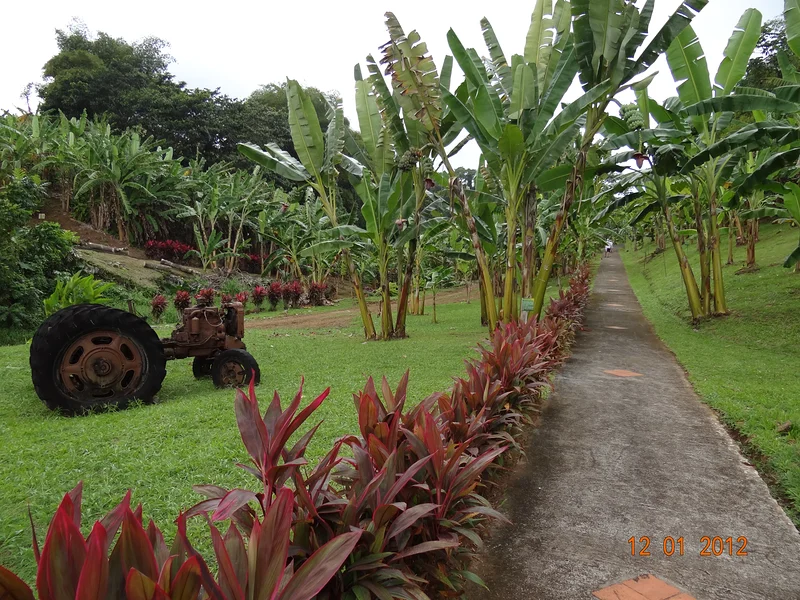
The Caravelle Peninsula shows a different side of the island with the Atlantic, the wind, a nature reserve, and a fishing village. It draws surfers and hikers alike. gplanchette points out that you also connect with local culture here in Sainte-Marie and its banana museum, which is as much about the people as the fruit. Swimming requires picking your cove carefully since the swell runs much stronger than in the south.
If you want a little immersion into the history of Martinique, its culture, and its culinary specialties, Sainte-Marie offers a nice opportunity. It is a town of wide open spaces, very green, and focused just as much on agriculture as it is on tourism.
The towns in this area
What to see and do in this area
Where to stay in this area
la tartane Mid-range
Village rooms featuring balconies and ocean views. The most straightforward way to wake up facing the Atlantic without renting a full villa.
Résidence de la baie - BLEU SOLEIL TARTANE Mid-range
Beachfront complex with a pool, well suited for families. Having a real kitchen matters here since local restaurants are few and far between.
Studio Tartane Budget
Studio just a few blocks from Tartane beach. A practical pick for two nights on the peninsula without paying hotel rates.
Pros
- The Caravelle Peninsula reserve and its trails, starting right from the village
- The top spot for surfing and wind sports
- Way quieter than the south, even in February
Cons
- Rough seas mean you have to pick your swimming spots cove by cove
- Out of the way: a full hour drive to reach the southern beaches
Our tips for booking the right place
- Book your car before your room: The bus network does not run to the southern beaches at useful times, and car rental agencies sell out weeks in advance from December to April. A great place to stay without a vehicle turns into a trap, so factor in a rental from day one of your budget and book it before your accommodation if you are traveling during peak season.
- Cross the bay by boat, not by car: From Trois-Îlets, the passenger ferry gets to Fort-de-France in about twenty minutes, while driving means going all the way around the bay through heavy morning and evening traffic. That is the main reason to stay on this shore rather than in the capital, which Bruno talks about at length regarding the gridlock.
- Check the volcano the night before: Mount Pelée makes its own weather, and a clear day at sea level guarantees nothing up high. As Bruno puts it bluntly, in heavy rain it is a completely different experience. Checking the peak the evening prior and heading out early beats locking in your hike based on a vacation calendar.
- Staying in Fort-de-France just to be central: it is the only town our community explicitly advises against, and the ferry lets you visit from across the bay without spending the night.
- Picking the north for a beach vacation: the sand is dark and the surf is often rough, plus Les Salines is over an hour's drive away.
- Booking in Le Lamentin because the airport is there: it is a commercial zone with no swimming beaches, caught in ring road traffic jams every morning and evening.
FAQ: where to stay in Martinique
Which part of Martinique is best for lodging?
Should you stay in Fort-de-France?
Where can you find budget-friendly lodging in Martinique?
How many nights should you spend in Martinique?
Is a car essential?
When is the best time to visit Martinique?
 Keep exploring
What to do in Martinique
Keep exploring
What to do in Martinique
Comments (0)
No comments yet. Be the first!