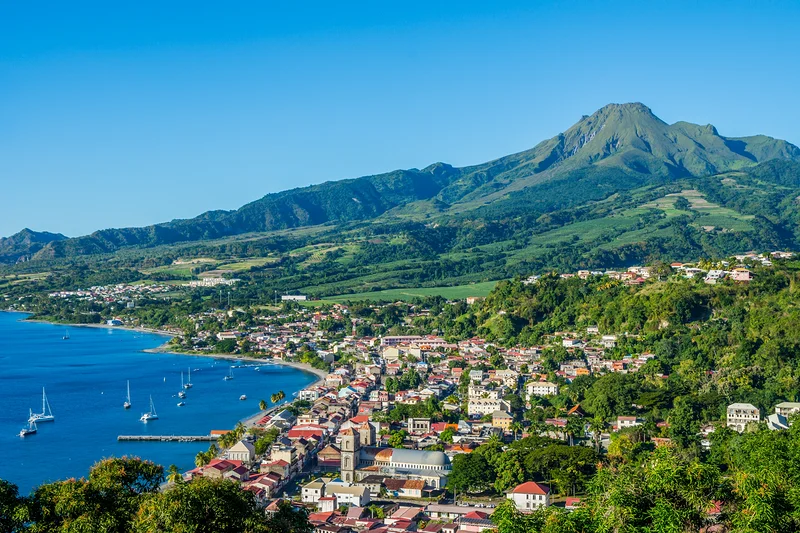
Martinique: France in the Tropics, Unfiltered
The scent of aged rum drifting from a century-old distillery, mixing with the aroma of smoking jerk chicken by the side of the road. That is Martinique: a French department where you pay in euros, but where the pace of life has nothing to do with mainland France. This 1,100 km² island packs an active volcano, rainforests, black and white sand beaches, and some of the best Creole cuisine in the Caribbean.
A Piece of France Like No Other
Forget all-inclusive resort complexes and private beaches. Here, all beaches are public and tourism is not the primary economic driver. Locals do not rely on your tips to get by. The direct result: no one will hassle you to sell you a boat tour or hair braiding, but service can feel less hurried than elsewhere in the Caribbean.
This destination suits travelers who appreciate refined gastronomy, volcanic landscapes, and a certain French art de vivre under the coconut palms. It might frustrate those looking for American-style resort entertainment. Public transit options remain limited, so car rental is essential to explore the island at your own pace.
Budgeting: Martinique Is Not a Cheap Destination
Expect to budget $68 to $113* per day for a comfortable trip as a couple, lodging included. Airbnb rentals and gîtes run around $57-$90* a night, Creole restaurants offer daily lunch specials for $17-$23*, and car rentals cost about $45-$57* a day. Activities like boat excursions or scuba diving start at $57*.
Saint-Pierre and Mount Pelée: Memory of an Apocalypse
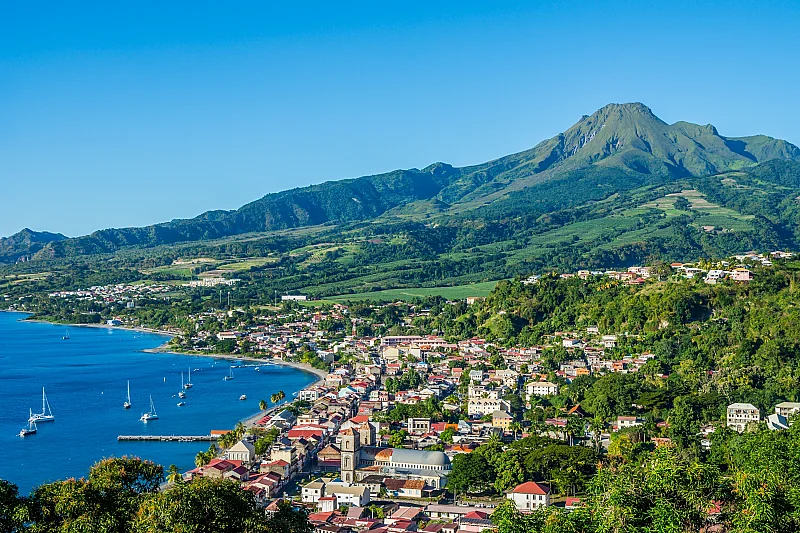
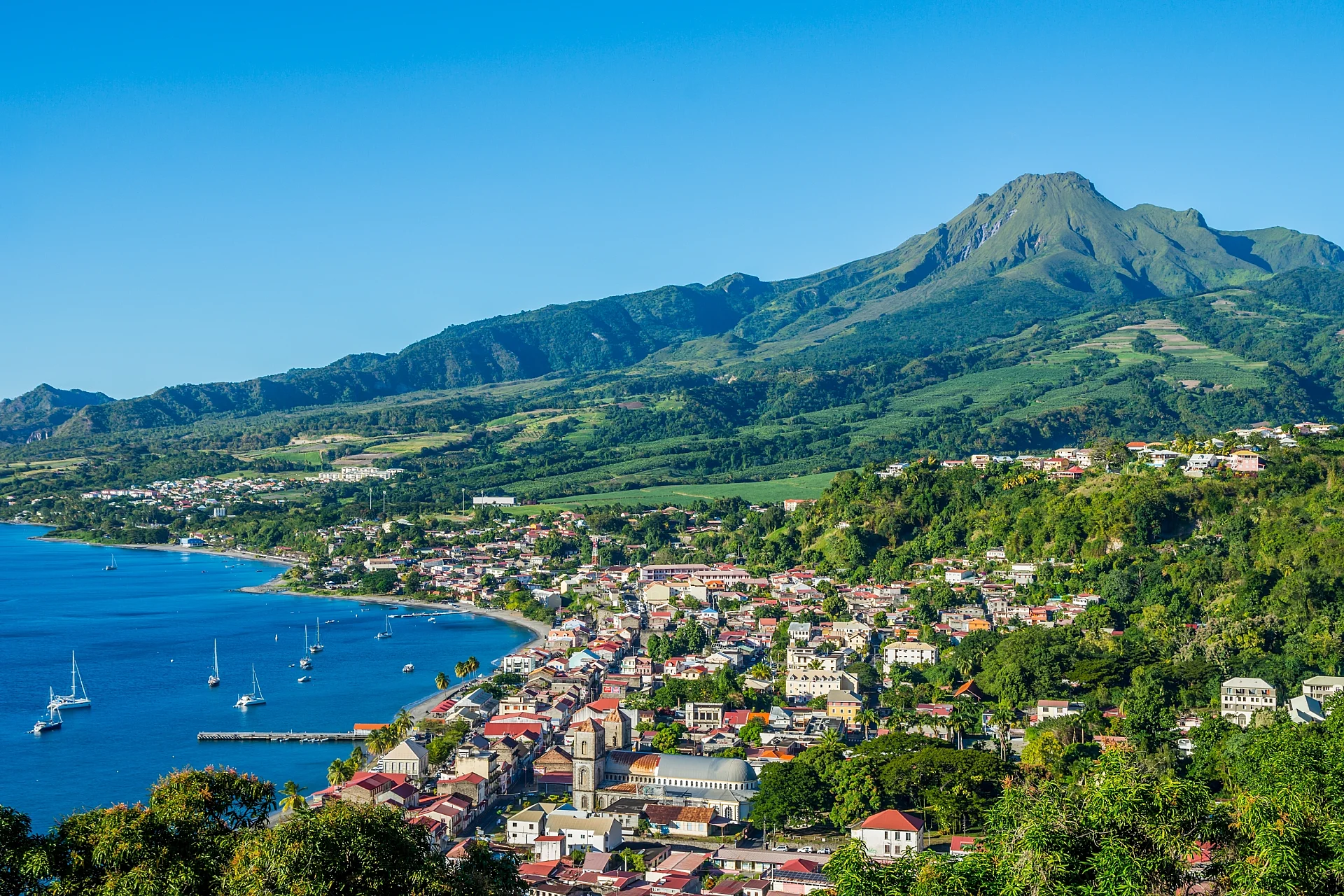
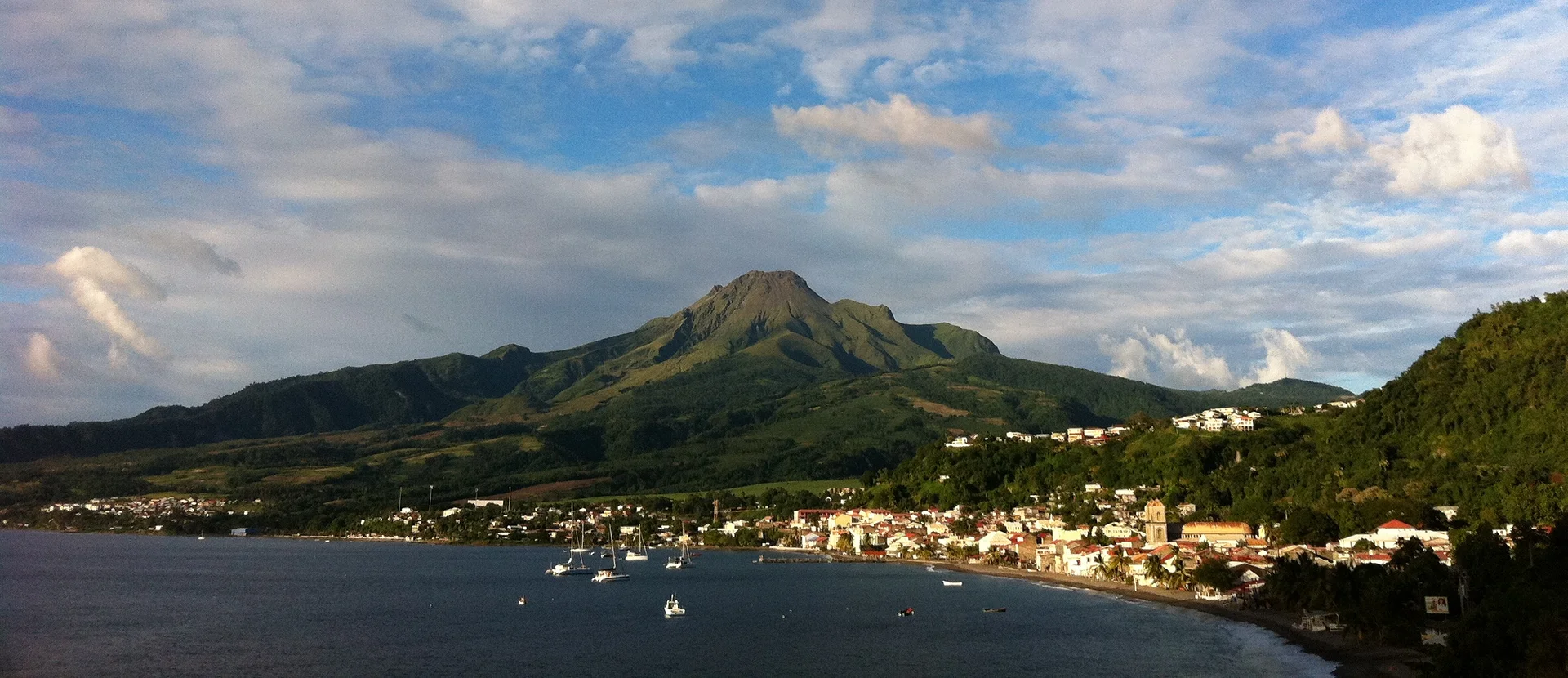
On May 8, 1902, at 8:02 in the morning, a pyroclastic flow rushing down Mount Pelée wiped out what was then nicknamed the Little Paris of the Antilles. In minutes, 30,000 people perished. Only two or three survivors were found, including Louis-Auguste Cyparis, a prisoner protected by the thick walls of his cell.
Saint-Pierre still bears the scars of this disaster, the deadliest volcanic eruption of the 20th century. The ruins of the grand theater, which once hosted 800 spectators for operas shipped from Paris, testify to past splendor. The Maison coloniale de Santé, the first psychiatric hospital in the Antilles built in 1839, is also open to visitors. Rue Monte au Ciel, with its steep staircases, was once the lively neighborhood for sailors and dockworkers.
Friendly tip: experienced divers can explore the shipwrecks swallowed by the bay during the eruption. About twenty ships rest at various depths, accessible from local dive shops.
The Musée Frank A. Perret rounds out the visit with period photographs and objects pulled from the rubble. From Saint-Pierre, several trails lead toward the summit of Pelée at 1,397 metres, a UNESCO World Heritage site since 2023.
Beaches: From Southern White Sands to Northern Volcanic Coves
The famous Grande Anse des Salines, near Sainte-Anne, stretches for 1.2 kilometres of white sand lined with coconut palms. A picture-postcard setting, it draws crowds on weekends and during French school breaks. For more quiet, head to Anse Meunier, two kilometres away, where calm waters suit families.
The village of Anses d'Arlet offers a less crowded alternative with two adjacent beaches of opposing characters. Anse Dufour features light sand and waters where sea turtles come to graze on the seagrass beds. Right next door, Anse Noire surprises with dark volcanic sand, a remnant of Pelée's activity.
In the north, the coast shifts dramatically. Anse Couleuvre and Anse Céron reveal stretches of black sand at the foot of the rainforest. These wild beaches, reached after a short walk, attract fewer visitors but require caution because Atlantic currents can be treacherous.
Friendly tip: the Caravelle Peninsula, on the Atlantic coast, holds the island's most preserved coves. The trail cutting through the nature reserve leads to deserted bays surrounded by mangroves.
The Rum Route: AOC and Centuries of Know-How
Martinique has produced the world's only AOC agricultural rum since 1996. This designation guarantees production from fresh cane juice, not molasses like industrial rums. Seventeen distilleries dot the island, each with its own terroir and methods.
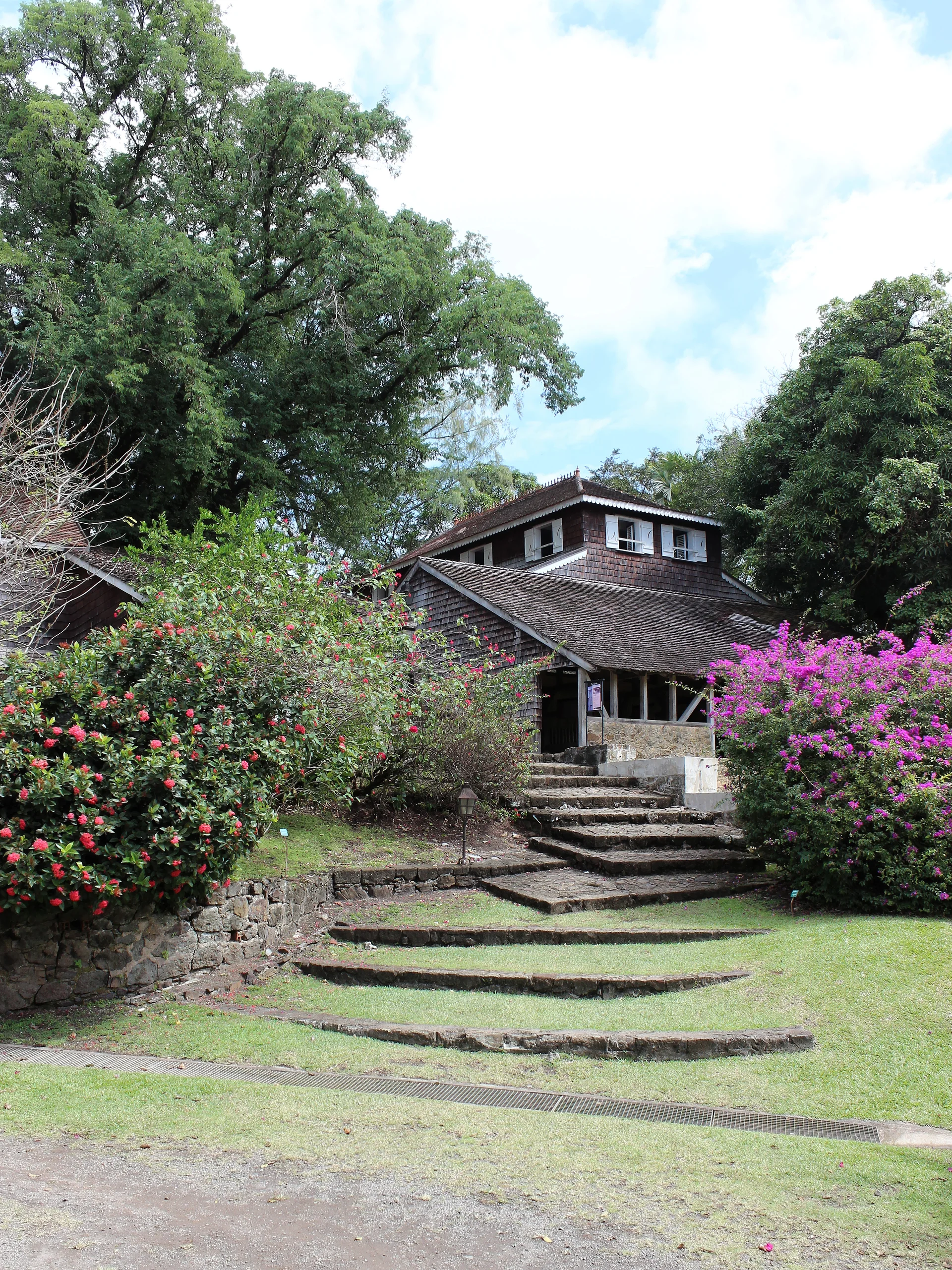
The Depaz distillery, at the foot of Mount Pelée, occupies an estate rebuilt after the 1902 eruption by the family's sole survivor. The majestic setting and tragic history add an emotional layer to the tasting. Further south, Trois Rivières offers a sound-and-light show retracing the production process.
Habitation Clément, in Le François, combines a tour of an 18th-century Creole home, strolls through lush gardens, and contemporary art exhibits. The shop lets you sample different vintages before buying.
Key stops:
- Distillerie JM in Macouba: interactive tour in a green valley
- Neisson in Le Carbet: small artisanal production, recognizable square bottle
- HSE in Gros-Morne: award-winning gardens and unique finishes
Harvest season runs from February to June, which is the ideal time to see the distilleries in action.
Fort-de-France and the Mountainous North: Greenery and Creole Culture
The capital of Fort-de-France deserves more than a quick pass. The covered market, one of the liveliest in the Caribbean, overflows with spices, tropical fruits, and flavored punch preparations made by local vendors. The Schoelcher Library, a colorful metal structure prefabricated in Paris for the 1889 Universal Exhibition, stands out with its bold architecture.
A few kilometres north, the Balata Garden brings together over 3,000 species of tropical plants on a former Creole estate. Suspended walkways let you observe the canopy at hummingbird height. Higher still, the Route de la Trace winds through dense rainforest up to Morne-Rouge.
The Falaise gorges, near Ajoupa-Bouillon, offer a refreshing river trek through a canyon carved by the water. Lush vegetation and waterfalls make it one of the most popular northern excursions.
Martinique on the Plate: When France Meets the Caribbean
Crispy cod fritters served with sauce chien traditionally kick off the meal. This spicy sauce made with onions, garlic, lime juice, and sweet chili peppers also accompanies grilled meats and fish. Creole blood sausage, seasoned with chives and West Indian bay leaf, is enjoyed as an apéritif with a ti-punch.
Colombo, a spiced stew inherited from Indian workers who arrived in the 19th century, comes in chicken, pork, or goat versions. The yellow spice blend resembles curry but carries its own distinct identity. Poulet boucané, slowly smoked over wood and sugarcane fire, is sold at roadside shacks. It is local street food at its best.
Seafood takes center stage: grilled conch, octopus fricassee, and fresh lobster feature on coastal restaurant menus. Féroce d'avocat, a smooth mix of mashed avocado, salt cod, and cassava flour spiked with hot pepper, makes a classic starter. For dessert, coconut blanc-manger and homemade tropical fruit sorbets wrap up the meal on a sweet note.
When to Visit Martinique?
The dry season, from December to May, delivers ideal conditions with temperatures around 27°C and low rainfall. It is also peak tourist season, meaning prices climb and beaches fill up, especially during French school breaks and Carnival in February.
The wet season, from June to November, brings short but intense tropical downpours, usually in the late afternoon. Prices drop significantly and the island quiets down. September and October carry a higher hurricane risk, though Martinique has been relatively spared in recent years.
The months of May and June offer a sweet spot: the end of the dry season, still reasonable rates, and moderate crowds. The Tour des Yoles in August, a traditional Martinican sailboat regatta, pulls in local crowds.
How to Get to Martinique?
The Aimé Césaire Airport in Fort-de-France sits 11 km from downtown. From North America, American Airlines connects Miami to Fort-de-France and Air Canada flies in from Montréal during the winter season; otherwise you route through a Caribbean hub. For travelers coming from Europe, three airlines operate direct flights from Paris-Orly: Air France, Air Caraïbes, and Corsair. Plan for about 8 hours and 50 minutes of flight time and round-trip rates ranging between $450 and $790* depending on the season.
Air Caraïbes offers up to 11 weekly flights, Air France about a dozen, and Corsair around 8. Morning departures get you in by early afternoon local time. Martinique keeps Atlantic Standard Time all year: the same clock as US Eastern in summer, one hour ahead of it in winter.
US and Canadian visitors need a valid passport, with no visa required for tourist stays of up to 90 days. French citizens need only a valid ID card, as do European Union nationals. Other nationalities must present a valid passport, and some require a visa based on current agreements.
Getting Around Martinique?
Car rental remains the most practical way to explore the island. Roads are in good condition, French traffic laws apply, and distances are short: 80 km separate the northern and southern tips. Local rental agencies like Jumbo Car offer competitive rates starting at $45* per day. Book ahead during high season.
The Mozaïk bus network serves the main towns from Fort-de-France, but schedules can be unpredictable and trips long. Collective taxis, marked by a yellow stripe, provide a faster alternative between certain towns. Individual taxis charge high rates, especially from the airport.
Ferries connect Fort-de-France to Les Trois-Îlets and Sainte-Anne across the bay. This option helps you skip the traffic jams that sometimes clog the capital during rush hour. Give yourself extra time if you need to reach the airport late in the day.